

















What Are Antimicrobial Food Films
Definition of Antimicrobial Food Packaging Films
Antimicrobial food films are a type of active food preservation packaging designed to inhibit or slow down the growth of harmful microorganisms on the surface of food products. They are made by incorporating antimicrobial agents directly into the food-grade film material, allowing the packaging itself to take an active role in food safety.
Unlike traditional plastic wrap that only serves as a barrier, antimicrobial packaging films actively protect food from microbial contamination, enhancing shelf life extension and reducing food waste in the process.
How Antimicrobial Food Films Work
These films act through controlled release or contact inhibition of antimicrobial agents directly to the food surface. The goal is to neutralize or suppress bacteria, molds, and yeasts before they cause spoilage or illness.
Mechanisms include:
- Cell wall disruption in bacteria to halt their growth
- Enzyme inactivation to stop microbial metabolism
- pH alteration in the immediate environment to make it unfavorable for pathogens
Common targeted microbes:
- Foodborne bacteria like Listeria monocytogenes, Salmonella spp., E. coli O157:H7
- Spoilage organisms such as molds and yeasts
Common Antimicrobial Agents in Food Films
| Type | Examples | Source |
|---|---|---|
| Natural | Essential oils (oregano, thyme, clove), chitosan, nisin | Derived from plants or microorganisms |
| Synthetic | Silver nanoparticles, sorbic acid, benzoic acid | Lab-made food-safe compounds |
Natural options are increasingly popular for biodegradable antimicrobial packaging as they align with clean-label trends in the U.S. market.
Benefits in Food Preservation
Main advantages of antimicrobial packaging films include:
- Reduced microbial spoilage – extends food shelf life without additional preservatives
- Lower risk of foodborne illness – inhibits dangerous pathogens before they multiply
- Fewer chemical additives needed in food products
- Better distribution stability – food survives longer in transport and retail shelves
Studies show antimicrobial films can extend perishable product shelf life by 30–50% depending on the food type and storage conditions.
Typical Applications for Antimicrobial Films
These films are widely used in perishable and high-risk foods, including:
- Fresh meat and poultry – reduce bacterial load during cold storage
- Seafood – prevent rapid spoilage from microbial growth
- Cheese and dairy – control mold and yeast development
- Fresh-cut fruits and vegetables – reduce microbial-related discoloration
- Bakery products – delay mold growth and extend freshness
They fit into modern food safety strategies, especially in the ready-to-eat sector where packaging itself functions as a preservative.
What Are Antioxidant Food Films
Definition and Function
Antioxidant food films are a type of active food packaging designed to slow down or prevent oxidation in packaged food. Oxidation is a chemical process that can cause color loss, rancidity in fats, off-flavors, and nutrient degradation. These films work by releasing or absorbing antioxidant substances that interact with oxygen or free radicals, effectively protecting the food during storage.
Unlike regular cling wrap or storage bags, antioxidant films actively extend shelf life by reducing oxidation-related spoilage — especially important for products rich in fats, oils, or natural pigments.
How Antioxidant Films Prevent Spoilage
Mechanism of action:
- Oxygen scavenging – Reduces the oxygen level inside the packaging to slow oxidation.
- Radical neutralization – Interrupts oxidative chain reactions before they damage the food.
- UV light protection – Some formulations include UV blockers to reduce photo-oxidation in light-sensitive foods.
Types of Oxidation-Related Spoilage Controlled:
- Rancidity in nuts, seeds, and baked goods
- Color fading in fresh-cut fruits and cured meats
- Nutrient loss in vitamin-rich foods like berries and leafy greens
Common Antioxidants Used in Food Films
| Type | Examples | Source |
|---|---|---|
| Natural extracts | Green tea extract, rosemary extract, vitamin E (tocopherols) | Plant-based |
| Synthetic | Butylated hydroxytoluene (BHT), butylated hydroxyanisole (BHA), propyl gallate | Lab-produced |
Natural antioxidants are popular in the U.S. due to clean-label preferences, while synthetic antioxidants may offer stronger, longer-lasting protection at a lower cost.
Benefits in Food Preservation
- Keeps natural color – Prevents browning in produce and discoloration in processed meats
- Preserves flavor – Reduces stale or rancid taste in snacks and oils
- Maintains nutritional value – Slows vitamin degradation during storage
- Extends shelf life – Cuts down food waste and improves storage flexibility
Typical Food Applications
Antioxidant films are widely used for:
- Meat & seafood – Maintaining red color in beef or pink tone in salmon
- Baked goods & snacks – Preventing rancidity in chips, crackers, and pastries
- Oily foods – Protecting nuts, seeds, and cooking oils
- Fresh produce – Keeping cut fruits and vegetables fresh-looking
- Dairy products – Preserving flavor in cheese and butter
For everyday home use, antioxidant films can be paired with cling film and tin foil dispensers for easy storage of light-sensitive, oil-rich, or color-sensitive foods.
Antimicrobial vs Antioxidant Food Films Key Differences
When choosing between antimicrobial food packaging and antioxidant food films, it comes down to how your product spoils and what protection it needs. Both aim to extend shelf life, but their functional focus is different.
How They Work
- Antimicrobial Films – Release or activate agents that slow or stop bacteria, mold, and yeast growth on the food surface. Best for products prone to microbial spoilage.
- Antioxidant Films – Contain compounds that slow oxidation, preventing fats from going rancid and keeping colors and nutrients stable. Best for products prone to oxidative spoilage.
| Feature | Antimicrobial Films | Antioxidant Films |
|---|---|---|
| Primary Action | Inhibit microbial growth | Slow oxidation reactions |
| Targets | Bacteria, molds, yeasts | Fats, pigments, vitamins |
| Main Spoilage Prevented | Microbial decay, foodborne illness | Rancidity, color and flavor loss |
| Shelf Life Impact | Stops visible spoilage and pathogens | Maintains quality and freshness |
| Best For | Meat, dairy, fresh produce | Oils, nuts, baked goods, frozen meals |
Types of Spoilage Addressed
- Antimicrobial Films tackle growth-based spoilage — slimy surfaces on meat, mold on cheese, and microbial contamination that can cause illness.
- Antioxidant Films handle chemical spoilage — browning in fruits, rancid taste in nuts or chips, and fading in ready-to-eat meals.
Pros and Cons
Antimicrobial Films
Pros:
- Directly reduce risk of foodborne pathogens
- Extend safe consumption time
- Effective for high-risk fresh foods
Cons: - May require regulatory approval for active agents
- Effectiveness can depend on storage conditions
Antioxidant Films
Pros:
- Preserve natural flavor, aroma, and color
- Protects nutritional quality
- Works well during storage and transport
Cons: - Won’t prevent microbial growth
- Less effective for fresh, high-moisture foods
Environmental Considerations
- Biodegradability – Both can be made from biodegradable materials like PLA or starch blends, especially when combined with natural additives.
- Safety – Must meet FDA and USDA food contact standards in the U.S. to ensure no harmful migration into food. Using natural preservatives in food packaging is a growing industry focus.
Cost and Manufacturing
- Antimicrobial Films – Often cost more due to specific active agents and controlled-release technologies. Manufacturing can be slightly more complex.
- Antioxidant Films – Generally simpler to produce and slightly cheaper, especially using natural extracts like rosemary or green tea.
- Combination Films – Higher cost but offer dual protection against both microbial and oxidative spoilage, reducing overall waste and returns.
This breakdown shows that the better option depends on whether microbial safety or oxidative quality loss is your main concern — or if you need both in a customized food preservation solution.
Choosing the Right Food Film for Your Product
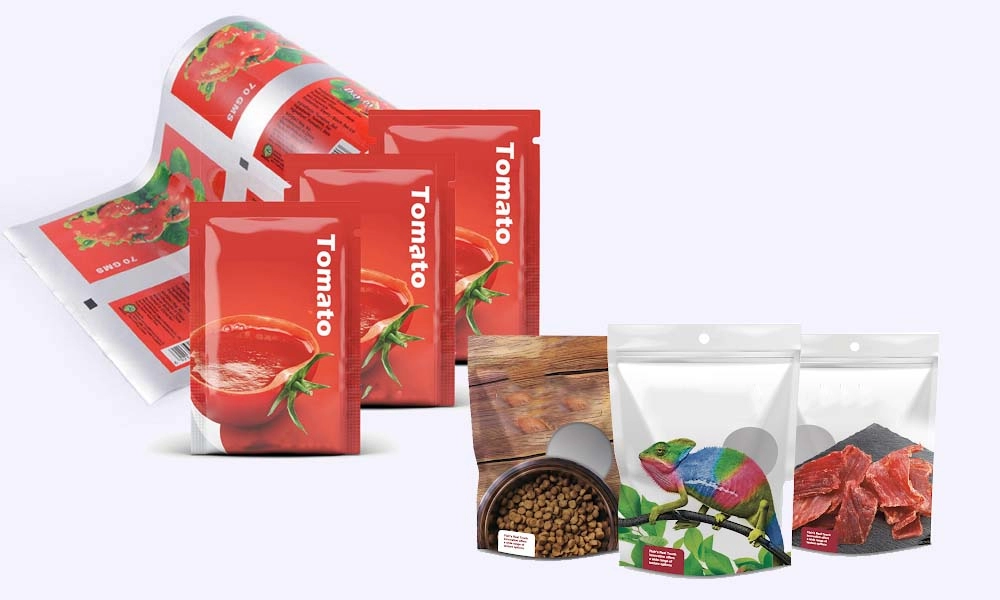
Selecting between antimicrobial and antioxidant food films comes down to understanding your product’s main preservation challenge — microbial growth or oxidation. In many cases, the best choice is based on the type of food and the conditions it’s stored in.
Identify Your Preservation Needs
- Microbial spoilage risk: More common in high-protein, high-moisture foods like meat, dairy, and seafood. These foods benefit most from antimicrobial films to slow bacterial and mold growth.
- Oxidative spoilage risk: A leading cause of quality loss in foods high in fats, oils, or natural pigments (e.g., nuts, chips, fresh-cut produce). Antioxidant films help delay rancidity, browning, and loss of flavor.
Which Film Works Best for Each Food Type
| Food Type | Main Spoilage Risk | Recommended Film Type |
|---|---|---|
| Fresh meats & poultry | Microbial growth | Antimicrobial film |
| Fresh-cut fruits & vegetables | Oxidation & browning | Antioxidant film |
| Dairy products | Microbial + mild oxidation | Antimicrobial or combined |
| Baked goods | Mold growth & staling | Antimicrobial film |
| Nuts & oily snacks | Oxidative rancidity | Antioxidant film |
| Seafood | Microbial growth | Antimicrobial film |
Benefits of Combined Antimicrobial and Antioxidant Films
For products that face both microbial and oxidative spoilage — like ready-to-eat deli salads, cheese, or vacuum-packed fish — dual-action films offer protection on both fronts, extending shelf life and reducing waste. These advanced films often use a mix of natural extracts and safe synthetic agents for a balanced approach.
How Artfullife Supports Your Needs
At Artfullife, we work with U.S. food producers to develop customized preservative films that fit your exact product and shelf life goals:
- Tailored protection: We adjust antimicrobial or antioxidant levels based on your product and distribution chain.
- Bulk supply ready: Large-scale orders with consistent quality for national distribution.
- Material options: Choice of biodegradable, eco-friendly, or conventional film materials depending on your sustainability targets.
- R&D support: For unique recipes or packaging challenges, our team works with you to create a formula that meets U.S. market and safety standards.
Case Studies and Success Stories with Antimicrobial and Antioxidant Food Films
Extending Shelf Life in Fresh Meat Packaging
A large U.S. meat processor partnered with Artfullife to replace its standard vacuum-sealed wrap with our antimicrobial food packaging films. The goal was to control bacterial growth and reduce early spoilage.
- Result: Shelf life extended by 4–6 extra days in refrigerated storage.
- Impact: This reduced product returns by over 20% and lowered waste disposal costs.
- Customer Feedback: “The switch to antimicrobial films cut down on spoilage during long-haul shipments without changing the product’s taste or texture.”
Keeping Snack Nuts Fresh with Antioxidant Films
A California snack brand producing roasted almonds struggled with oil rancidity during summer distribution. They moved to antioxidant active packaging from Artfullife.
- Result: Product maintained fresh flavor and aroma for 45 days longer compared to regular films.
- Impact: Improved customer reviews and fewer complaints about off-flavors.
- Customer Feedback: “The quality held up perfectly, even in hotter climates. We didn’t have to change our recipe or add extra preservatives.”
Protecting Fresh-Cut Produce in Retail Displays
A regional grocery chain introduced combined antimicrobial and antioxidant films for its fresh-cut fruit packs.
- Result: Reduced browning on apples and microbial spoilage by over 30%, keeping product visually appealing longer.
- Impact: Higher sell-through rates and lower evening markdowns.
- Customer Feedback: “The improved presentation means less food waste and better profits on prepared produce.”
Data Snapshot
| Product Type | Film Type | Shelf Life Improvement | Key Benefits |
|---|---|---|---|
| Fresh beef patties | Antimicrobial film | +4–6 days | Reduced bacterial growth, less spoilage |
| Roasted almonds | Antioxidant film | +45 days | Prevented rancidity, preserved flavor |
| Fresh-cut fruit packs | Antimicrobial + Antioxidant film | +30% display life | Better color retention, lower waste |
Artfullife’s customized antimicrobial and antioxidant films are developed to match product needs—whether that’s fighting bacteria in meat, slowing oxidation in nuts, or protecting the freshness and appearance of produce. The results speak for themselves: longer shelf life, better quality, and less waste for U.S. food businesses.
The Future of Food Preservation Films

Emerging Trends in Functional Food Films
Food preservation packaging is quickly moving toward biodegradable and smart solutions. U.S. food brands are looking for films that not only extend shelf life but also reduce waste and environmental impact. Current trends include:
- Biodegradable materials – Compostable films made from plant-based sources to replace petroleum plastics.
- Smart packaging – Indicators that change color to show freshness or detect spoilage gases.
- Multi-functional films – Combining moisture control, oxygen barriers, and active preservation agents in one layer.
- Edible coatings – Thin, safe layers applied directly on food, eliminating some secondary packaging needs.
These innovations aim to balance food safety, sustainability, and cost efficiency for retailers and manufacturers.
Role of Antimicrobial and Antioxidant Films in Sustainable Packaging
Antimicrobial and antioxidant films are becoming a core part of sustainable packaging strategies. Instead of over-wrapping products or using heavy plastic, a single functional film can:
- Reduce spoilage, which cuts down food waste.
- Minimize the need for preservatives inside the food itself.
- Allow for thinner packaging layers without sacrificing shelf life.
For U.S. food producers focused on meeting consumer demand for clean-label and eco-friendly packaging, these films deliver both safety and environmental benefits.
How Artfullife is Innovating for Future Food Packaging Needs
Artfullife is investing in next-generation preservative films tailored for both local and export markets. Our R&D team is working on:
- Biodegradable antimicrobial films that perform just as well as traditional plastics.
- Dual-action films with both antimicrobial and antioxidant functions for all-in-one protection.
- Custom barrier properties based on the product—meat, dairy, produce, or baked goods—so you get the right balance between preservation and cost.
- Global compliance with FDA, USDA, and EU standards, ensuring export-ready packaging for U.S. and international markets.
Our wholesale production capabilities mean we can supply customized, bulk-ready food packaging films to meet the needs of processors, packaging suppliers, and retailers looking to stay ahead in the food preservation game.
FAQ on Antimicrobial vs Antioxidant Food Films
What are the main differences between antimicrobial and antioxidant films
Antimicrobial food films are designed to slow or stop the growth of harmful microorganisms like bacteria, molds, and yeasts. They target microbial spoilage and help protect against foodborne illness.
Antioxidant food films, on the other hand, work to slow down chemical reactions caused by oxygen exposure. They help prevent oxidative spoilage, which can cause color changes, off-flavors, and nutrient loss.
| Feature | Antimicrobial Films | Antioxidant Films |
|---|---|---|
| Main Purpose | Inhibit microbial growth | Prevent oxidation |
| Spoilage Type Addressed | Bacterial, mold, yeast contamination | Color, flavor, texture degradation |
| Common Agents Used | Natural plant extracts, essential oils, organic acids, synthetic antimicrobials | Vitamin E, plant polyphenols, rosemary extract, synthetic antioxidants |
| Ideal For | Meat, seafood, dairy, baked goods | Nuts, oils, fresh produce, high-fat foods |
Can these films be used together
Yes. Many high-value foods face both microbial and oxidative spoilage. Using combined antimicrobial-antioxidant films can extend shelf life more effectively. Artfullife offers multi-functional films that work on both preservation fronts—ideal for perishable items like marinated meat, cheese, or prepared meals.
Are these films safe for all food types
Artfullife’s preservative films are safe for direct food contact and meet FDA food safety standards required for the U.S. market. They are also compliant with EU and Chinese GB standards. Some specialized agents may work better with certain foods, so matching film type to food category is important for quality and taste retention.
How do Artfullife preservative films comply with Chinese and international standards
Artfullife operates under strict quality control with certifications covering both Chinese GB and international regulations such as:
- FDA 21 CFR for food contact safety
- EU Regulation No. 10/2011 for plastic materials in contact with food
- ISO 22000 food safety management systems
- GB 9685-2016 for additives used in contact materials within China
This ensures our wholesale antimicrobial and antioxidant films are ready for both U.S. and global distribution, meeting food safety, performance, and sustainability requirements.