
















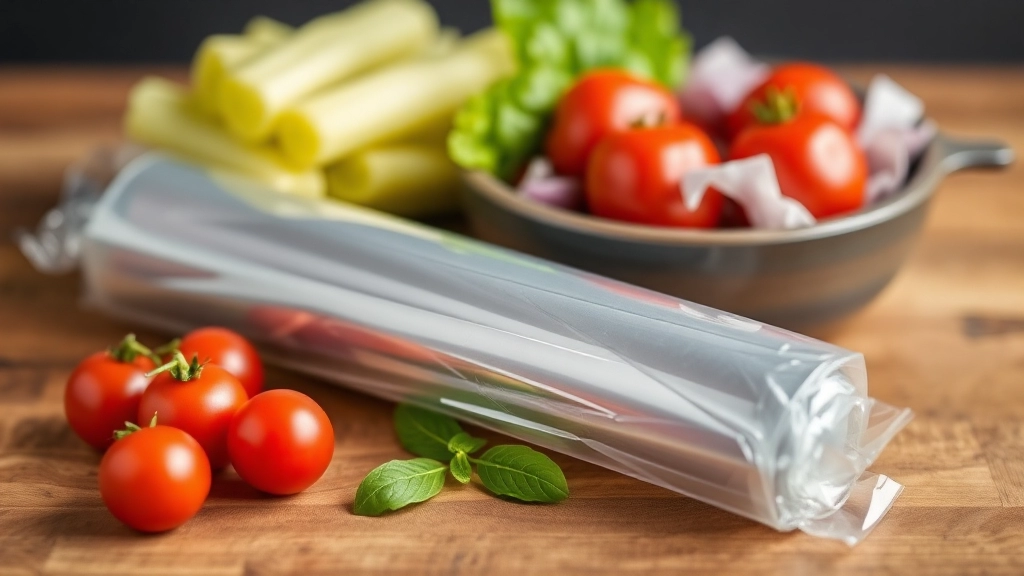
Antimicrobial Technology in Food-Grade Wraps
Antimicrobial technology in food-grade wraps is essential for preventing bacterial growth and ensuring food safety. This feature extends the shelf life of perishable goods, reducing spoilage and contamination risks, which is vital for maintaining high hygiene standards in the food industry.
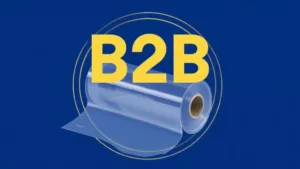
B2B Food-Grade Plastic Wrap
In the competitive food packaging landscape, B2B food-grade plastic wrap emerges as a superior choice for businesses. With its industrial-strength durability, customization options, and advanced antimicrobial properties, it addresses the unique demands of commercial operations. This article explores how these wraps outperform consumer brands, offering insights into their benefits for enhancing food safety, reducing waste, and optimizing costs.
The Importance of Efficiency and Sustainability
As businesses strive for efficiency and sustainability, the role of B2B food-grade plastic wrap becomes increasingly significant. By prioritizing features like durability, customizability, and eco-friendly certifications, companies can achieve a competitive edge while meeting industry standards. Dive into the world of industrial cling film and discover how these solutions can transform your packaging processes and elevate your brand’s reputation.
Why B2B Food-Grade Plastic Wrap Outperforms Consumer Brands
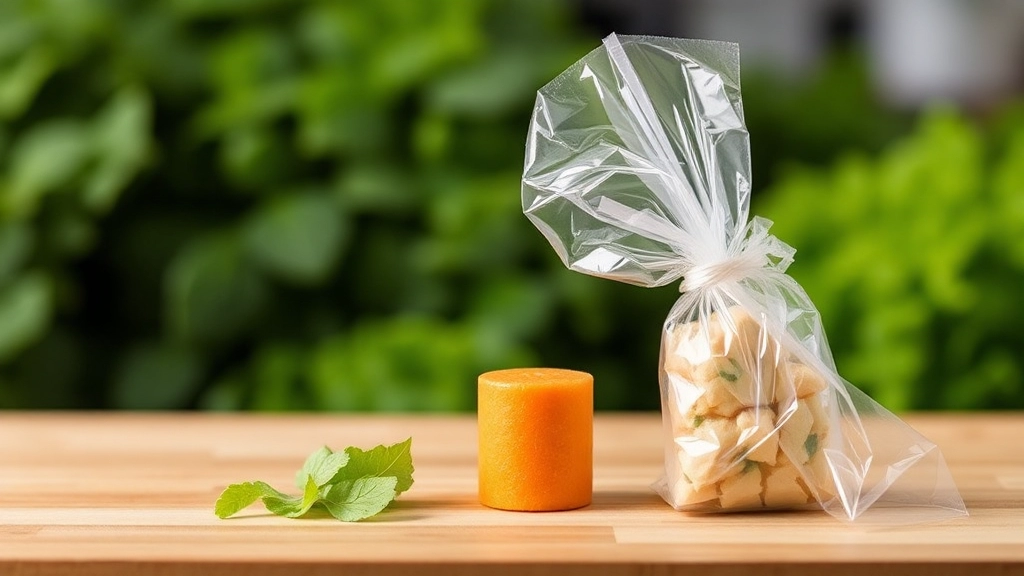
In the realm of industrial-strength cling film, B2B food-grade plastic wrap stands out significantly when compared to its consumer-grade counterparts. The demands of commercial food service operations necessitate a higher caliber of material, both in terms of durability and functionality. Here, I delve into the critical factors that make B2B food-grade plastic wrap the superior choice for businesses.
Durability and Strength
One of the primary advantages of B2B food-grade plastic wrap is its heavy-duty food packaging film quality. Designed to withstand the rigors of industrial use, these wraps offer enhanced puncture resistance and tensile strength. This is particularly important in high-volume environments where the risk of tearing can lead to food spoilage and increased costs.
Customization and Flexibility
Another key benefit is the availability of customizable plastic wrap dimensions. Businesses can tailor the size and thickness of the wrap to suit specific needs, reducing waste and optimizing efficiency. This flexibility is rarely found in non-commercial plastic wrap alternatives, which are typically limited to standard sizes.
Food Safety and Hygiene
In the food industry, maintaining hygiene standards is paramount. B2B wraps often incorporate antimicrobial plastic wrap technology, which helps prevent bacterial growth and extends the shelf life of perishable goods. Such features are critical for ensuring food safety and reducing the risk of contamination.
Cost-Effectiveness
While the initial investment in B2B food-grade wrap might be higher, the long-term savings are substantial. Businesses benefit from cost-effective cling film suppliers offering bulk purchase options, which lower the cost per unit significantly. Additionally, the durability of these wraps means fewer replacements and less waste, further driving down overall expenses.
Sustainability Considerations
With a growing emphasis on environmental responsibility, many B2B wraps are now available with sustainable cling film certifications. These eco-friendly food preservation solutions not only meet industry standards but also align with the increasing consumer demand for green practices. This is a crucial differentiator from thin-gauge kitchen wrap applications often found in consumer markets.
| Feature | B2B Wrap | Consumer Wrap |
|---|---|---|
| Durability | High | Moderate |
| Customization | Available | Limited |
| Antimicrobial Technology | Yes | No |
| Cost-Effectiveness | High (Bulk Purchase) | Low |
| Sustainability | Certified | Rare |
Key Features to Prioritize When Choosing Industrial Cling Film
When selecting B2B food-grade plastic wrap, it is essential to focus on several key features that distinguish industrial-strength cling film from non-commercial plastic wrap alternatives. Understanding these features can significantly impact food safety, waste reduction, and overall operational efficiency.
Durability and Strength
One of the primary considerations is the durability of the cling film. Industrial-strength cling film is designed to withstand the rigors of commercial use, providing superior puncture and tear resistance compared to standard consumer brands. This durability ensures that the film maintains its integrity during storage and transportation, reducing the risk of contamination.
Thickness and Gauge
The thickness of the film plays a crucial role in its performance. Thin-gauge kitchen wrap applications may be suitable for home use, but in a B2B context, opting for a heavier gauge is advisable. Heavy-duty food packaging film not only offers better protection but also enhances the shelf life of the products being wrapped.
Customizability
Another important feature is the ability to customize the dimensions of the wrap. Customizable plastic wrap dimensions allow businesses to optimize their packaging processes, minimizing waste and ensuring that products are wrapped securely. This flexibility is particularly beneficial for companies with varying product sizes and shapes.
Food Safety and Compliance
Food safety is paramount in the food industry. Therefore, selecting cling film that meets relevant safety standards is critical. Look for products that incorporate antimicrobial plastic wrap technology, which helps inhibit the growth of bacteria and extends the freshness of food items. Additionally, ensure that the film is certified for food contact to comply with industry regulations.
Eco-Friendly Options
As sustainability becomes increasingly important, consider eco-friendly food preservation solutions. Many suppliers now offer biodegradable films that not only protect food but also reduce environmental impact. Choosing products with sustainable cling film certifications can enhance your brand’s reputation and appeal to environmentally conscious consumers.
Cost-Effectiveness
Finally, evaluate the cost-effectiveness of your options. Partnering with cost-effective cling film suppliers can lead to significant savings, especially when making bulk purchases. Bulk purchase plastic wrap for businesses often comes with discounts, making it a financially sound choice for companies looking to optimize their packaging expenses.
The Hidden Costs of Low-Quality Commercial Plastic Wrap
When it comes to choosing B2B food-grade plastic wrap, the allure of low-cost options can often mask significant hidden costs that can impact the overall efficiency and safety of your operations. Understanding these costs is essential for making informed purchasing decisions.
Quality vs. Price: The Trade-Off
Low-quality commercial plastic wrap may seem like a cost-effective solution at first glance, but it often leads to increased expenses in the long run. Common issues include:
| Issue | Impact |
|---|---|
| Frequent Breakage | Increased waste and labor costs to re-wrap products |
| Poor Adhesion | Higher risk of contamination and spoilage |
| Thin-Gauge Material | Reduced protection during transportation, leading to product loss |
Operational Inefficiencies
Utilizing non-commercial plastic wrap alternatives may result in operational inefficiencies. For instance, inconsistencies in roll size can lead to:
- Increased time spent cutting and measuring
- Higher likelihood of product exposure due to inadequate coverage
These inefficiencies can ultimately translate to increased labor costs and reduced productivity, counteracting any initial savings from purchasing lower-quality products.
Food Safety Risks
Another critical concern is the impact of low-quality wrap on food safety. The use of antimicrobial plastic wrap technology is becoming increasingly important in the food industry. Low-quality wraps may lack these essential features, resulting in:
- Increased risk of bacterial growth on wrapped products
- Potential health hazards for consumers
The Cost of Compliance
Many businesses are unaware that using subpar cling film can lead to compliance issues with health and safety regulations. This can result in:
- Fines or penalties from regulatory bodies
- Damage to reputation and customer trust
Investing in heavy-duty food packaging film that meets industry standards not only ensures compliance but also enhances your brand’s credibility.
Environmental Considerations
In today’s market, sustainability is a growing concern. Low-quality wraps often do not meet sustainable cling film certifications, which can alienate environmentally conscious consumers. Switching to eco-friendly food preservation solutions can not only mitigate these risks but also improve your brand image and customer loyalty.
Bulk Purchasing and Customization
Lastly, while low-quality options may appear cheaper, they often do not allow for customizable plastic wrap dimensions or bulk purchase opportunities that can result in significant savings. Utilizing cost-effective cling film suppliers who offer industrial-strength cling film can help streamline your packaging processes and reduce long-term costs.
How to Optimize Food Safety with Antimicrobial Wrap Solutions
In the realm of food packaging, ensuring safety and hygiene is paramount. Utilizing antimicrobial plastic wrap technology has become a pivotal strategy for businesses looking to enhance food safety. Unlike typical consumer-grade products, B2B food-grade plastic wrap offers industrial-strength solutions that are specially engineered to inhibit the growth of harmful bacteria and pathogens, thus extending the shelf life of perishable items.
Understanding Antimicrobial Properties
The effectiveness of antimicrobial wrap solutions lies in their ability to incorporate additives that actively combat microbial growth. This is particularly crucial in environments where food safety regulations are stringent. By selecting heavy-duty food packaging film with these features, businesses can significantly reduce the risk of contamination, making it a wise investment for any operation handling food products.
Choosing the Right Wrap for Your Needs
When considering bulk purchase plastic wrap for businesses, it is essential to prioritize wraps that come with sustainable cling film certifications. Such certifications not only ensure the quality and safety of the product but also align with eco-friendly food preservation solutions. Customizable plastic wrap dimensions allow for tailored solutions that fit various packaging needs, minimizing excess waste and enhancing efficiency.
Applications in Food Safety
In practical applications, thin-gauge kitchen wrap applications can be optimized for specific uses, such as wrapping fresh produce or sealing ready-to-eat meals. The antimicrobial properties present in these wraps provide an additional layer of protection, ensuring that food remains uncontaminated from production to consumption. Furthermore, investing in non-commercial plastic wrap alternatives designed for industrial use can yield significant cost savings while enhancing food safety protocols.
Partnering with the Right Suppliers
To maximize the benefits of antimicrobial wrap solutions, partnering with cost-effective cling film suppliers is crucial. These suppliers often provide comprehensive information on the technological advancements in their products, including how the antimicrobial features work and their long-term effectiveness. By doing so, businesses can make informed choices that prioritize food safety without compromising on quality or cost.
Case Study: Reducing Waste with Custom-Sized Cling Film Rolls
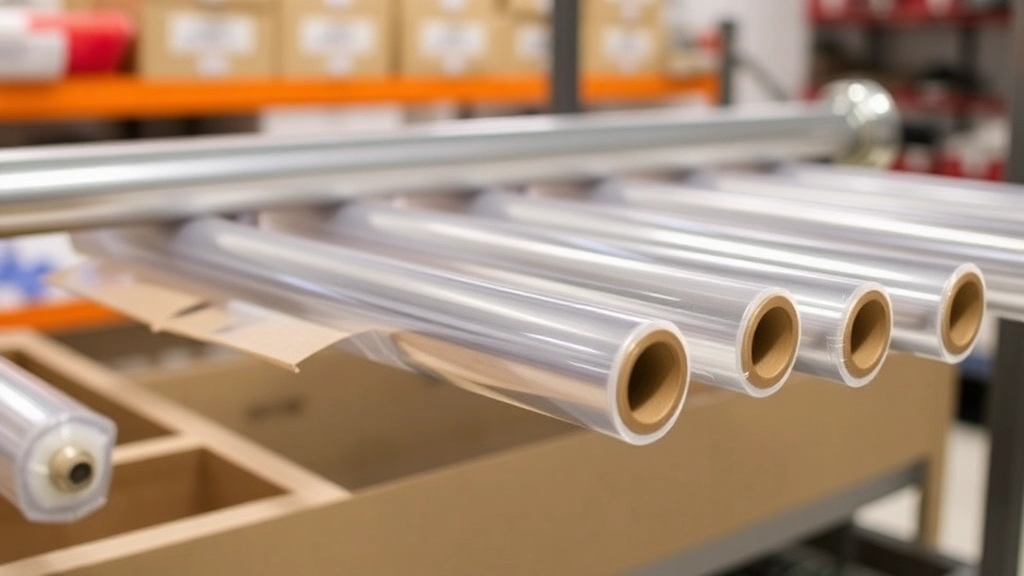
In the realm of B2B food-grade plastic wrap, the shift towards custom-sized cling film rolls has proven to be a game-changer for businesses aiming to minimize waste and enhance operational efficiency. Traditional non-commercial plastic wrap alternatives often come in standard sizes that do not cater to the specific needs of industrial applications, leading to excess material waste and increased costs.
Understanding the Waste Challenge
Many businesses face significant challenges when using standard cling film. The inability to find the right size often results in:
| Issue | Impact |
|---|---|
| Excess Material Waste | Increased disposal costs and environmental impact |
| Increased Labor Time | More time spent cutting and adjusting film |
| Higher Packaging Costs | Over-purchasing of cling film to meet size requirements |
Benefits of Custom-Sized Cling Film Rolls
By opting for customizable plastic wrap dimensions, businesses can significantly reduce waste. The tailored approach allows for:
- Optimized Material Usage: Custom sizes ensure that every roll is utilized fully, minimizing excess.
- Cost Efficiency: Bulk purchase plastic wrap for businesses can lead to lower per-unit costs, especially when tailored to specific needs.
- Enhanced Food Safety: Utilizing antimicrobial plastic wrap technology in custom sizes can further protect food products, reducing spoilage and waste.
Real-World Application
A leading food processing company recently transitioned to using custom-sized cling film rolls. The results were remarkable:
| Metric | Before Customization | After Customization |
|---|---|---|
| Material Waste (lbs/week) | 150 | 30 |
| Labor Time (hours/week) | 20 | 5 |
| Annual Packaging Costs | $50,000 | $30,000 |
This case illustrates the effectiveness of heavy-duty food packaging film tailored to specific dimensions, showcasing how businesses can leverage eco-friendly food preservation solutions while also achieving significant cost savings.
Conclusion
As the industry continues to evolve, the adoption of custom-sized cling film rolls represents a forward-thinking approach to waste reduction and operational efficiency. Companies that embrace this innovation are not only improving their bottom line but also contributing to a more sustainable future.
Future Trends: Biodegradable Films Reshaping the Packaging Industry
As the demand for eco-friendly food preservation solutions continues to rise, the packaging industry is witnessing a significant shift towards biodegradable films. These innovative materials are not only reducing the environmental impact of packaging but also offering businesses a sustainable alternative to traditional options. The integration of industrial-strength cling film with biodegradable properties is becoming a game-changer for companies looking to enhance their sustainability credentials.
Advancements in Biodegradable Film Technology
Recent advancements in biodegradable film technology have led to the development of heavy-duty food packaging film that maintains the durability and flexibility required for industrial applications. These films are designed to break down naturally, minimizing waste and supporting a circular economy. By choosing cost-effective cling film suppliers that offer biodegradable options, businesses can align their operations with environmental goals without compromising on quality.
Benefits of Biodegradable Films for Businesses
For businesses, the shift to biodegradable films offers several advantages. Not only do these films help in reducing the carbon footprint, but they also provide a competitive edge in the market. Companies can leverage sustainable cling film certifications to enhance their brand image and appeal to environmentally conscious consumers. Additionally, the availability of customizable plastic wrap dimensions ensures that businesses can meet specific packaging needs efficiently.
Challenges and Considerations
While the benefits are clear, there are challenges that businesses must consider when transitioning to biodegradable films. The initial cost may be higher compared to non-commercial plastic wrap alternatives, but the long-term savings in waste management and environmental impact can offset these expenses. It is crucial for businesses to evaluate their specific needs and work with suppliers who can provide bulk purchase plastic wrap for businesses that meets both performance and sustainability criteria.
The Role of Antimicrobial and Smart Technologies
Incorporating antimicrobial plastic wrap technology into biodegradable films is another emerging trend. This integration not only enhances food safety but also extends the shelf life of products, reducing waste. Furthermore, the development of smart dispensing systems for professional-grade wrap is streamlining operations and improving efficiency in packaging processes.
As the industry continues to evolve, the focus on biodegradable films is set to reshape the packaging landscape, offering businesses a path towards more sustainable and responsible practices.
5 Critical Mistakes Businesses Make When Purchasing Cling Wrap
1. Overlooking the Importance of Food-Grade Certification
One of the most common mistakes businesses make is not verifying the food-grade certification of their plastic wrap. Industrial-strength cling film must meet specific safety standards to ensure it is safe for direct contact with food. Without proper certification, you risk compromising food safety, which can lead to regulatory issues and damage to your brand’s reputation.
2. Choosing Non-Commercial Plastic Wrap Alternatives
Businesses often opt for consumer-grade wraps due to their lower upfront cost. However, these wraps may not withstand the demands of commercial environments. Heavy-duty food packaging film is designed for durability and reliability, ensuring your products are securely wrapped and preserved. Investing in professional-grade solutions can save money in the long term by reducing waste and spoilage.
3. Ignoring Eco-Friendly Food Preservation Solutions
With increasing environmental concerns, selecting sustainable cling film certifications is crucial. Many businesses fail to consider the environmental impact of their packaging choices. Opting for biodegradable films not only supports sustainability efforts but also appeals to eco-conscious consumers, enhancing your brand’s image.
4. Failing to Consider Customizable Plastic Wrap Dimensions
Using standard-sized wraps can lead to unnecessary waste and inefficiency. Businesses should explore options for customizable plastic wrap dimensions to better suit their specific needs. This approach not only reduces waste but also optimizes the wrapping process, saving time and resources.
5. Neglecting Antimicrobial Plastic Wrap Technology
In today’s market, food safety is paramount. Many businesses overlook the benefits of antimicrobial plastic wrap technology, which can significantly enhance food preservation and safety. Incorporating this technology helps prevent contamination and extends the shelf life of perishable goods, offering a competitive edge.
| Common Mistake | Impact |
|---|---|
| Overlooking Food-Grade Certification | Compromised food safety, regulatory issues |
| Choosing Non-Commercial Alternatives | Increased waste, reduced durability |
| Ignoring Eco-Friendly Solutions | Negative environmental impact, missed branding opportunities |
| Failing to Customize Dimensions | Increased waste, inefficiency |
| Neglecting Antimicrobial Technology | Decreased food safety, shorter shelf life |
Integrating Smart Dispensing Systems with Professional-Grade Wrap
In today’s fast-paced food service and manufacturing environments, efficiency and quality are paramount. The integration of smart dispensing systems with professional-grade B2B food-grade plastic wrap has emerged as a transformative approach to streamline operations while ensuring product integrity. These systems not only enhance usability but also contribute to significant cost savings and waste reduction.
Enhancing Efficiency with Smart Dispensing Solutions
Smart dispensing systems are designed to simplify the application of industrial-strength cling film. These systems allow users to dispense the exact amount needed without excess, which minimizes waste. By adopting customizable plastic wrap dimensions, businesses can further enhance efficiency, ensuring that every roll is tailored to specific operational needs. This customization reduces the reliance on non-commercial plastic wrap alternatives, which often fail to meet the rigorous demands of industrial applications.
Cost Savings Through Bulk Purchases
Utilizing bulk purchase plastic wrap for businesses in conjunction with smart dispensing systems can lead to substantial cost reductions. By purchasing in larger quantities, companies can take advantage of bulk pricing from cost-effective cling film suppliers. This strategy not only lowers the per-unit cost but also ensures that businesses have an ample supply of heavy-duty food packaging film readily available, minimizing downtime and interruptions in production.
Promoting Food Safety with Advanced Technologies
Integrating antimicrobial plastic wrap technology into dispensing systems can elevate food safety standards. These advanced wraps provide an additional layer of protection against microbial contamination, which is essential for businesses handling perishable goods. By combining smart dispensing with these innovative wrap solutions, companies can optimize food safety while reducing the risk of spoilage.
Environmental Considerations
As sustainability becomes increasingly important, many businesses are seeking eco-friendly food preservation solutions. Smart dispensing systems can be paired with sustainable cling film certifications, ensuring that the materials used are environmentally responsible. This alignment not only meets customer demand for greener practices but also enhances the overall brand reputation.
Conclusion
In conclusion, the integration of smart dispensing systems with professional-grade B2B food-grade plastic wrap is a strategic move for businesses looking to improve efficiency, reduce costs, and enhance food safety. By leveraging advanced technologies and sustainable practices, companies can position themselves to thrive in an increasingly competitive market.
| Feature | Benefit |
|---|---|
| Smart Dispensing Systems | Minimizes waste and enhances operational efficiency |
| Bulk Purchase Options | Reduces per-unit costs and ensures supply availability |
| Antimicrobial Technology | Enhances food safety and minimizes spoilage risks |
| Sustainable Certifications | Aligns with consumer demand for eco-friendly practices |
FAQs on B2B Food-Grade Plastic Wrap
What makes B2B food-grade plastic wrap superior to consumer brands?
B2B food-grade plastic wrap is designed for industrial-strength applications, offering enhanced durability, customization, and food safety features that consumer brands typically lack. These wraps are tailored for high-volume environments, providing better puncture resistance and antimicrobial properties.
How does customization benefit businesses using B2B plastic wrap?
Customization allows businesses to select specific dimensions and thicknesses for their wraps, optimizing packaging efficiency and reducing waste. This flexibility is crucial for companies with diverse product sizes, ensuring secure and efficient wrapping.
Why is antimicrobial technology important in food-grade wraps?
Antimicrobial technology helps prevent bacterial growth, extending the shelf life of perishable goods and enhancing food safety. This feature is essential for maintaining hygiene standards in the food industry.
Are there cost benefits to using B2B food-grade plastic wrap?
Yes, while the initial investment may be higher, B2B wraps offer long-term savings through bulk purchase options and reduced waste due to their durability. These factors contribute to lower overall packaging costs.
What sustainability options are available with B2B wraps?
Many B2B wraps come with sustainable cling film certifications, offering eco-friendly solutions that align with consumer demand for green practices. These options help businesses reduce their environmental impact.
What are the hidden costs of using low-quality commercial plastic wrap?
Low-quality wraps can lead to increased waste, higher labor costs, and food safety risks due to frequent breakage and poor adhesion. Investing in high-quality wraps ensures better protection and compliance with safety standards.
How can businesses optimize food safety with antimicrobial wrap solutions?
By using wraps with antimicrobial properties, businesses can significantly reduce contamination risks and extend product shelf life. Partnering with reliable suppliers ensures access to advanced wrap technologies.
What are the benefits of using custom-sized cling film rolls?
Custom-sized rolls minimize waste and enhance operational efficiency by ensuring optimal material usage. This approach reduces costs and improves food safety by providing tailored solutions for specific packaging needs.
How are biodegradable films reshaping the packaging industry?
Biodegradable films offer a sustainable alternative to traditional wraps, reducing environmental impact. These films maintain the necessary durability for industrial use while supporting businesses’ sustainability goals.
What mistakes should businesses avoid when purchasing cling wrap?
Common mistakes include overlooking food-grade certification, choosing non-commercial alternatives, ignoring eco-friendly options, failing to customize dimensions, and neglecting antimicrobial technology. Avoiding these pitfalls ensures better safety and efficiency.
How do smart dispensing systems enhance the use of professional-grade wrap?
Smart dispensing systems improve efficiency by minimizing waste and ensuring precise application. When combined with bulk purchase options and antimicrobial technology, they offer significant cost savings and enhanced food safety.
🚀 Ready to Elevate Your Food Packaging Strategy?
Upgrade to B2B Food-Grade Plastic Wrap with antimicrobial protection, industrial-strength durability, and eco-friendly certifications.
✅ Why Choose Us?
• Customizable Dimensions: Reduce waste with tailored solutions.
• Bulk Savings: Lower costs with high-volume discounts.
• Certified Safety: Meet strict hygiene and sustainability standards.
📩 Contact Us Today!
👉 Request a Free Sample
👉 Get a Custom Quote
References
- Durability and Strength: Industrial-strength cling film durability
- Antimicrobial Plastic Wrap Technology: Enhancing food safety with antimicrobial technology
- Eco-Friendly Food Preservation Solutions: Sustainable cling film certifications