
















What Are Preservative Films
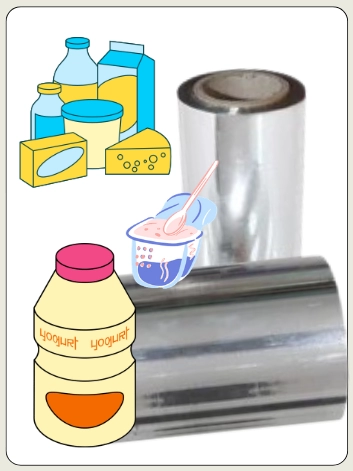
Preservative films are specialized packaging materials designed to protect products—especially perishable goods—by slowing down natural spoilage processes and extending their usable life. These films act as a protective barrier against environmental factors like oxygen, moisture, light, and contaminants, which are the main culprits behind food and product deterioration.
Types of Preservative Films
Different products require different levels of protection, so preservative films come in various material options, including:
- PVC (Polyvinyl Chloride) Films – Flexible and transparent, ideal for wrapping fresh produce, meat, and bakery products.
- PE (Polyethylene) Films – Lightweight and cost-effective, commonly used for bulk food storage and transport.
- Biodegradable Films – Made from plant-based or compostable materials, perfect for eco-conscious businesses seeking sustainable packaging.
- Multi-layer Barrier Films – Combine different materials to enhance oxygen and moisture resistance for maximum shelf life.
Materials and Technology Behind Preservative Films
Modern preservative films are developed with advanced food preservation technology, integrating high-performance polymers and coating techniques to achieve:
- Oxygen Barrier Protection – Slows oxidative spoilage.
- Moisture Control – Prevents dehydration or condensation.
- Antimicrobial Properties – Reduces bacterial growth for better hygiene.
- Temperature Resistance – Maintains integrity during refrigeration or freezing.
Some cutting-edge films feature active and intelligent packaging systems, such as films that release natural preservatives or indicate freshness levels.
Environmental Considerations and Trends
The market is quickly shifting toward eco-friendly preservative film options due to growing awareness of environmental impact. Innovations include:
- Biodegradable Food Wrap Film made from corn starch, cellulose, or PLA (polylactic acid).
- Recyclable Materials to reduce landfill waste from single-use packaging.
- Thinner, High-Strength Films that use less raw material without sacrificing durability.
- Plant-Based Oxygen Barrier Films that replace petroleum-based layers.
These evolving trends allow businesses to meet consumer demand for sustainable, food-grade preservative films while maintaining performance standards.
Top Benefits of Using Preservative Films
Extend Shelf Life
Preservative films work by slowing down moisture loss and blocking oxygen, two main causes of spoilage. For fresh produce, meats, or baked goods, this means more days of freshness without sacrificing taste or texture. For grocery stores, restaurants, and distributors in the U.S., this can mean fewer expired items on the shelves and a longer selling window.
Maintain Quality and Appearance
Films act as a protective barrier against moisture, oxygen, dust, and handling damage. This helps products keep their original color, firmness, and flavor for longer. Whether it’s keeping strawberries vibrant and juicy or bread soft and fresh, maintaining that “just-packed” look is easier with the right film.
Reduce Food Waste
Extending shelf life directly cuts down on food waste—a big win for both the environment and your bottom line. With spoilage pushed back, U.S. retailers and foodservice businesses save money and reduce landfill waste, aligning with sustainability goals.
Improve Transportation and Storage
High-quality preservative films are durable and flexible, making them ideal for long-haul shipping and varied storage environments. Products can handle stacking, temperature swings, and cross-country transit with less risk of damage, which is key for large-scale suppliers and exporters.
Cost Effectiveness
Compared to costly refrigeration upgrades or chemical preservatives, films are a more affordable preservation method. They work with standard packaging equipment, reducing extra investment and improving return on packaging spend.
Customizable Solutions
Preservative films come in different thicknesses, barrier levels, and roll sizes to match your product needs. This means fresh herbs, frozen seafood, cheeses, and even electronics can each have a tailored protective wrap for maximum effectiveness.
| Feature | Options Available | Best Use Case |
|---|---|---|
| Thickness | Light, medium, heavy | Produce, meat, industrial goods |
| Barrier Properties | High oxygen barrier, moisture block, UV | Perishables, dairy, light-sensitive goods |
| Sizes | Various widths, customizable rolls | Retail packs, bulk shipping |
Eco Friendly Options
Newer films include biodegradable and recyclable choices that still protect products well. U.S. businesses looking to meet green packaging standards can now use eco-friendly preservative film options without giving up shelf life or durability.
How Preservative Films Work
Preservative films may seem simple, but there’s some solid science behind why they keep food and other goods fresher for longer. The way they’re made and the materials used directly impact how well they slow spoilage, guard against contaminants, and maintain product quality.
Oxygen and Moisture Barrier Properties
One of the main jobs of a preservative film is to block oxygen and moisture.
- Oxygen speeds up food spoilage, browning, and nutrient loss. By cutting how much oxygen reaches the product, these films help slow natural degradation.
- Moisture control keeps dry foods from absorbing humidity and fresh foods from losing water too fast, which can cause wilting or texture changes.
Barrier strength varies by film type. For example:
| Film Type | Oxygen Barrier | Moisture Barrier | Common Use |
|———————-|—————|——————|———————————————–|
| PVC Wrap | Medium | Good | Fresh produce, deli meats |
| PE Film | Low | Excellent | Frozen foods, beverage overwrap |
| Multi-layer Barrier | High | High | Meats, dairy, high-value packaged goods |
Interaction with Food Respiration and Microbial Control
Fresh produce continues to “breathe” after harvest, releasing CO₂ and consuming oxygen. Preservative films with the right permeability balance let just enough air in and out to prevent premature spoilage—without trapping excessive moisture that encourages mold.
For perishable proteins like meat and seafood, microbial growth is the bigger threat. Certain films contain naturally derived or food-safe antimicrobial agents that disrupt bacterial or fungal growth on the product surface.
Innovations in Antimicrobial and Active Preservative Films
The latest food preservation packaging solutions are going beyond simple wrapping:
- Antimicrobial films: Infused with substances like silver ions, organic acids, or plant extracts to slow harmful microbe growth.
- Active films: Release or absorb certain compounds—like emitting antioxidants or capturing oxygen—to directly influence freshness.
- Eco-friendly preservative film options: New biodegradable and compostable films can still offer solid barrier performance without adding to landfill waste.
By combining oxygen barrier film technology, moisture management, and anti-microbial packaging films, preservative films are becoming smarter, safer, and friendlier to the environment while keeping products fresher for longer.
Applications of Preservative Films in Different Industries
Preservative films are widely used across industries where product freshness, safety, and shelf life matter. Their ability to block moisture, oxygen, and contaminants makes them a go-to solution in both food and non-food sectors.
Food Industry Applications
In the U.S., the food sector is the largest user of food-grade preservative films because of strict safety standards and the high demand for fresh products. Common uses include:
- Fresh produce – Keeps fruits and vegetables crisp by slowing down moisture loss and oxidation.
- Meat and poultry – Prevents bacterial growth and discoloration while maintaining juiciness.
- Dairy products – Protects cheese, milk powder, and yogurt from contamination and spoilage.
- Bakery items – Maintains softness and flavor while preventing mold.
With American consumers expecting both freshness and convenience, grocery chains, meal prep companies, and farmers’ markets rely heavily on extend shelf life packaging materials.
Pharmaceutical and Healthcare Packaging
For the pharma and healthcare industry, preservative films provide extra protection against moisture and airborne contaminants. Typical uses include:
- Pill blister packs with oxygen barrier layers to ensure potency.
- Sterile wraps and pouches for surgical instruments and medical devices.
- Temperature-sensitive medications requiring safe storage during transport.
Electronics and Consumer Goods Packaging
Electronics and certain consumer goods benefit from moisture and oxygen barrier films to prevent corrosion, oxidation, or dust intrusion. Examples:
- Microchip and circuit board packaging to avoid moisture damage during storage and shipping.
- High-end electronics requiring scratch resistance and dust protection.
- Collectibles and valuable consumer goods preserved in protective films to maintain quality.
Why Industries Choose Preservative Films
Across all sectors, preservative films are chosen for their ability to:
- Reduce product loss and waste during distribution.
- Maintain brand image by keeping products in top condition for longer.
- Support compliance with U.S. food safety and packaging regulations.
- Lower logistics costs by reducing spoilage and handling damage.
- Offer customizable solutions in thickness, strength, and barrier properties to match exact needs.
Here’s a quick look at common applications:
| Industry | Main Applications | Key Benefits |
|---|---|---|
| Food | Produce, meat, dairy, bakery | Freshness, safety, longer shelf life |
| Pharma/Healthcare | Blister packs, sterile wraps, pouches | Potency retention, contamination prevention |
| Electronics | Circuit boards, devices, precision parts | Moisture/dust protection, damage prevention |
| Consumer Goods | Collectibles, premium items | Maintain quality, prevent deterioration |
Choosing the Right Preservative Film for Your Needs
When it comes to picking the right preservative film, the choice depends on more than just appearance. In the U.S. market, where food safety, shelf life, and transport conditions are closely monitored, it’s important to match the film’s properties to the exact needs of your product and supply chain.
Key Factors to Consider
- Product Type – Fresh produce, meat, seafood, dairy, bakery, or non-food products each have different preservation needs. For example, meat packaging often requires high oxygen barrier films, while fresh produce might need breathable films to manage moisture and natural respiration.
- Shelf Life Requirements – If your goal is short-term freshness for deli wraps or long-term protection for export goods, the barrier level and film material will differ.
- Transportation and Storage Environment – Consider exposure to high humidity, temperature swings, or long-distance shipping. Films for cold-chain transport need durability and flexibility even in freezing conditions.
- Regulatory Compliance – In the U.S., it’s critical that food-grade preservative films meet FDA compliance for direct food contact and align with industry safety standards.
Artfullife Preservative Film Solutions
As a wholesale preservative film supplier in China, Artfullife offers a full spectrum of options tailored for U.S. distributors, food processors, and packaging companies:
- Material Options: PVC, PE, and biodegradable food wrap films designed for both high-barrier and breathable applications.
- Custom Sizes and Thicknesses: From thin cling film for retail to heavy-duty pallet wraps for bulk transport.
- Special Features: Anti-microbial films, eco-friendly biodegradable films, and oxygen barrier films for extended shelf life.
- Branding and Packaging Support: Custom printed rolls or private label packaging for wholesale or retail.
Safety and Quality Standards
- FDA-Approved Materials – All food-contact films meet U.S. food safety and preservation technology requirements.
- Quality Control – Every batch is tested for barrier performance, tensile strength, and clarity.
- Sustainability Compliance – Options for recyclable and compostable films align with growing U.S. demand for eco-friendly packaging solutions.
Tip: Always match the film’s barrier level to your product’s natural spoilage rate. The right fit can significantly extend shelf life, cut food waste, and ensure smooth transport from producer to consumer.
Why Partner with Artfullife for Wholesale Preservative Films
Company Overview and Manufacturing Capabilities in China
Artfullife is a leading wholesale preservative film supplier with a modern manufacturing base in China. We produce a wide range of food-grade preservative films, including PVC, PE, and biodegradable options, tailored for multiple industries in the United States. Our factory is equipped with high-speed extrusion lines, precision coating machinery, and quality testing labs, ensuring every roll meets strict performance standards. This level of control allows us to handle large-scale orders while still meeting custom project requirements.
Quality Assurance and Industry Certifications
We follow strict quality control steps from raw material selection to final inspection. Our products comply with FDA food contact standards, ISO quality management systems, and other international safety certifications. Each batch undergoes oxygen permeability, moisture barrier, and tensile strength testing to ensure consistency. This means you can count on stable, reliable food preservation performance without worrying about regulatory compliance in the U.S. market.
Competitive Pricing and Flexible Ordering
We help U.S. distributors and food processors cut costs without sacrificing quality. Our direct-from-factory pricing avoids middleman mark-ups, and bulk order discounts make large-scale supply economical. For businesses needing flexibility, we offer:
- Custom roll widths and thickness to fit different packaging machines
- Private labeling for retail or branded use
- Flexible MOQs (Minimum Order Quantities) to suit both large and medium-sized buyers
- Fast lead times with sea or air freight options
Real Customer Results and Testimonials
Many U.S. partners — from fresh produce packers to bakery brands — have switched to Artfullife’s preservative films for their longer shelf life, better product appearance, and reduced waste rates. Case studies show:
- Meat processors cut spoilage by 25% during interstate shipping
- Farmers’ cooperatives extended produce freshness by 3–5 days in retail displays
- Bakery chains reported fewer returns due to staleness
Our goal isn’t just to sell film — it’s to help you keep products fresh, lower waste, and boost profit margins.
How to Properly Use and Store Preservative Films
Best Practices for Applying Preservative Films
Using preservative films the right way ensures maximum shelf life and product protection. Whether it’s food preservation packaging, pharmaceutical items, or electronics, proper application makes all the difference.
Here are some best practices:
- Work on a clean surface – Make sure products are free of dirt, moisture, or grease before wrapping.
- Choose the right film type – Match the film’s thickness, barrier properties, and breathability to the product’s needs.
- Avoid overstretching – Stretching too much can weaken the barrier and cause tearing.
- Seal edges properly – Ensure tight seals to keep out oxygen, moisture, and contaminants.
- Use proper tools – A good heat sealer or wrapping machine improves efficiency and ensures consistent application.
Storage Conditions to Maintain Film Integrity
Even the best preservative films can lose effectiveness if stored the wrong way. To keep their oxygen and moisture barrier properties intact:
- Store in a cool, dry place – Temperatures between 60–75°F work best.
- Avoid direct sunlight – UV light can damage plastics and biodegradable films.
- Keep away from strong odors – Films can absorb smells from chemicals or stored goods nearby.
- Protect from physical damage – Store rolls upright or on racks to prevent deformation.
- Rotate stock regularly – First in, first out (FIFO) prevents older film from sitting too long.
Troubleshooting Common Issues
If you notice issues during use, check these common causes:
| Issue | Possible Cause | Quick Fix |
|---|---|---|
| Film tearing easily | Film overstretched or stored in heat | Adjust wrapping tension, store cooler |
| Poor sealing | Sealer temperature too low | Increase heat setting gradually |
| Condensation under film | Wrapping hot or moist products | Let items cool/dry before wrapping |
| Loss of cling | Film exposed to dust or moisture | Wipe down before use, store properly |
| Inconsistent wrap | Wrong film thickness | Match film gauge to product weight |
Following these steps helps you get the full benefits of food-grade preservative films, reduces waste, and ensures your products look great on the shelf or during transport.