
















Can you safely toss aluminum foil in the microwave to reheat leftovers? The short answer is: not without risks. Aluminum foil can reflect microwaves, sometimes leading to sparks or even fire hazards. At Artfullife, we’ve created this guide to help you understand the science behind it, the do’s and don’ts of using foil, and the safest alternatives for your kitchen. With over 18 years of experience in kitchen supply manufacturing, we understand the importance of microwave safety in commercial and residential kitchens.
How Microwaves Work and Why Aluminum Foil Poses Risks
Microwaves cook food by using radio waves to excite water molecules inside the food. These waves cause the water molecules to vibrate, producing heat that cooks the food evenly and quickly. This method depends heavily on the food’s water content to absorb the microwave energy safely.
When it comes to metals like aluminum foil, things get tricky. Metals reflect microwaves instead of absorbing them, which can cause the waves to bounce around inside the microwave. This reflection sometimes leads to sparks, also known as arcing, and in severe cases, can ignite a fire. According to Consumer Reports’ Chief Scientific Officer Dr. James Dickerson, “Metal shouldn’t be microwaved because it could cause arcing (sparks inside the microwave) and potentially even a fire” Consumer Reports. This isn’t just a small risk—it can lead to damage to your microwave appliance, uneven cooking, and even dangerous fire hazards.
Using aluminum foil improperly in a microwave can cause:
- Sparks that may damage the microwave’s interior
- Uneven heating or cold spots in your food
- Potential fires or smoke inside the microwave
- Expensive microwave repairs or replacement costs
Understanding these risks helps explain why most microwave safety tips strongly advise against putting regular aluminum foil inside your microwave without following strict guidelines.
Is It Ever Safe to Use Aluminum Foil in the Microwave
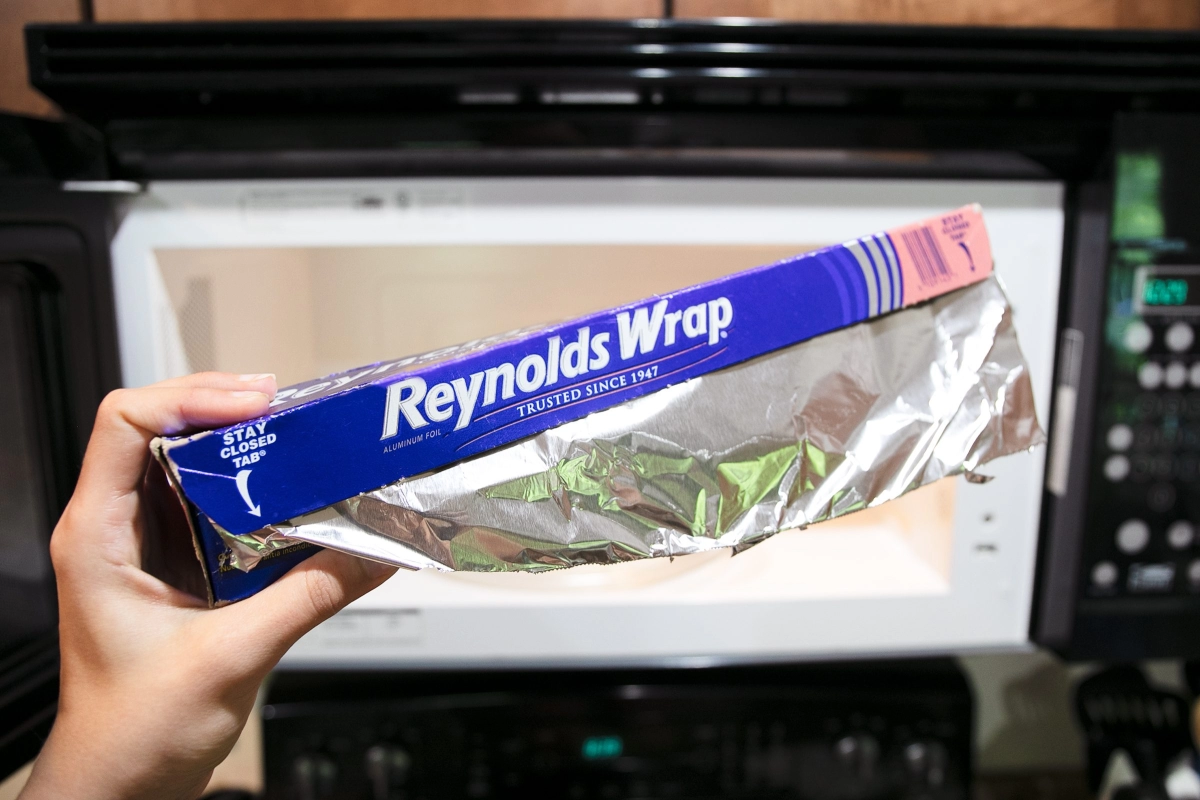
While the general advice is to avoid aluminum foil in microwaves, there are limited situations where it can be used safely, according to USDA guidelines and many manufacturer recommendations. The USDA Food Safety and Inspection Service states that “it can be safe to use small amounts of aluminum foil in a microwave oven” when following specific guidelines USDA – FSIS. These rules aim to prevent sparks, uneven cooking, and appliance damage while allowing some controlled use.
Conditions for Safe Use of Aluminum Foil in Microwaves
To safely use aluminum foil in your microwave, follow these important guidelines:
- Use only smooth, new foil: Wrinkled or crumpled foil increases the risk of sparks.
- Cover no more than 25% of the food surface: Small patches can be used to shield parts of the food from overheating, like bone or thin areas. The USDA specifically recommends that aluminum foil “cover no more than one quarter of a food object” USDA Guidelines.
- Keep foil at least 1 inch away from microwave walls: This spacing prevents electrical arcs between the foil and the microwave interior.
- Avoid contact with metal racks or turntable: Any metal touching foil or near it can cause sparks or fire.
Following these points can reduce the microwave dangers of aluminum foil but still requires careful attention.
When to Avoid Aluminum Foil Entirely in Microwaves
There are times when foils should not be used at all:
- Convection microwaves with metal components: These appliances combine microwave and oven features. The metal parts inside can cause dangerous sparks or fires if foil is added.
- Microwaves with metal racks or special coatings: Some models are more sensitive to metals.
- Large or fully covered foil wraps: These block microwaves, leading to uneven cooking or overheating.
- When using older microwave models: Older units may have less sophisticated safety features.
In these cases, it’s best to stick with microwave-safe containers and avoid the risk altogether.
By following these guidelines, you can use aluminum foil safely in your microwave—but only in very controlled situations. When in doubt, choose safer alternatives to prevent accidents and keep your kitchen safe.
Common Mistakes to Avoid with Aluminum Foil in Microwaves
When using aluminum foil in your microwave, some common mistakes can lead to sparks and even fires. These mishaps not only damage your appliance but can ruin your food and create safety hazards.
Wrinkled or Crumpled Foil Sparks Danger
Many people think scrunching up foil is harmless, but wrinkled or crumpled aluminum foil reflects microwaves unevenly, causing sparks that might ignite a fire. The irregular surfaces create multiple reflection points that can concentrate microwave energy, leading to electrical discharge. Always use smooth, flat foil if you need to use it at all.
Covering Food Completely Blocks Heat
Covering your entire dish with aluminum foil might seem like a good idea, but it stops microwaves from reaching the food, resulting in uneven or cold spots. Don’t enclose your food fully with foil in the microwave—this prevents proper heating and can cause the microwave to work harder, potentially damaging the magnetron.
Foil Too Close to Microwave Walls or Metal Surfaces
Placing foil near the microwave’s walls, ceiling, or metal racks increases the risk of sparks. The FDA’s microwave safety standards require proper spacing to prevent arcing FDA Microwave Safety. Keep foil at least one inch away from any metal parts inside the microwave, including turntables and racks.
Real Life Cases of Foil Mishaps
There have been plenty of reports of microwaves catching fire or sparking because of careless foil use. Consumer Reports has documented cases where wrinkled foil caused dangerous sparks and arcing inside microwaves, sometimes leading to expensive repairs or complete appliance replacement Consumer Reports Microwave Safety. For example, foil touching the oven walls or being crumpled led to tiny fires and smoke damage, sometimes even causing people to stop using their microwaves out of fear.
Professional kitchen managers report that foil-related microwave incidents are among the top causes of equipment downtime in commercial food service operations.
Avoid these mistakes to make sure using aluminum foil in the microwave doesn’t harm your home or your appliances. Stick to smooth foil, use sparingly, and keep foil away from microwave walls and metal parts to reduce risks.
Best Alternatives to Aluminum Foil for Microwave Cooking
When it comes to microwave safety, choosing the right materials is key. Using aluminum foil in microwaves can cause sparks and fires, so it’s better to switch to safer options that heat food evenly without risk.
Best Microwave Safe Materials
Glass and Ceramic Dishes: Use ones without metallic trim. They’re durable and heat food evenly without any fire hazards. Borosilicate glass containers are particularly recommended for their thermal shock resistance.
Parchment Paper and Wax Paper: Great for covering food or wrapping snacks to prevent splatters. Both are microwave-friendly and easy to use. Note that wax paper should only be used for short heating periods to prevent melting.
Microwave Safe Plastic Containers: Always check for the microwave-safe label before using. These containers are designed to withstand microwave heat without warping or releasing harmful chemicals. Look for containers marked with FDA-approved microwave-safe symbols.
Sugarcane-Based Containers: For an eco-friendly option, sugarcane fiber containers are biodegradable and safe for microwaving, perfect for sustainability-conscious households.
Why Choose Non-Metal Alternatives
- They promote even heating by allowing microwaves to penetrate and heat food fully.
- There’s zero fire risk, unlike aluminum foil which can spark if misused.
- They’re often reusable or biodegradable, making them cost-effective and Earth-friendly choices.
- Better food safety through proper heat distribution.
Artfullife Microwave Safe Products
At Artfullife, we offer a wide range of microwave safe containers and wraps designed for convenient, worry-free cooking. Our products are:
- Durable and affordable
- Made from eco-friendly materials
- Tested for safety to prevent microwave hazards
- FDA-approved for food contact safety
- Perfect for both residential and commercial kitchen applications
For premium food storage solutions, explore our Food Storage Containers and Eco-Friendly Kitchen Supplies.
Choosing Artfullife’s containers means you can skip the risks that come with aluminum foil and enjoy hassle-free meals every time.
Switching to these safe alternatives helps you protect your microwave, your kitchen, and your family — all while enjoying perfectly heated food.
When to Use Aluminum Foil in Other Appliances
While aluminum foil is risky in microwaves, it’s safe and effective in other kitchen appliances like conventional ovens. Here’s how to use it properly for the best results and safety:
Aluminum Foil Use in Conventional Ovens
Lining trays or baking sheets: Aluminum foil is great for lining pans to catch drips and make cleanup easier.
Wrapping food: Wrapping meats, veggies, or casseroles in foil helps retain moisture and heat evenly.
Covering dishes: Use foil to cover food in the oven to prevent over-browning or drying out.
Artfullife’s heavy duty aluminum foil is specifically engineered for high-temperature applications — it’s sturdy, tears less, and holds up well even at temperatures up to 400°F (204°C), making it a reliable kitchen staple for professional and home kitchens worldwide.
Precautions for Air Fryers and Toaster Ovens
Air fryer and toaster oven usage requires special attention:
- Avoid foil touching heating elements or the sides of the air fryer or toaster oven to prevent sparks or fires.
- Use foil only in ways recommended by appliance manufacturers — mostly as a small liner on the basket or tray where airflow won’t be blocked.
- Check your air fryer model guidelines; some don’t allow foil at all for safety reasons.
- Never block air circulation – proper airflow is essential for even cooking in air fryers.
Why Choose Artfullife Foil for Oven Use
Durability: Heavy duty foil resists tearing and handles heat well up to professional oven temperatures.
Versatility: Perfect for roasting, baking, and grilling applications.
Trusted quality: Meets international kitchen safety standards and supports safe cooking practices.
Professional Grade: Used by commercial kitchens and food service operations worldwide.
For more information about our aluminum foil products, visit our Kitchen Cleaning Supplies section.
In short, aluminum foil is a safe and useful kitchen tool outside the microwave when used properly, especially with trusted products like Artfullife’s heavy duty foil. Just remember to follow appliance-specific safety tips to avoid hazards.
Tips for Choosing Microwave Safe Products from Artfullife
When it comes to microwave safe containers, picking the right products makes all the difference. At Artfullife, you get durable, eco-friendly, and affordable options designed specifically for safe microwave cooking. Here’s what sets Artfullife apart and how you can easily spot the best microwave-friendly kitchen supplies:
Features of Artfullife Microwave Safe Containers
Durability: Made from high-quality materials that withstand repeated microwave use without warping or breaking. Our containers are tested to withstand temperature variations from -40°F to 250°F (-40°C to 121°C).
Eco-Friendly: Many Artfullife products use sustainable, recyclable materials, perfect for customers who want to reduce waste. All our materials are BPA-free and meet FDA food contact standards.
Affordable: Balanced pricing means you get reliable, safe containers without overspending.
Versatile Designs: Containers come in various sizes and shapes to fit all your meal prep and storage needs. Perfect for restaurants, cafeterias, and commercial food service operations.
How to Check for Microwave Safe Labels on Packaging
- Look for clear microwave safe markings or symbols on the container or packaging.
- Avoid products with metallic trims or parts, which can cause sparks or damage.
- Check product descriptions or reviews online if you’re unsure.
- When in doubt, choose well-known brands like Artfullife that specialize in microwave safe supplies.
- Look for FDA compliance markings and temperature resistance ratings.
Why Artfullife is Your Go-To for Safe High Quality Kitchen Supplies
Choosing Artfullife ensures peace of mind with kitchen products designed for safe, efficient microwave cooking. Our rigorous quality checks meet international safety standards, so you avoid risks like uneven heating, sparks, or plastic contamination. Plus, the wide selection means you can find exactly what you need, from containers to wraps, all guaranteed microwave friendly.
For commercial buyers, our products offer:
- Consistent quality for high-volume operations
- Bulk ordering options with flexible MOQ
- 18+ years of manufacturing expertise
- Global shipping and reliable supply chain
Explore Artfullife’s Range of Microwave Safe Products for Worry-Free Cooking
For hassle-free, safe microwaving, explore Artfullife’s carefully curated collection of microwave safe containers and wraps. Whether you’re reheating leftovers, prepping meals, or packing lunches, these products protect your food, your microwave, and your kitchen.
Discover our complete range:
Check out Artfullife today and upgrade your kitchen with microwave-safe essentials designed for modern commercial and residential kitchens worldwide.
Frequently Asked Questions About Aluminum Foil in Microwave Safety
Can you microwave food in aluminum foil containers?
Generally, no. Most aluminum foil containers are not microwave safe because the metal can cause sparks, damage the microwave, or even start a fire. However, some manufacturers design special foil containers with limited microwave use in mind. The USDA advises checking packaging carefully and states that if foil containers are used, they should have “special microwave-safe designations” USDA FSIS Guidelines. Always check the packaging and follow USDA or manufacturer guidelines before using these in the microwave.
What happens if you accidentally microwave foil?
If you accidentally microwave aluminum foil, the most common result is sparking and arcing, which can damage your microwave or cause a fire hazard. If you see sparks:
- Stop the microwave immediately by pressing the stop button or opening the door
- Unplug the microwave to ensure complete shutdown
- Wait for sparks to stop before attempting to remove anything
- Remove the foil carefully once it’s safe, using tongs if necessary
- Inspect the microwave for damage before using again
Wrinkled or crumpled foil increases this risk significantly.
Are there microwave safe aluminum foil products?
Some aluminum foil products are made specifically for microwave use but they come with strict instructions, such as:
- Use smooth, flat sheets only
- Cover only small portions of food (no more than 25%)
- Keep foil at least an inch away from the microwave walls
- Never let it touch metal racks or turntables
Even then, it’s better to use alternative microwave-safe materials like Artfullife’s specialized microwave containers unless the product clearly states it’s safe.
What are the best substitutes for aluminum foil in the microwave?
To avoid microwave safety issues, here are some safe alternatives you can use instead of foil:
- Glass and ceramic dishes (without metallic trim)
- Parchment or wax paper (for short heating periods)
- Microwave-safe plastic containers (check labels for FDA approval)
- Eco-friendly sugarcane fiber containers
- Professional-grade microwave containers from Artfullife’s tested collection
These options heat food evenly, avoid sparks, and reduce fire hazards.
Still unsure what microwave-safe option works best for your needs? Explore Artfullife’s comprehensive microwave-safe container collection and cook with confidence every day.
Does the shiny or dull side of aluminum foil matter in the microwave?
When it comes to microwaving, the shiny or dull side of aluminum foil does not significantly affect microwave safety. Both sides have the same reflective properties for microwave energy. The key issues are the shape, coverage area, and positioning of the foil, not which side faces out. Always prioritize proper use guidelines over foil surface finish.
How can I tell if my microwave has been damaged by aluminum foil?
Signs of microwave damage from aluminum foil include:
- Burn marks or pitting on the interior walls
- Unusual noises during operation
- Uneven heating patterns in food
- Sparking even without metal present
- Burnt smell when operating
If you notice any of these signs, stop using the microwave and have it inspected by a qualified technician.
Can aluminum foil damage the magnetron in my microwave?
Yes, improper aluminum foil use can potentially damage the magnetron (the component that generates microwaves). Magnetron replacement typically costs $200-400, often making it more economical to replace the entire microwave. This is why following safety guidelines or avoiding foil entirely is so important.
Contact Artfullife for Professional Kitchen Solutions:
- Phone: +86 18976388854
- Email: info@ecoartfullife.com
- Address: No. 20, Nanshui Road, Lishui Town, Nanhai District, Foshan City
- Website: www.ecoartfullife.com
Verified Sources: