

















Understanding Cling Film Materials and Types
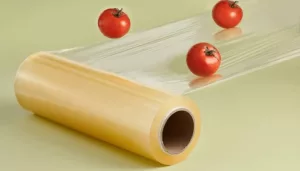
Choosing the right cling film starts with knowing the materials and types available. Each material offers distinct benefits and affects performance, usability, and environmental impact.
Common Cling Film Materials
| Material | Key Features | Typical Use Cases | Environmental Note |
|---|---|---|---|
| Polyethylene (PE) | Flexible, good adhesion, low cost | Most common in retail food wrap | Recyclable, less harmful footprint |
| Polyvinyl Chloride (PVC) | Excellent cling and clarity | High-performance wrapping | Harder to recycle, higher impact |
| Polyvinylidene Chloride (PVDC) | Superior barrier against oxygen & moisture | Extended food shelf life | Limited recyclability |
| Biodegradable PLA | Compostable, bio-based origin | Eco-conscious and specialty markets | Breaks down under industrial compost |
Types of Cling Film for Retail
- Manual Rolls: Standard option for small-scale wrapping and daily supermarket use. Usually cut by hand.
- Automatic Rolls: Designed for machines, ideal for high-volume packing lines.
- Colored Films: Help with product coding and branding.
- Perforated Rolls: Allow air exchange for specific products like fruits and vegetables.
Material Impact on Performance
- Flexibility: PE offers excellent stretch, while PVC is less stretchable but sticks better.
- Adhesion: PVC and PVDC show strong cling without adhesives, thanks to inherent polymer properties.
- Environmental Footprint: PE and PLA are better choices for sustainability-conscious retailers compared to PVC and PVDC.
Understanding these basics helps pick cling films that balance performance, food safety, cost, and environmental responsibility—a critical decision for any supermarket.
Core Technical Specifications Explained
Understanding the key technical specs of cling film helps you pick the right wrap for your needs, especially in supermarkets where performance matters.
Thickness and Dimensions
Cling film thickness usually ranges from 8 to 20 microns (0.008 to 0.020 mm). Thinner films offer better flexibility but less durability, while thicker films provide stronger protection.
| Specification | Typical Range | Notes |
|---|---|---|
| Thickness | 8 – 20 microns | Measured with a cling film roll thickness gauge |
| Roll Width | 12 – 18 inches (30 – 45 cm) | Fits common dispensers |
| Roll Length | 100 – 300 feet (30 – 90 m) | Depending on usage and dispenser size |
Using measurement tools like digital micrometers ensures consistent film thickness, critical for quality control.
Tensile Strength and Durability
Tensile strength determines how well the film resists stretching and tearing during use.
- Typical food wrap film tensile strength: 20-40 MPa (megapascals)
- Durability benchmarks: Thicker PE rolls perform better, resisting punctures and tears during packaging
- Real-world: Strong tensile strength means fewer damaged wraps and less product waste.
Clarity, Transparency, and Visual Appeal
Clear cling film with low haze levels (~1-3%) boosts product visibility on shelves, vital for retail success.
- High transparency improves customer appeal by showcasing fresh food
- Some films include anti-fog features to prevent condensation on wrapped items
Barrier Properties for Food Protection
Good barrier properties protect food by limiting oxygen and moisture exposure — key to extending shelf life.
| Property | Typical Rates | Importance |
|---|---|---|
| Oxygen Transmission Rate (OTR) | 50 – 500 cc/m²/24h | Lower values slow spoilage |
| Moisture Vapor Transmission Rate (MVTR) | 1 – 10 g/m²/24h | Controls moisture loss |
These rates are tested by food-grade standards to ensure effective food wrap performance.
For more on compliance and testing standards, check out our guide on FDA food contact regulations.
This blend of technical specs ensures you pick a cling film that’s just right for preserving food quality, ease of use, and shelf presentation in US supermarkets.
Adhesion, Usability, and Handling Performance
When it comes to cling film, cling ability and self-adhesion are key for easy use. The film’s stickiness mainly depends on its polyisobutylene content, which helps it cling tightly to food containers without leaving residue. A good peel strength allows the film to stretch and release smoothly without tearing, making wrapping hassle-free.
Unwind and dispenser efficiency also play a big role in usability. Well-designed rolls reduce frustration by allowing the film to pull away cleanly and evenly. Poor roll design often leads to film tearing or difficulty unrolling — common user pain points to watch out for. Choosing films that work well with quality dispensers can save time and waste.
For heat-seal and microwave compatibility, many cling films use LDPE blends that tolerate moderate temperatures. The film should specify temperature limits and include safety warnings for microwave use to prevent melting or unsafe conditions. For more details on microwave-safe options, check this guide on microwave plastic wrap recommendations. This ensures you’re choosing films that protect both your food and your appliances.
Compliance, Safety, and Shelf-Life Extension
Food Contact Regulations: FDA, EU Standards, Certification Checks
Cling film used in the U.S. must meet strict FDA food contact regulations to ensure it’s safe for wrapping all kinds of food products. These rules cover materials, additives, and potential chemical migration to food. Comparable standards apply in the EU, which requires compliance with specific regulations like EU No 10/2011 on plastic materials.
Make sure the cling wrap you choose has been certified by recognized bodies, confirming it meets these regulations. Certification checks often include tests to verify no harmful substances leach into food and that the film is stable under normal storage conditions.
Performance Testing for Shelf Life
To extend your products’ shelf life, cling film undergoes rigorous performance testing, including:
- Accelerated Aging – Simulates long-term storage to ensure product stability.
- Puncture Resistance – Measures the film’s ability to withstand sharp objects without tearing.
- Load Retention – Checks if the film maintains its cling and seal after stretching or handling.
These tests guarantee the film maintains its protective barrier against oxygen and moisture over time, helping reduce food spoilage.
Export and Clearance Requirements
If you’re shipping cling film or wrapped products internationally, compliance with export-clearance standards is a must:
| Compliance Area | U.S. Standards | International Requirements |
|---|---|---|
| Food Contact Safety | FDA | EU, Japan, Canada, others |
| Material Traceability | USDA specs (if applicable) | Customs documentation, testing reports |
| Packaging Labeling | Country of origin, specs | Language and safety info per country |
Meeting these rules simplifies customs clearance and avoids delays or product rejections. For U.S.-based retailers, ensuring USDA specs and related export documentation are in order is crucial for smooth overseas shipments.
For further reference on safe and compliant food storage solutions, you might find useful guidance in our FDA-approved food storage bag details.
This concise breakdown covers the key points around clinging film compliance and shelf-life performance to keep your products safe and fresh while meeting U.S. and international standards.
Selecting the Right Cling Film for Your Supermarket Needs
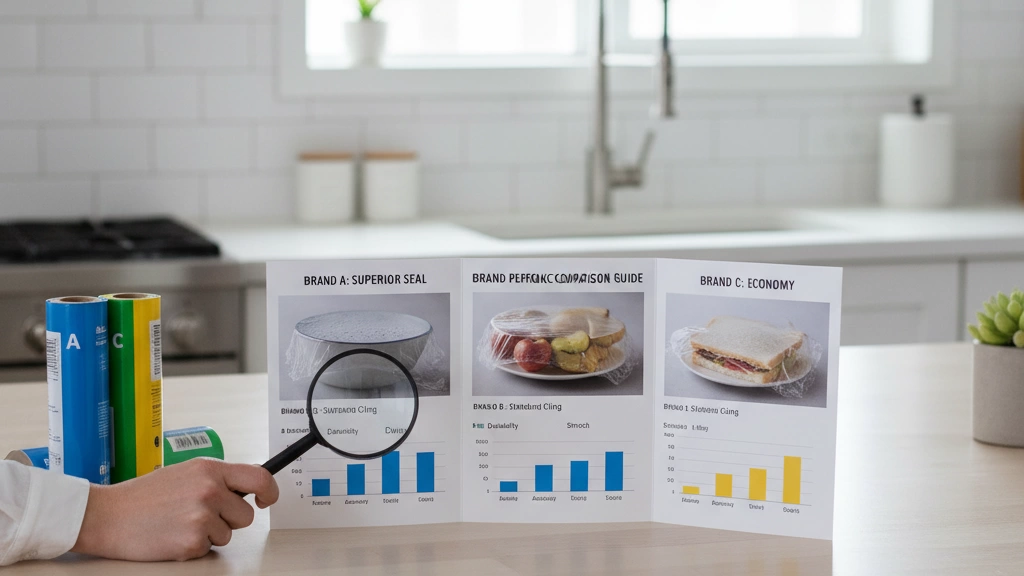
Choosing the best cling film comes down to balancing budget, performance, and your store’s specific needs. Here are some key points to consider:
- Budget vs. Performance: Cheaper films might save money upfront but could compromise durability or adhesion, leading to spoilage or waste. Investing in higher-grade materials like PE or PLA can improve shelf life and customer satisfaction.
- Customization Options: Colored wraps, perforated films, or rolls designed for automatic dispensers add convenience and brand appeal. Custom sizes and thicknesses can better fit your product lineup and reduce waste.
Comparison Table: PE vs. PVC vs. PLA Cling Films
| Feature | Polyethylene (PE) | Polyvinyl Chloride (PVC) | Polylactic Acid (PLA) (Biodegradable) |
|---|---|---|---|
| Adhesion | Good | Excellent | Moderate |
| Flexibility | High | Medium | Medium |
| Environmental Impact | Recyclable, low impact | Difficult to recycle | Compostable, eco-friendly |
| Barrier Properties | Good oxygen & moisture barrier | Strong oxygen barrier | Moderate barrier |
| Heat/Microwave Safe | Often yes | Limited | Varies, check specs |
| Typical Uses | Food storage, supermarkets | Retail wrapping, deli items | Sustainable packaging options |
| Price Range | Moderate | Lower | Higher |
Sourcing Tips from Artfullife
- Bulk Ordering: Stocking cling film in bulk helps reduce costs and ensures you don’t run out during busy sales periods. Artfullife offers competitive pricing on large quantities, ideal for supermarkets.
- Storage Guidelines: Keep rolls in a cool, dry place to maintain adhesion and prevent deformation. Avoid direct sunlight or high temperatures to preserve film integrity.
For detailed bulk purchasing advice and to find the right product size, check out Artfullife’s bulk purchase of PE food storage bags guide and explore their selection of easy-to-use cling film dispensers.
Selecting the right cling film that matches your supermarket’s needs improves product protection, reduces waste, and supports your sustainability goals.
Emerging Trends and Best Practices in Cling Film
Sustainability is taking center stage in cling film use, especially in U.S. supermarkets aiming to cut down on waste and environmental impact. Recyclable PE (polyethylene) cling film is becoming a popular choice because it combines strong barrier properties with easier recyclability compared to traditional PVC wraps. Meanwhile, bio-based materials like PLA (polylactic acid) offer compostable alternatives, helping retailers meet eco-friendly goals while serving environmentally conscious customers.
Waste reduction strategies also include designing thinner films without sacrificing durability, which lowers plastic usage per roll. Some retailers adopt colored or perforated cling films that encourage portion control and reduce food spoilage, a smart move supported by real-world case studies where spoilage dropped significantly after switching films.
Looking ahead, future-proofing packaging means investing in smart specs like UV resistance coatings to protect delicate produce and extend shelf life even further. These innovations help keep food fresher longer and reduce overall shrinkage — saving both money and resources. For those managing bulk ordering and dispenser efficiency, it’s worth checking out our bulk purchase tips for cling film to align sustainability with operational needs.
Embracing these trends helps supermarkets stay ahead while supporting a greener footprint and better food preservation.