
















Transformative Impact of Commercial-Grade Cling Film
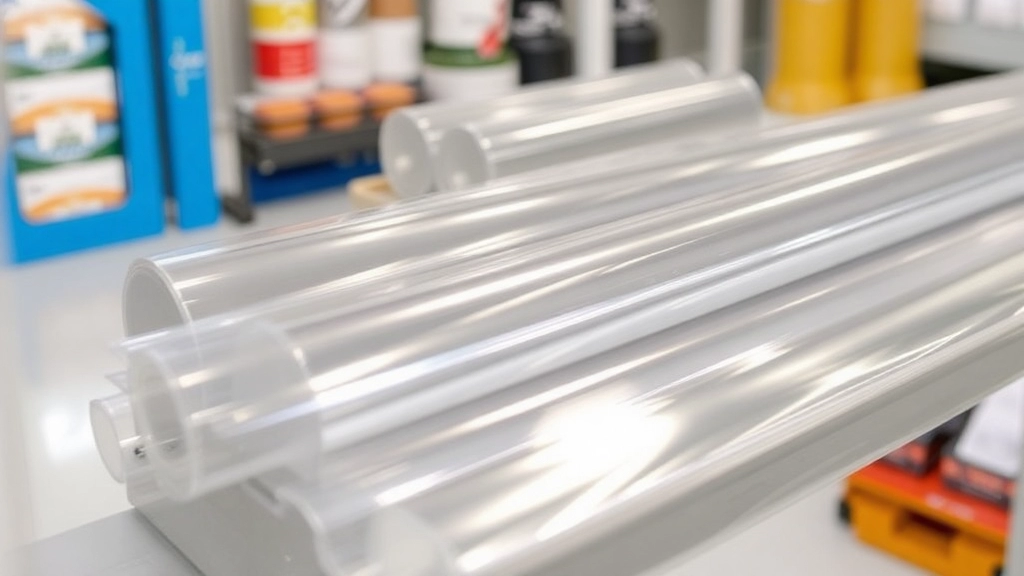
In the dynamic world of retail packaging, the role of commercial-grade cling film is pivotal. This article delves into its transformative impact on operational efficiency and product presentation, particularly in quick-service restaurants and butcher shops. Discover how advanced features like breathable film and UV-blocking technology enhance food safety and customer satisfaction.
Innovations Shaping the Future of Packaging
From sushi roll ergonomics to RFID-enabled smart films, explore the innovations shaping the future of packaging. These developments not only improve product freshness and visibility but also streamline processes, ensuring compliance with health standards. Join us as we unravel the benefits of integrating cutting-edge cling film solutions in retail environments.
The 3-Second Rule: How Quick-Service Restaurants Win with Film Efficiency

In the fast-paced world of quick-service restaurants (QSRs), every second counts. The efficiency of operations can be significantly enhanced by using commercial-grade cling film for retail packaging. This type of film is designed to meet the high demands of the food industry, ensuring both speed and safety.
Speed and Efficiency
The “3-second rule” in QSRs refers to the critical time frame in which food items should be wrapped and ready for display or storage. Retail-safe edge cutting technology allows for quick and precise cutting of the film, minimizing waste and maximizing efficiency. This is particularly important for high-volume environments where time is money.
Film Technology Innovations
Recent advancements in film technology have introduced features such as breathable film deli counter applications and UV-blocking display case films. These innovations help maintain product freshness and visibility, crucial for attracting customers and ensuring food safety.
Enhanced Food Safety
Using films with antimicrobial food contact surfaces can significantly reduce the risk of contamination, providing an extra layer of protection for both customers and staff. Additionally, VOC-free adhesive formulations ensure that the film does not compromise the quality of the food it covers.
Ergonomics and Specialty Applications
For specific applications like sushi, sushi roll wrapping ergonomics offer a seamless experience, ensuring the delicate items are perfectly preserved. Similarly, ninja-creased specialty meat wrapping techniques allow for tight, secure packaging of premium products.
Optimizing Space and Reducing Waste
Countertop dispenser space optimization is another critical aspect, allowing for easy access to the film without cluttering the workspace. This is particularly beneficial in busy environments where space is at a premium.
| Feature | Benefit |
|---|---|
| Breathable Film | Extends shelf life by allowing air circulation |
| UV-Blocking Films | Protects food from harmful UV rays |
| Antimicrobial Surfaces | Reduces contamination risk |
| VOC-Free Adhesives | Ensures food safety |
By integrating these advanced features into their packaging solutions, QSRs can improve operational efficiency, enhance food safety, and ultimately provide a better experience for their customers.
Transparency Wars: See-Through vs Tinted Films in Retail Displays
In the competitive landscape of retail packaging, the choice between see-through and tinted films plays a crucial role in product presentation and consumer perception. Retailers often face the dilemma of selecting the right film that not only enhances the visual appeal of their products but also meets functional requirements.
Visual Appeal and Consumer Engagement
See-through films offer a clear advantage in showcasing the product’s natural appearance, which is particularly beneficial for items like fresh produce and bakery goods. The transparency allows consumers to assess the quality and freshness of the product, which can significantly influence purchasing decisions. On the other hand, tinted films can add a layer of sophistication and exclusivity, often used for premium products where a touch of mystery enhances the brand’s allure.
Functional Considerations
Beyond aesthetics, the functional attributes of these films are paramount. UV-blocking display case films are essential for protecting products from harmful light exposure, thereby extending shelf life. For deli counters, breathable film deli counter applications ensure that moisture is controlled, preventing spoilage while maintaining product integrity. Additionally, antimicrobial food contact surfaces are increasingly important in maintaining hygiene standards.
Technological Innovations
Recent advancements in film technology have introduced features like VOC-free adhesive formulations and retail-safe edge cutting technology, which enhance safety and environmental compliance. The integration of countertop dispenser space optimization solutions further streamlines operations, making it easier for staff to manage packaging tasks efficiently.
Specialty Applications
In specialty food sectors, such as sushi and gourmet meats, the ergonomics of packaging play a vital role. Sushi roll wrapping ergonomics and ninja-creased specialty meat wrapping techniques ensure that delicate items are packaged securely without compromising their presentation. For products like smoked salmon, vacuum-skin compatibility is crucial for maintaining freshness and visual appeal.
As the retail packaging industry continues to evolve, the strategic use of both see-through and tinted films will remain a key factor in enhancing product visibility and meeting consumer expectations.
Shelf Life Alchemy: Moisture Lock vs Micro-Perforation Tech
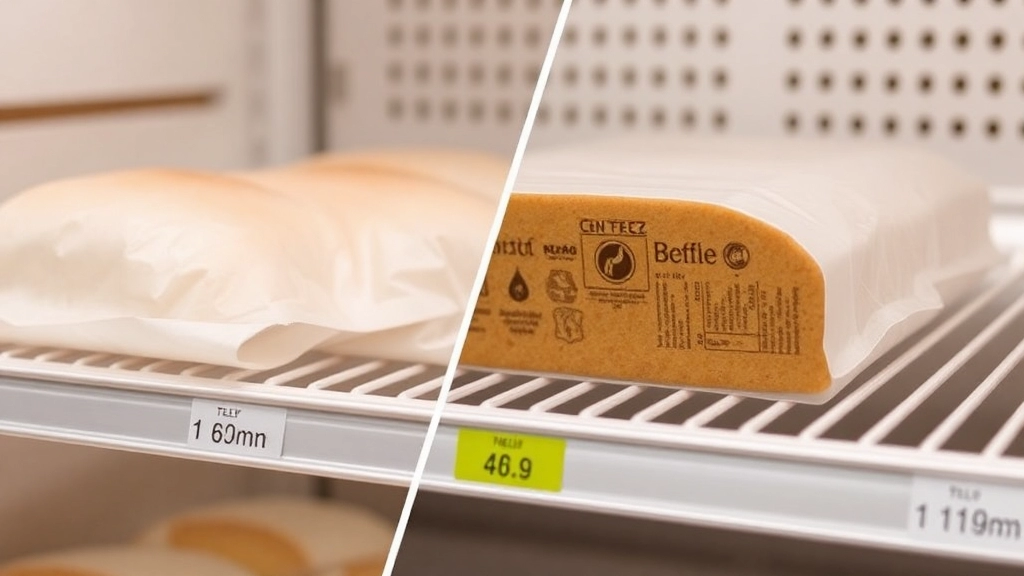
In the realm of commercial-grade cling film for retail packaging, the choice between moisture lock and micro-perforation technology is pivotal. These technologies play a crucial role in preserving the freshness and quality of perishable goods, directly impacting both shelf life and customer satisfaction.
Moisture Lock Technology
Moisture lock films are designed to create a barrier that retains the natural moisture of the product. This is particularly beneficial for items like bakery goods, where condensation control is essential to maintain texture and taste. The technology ensures that products remain fresh without becoming soggy, which is a common challenge in retail environments.
Micro-Perforation Technology
On the other hand, micro-perforation technology offers a breathable film solution, ideal for deli counter applications and fresh produce. By allowing controlled airflow, these films prevent the buildup of excess moisture, reducing the risk of mold and spoilage. This technology is also advantageous for sushi roll wrapping ergonomics, where maintaining the right humidity level is crucial.
Comparative Analysis
| Feature | Moisture Lock | Micro-Perforation |
|---|---|---|
| Application | Bakery, Smoked Salmon | Deli, Fresh Produce |
| Moisture Control | High Retention | Controlled Release |
| UV Protection | Optional | Standard |
| Edge Cutting | Retail-safe | Retail-safe |
Technological Innovations
Recent advancements have introduced UV-blocking display case films and antimicrobial food contact surfaces, enhancing the protective capabilities of both moisture lock and micro-perforation films. These innovations not only extend the shelf life but also ensure safety and hygiene, which are paramount in today’s retail landscape.
Furthermore, the integration of VOC-free adhesive formulations and countertop dispenser space optimization has streamlined the packaging process, making it more efficient and environmentally friendly. The adaptability of these films to various packaging needs, including ninja-creased specialty meat wrapping and smoked salmon vacuum-skin compatibility, demonstrates their versatility and effectiveness in diverse retail settings.
Pain Points Solved: Real Butcher Shop Upgrade Stories
In the competitive landscape of retail packaging, commercial-grade cling film has emerged as a transformative solution for butcher shops seeking to enhance their operational efficiency and product presentation. One of the most significant challenges faced by these establishments is maintaining the freshness and quality of their products while ensuring compliance with health regulations. The introduction of breathable film deli counter applications has addressed this issue effectively, allowing for optimal air circulation while preventing moisture loss, thus extending the shelf life of meats.
Innovative Solutions for Packaging Challenges
Butcher shops often struggle with the aesthetics of their displays. The use of UV-blocking display case films has revolutionized how products are showcased, protecting them from harmful light exposure that can lead to discoloration and spoilage. This not only enhances the visual appeal of the products but also reassures customers of their quality. Additionally, the implementation of retail-safe edge cutting technology has minimized the risk of injury during packaging, ensuring a safer working environment for staff.
Enhancing Food Safety and Hygiene
Food safety is paramount in any retail environment, and butcher shops are no exception. The adoption of antimicrobial food contact surfaces in conjunction with cling film has significantly reduced the risk of cross-contamination. This is particularly important in high-traffic areas where multiple products are handled. Furthermore, the use of VOC-free adhesive formulations in packaging materials ensures that no harmful chemicals leach into the food, aligning with consumer demand for safer, healthier options.
Specialized Packaging Techniques
For specialty items such as sushi rolls, the ergonomics of wrapping are crucial. The introduction of sushi roll wrapping ergonomics has streamlined the packaging process, allowing for quicker service without compromising the integrity of the product. Similarly, the ninja-creased specialty meat wrapping technique has gained popularity, providing a visually appealing and functional way to package various cuts of meat while ensuring they remain secure during transport.
Addressing Condensation and Storage Issues
Condensation can be a significant issue in retail environments, particularly for bakery items. The implementation of bakery item condensation control measures has helped maintain product quality and appearance, reducing waste and increasing customer satisfaction. Additionally, countertop dispenser space optimization has allowed butcher shops to maximize their limited space, making it easier for staff to access and package products efficiently.
Compatibility with Advanced Packaging Techniques
As the industry evolves, compatibility with advanced packaging techniques is essential. The smoked salmon vacuum-skin compatibility feature of modern cling films ensures that delicate products are packaged securely without compromising their quality. This adaptability is crucial for butcher shops looking to diversify their offerings and meet the changing preferences of consumers.
The Quiet Revolution: Hybrid Home/Commercial Film Formulas

In the evolving landscape of commercial-grade cling film for retail packaging, the development of hybrid home/commercial film formulas marks a significant shift. These innovative solutions are designed to bridge the gap between domestic convenience and industrial robustness, offering a versatile approach to packaging needs.
Breathable Film Deli Counter Applications
One of the standout features of these hybrid films is their breathable nature, which is particularly beneficial for deli counter applications. This characteristic allows for optimal moisture control, ensuring that products remain fresh while minimizing condensation.
Retail-Safe Edge Cutting Technology
Safety and efficiency are paramount in retail environments. The integration of retail-safe edge cutting technology in these films provides a seamless and hazard-free experience for staff, reducing the risk of injury and enhancing productivity.
UV-Blocking Display Case Films
Protecting products from UV damage is crucial, especially in display cases. Hybrid films with UV-blocking properties ensure that items such as meats and cheeses maintain their quality and appearance over extended periods.
Antimicrobial Food Contact Surfaces
Hygiene is a top priority in food packaging. These films feature antimicrobial food contact surfaces, which help to inhibit the growth of bacteria, thereby extending the shelf life of perishable goods.
Innovative Applications and Ergonomics
From sushi roll wrapping ergonomics to ninja-creased specialty meat wrapping, these films are designed with user-friendly features that cater to specific culinary needs. This focus on ergonomics not only improves the wrapping process but also enhances the presentation of the final product.
Technical Specifications
| Feature | Benefit |
|---|---|
| VOC-Free Adhesive Formulations | Environmentally friendly and safe for food contact |
| Countertop Dispenser Space Optimization | Efficient use of space in busy retail environments |
| Smoked Salmon Vacuum-Skin Compatibility | Enhanced preservation and visual appeal |
| Bakery Item Condensation Control | Prevents sogginess and maintains freshness |
Chef’s Nightmare: 5 Packaging Fails Caught on Camera
1. The Breathability Blunder
In the fast-paced environment of quick-service restaurants, maintaining the freshness of ingredients is paramount. A common packaging fail occurs when breathable film deli counter applications are improperly used, leading to premature spoilage. This often happens when the film’s micro-perforations are not aligned with the product’s specific moisture needs, causing either excessive drying or unwanted moisture retention.
2. The Edge Cutting Catastrophe
Safety and precision are crucial in retail packaging. However, when retail-safe edge cutting technology is overlooked, it can result in jagged film edges that compromise both product integrity and employee safety. This packaging fail not only affects the aesthetic appeal of the product but also poses a risk of contamination.
3. The UV-Blocking Oversight
For products displayed under bright lights, such as in sushi counters, UV-blocking display case films are essential. A failure to use these films can lead to discoloration and degradation of the product, particularly in sensitive items like sushi rolls. This oversight can significantly impact customer perception and product quality.
4. The Antimicrobial Misstep
In the realm of food safety, the use of antimicrobial food contact surfaces is a critical consideration. Packaging fails occur when films lacking these properties are used, increasing the risk of bacterial growth and foodborne illnesses. This is especially problematic in high-risk items such as raw meats and seafood.
5. The Ergonomic Error
Efficiency in packaging is not just about speed but also ergonomics. Sushi roll wrapping ergonomics is a key factor in ensuring that packaging processes are smooth and effective. When films are not designed with user-friendly features, it can lead to inefficient wrapping techniques, resulting in poorly sealed products and increased waste.
Future-Proofing: RFID-Enabled Smart Film Pilots
In the rapidly evolving landscape of retail packaging, commercial-grade cling film is taking a significant leap forward with the integration of RFID technology. This advancement is not just about keeping up with trends but about setting new standards in efficiency and traceability. RFID-enabled smart films are transforming how we manage inventory, ensuring that products are tracked with precision from the warehouse to the retail shelf.
Enhancing Inventory Management
By embedding RFID tags into cling films, retailers can achieve real-time inventory tracking. This technology allows for automatic updates on stock levels, reducing the need for manual checks and minimizing human error. The result is a more streamlined supply chain that enhances operational efficiency and reduces costs.
Improving Product Safety and Quality
RFID-enabled films also play a crucial role in maintaining product safety and quality. With features like antimicrobial food contact surfaces and UV-blocking display case films, these films help preserve the freshness and integrity of food items. Retailers can ensure that products remain in optimal condition, providing consumers with the highest quality goods.
Applications in Various Retail Settings
The versatility of RFID-enabled smart films extends to various retail environments. For instance, in deli counters, breathable film applications can enhance product visibility while maintaining freshness. In sushi bars, sushi roll wrapping ergonomics are improved, allowing for easier handling and presentation. Additionally, bakery item condensation control ensures that baked goods remain appealing and fresh for longer periods.
Table: Key Features of RFID-Enabled Smart Films
| Feature | Benefit |
|---|---|
| Real-time Inventory Tracking | Reduces manual checks and errors |
| Antimicrobial Surfaces | Enhances food safety |
| UV-Blocking Films | Preserves product quality |
| Breathable Film Applications | Maintains freshness in deli counters |
| Sushi Roll Wrapping Ergonomics | Improves handling and presentation |
| Bakery Item Condensation Control | Keeps baked goods fresh |
As we continue to explore the potential of RFID-enabled smart films, the focus remains on creating solutions that are both innovative and practical. These films not only enhance the retail experience but also contribute to a more sustainable and efficient packaging ecosystem.
Instant Audit: Download Our Food Court Compliance Scorecard
Ensuring compliance in food courts is crucial for maintaining food safety standards and enhancing customer satisfaction. Our Food Court Compliance Scorecard provides a comprehensive audit tool designed to evaluate various aspects of food packaging and display, particularly focusing on the use of commercial-grade cling film for retail packaging.
Key Compliance Areas
The scorecard assesses several key areas that impact both operational efficiency and food safety:
| Compliance Area | Description |
|---|---|
| Breathable Film Deli Counter Applications | Ensures optimal freshness by allowing moisture control while maintaining visibility. |
| Retail-Safe Edge Cutting Technology | Reduces risk of injury and ensures clean, precise cuts for packaging. |
| UV-Blocking Display Case Films | Protects food from harmful UV rays, preserving quality and appearance. |
| Antimicrobial Food Contact Surfaces | Minimizes bacterial growth, ensuring hygiene and safety. |
| Sushi Roll Wrapping Ergonomics | Enhances wrapping efficiency and product integrity. |
| Ninja-Creased Specialty Meat Wrapping | Provides a professional finish while maintaining product freshness. |
| Bakery Item Condensation Control | Prevents sogginess, maintaining texture and taste. |
| VOC-Free Adhesive Formulations | Ensures safety and environmental compliance. |
| Countertop Dispenser Space Optimization | Maximizes space efficiency, improving workflow. |
| Smoked Salmon Vacuum-Skin Compatibility | Ensures airtight sealing for extended shelf life. |
Benefits of Using the Scorecard
By implementing our scorecard, food court operators can quickly identify areas for improvement and ensure adherence to best practices. The tool not only highlights compliance issues but also provides actionable insights to enhance packaging efficiency and product safety. This proactive approach helps in maintaining a high standard of service and customer satisfaction.
Download our Food Court Compliance Scorecard today to start optimizing your operations and ensuring the highest standards of food safety and packaging efficiency.
FAQs about Commercial-Grade Cling Film for Retail Packaging
What is commercial-grade cling film and why is it important for retail packaging?
Commercial-grade cling film is a high-performance packaging material designed specifically for the food industry. Its importance lies in its ability to enhance operational efficiency, maintain food safety, and improve product presentation in retail environments.
How does the “3-second rule” apply to quick-service restaurants using cling film?
The “3-second rule” emphasizes the need for rapid food wrapping in quick-service restaurants. Commercial-grade cling film facilitates quick and precise wrapping, essential for minimizing wait times and maximizing efficiency during food preparation and display.
What are the benefits of using breathable film for deli counter applications?
Breathable film allows for optimal air circulation, preventing moisture buildup and spoilage. This is particularly beneficial in deli counters, where maintaining product freshness is crucial for customer satisfaction.
How do UV-blocking films contribute to food safety and quality?
UV-blocking display case films protect food products from harmful light exposure, which can lead to discoloration and spoilage. By maintaining product quality, they enhance the visual appeal and longevity of items displayed in retail settings.
What features enhance food safety in commercial-grade cling film?
antimicrobial food contact surfaces and VOC-free adhesive formulations significantly enhance food safety by reducing the risk of contamination and ensuring that no harmful chemicals leach into the food.
How does ergonomic design improve the packaging process for specialty items?
Ergonomic designs, such as those used in sushi roll wrapping and ninja-creased specialty meat wrapping, streamline the packaging process, allowing for quick and effective wrapping without compromising the integrity or presentation of delicate items.
What role does countertop dispenser space optimization play in retail environments?
Countertop dispenser space optimization allows for efficient use of limited workspace, making it easier for staff to access and manage cling film during busy periods, ultimately enhancing operational efficiency.
Can RFID technology be integrated into cling film for better inventory management?
Yes, RFID-enabled smart films are being developed to provide real-time inventory tracking, reducing manual checks and improving supply chain efficiency while maintaining product safety and quality.
What should food court operators consider for compliance in food safety?
Food court operators should assess key compliance areas such as the use of breathable film applications, retail-safe edge cutting technology, and antimicrobial surfaces to ensure adherence to food safety standards and enhance customer satisfaction.
Transform Your Retail Packaging Today
Access Cutting-Edge Solutions & Expert Support
1).Request Free Sample Kit
✓ 700+ PSI Heat-Seal Films
✓ Ninja-Crease Wrapping Templates
✓ VOC-Free Adhesive Samples
2). Consult Packaging Engineers
40+ years expertise in retail innovation
Available for live demo & prototyping
References
- FDA (2023). Food Contact Substance Notifications.
https://www.fda.gov/food/food-ingredients-packaging - EU Commission. (2022). Regulation on Active & Intelligent Materials (EC 450/2009).
https://eur-lex.europa.eu/eli/reg/2009/450 - ASTM International. (2017). ASTM D5116 – VOC Testing Methods.
https://www.astm.org/d5116-17 - ISO. (2021). ISO 23667:2021 – Smart Packaging Communication Protocols.
https://www.iso.org/standard/76261 - Smithers Pira. (2023). Retail Film Technology Market Report.
https://www.smithers.com/bakery-packaging - Packaging Digest. (2023). Antimicrobial Films in Food Service.
https://www.packagingdigest.com/antimicrobial-packaging - Food Technology Magazine. (2023). Sous Vide Packaging Advances.
https://www.ift.org/news-and-publications/food-technology-magazine