

















What Makes a Trash Bag Commercial Grade

Definition and Standards of Commercial Grade Trash Bags
Commercial grade trash bags are specifically designed for industrial and business use where durability and reliability are critical. Unlike regular household bags, these bags must meet higher standards for strength, size, and material quality to handle larger volumes and tougher waste types. Typically, commercial grade trash bags follow industry standards that specify minimum thickness, puncture resistance, and load capacity to ensure they perform well in demanding environments such as offices, restaurants, healthcare facilities, and construction sites.
Key Features of Commercial Grade Trash Bags
Commercial grade trash bags stand out because of their distinct qualities that make them reliable for heavy-duty use:
- Strength: Engineered to withstand heavy and sharp waste without tearing.
- Thickness: Measured in mils (thousandths of an inch), thickness ranges usually from 0.9 to 6 mils depending on use cases, offering superior durability compared to household bags.
- Capacity: Sized to fit large trash containers, commonly ranging from 13 gallons to over 50 gallons.
- Resistance to Punctures and Leaks: Enhanced polymer blends resist holes and leaks, protecting against spills and contamination.
- Flexibility: Allows for easy tying and handling even in tough waste conditions.
Why Commercial Bags Differ from Regular Household Bags
Commercial trash bags are tougher, larger, and made with better materials. Here’s why they differ:
- Higher Load Demands: Businesses generate much heavier, bulkier waste than homes. Commercial bags must stand up to these loads without ripping.
- Professional Compliance: They often meet regulations for waste management, hygiene, and environmental safety, which household bags typically do not.
- Special Features: Options like odor control, color coding, UV resistance, and puncture resistance are commonly needed in commercial settings but rare at home.
- Cost Efficiency: While pricier upfront, commercial bags reduce the risk of spills, leaks, and bag replacements, saving businesses money over time.
Overall, commercial grade trash bags are engineered to handle the tougher conditions found in industrial and business environments. Their strength, thickness, and resistance to damage make them a reliable choice for efficient waste management in any professional setting.
Common Materials Used in Commercial Grade Trash Bags

When choosing commercial grade trash bags, knowing the materials behind them helps you pick the right bag for your business needs. Each type has unique features that affect strength, flexibility, and suitability for different waste types. Here’s a quick look at the most common materials used:
High-Density Polyethylene HDPE Bags
HDPE bags are thin, lightweight, and offer good resistance to punctures and tears. They’re often used in settings where large volumes of light debris or dry waste are common.
- Pros: Cost-effective, moisture-resistant, and recyclable
- Cons: Less flexible, prone to punctures with sharp objects
- Ideal Use: Retail, office spaces, and light-duty commercial trash
Low-Density Polyethylene LDPE Bags
LDPE bags are thicker and more flexible than HDPE, making them better at handling heavier loads with fewer tears. They’re less common than other materials but useful in some waste management scenarios.
- Benefits: Good puncture resistance, more stretchable
- Limitations: Slightly more expensive, not as strong as LLDPE
- Ideal Use: Moderate to heavy-weight waste requiring flexibility
Linear Low-Density Polyethylene LLDPE Bags
LLDPE is the go-to for strong, durable trash bags in commercial and industrial uses. It combines strength and flexibility, making it resistant to ripping and punctures even under heavy loads.
- Enhanced Strength and Flexibility: Withstands sharp debris and heavy weight better than HDPE or LDPE
- Common in: Construction sites, restaurants, and heavy-duty waste disposal
- Cost: Slightly higher but worth it for durability
Biodegradable and Compostable Options
With growing environmental concerns, many businesses choose eco-friendly commercial trash bags made from biodegradable or compostable materials. These bags break down faster in landfills or composting facilities.
- Environmental Impact: Reduced plastic waste, complies with green regulations
- Considerations: Often less durable, may require specific disposal conditions
- Best For: Offices, retail, or locations with green waste programs
Understanding these materials helps you pick strong trash bags for heavy loads or eco-conscious options without compromising on quality or compliance.
Popular Types of Commercial Grade Trash Bags
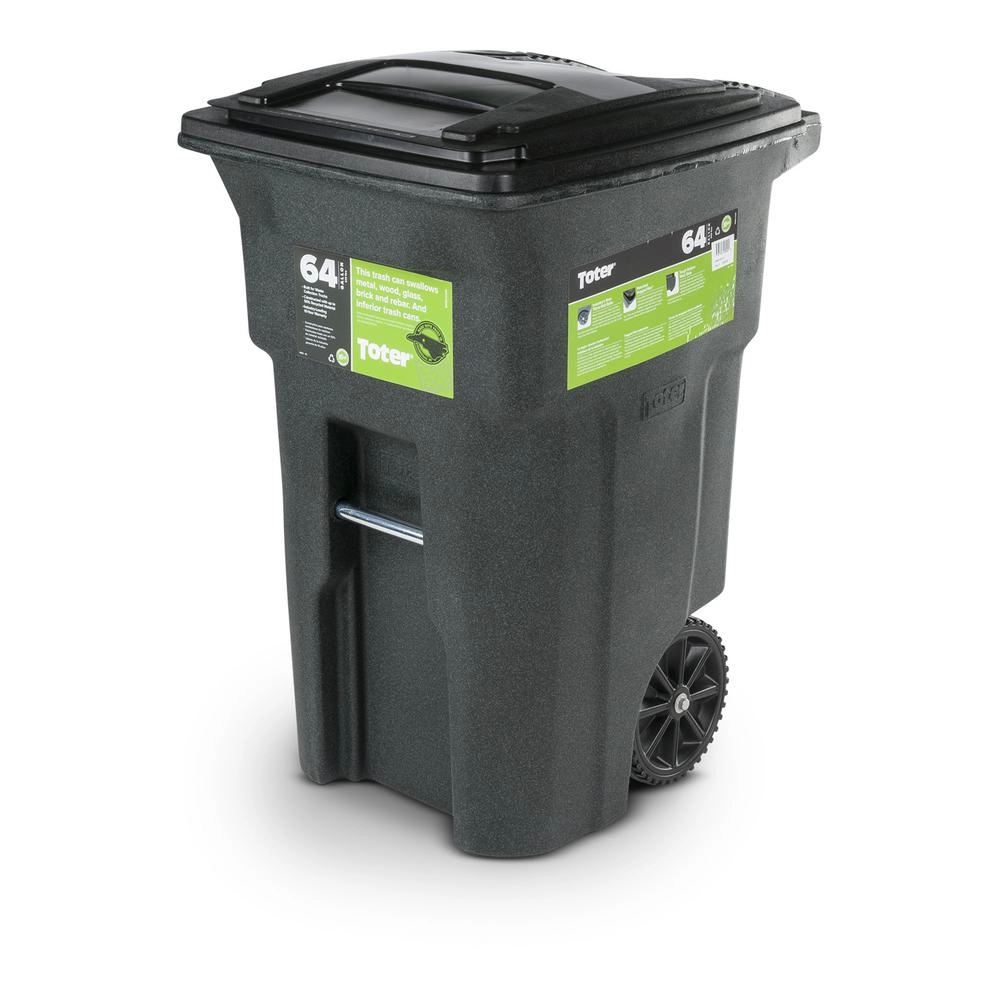
When choosing commercial grade trash bags, knowing the different types helps you match the right bag to your business needs. Here’s a quick breakdown of the most common options that cover a range of industries and waste management requirements:
Standard Black Commercial Trash Bags
These are the go-to bags for many businesses. They offer strong puncture resistance and come in various thicknesses and sizes. Ideal for general waste, they provide a professional look and conceal trash, making them great for offices, retail stores, and food service sectors.
Clear Trash Bags for Compliance and Security
Clear bags are essential when your business needs to follow strict waste disposal regulations or security protocols. They make it easy to identify contents without opening the bag, which helps in environments like hospitals, schools, or government facilities.
Color-Coded Trash Bags for Waste Segregation
Using color-coded bags simplifies sorting recyclables, hazardous waste, or organic materials. This system reduces cross-contamination, supports efficient waste management, and meets environmental compliance requirements in industries like healthcare, manufacturing, and event management.
Heavy-Duty Contractor Bags for Construction Debris
These bags stand up to the toughest jobs, handling heavy, sharp, and bulky construction debris. Made from specially reinforced materials, they offer exceptional tear and puncture resistance, making them perfect for contractors, renovators, and demolition crews needing reliable waste containment.
Odor Control and Scented Bags
In businesses like food service or hospitality, odor can be a problem. Odor control trash bags trap smells to keep your workspace fresh. Scented options add a pleasant aroma, which is a plus in environments where waste removal isn’t immediate.
UV Resistant and Puncture-Resistant Bags
For outdoor storage or long-term waste holding, UV resistant bags prevent damage from sunlight exposure, extending the bag’s durability. Combined with puncture resistance, these bags reduce leaks and spills, safeguarding your facility from messes and safety hazards.
Choosing the right type based on waste volume, type, and environment ensures you get the best performance and compliance from your commercial trash bags. For more help picking the perfect bags, check out our guide on commercial trash bags.
Sizes and Capacities of Commercial Grade Trash Bags for Your Business Needs
Choosing the right commercial garbage bag sizes is key to handling waste efficiently and avoiding messes. The most common sizes you’ll find include:
- 13 gallon – Perfect for small offices, bathrooms, or desks.
- 30 gallon – A popular mid-size, great for kitchens, break rooms, and small retail spaces.
- 55 gallon – Ideal for large trash bins used in warehouses, construction sites, and heavy-duty waste.
How to Select the Right Size Based on Waste Volume and Trash Bins
When picking a bag size, consider the bin’s volume and how much trash your business produces daily:
- Match the bag to your trash bin size—bags too small tear easily, and bags too big waste material.
- Estimate your average trash output. For example, if your office fills a 30-gallon bin quickly, stick to 30-gallon bags to avoid overfilling.
- For businesses producing heavier or bulkier waste like construction debris, opt for larger or contractor-grade bags designed to hold weight without ripping.
Tips to Avoid Overfilling and Tearing in Bulk Trash Bags
Using the right size helps, but certain practices keep bags strong and intact:
- Don’t fill bags beyond 3/4 full — overstuffing increases the risk of tears.
- Use bags with higher thickness (measured in mils) for heavy or sharp waste to resist punctures.
- Avoid dragging bags on rough surfaces which weaken the plastic.
- Consider color-coded or clear bags to control waste types and avoid mixing heavy, sharp materials with lighter waste.
By choosing the right strong trash bags for heavy loads and managing how much you fill them, you extend bag life and keep your space cleaner and safer. This approach makes waste management easier, more efficient, and more cost-effective for businesses of all sizes.
Factors to Consider When Choosing Commercial Grade Trash Bags
Selecting the right commercial grade trash bags is more than just picking any heavy duty garbage bags off the shelf. To get the best fit for your business needs, consider these crucial factors:
Strength and Puncture Resistance
Durability matters. Your trash bags should handle heavy loads without tearing or puncturing. Look for bags with reinforced seams or thicker material if you deal with sharp or bulky waste. Strong trash bags for heavy loads reduce spillage risks and increase efficiency in waste management.
Thickness Measured in Mils
Trash bag thickness is measured in mils, where one mil equals one-thousandth of an inch. This measurement directly relates to the bag’s toughness. For commercial use:
- Light-duty bags range from 0.35 to 0.7 mils
- Medium to heavy-duty bags are 0.9 to 1.5 mils or more
Thicker bags are pricier but provide better puncture and tear resistance, ideal for industrial trash bags or contractor use.
Compliance with Health Safety and Waste Disposal Regulations
Many businesses face strict regulations on waste disposal and sanitation. Your choice of commercial garbage bags must comply with:
- Local health codes
- OSHA guidelines
- Environmental regulations
Using compliant bags, including biodegradable options when required, helps avoid fines and keeps your business operating smoothly.
Environmental Considerations Biodegradable vs Plastic
Eco-friendly commercial trash bags are available if your company prioritizes sustainability. Consider:
- Biodegradable bags: Break down faster but may cost more.
- Traditional plastic bags: More durable but environmentally persistent.
Evaluate your business’s environmental policies and customer expectations before choosing. For more on eco-friendly options, check out our guide on commercial plastic wrap.
Price and Bulk Purchasing Benefits
Cost plays a big role, especially if you need bulk trash bags for businesses. Buying in bulk offers:
- Lower unit prices
- Consistent quality assurance
- Reliable supply for ongoing needs
Balancing budget with quality ensures you don’t skimp on performance while saving money over time.
How to Store Commercial Trash Bags Properly
Proper storage of commercial grade trash bags is essential to maintain their strength, durability, and overall quality. Whether you keep them in a warehouse or a supply room, following best practices can prevent damage and extend their usability.
Best Practices for Warehouse and Supply Room Storage
- Store in a cool, dry location: Heat and humidity can weaken plastic bags, making them prone to tears and punctures. Avoid direct sunlight and areas with fluctuating temperatures.
- Keep away from sharp objects: Position trash bags away from shelving edges, nails, or machinery that could puncture or damage the packaging.
- Stack carefully: Avoid overloading shelves with heavy boxes of trash bags. Excessive weight can crush the bags on the lower layers, leading to deformation or holes.
- Use original packaging: Keep bags in their original packaging whenever possible, which offers protection and helps you organize by size, type, and material.
- Rotate stock: Implement a first-in, first-out (FIFO) system to use older bags first and prevent long-term storage degradation.
- Avoid compression: Do not compress trash bags tightly, as this may cause stretching and stress on the plastic, reducing strength and flexibility.
Shelf Life and Shelf Degradation
Commercial garbage bags have a typical shelf life of 1 to 3 years, depending on the material. Over time, exposure to environmental factors can cause:
- Plastic degradation leading to brittleness and cracking
- Loss of elasticity, making bags more prone to tearing
- Color fading, especially in UV-sensitive bags stored in light-exposed areas
To mitigate shelf degradation and ensure optimum performance:
- Store bags in dark, temperature-controlled environments
- Avoid high humidity zones to prevent moisture buildup inside packaging
- Use biodegradable or compostable bags within their recommended timeframe as they naturally break down faster than traditional plastics
By following these storage guidelines, you can ensure your bulk trash bags for businesses stay reliable and ready for use, saving costs and avoiding waste due to damaged products.
For more in-depth information on commercial trash bags, check out this commercial trash bags guide.
Benefits of Buying Commercial Trash Bags Wholesale from Artfullife
When you choose Artfullife for your commercial trash bags, you tap into several key advantages that make managing waste easier and more cost-effective for your business.
Wide Range of Commercial Trash Bag Types and Sizes
Artfullife offers an extensive selection of industrial trash bags and heavy duty garbage bags including:
- Standard black bags for everyday commercial use
- Clear bags for compliance and security needs
- Color-coded bags to simplify waste segregation
- Contractor bags designed for tough jobs like construction debris
- Odor control and scented bags to keep spaces smelling fresh
- UV resistant and puncture-resistant options for outdoor or heavy-duty use
Sizes range from small 13-gallon bags to large 55-gallon bags, so you can find the right capacity whether you’re handling light office waste or heavy industrial trash. This variety matches the needs of businesses across industries.
Quality Assurance and Competitive Pricing
Artfullife ensures all bags meet commercial standards for strength, thickness (mils), and puncture resistance, reducing the chance of leaks and messes. Buying in bulk lowers your cost per bag, allowing you to:
- Save money with wholesale pricing
- Maintain consistent inventory without frequent reorders
- Avoid emergency runs to the store
Expert Customer Support and Bulk Purchasing Advice
Navigating the variety of commercial garbage bag sizes and materials can be overwhelming. Artfullife’s team provides:
- Personalized recommendations for your specific waste management needs
- Guidance on choosing eco-friendly commercial trash bags without compromising durability
- Tips on how to optimize bag use to reduce waste and costs
Easy Ordering and Delivery Options
Ordering from Artfullife is straightforward, with:
- Simple online ordering for quick restocks
- Flexible delivery options to fit your schedule
- Reliable shipping across the United States, ensuring your bulk trash bags arrive on time and ready to use
Choosing Artfullife means you get quality waste management bags for commercial use backed by great service and pricing tailored for U.S. businesses of all sizes.