

















Overview of Food Storage Bags and Their Applications
Food storage bags are a critical component of food safety, preservation, and convenience—whether for home kitchens, retail packaging, or commercial foodservice operations. In an OEM/ODM manufacturing environment, understanding the types, materials, and functional requirements of these bags is essential to producing products that meet market demands and pass strict quality control standards.
Types of Food Storage Bags
Different bags serve different purposes based on storage needs and preservation requirements. The most common types include:
- ZIP-lock bags – Reusable, easy-opening pouches with interlocking closures, suitable for snacks, fresh produce, and meal preps.
- Vacuum-seal bags – Air-tight bags made for removing oxygen to extend shelf life, often used for meat, seafood, and bulk dry goods.
- Freezer bags – Thick, cold-resistant bags designed to withstand low temperatures without cracking, used for long-term frozen storage.
- Biodegradable bags – Eco-friendly alternatives made from plant-based or compostable materials, supporting sustainable packaging initiatives.
(For more examples, see our guide on PE food storage bags with zip lock)
Common Materials Used in OEM Food Storage Bag Manufacturing
Manufacturers select materials based on strength, barrier properties, and food safety regulations:
- PE (Polyethylene) – Flexible, cost-effective, and widely used for both freezer and regular storage bags.
- PP (Polypropylene) – Offers higher clarity and heat resistance, suitable for reheating applications.
- PA (Polyamide/Nylon) – Excellent oxygen barrier for vacuum-sealed packaging.
- Biodegradable plastics – Derived from cornstarch, PLA, or other bio-based resins, used for sustainable packaging solutions.
Key Functional Requirements for High-Quality Food Storage Bags
For OEM and ODM production, the following core performance features are non-negotiable in ensuring product functionality and compliance:
- Airtightness – Prevents oxygen exchange and extends product freshness.
- Moisture protection – Keeps food dry and prevents condensation damage.
- Durability – Resistant to punctures, tears, and extreme temperature fluctuations.
- Food safety compliance – Must meet FDA, EFSA, or equivalent local food-contact safety standards to be considered truly food-grade.
- Seal integrity – Zippers, heat seals, and closure mechanisms must remain secure during handling and storage.
In high-volume OEM/ODM plastic bag manufacturing, balancing material performance with cost efficiency while ensuring strict adherence to quality standards is the foundation for delivering bags that both brands and end consumers trust.
Common Quality Control Issues in Food Storage Bags
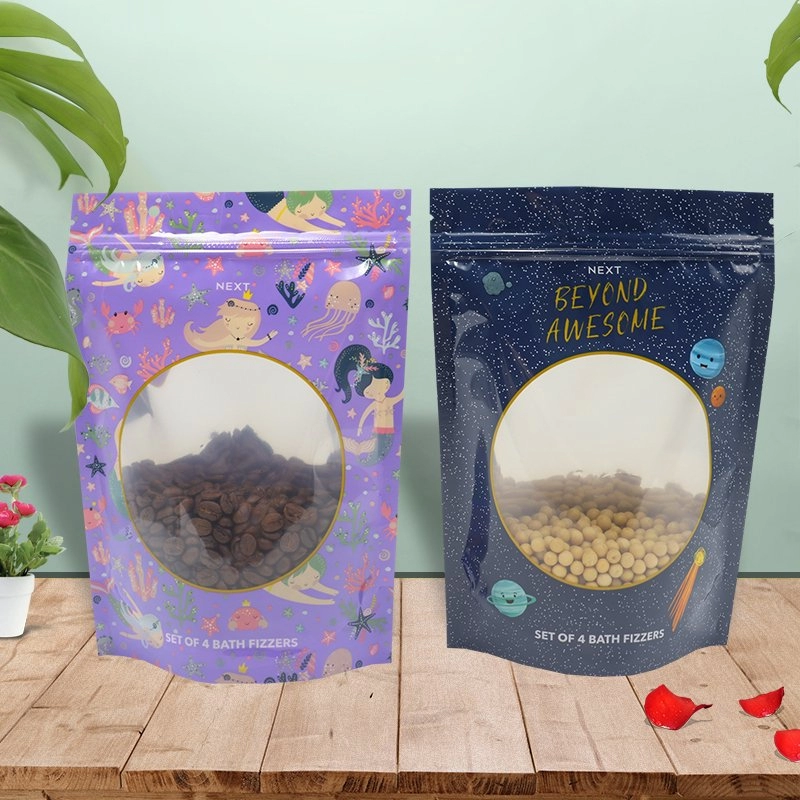
In OEM and ODM food packaging production, quality control is critical. Small defects can lead to leaks, spoilage, food safety risks, and even regulatory penalties. Below are the most common problems we see in food storage bag manufacturing and why they matter.
Material Defects
- Inconsistent thickness or weak film strength – Uneven films can tear or puncture easily, especially in freezer or heavy-duty bags.
- Contaminated raw materials – Impurities in PE, PP, PA, or biodegradable plastic compromise food safety and bag performance.
- Poor material blending – Incorrect resin ratios can make bags brittle or sticky, affecting usability and durability.
Sealing and Closure Failures
- Weak zipper or seal seams – Poor bonding or misaligned zippers cause leaks, allowing air or moisture to enter.
- Heat seal inconsistency – Overheating burns film; underheating leaves weak points. Both reduce burst strength and shelf life.
Design and Dimensional Inconsistencies
- Incorrect bag size – Off-spec dimensions disrupt packing lines or frustrate end-users needing a proper fit.
- Printing defects – Misaligned graphics, blurred text, or poor ink adhesion affect branding and customer trust.
Chemical Safety and Compliance Risks
- Harmful substance presence – Residual BPA, phthalates, or non-food-safe dyes put products out of compliance.
- Failure to meet FDA/EFSA or local food safety standards – Can lead to recalls, fines, or loss of retail listing.
Contamination and Hygiene Concerns
- Foreign particles inside the packaging – Dust, metal shavings, or plastic bits can enter during production.
- Microbial contamination – Caused by improper cleanroom or hygiene control during manufacturing.
Packaging and Labeling Errors
- Wrong batch codes or expiry dates – Creates traceability issues in recalls.
- Incorrect or misleading labels – Violates labeling laws and erodes trust with customers.
Why OEM/ODM Manufacturers Must Watch These Issues:
In the food-grade packaging industry, defects directly impact freshness, safety, and brand image. U.S. buyers expect airtight seal performance, safe chemical composition, accurate labeling, and consistent quality. That means a strong quality assurance process is non-negotiable from material sourcing to final inspection.
Preventing Common Quality Control Issues in OEM ODM Food Storage Bag Production
When you’re making OEM or ODM food storage bags for the U.S. market, every production step has to be dialed in. Customers expect bags that are safe, strong, and dependable, and one small slip can lead to leaks, contamination, or compliance problems. Here’s how to lock down your process so those issues don’t happen.
Strict Raw Material Quality Verification
- Use only certified food-grade materials (PE, PP, PA, or biodegradable plastics that meet FDA or EFSA standards).
- Work with trusted, audited suppliers to make sure raw materials are consistent.
- Check every batch through lab testing for purity, thickness, and tensile strength.
- Avoid poor blending that can cause brittleness or stickiness.
Standardized and Controlled Manufacturing Processes
- Follow ISO 9001 and HACCP systems for both quality and food safety management.
- Calibrate and maintain machines regularly to avoid seal inconsistencies or thickness variations.
- Set tight process parameters for film extrusion, printing, and sealing temperatures.
In-Process and Final Product Quality Inspections
- Perform visual checks for clarity, color consistency, and printing alignment.
- Run seal strength tests (including non-destructive tests) to confirm airtight closure.
- Do dimensional checks to ensure bags fit customer packaging needs.
- Use random batch sampling for chemical residue and microbiological testing.
(For more details on seal durability and food safety, see custom printed ziplock bags).
Clear Communication and Specification Control
- Share detailed product specs with accurate drawings, material types, and QC requirements.
- Keep an open channel for design feedback between factory and client to fix small issues before they grow.
- Schedule regular factory audits to verify ongoing compliance.
Training and Workforce Hygiene Protocols
- Train operators and QC staff on contamination prevention and safe handling of food-contact materials.
- Enforce cleanroom or hygiene zones for production, with strict dress codes and sanitation steps.
- Conduct refreshers and spot checks to avoid lapses.
Advanced Testing and Technology Use
- Use Non-Destructive Testing (NDT) to detect weak spots in seals without wasting bags.
- Apply spectroscopy analysis to confirm there are no harmful chemical residues.
A disciplined OEM/ODM process isn’t just about passing inspections — it’s about building food storage bags that the customer trusts every single time. Consistency in raw materials, manufacturing control, and QC testing is what keeps product quality high and issues low.
Why Choose Artfullife for Your Food Storage Bag OEM and ODM Partnership
When you’re trusting a partner to produce your OEM plastic bags or ODM freshness bags, quality control isn’t just a checkbox—it’s the foundation of your brand’s reputation. At Artfullife, we make sure every bag meets U.S. quality and safety expectations before it leaves our floor.
Proven Experience in Food Storage Bag Manufacturing
We’ve been producing high-quality food storage bags for years, serving brands that sell across the U.S. market. Our production covers zip-lock bags, vacuum seal bags, freezer-safe bags, and biodegradable options, giving you flexibility to match consumer demand. Whether you need standard designs or unique dimensions, our engineers and QC team work in sync to get it right every time.
Comprehensive Quality Control and Certifications
Our factory runs on ISO 9001 and HACCP systems, along with FDA and EU food-contact compliance testing. This means our products are safe, durable, and consistent. We cover every key inspection point:
- Raw material verification – sourcing only certified food-grade PE, PP, PA, or biodegradable resins
- Film strength and seal testing – ensuring thickness consistency and leak-proof closures
- Batch-level chemical safety checks – confirming no BPA, phthalates, or harmful residues
| QC Stage | Key Checks | Benefit to Client |
|---|---|---|
| Incoming Material Check | Purity, certification, thickness | Prevents defects |
| In-Process Inspection | Seal strength, zipper pressure, dimensions | Ensures usability |
| Final QC | Leak tests, visual inspection, labeling | Protects brand |
Flexible and Customized OEM ODM Solutions
We don’t do one-size-fits-all. We offer:
- Custom sizes, shapes, and material blends
- Private labeling and packaging designs that comply with U.S. retail standards
- Bulk or small-batch runs to match different launch strategies
- Rapid prototyping to help you get to market faster
If an unexpected issue shows up, our problem-solving team moves fast—adjusting production, updating tooling, or reviewing specs with you so delays and extra costs are avoided.
Commitment to Safety, Innovation, and Customer Satisfaction
We keep up with eco-friendly packaging trends, offering biodegradable and compostable bag options without sacrificing integrity or food safety. Our customer service team works U.S. hours for easier communication, making project management simple and responsive.
For brands in the U.S., this means products that meet strict food safety laws, packaging that looks right on store shelves, and a supply chain partner committed to your standards every step of the way.