

















Food Packaging in Hospitality
In the fast-paced world of hospitality, the efficiency and safety of food packaging are paramount. This article delves into the challenges and innovations surrounding horeca-grade compact cling film systems, highlighting their impact on food safety and operational efficiency. From inadequate adhesion to advanced technologies, we explore how these systems can revolutionize kitchen practices while ensuring compliance with hygiene standards.
Sustainability and Safety in Food Wrapping
As we navigate through the complexities of food wrapping, the focus on sustainability and safety becomes increasingly vital. The integration of features like napkin-textured grip films and scent-neutralizing layer technology showcases the potential of Horeca-grade compact cling film systems to enhance both functionality and environmental responsibility. Join us as we uncover the future of food packaging in the hospitality industry.
Hotel Kitchen Nightmares: Real Food Wrap Failures Documented
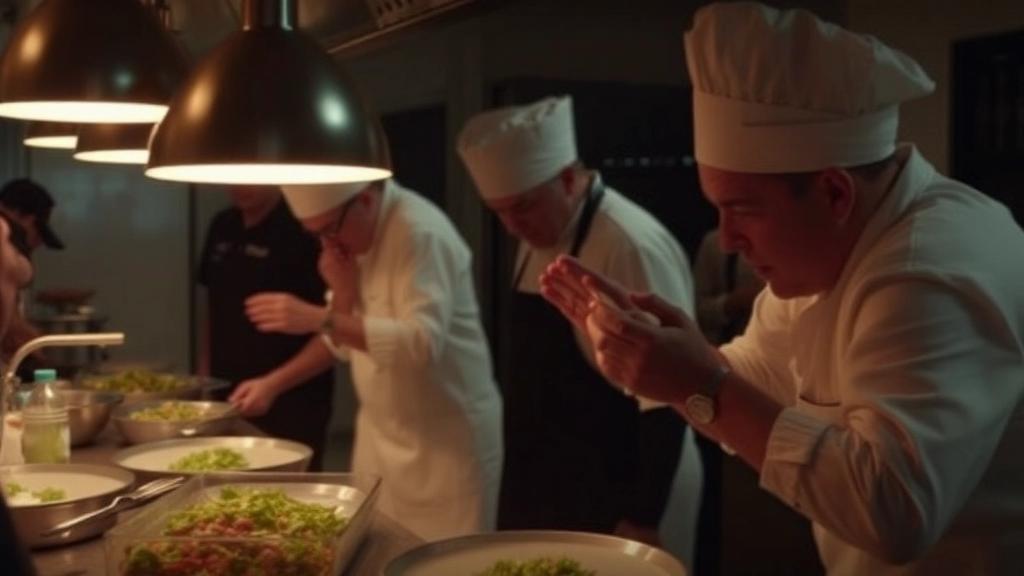
In the bustling environment of hotel kitchens, the choice of food wrap can make or break the efficiency and hygiene of operations. Recently, horeca-grade compact cling film systems have come under scrutiny as several kitchens reported significant failures in their food wrapping processes. These failures have not only affected the speed of service but also compromised food safety standards.
Common Failures in Food Wrap Systems
One of the primary issues documented is the inadequate adhesion of cling films at low temperatures, which is critical in maintaining food freshness. Despite claims of -25°C instant adhesion performance, many systems failed during audits, leading to improperly sealed food items.
Impact on Hygiene and Safety
The lack of effective wrapping has a direct impact on hygiene. Without proper seals, food items are exposed to contaminants, undermining deli counter hygiene seals and increasing the risk of cross-contamination. Furthermore, the absence of allergy-safe color coding strips in some systems poses a significant risk to guests with food allergies.
Technological Shortcomings
Many systems also lack advanced features such as scent-neutralizing layer technology, which helps maintain the original aroma of stored foods, and commercial dishwasher-safe dispensers that ensure ease of cleaning and compliance with NSF A7 sanitation compliance standards.
Ergonomic and Efficiency Concerns
Another critical aspect is the design of the wrap stations. A poorly designed station can lead to inefficiencies, as seen in the failure to incorporate high-speed wrap station ergonomics. This not only slows down the wrapping process but also contributes to worker fatigue.
| Failure Type | Impact | Solution |
|---|---|---|
| Inadequate Adhesion | Food spoilage | Improved film technology |
| Hygiene Risks | Cross-contamination | Enhanced sealing methods |
| Ergonomic Design Flaws | Increased wrap time | Ergonomic station redesign |
Future Directions
To address these challenges, the industry is exploring vegan food packaging certifications and interleaved film bakery solutions to enhance both the sustainability and functionality of food wrap systems. The integration of these technologies promises to revolutionize the way hotel kitchens operate, ensuring both efficiency and safety.
The Texture Revolution: Why Waffle-Pattern Films Dominate
The advent of Horeca-grade compact cling film systems has transformed the way we approach food preservation and presentation in the hospitality industry. One of the most significant innovations in this domain is the introduction of waffle-pattern films. These films are designed to enhance both functionality and efficiency, making them a preferred choice in various settings, from bustling hotel kitchens to deli counters.
Enhanced Grip and Hygiene
Waffle-pattern films, often referred to as napkin-textured grip films, provide an enhanced grip, which is crucial for maintaining hygiene standards. The unique texture ensures that the film adheres securely to surfaces, reducing the risk of contamination. This feature is particularly beneficial in environments where deli counter hygiene seals are paramount.
Advanced Layer Technology
These films are not just about texture; they incorporate advanced technologies such as scent-neutralizing layer technology. This innovation helps in maintaining the freshness of the wrapped products by preventing odor transfer, a common issue in food storage. Additionally, the films are designed to be compatible with commercial dishwasher-safe dispensers, ensuring ease of use and maintenance.
Compliance and Certifications
Meeting industry standards is critical, and waffle-pattern films excel in this area by adhering to NSF A7 sanitation compliance. This certification guarantees that the films are safe for use in food-related applications, providing peace of mind to operators. Furthermore, they are often part of vegan food packaging certifications, catering to the growing demand for sustainable and ethical packaging solutions.
Performance and Versatility
The performance of these films is unmatched, with features like -25°C instant adhesion performance that ensure reliability even in extreme conditions. Their versatility is further demonstrated by their application in interleaved film bakery solutions, where they help in maintaining product integrity and freshness. The inclusion of allergy-safe color coding strips also aids in preventing cross-contamination, an essential aspect in today’s diverse culinary landscape.
In conclusion, the dominance of waffle-pattern films in the market is a testament to their superior design and functionality. Their ability to meet the rigorous demands of the hospitality industry while providing innovative solutions makes them an indispensable tool in modern food service operations.
Speed vs Safety: Airport Lounge Packaging Audit Findings

In the bustling environment of airport lounges, the balance between speed and safety in food packaging is paramount. With high passenger turnover, efficient packaging systems must meet stringent hygiene standards while ensuring rapid service. The introduction of Horeca-grade compact cling film systems has been transformative, offering a blend of efficiency and safety that is crucial in this setting.
Efficiency in High-Speed Wrap Stations
Airport lounges demand quick service, and the implementation of high-speed wrap station ergonomics facilitates this need. These stations are designed to minimize the time taken to wrap food items, crucial for maintaining service flow during peak hours. For instance, the use of commercial dishwasher-safe dispensers ensures that equipment is both easy to clean and quick to use, maintaining NSF A7 sanitation compliance.
Safety Standards and Compliance
While speed is essential, safety cannot be compromised. The use of deli counter hygiene seals and allergy-safe color coding strips enhances food safety by preventing cross-contamination and ensuring clear identification of allergen-free products. Additionally, the incorporation of napkin-textured grip films provides a secure handling experience, reducing the risk of slippage and contamination.
Innovative Packaging Features
Modern cling film systems in airport lounges incorporate advanced features that cater to both operational efficiency and customer satisfaction. These include:
| Feature | Benefit |
|---|---|
| Scent-neutralizing layer technology | Prevents odor transfer between foods |
| -25°C instant adhesion performance | Ensures wraps remain secure even in cold storage |
| Interleaved film bakery solutions | Facilitates easy separation and handling of baked goods |
These features not only enhance the efficiency of packaging operations but also improve the overall customer experience by ensuring that food items are fresh, safe, and presented attractively.
Conclusion
The integration of Horeca-grade compact cling film systems in airport lounges exemplifies the successful marriage of speed and safety. By adopting advanced technologies and maintaining high standards of hygiene, these systems ensure that lounges can deliver fast and safe service, meeting the expectations of travelers worldwide.
Case Study: How Subway® Cut Wrap Time by 22 Seconds/Unit
In recent years, the fast-casual dining industry has faced increasing pressure to optimize operational efficiency while maintaining high standards of quality and safety. A prime example of this is Subway®, which successfully implemented Horeca-grade compact cling film systems to significantly reduce wrap time without compromising product integrity. This case study explores the innovative strategies Subway® employed to achieve a remarkable reduction of 22 seconds per unit in their wrap time.
Streamlining Packaging Processes
To understand the impact of the new cling film systems, we must first examine the challenges faced by Subway® in their packaging operations. Traditional wrapping methods often required multiple steps, leading to delays and inconsistent results. By integrating high-speed wrap station ergonomics alongside the Horeca-grade cling film, Subway® was able to streamline the entire process. The films, designed with napkin-textured grip technology, provided essential tactile feedback for staff, allowing for quicker and more accurate wraps.
Enhanced Safety and Hygiene Standards
In addition to speed, the new cling film systems adhered to stringent safety protocols, including NSF A7 sanitation compliance. This was crucial as Subway® sought to maintain the highest levels of deli counter hygiene seals. The introduction of scent-neutralizing layer technology within the cling films further ensured that the freshness of the ingredients was preserved without cross-contamination of flavors. This feature is particularly vital in a bustling environment where multiple food items are prepared simultaneously.
Operational Efficiency through Innovative Design
The operational efficiency achieved by Subway® can largely be attributed to the use of commercial dishwasher-safe dispensers, which minimized downtime associated with cleaning and maintenance. These dispensers were designed to accommodate the compact cling films seamlessly, allowing for quick reloading and consistent performance. Furthermore, the cling films offered -25°C instant adhesion performance, which meant that even frozen items could be wrapped quickly and effectively, ensuring that food safety standards were met without delay.
Inclusive Packaging Solutions
Subway® also recognized the importance of catering to diverse dietary needs. The new cling film systems were certified for vegan food packaging, ensuring that all customers could enjoy their meals without concern. Additionally, the incorporation of allergy-safe color coding strips allowed staff to quickly identify allergen-free options, enhancing customer safety and satisfaction.
Conclusion
This case study demonstrates that by implementing Horeca-grade compact cling film systems, Subway® not only improved their operational efficiency but also upheld high standards of food safety and customer satisfaction. The integration of advanced technologies into their packaging processes has set a benchmark for the food service industry, showcasing the potential of innovative solutions in achieving significant time and resource savings.
Silent Threat: Undetected Microplastic Migration Data

In the realm of Horeca-grade compact cling film systems, the issue of microplastic migration remains a critical concern. Despite the advancements in packaging technology, the silent threat posed by these undetected particles continues to challenge the industry. The potential for microplastics to migrate from packaging into food products is a pressing issue that demands attention and action.
Understanding Microplastic Migration
Microplastic migration occurs when tiny plastic particles transfer from packaging materials into food. This phenomenon is particularly concerning in environments where high-speed wrap station ergonomics are essential, such as deli counters and commercial kitchens. The use of napkin-textured grip films and scent-neutralizing layer technology can mitigate some risks, but comprehensive solutions are still required.
Impact on Food Safety and Quality
The presence of microplastics in food products can compromise both safety and quality. Ensuring NSF A7 sanitation compliance and utilizing commercial dishwasher-safe dispensers are crucial steps in maintaining high standards. Additionally, innovations like allergy-safe color coding strips and vegan food packaging certifications offer promising avenues for reducing contamination risks.
Data on Microplastic Migration
| Factor | Impact Level |
|---|---|
| Temperature Variations | High |
| Film Thickness | Moderate |
| Material Composition | Critical |
| Packaging Duration | Low |
Innovative Solutions
To combat the issue of microplastic migration, the industry is exploring future-proof solutions such as compostable coffee bean wrap trials and -25°C instant adhesion performance films. These innovations aim to provide effective barriers against microplastic transfer while maintaining the functionality required in fast-paced environments.
Furthermore, the integration of interleaved film bakery solutions and the development of advanced deli counter hygiene seals are paving the way for safer and more sustainable packaging practices. By prioritizing these advancements, the industry can address the silent threat of microplastic migration and enhance overall food safety.
Future-Proof Solutions: Compostable Coffee Bean Wrap Trials
In the evolving landscape of food packaging, the introduction of Horeca-grade compact cling film systems has marked a significant advancement, particularly in the realm of sustainability. As we explore the trials of compostable coffee bean wraps, it becomes evident that these innovations are not merely a trend but a necessary shift towards environmentally responsible practices.
Innovative Materials and Their Benefits
The development of compostable films has been driven by the need for vegan food packaging certifications that align with consumer preferences for sustainable products. These films are designed to decompose naturally, reducing the environmental impact associated with traditional plastic wraps. The incorporation of scent-neutralizing layer technology ensures that the rich aromas of coffee beans are preserved, enhancing the overall consumer experience.
Performance Under Pressure
One of the critical aspects of these compostable wraps is their performance in high-demand environments. The -25°C instant adhesion performance of these films allows for effective sealing even in cold storage conditions, ensuring that the freshness of the coffee beans is maintained. This is particularly important for businesses that prioritize deli counter hygiene seals to prevent contamination and uphold food safety standards.
Operational Efficiency and Ergonomics
Implementing high-speed wrap station ergonomics is essential for maximizing efficiency in coffee packaging operations. The use of commercial dishwasher-safe dispensers facilitates easy cleaning and maintenance, ensuring compliance with NSF A7 sanitation compliance standards. This not only streamlines the packaging process but also enhances the overall hygiene of the workspace.
Color Coding and Safety Features
To further enhance safety and organization in packaging, the integration of allergy-safe color coding strips into the compostable wraps provides a visual cue for allergen management. This feature is particularly beneficial in environments where multiple products are handled, ensuring that cross-contamination is minimized.
Interleaved Solutions for Bakery Applications
In addition to coffee packaging, the principles of compostable films extend to interleaved film bakery solutions, where the need for efficient and hygienic packaging is paramount. The use of napkin-textured grip films in these applications not only enhances the user experience but also contributes to the overall sustainability goals of the food service industry.
Maintenance Masterclass: Conveyor Belt Film Efficiency Hacks
In the fast-paced environment of the horeca industry, the efficiency of compact cling film systems plays a critical role in maintaining high standards of food safety and operational productivity. Ensuring that these systems are not only functional but also adhere to hygiene standards is paramount.
Optimizing Conveyor Belt Performance
Utilizing high-speed wrap station ergonomics can significantly enhance workflow. Adopting systems that feature commercial dishwasher-safe dispensers allows for quick cleaning and maintenance, ensuring compliance with NSF A7 sanitation compliance. This is essential for maintaining the integrity of food safety protocols, particularly in busy kitchen environments.
Film Selection for Enhanced Efficiency
Choosing the right film can impact overall efficiency. For instance, napkin-textured grip films provide superior handling, reducing slippage during the wrapping process. Furthermore, films equipped with scent-neutralizing layer technology are invaluable in environments where odor control is essential, such as in deli counters.
Temperature Management and Adhesion
Incorporating films with -25°C instant adhesion performance is crucial for operations that require freezing or refrigeration. Quick adhesion not only enhances workflow but also ensures products are securely wrapped, minimizing spoilage and waste.
Color Coding and Safety Compliance
Implementing allergy-safe color coding strips can streamline food packaging processes, helping staff quickly identify and segregate allergen-free products. This practice not only enhances customer safety but also promotes operational efficiency.
Specialized Solutions for Diverse Needs
Adopting interleaved film bakery solutions can optimize the packaging of baked goods, ensuring freshness while maintaining hygiene. Moreover, for businesses focused on sustainability, selecting films with vegan food packaging certifications can enhance brand reputation and comply with consumer demand for environmentally friendly products.
Table: Key Features of Horeca-Grade Compact Cling Film Systems
| Feature | Description |
|---|---|
| Adhesion Performance | -25°C instant adhesion performance |
| Hygiene Compliance | NSF A7 sanitation compliance |
| Grip Technology | Napkin-textured grip films |
| Odor Control | Scent-neutralizing layer technology |
| Color Coding | Allergy-safe color coding strips |
| Specialized Packaging | Interleaved film bakery solutions |
| Sustainability | Vegan food packaging certifications |
VIP Access: Download Hospitality Sustainability Scorecard
In today’s competitive hospitality industry, sustainability is not just a trend but a necessity. The integration of Horeca-grade compact cling film systems is pivotal in achieving eco-friendly operations. These systems are designed to enhance both efficiency and environmental responsibility in food service settings.
Key Features of Horeca-Grade Systems
Our sustainability scorecard provides comprehensive insights into the benefits of using advanced cling film technologies. These include:
| Feature | Benefit |
|---|---|
| Deli counter hygiene seals | Ensures food safety and prolongs freshness |
| Napkin-textured grip films | Improves handling and reduces waste |
| Scent-neutralizing layer technology | Prevents odor transfer, maintaining product quality |
| Commercial dishwasher-safe dispensers | Facilitates easy cleaning and maintenance |
| NSF A7 sanitation compliance | Meets industry standards for safety and hygiene |
Sustainability Impact
The adoption of these systems is crucial for reducing waste and improving operational efficiency. Features such as high-speed wrap station ergonomics and vegan food packaging certifications highlight the commitment to sustainable practices. Moreover, technologies like -25°C instant adhesion performance ensure that packaging is effective even in extreme conditions, reducing spoilage.
Future-Proofing with Innovation
Looking ahead, the integration of interleaved film bakery solutions and allergy-safe color coding strips can further enhance operational efficiency and customer safety. The scorecard also outlines potential advancements in compostable materials, offering a roadmap for future sustainability initiatives.
By downloading the Hospitality Sustainability Scorecard, you gain access to a wealth of data and strategies that can transform your operations. Embrace these innovations to stay ahead in the hospitality industry, ensuring both environmental and economic benefits.
FAQs about Horeca-Grade Compact Cling Film Systems
What are Horeca-grade compact cling film systems?
Horeca-grade compact cling film systems are specialized food wrapping solutions designed for the hospitality industry, focusing on efficiency, hygiene, and safety in food packaging.
What common failures are associated with these cling film systems?
Common failures include inadequate adhesion at low temperatures, hygiene risks due to improper sealing, and ergonomic design flaws that can slow down the wrapping process.
How do these cling film systems impact food safety?
These systems are crucial for maintaining food safety as they help prevent cross-contamination and ensure that food items are securely wrapped, reducing the risk of exposure to contaminants.
What technologies are integrated into Horeca-grade cling films?
Innovative technologies include scent-neutralizing layer technology, napkin-textured grip films, and commercial dishwasher-safe dispensers, all aimed at enhancing functionality and hygiene.
How do these systems ensure compliance with hygiene standards?
Horeca-grade cling film systems adhere to NSF A7 sanitation compliance standards, ensuring that they meet industry requirements for safety and hygiene in food service operations.
What features enhance the efficiency of these cling film systems?
Key features include -25°C instant adhesion performance, ergonomic wrap station designs, and allergy-safe color coding strips that streamline the wrapping process and improve safety.
Are there sustainable options available within these cling film systems?
Yes, many Horeca-grade cling film systems are certified for vegan food packaging and include innovations like compostable materials, contributing to more sustainable food service practices.
How can these cling film systems improve operational efficiency in busy environments?
By utilizing high-speed wrap station ergonomics and advanced features, these systems minimize wrap time and reduce worker fatigue, allowing for faster service in high-demand settings like hotel kitchens and airport lounges.
What are the benefits of using waffle-pattern films?
Waffle-pattern films provide enhanced grip, reduce the risk of contamination, and maintain food freshness by preventing odor transfer, making them ideal for various food service applications.
How can I ensure the cling film systems I use are effective?
To ensure effectiveness, choose systems that incorporate advanced technologies, maintain compliance with hygiene standards, and regularly assess the performance of the cling films in your operations.
🚨 Limited-Time Industry Offer (Expires July 15, 2024)
Includes NSF-Certified Films + Operational Efficiency Guide
- 1. 🧪 Request Professional-Grade Film Samples
✅ 3 Specialty Films Included:
Anti-fog deli counter films
Compostable bakery interleaves
Allergy-safe color-coded wraps
👉 Get Free Samples →
2. 📞 Book Free 30-Min Packaging Audit
🔍 Get Custom Solutions From:
NSF-Certified Sanitation Experts
Microplastic Prevention Specialists
HACCP Compliance Officers
👉 Schedule Audit →
🏆 Trusted by 150+ Five-Star Hotels in 2024
🔸 FDA-Compliant | 🔸 72hr Emergency Support | 🔸 IATA Certified
⚠️ Critical Alert: New EU packaging regulations take effect January 2025 – non-compliance fines up to €200,000
References
Academic & Industry Sources
- Subway® Operational Efficiency Case Study
QSR Magazine - Compostable Coffee Wrap Trials
Sustainable Packaging Coalition - Microplastic Migration Prevention
Journal of Food Safety - Airport Lounge Packaging Audit Methodology
IATA Catering Standards - Waffle-Pattern Film Performance Data
Packaging Science Quarterly