
















The Environmental and Financial Toll of Single Use Plastics on B2B Operations
Single-use plastics remain one of the most significant challenges for B2B operations, especially in supermarket supply chains. Despite ongoing efforts, recycling rates for these materials hover between 9% to 12%, leaving the majority of plastics to contribute to landfill overflow and environmental harm. This creates direct financial burdens from waste management and indirect costs related to regulatory compliance and potential fines.
Recycling Rates and Waste Management Challenges
- Low recycling efficacy: Most single-use plastics used in supermarket packaging, such as LDPE films and plastic bags, don’t enter effective recycling streams due to contamination and sorting difficulties.
- Rising waste fees and fines: Cities across the U.S. are enforcing stricter bans with penalties for non-compliance, increasing operational risks and unexpected costs.
- Disposal costs rising rapidly, adding strain to already tight B2B margins.
Supermarket Specific Pain Points
Supermarkets face unique challenges tied to single-use plastics:
- High volume usage drives waste management expenses disproportionately.
- Packaging must protect perishables effectively while meeting customer convenience expectations.
- Increasing consumer and regulatory pressure demands swift plastic-free retail alternatives that don’t sacrifice functionality.
Local Lifecycle Cost Comparison
When looking at the full lifecycle—from procurement to disposal—single-use plastics often appear cheap upfront. However, factoring in waste disposal, environmental fees, and reputational costs shifts the balance. For example:
| Packaging Type | Upfront Cost | Waste Management Cost | Regulatory Fines Risk | Total Lifecycle Cost |
|---|---|---|---|---|
| Single-Use Plastic Film | Low | High | High | Highest |
| Biodegradable Fiber Tray | Moderate | Low | Low | Lower |
| Reusable Textiles | Higher | Minimal | Minimal | Competitive |
This local lens reveals how sustainable packaging solutions can ultimately reduce your operational risks and expenses without sacrificing supply chain efficiency.
Cutting Waste Without Losing Function
Transitioning away from single-use plastics doesn’t mean compromising on performance. Many biodegradable supermarket bags, reusable food trays, and compostable produce wraps provide equivalent protection and convenience. The right materials also contribute to ESG compliant supermarket materials, improving brand reputation and meeting consumer expectations.
In upcoming sections, we’ll explore the top cost-effective alternatives that help you cut plastic waste while improving your bottom line. Stay tuned for actionable insights and data-backed solutions tailored specifically for your B2B needs.
Top Cost Effective Alternatives to Single Use Plastics for Supermarket Supplies
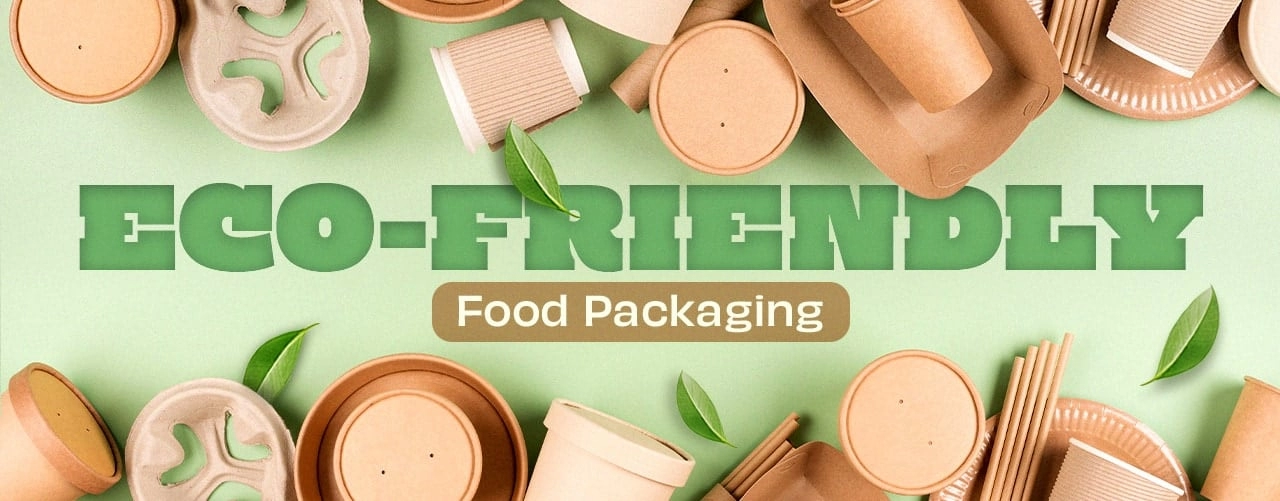
When it comes to sustainable packaging solutions for supermarkets, cutting single-use plastics doesn’t have to mean breaking the bank. Here are five cost-effective alternatives that balance eco-friendliness with practicality for B2B clients.
Biodegradable Paperboard and Molded Fiber Trays
Paperboard and molded fiber trays are great alternatives to plastic trays because they are fully recyclable and compostable. They’re made from renewable resources like recycled paper and agricultural byproducts, which helps reduce landfill waste. These trays hold up well for fruits, vegetables, and prepared foods and integrate easily into existing recycling streams, reducing contamination risks and disposal fines.
Bamboo and Hemp Based Bags and Wraps
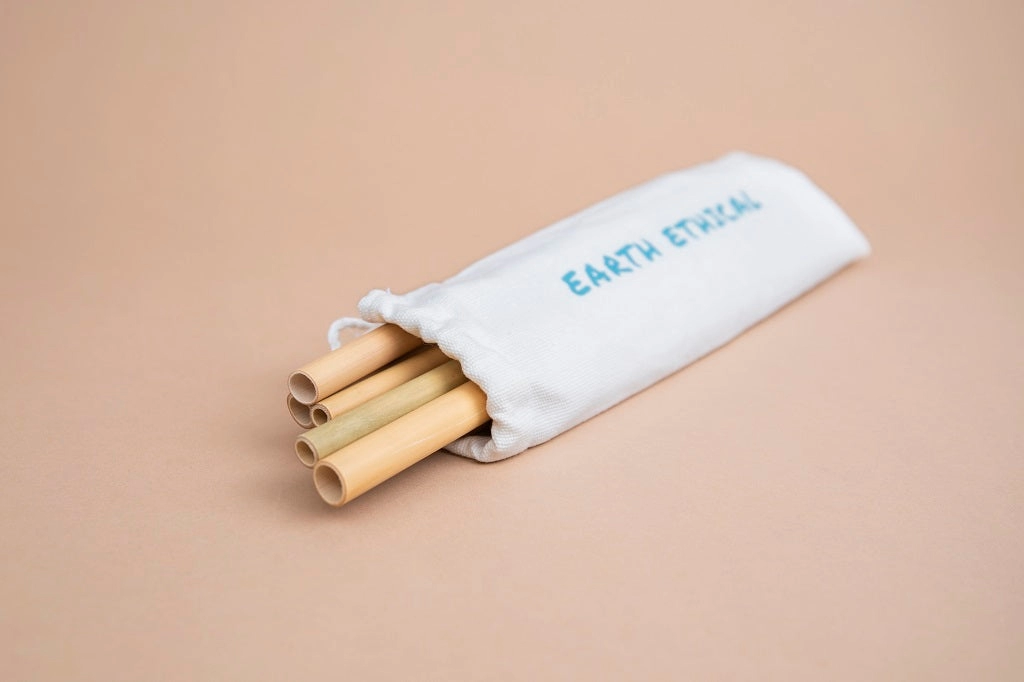
Bags and wraps made from bamboo or hemp fibers are gaining traction for their durability and reusability. Besides being compostable, these materials naturally absorb CO2 during growth, giving your supply chain a small climate edge. Hemp-based packaging is particularly strong, making it a smart choice for heavier produce or bulk items. Plus, these bags are stylish for customer-facing displays and reduce waste with multiple uses.
Seaweed and Starch Derived Films
For lightweight packaging needs, films derived from seaweed and plant starches decompose within weeks in composting environments. Unlike many biodegradable plastics, these films break down quickly without leaving microplastics behind. They’re affordable to scale and fit well for produce wraps, bulk item bundling, or as liners. Their fast breakdown supports circular economy goals and helps supermarkets meet zero-waste targets.
Reusable Textile Liners Like Beeswax or Felt
Textile liners made from beeswax-coated cotton or felt offer a reusable, washable option that can extend product shelf life by preventing moisture loss. These liners can replace plastic wrap or bags in deli and bulk sections. Over time, they save costs by cutting single-use packaging orders and reduce waste collection volumes. Their natural materials are a hit with eco-conscious shoppers, supporting both sustainability and brand image.
Recycled Aluminum and Glass Containers
For options with infinite recyclability, recycled aluminum and glass containers stand out. Both materials can be recycled repeatedly without losing quality, slashing net energy use compared to virgin production. Glass containers keep products fresh and expand upscale product lines, while aluminum tins or trays offer lightweight, strong alternatives to plastic tubs. Investing here supports ESG compliant supermarket materials and long-term waste diversion.
Pro Tip Use Mono Material Packaging
Switching to mono-material packaging simplifies recycling and reduces contamination in recycling streams. For example, using paperboard trays without plastic lining or clear bags made solely of biodegradable film will improve recyclability rates. This small step boosts your sustainability credentials and helps with compliance in cities with strict plastic bans.
| Alternative | Key Benefit | Recyclability | Cost Level | Best For |
|---|---|---|---|---|
| Biodegradable Paperboard Trays | Compostable and recyclable | High | Low-Mid | Produce, Prepared foods |
| Bamboo and Hemp Bags | Reusable, CO2 absorbent | Compostable | Mid | Bulk items, Produce |
| Seaweed and Starch Films | Quick decomposition | Compostable | Low | Produce wraps, Bundling |
| Beeswax or Felt Liners | Reusable, extends shelf life | Compostable | Mid | Deli, Bulk sections |
| Recycled Aluminum and Glass | Infinite recyclability | Infinite | Mid-High | Premium packaging, Storage |
Choosing from these plastic free retail alternatives allows supermarkets to reduce their environmental impact without sacrificing product protection or customer appeal. Each supports local green procurement ROI and helps businesses stay ahead of evolving waste regulations.
Balancing Cost and Compliance Calculating ROI for B2B Transitions
Switching to cost-effective alternatives to single-use plastics isn’t just about going green—it’s about smart business. For B2B clients, especially supermarkets, balancing upfront costs with long-term savings and compliance is crucial to making sustainable packaging solutions work.
Step by Step ROI Framework for Sustainable Packaging
Calculating the return on investment (ROI) for switching to eco-friendly bulk supplies can seem tricky, but a clear framework helps:
- Assess upfront costs: Include purchase prices for biodegradable bags, reusable liners, and recycled containers.
- Estimate ongoing savings: Factor in reduced waste fees, fewer fines, and lower disposal costs, especially in cities with strict plastic bans.
- Calculate waste diversion: How much single-use plastic is reduced affects waste hauling costs directly.
- Include brand value and customer loyalty: Sustainable products can boost brand reputation, leading to increased sales.
- Factor in compliance: Avoid fines and penalties by meeting regulatory standards, translating to savings.
This clear cost versus benefit setup highlights the value of switching beyond just the sticker price.
Navigating Regulations Across 250 Plus City Bans
Over 250 U.S. cities and counties now restrict or ban certain single-use plastics. Staying compliant is key to avoiding fines and maintaining smooth operations:
- Use compliant sustainable packaging kits designed for supermarkets to meet local regulations.
- Monitor updates in local policies, especially in states like California and New York where plastic rules frequently change.
- Train procurement teams on ESG compliant supermarket materials to ensure all supplies meet legal standards.
With so many regulations, having a go-to source for compliant products and updates saves time and headaches.
Tools for Local Habits and Quick ROI Estimates
Understanding local customer habits helps tailor packaging choices that work and save money:
- Use quick skim assessment tools to gauge waste reduction impact based on your store’s volume.
- Downloadable ROI calculators designed for B2B retailers help forecast savings and compliance costs in real-time.
- Analyze past waste data to pinpoint which single-use plastics create the biggest cost drains.
These tools simplify decision-making and take the guesswork out of switching packaging suppliers.
Case Study Preview Plastic Reduction with No Net Cost Increase
Take a look at a regional supermarket chain that replaced traditional plastic trays and bags with molded fiber containers and hemp-based wraps. They saw:
- 30% reduction in plastic waste
- Zero increase in overall packaging costs
- Compliance with all local bans, avoiding $15,000 in fines annually
- Improved customer satisfaction with sustainable packaging options
This shows that with the right approach, plastic-free retail alternatives can be both eco-friendly and cost-effective.
Balancing cost and compliance is no longer optional—it’s part of smart green procurement ROI. By using proven tools and following a clear ROI framework, B2B clients can efficiently transition away from single-use plastics without hurting their bottom line.
Implementing Sustainable Switches A B2B Roadmap with Artfullife
Switching from single-use plastics to sustainable packaging can feel overwhelming—but with a clear, step-by-step plan, B2B clients, especially supermarkets, can make the transition smoothly and cost-effectively. Artfullife® offers a tailored roadmap designed specifically for businesses seeking cost-effective, eco-friendly supermarket supplies that meet local regulations and cut waste without compromising function.
Phased Approach to Sustainable Packaging
We recommend breaking down your switch into three key stages:
- Audit: Start by assessing your current plastic use and waste streams. Identify which single-use plastics create the biggest environmental and financial drain.
- Pilot: Test a small batch of biodegradable paperboard trays, reusable textile liners, or hemp-based bags supplied by Artfullife®. This helps measure performance, customer reception, and operational impact.
- Scale: Once the pilot shows positive results—lower waste, consistent shelf life, customer satisfaction—expand adoption across stores and departments.
This phased path controls risk and provides clear data before committing fully.
Artfullife Custom Solutions and Free Samples
Artfullife® specializes in custom supermarket supplies that fit your unique needs and local market. They offer:
- Customized sustainable packaging solutions designed to replace problematic plastics.
- Free samples to test alternatives like seaweed-derived films or recycled aluminum containers before purchase.
- Support navigating local regulations to ensure compliance with city bans on single-use plastics.
Having tailored solutions means no guessing games—your switch is built around your business and customer demands.
Overcoming Barriers with Data on Scalability
One of the biggest hurdles is doubt about whether sustainable alternatives can perform at scale. Artfullife® provides detailed data from previous clients showing:
- Real waste diversion rates achieved after switching.
- Cost and shelf-life comparisons proving no negative impact.
- Positive customer feedback highlighting improved brand reputation through green procurement.
This transparency helps reduce resistance from decision-makers and operators, making large-scale change realistic and affordable.
Metrics for Success
Tracking progress is critical. Focus on these key indicators:
- Waste Diversion Rate: Measure the percentage reduction in landfill-bound plastics.
- Cost Savings: Compare packaging procurement and disposal costs before and after.
- Customer Feedback: Gather responses about product freshness and packaging appeal.
- Compliance Status: Confirm adherence to local B2B plastic ban regulations.
Regularly reviewing these metrics helps refine your approach while showcasing the value of sustainable packaging both environmentally and financially.
Implementing sustainable switches with Artfullife® means you’re not just buying eco-friendly supplies—you’re partnering with experts who guide you through every step of your plastic-free retail alternatives journey. This methodical, data-backed roadmap minimizes risk and maximizes ROI, helping supermarkets across the US embrace the circular economy with confidence.