
















Revolutionize Your Kitchen with Eco-Friendly Food Wrap Hacks
As a passionate advocate for sustainable living, I’ve discovered how these innovative wraps not only reduce waste but also keep food fresher than traditional plastic wraps. Embrace these changes for a healthier planet and a more efficient kitchen.
Explore the Benefits of Eco-Friendly Food Wraps
In this article, explore the diverse benefits of eco-friendly food wraps, from their positive environmental impact to cost-effectiveness and health advantages. Learn about various reusable alternatives and creative storage solutions that will transform your daily routine. Join me in adopting these sustainable practices to revolutionize your kitchen today!
Discover the Benefits of Eco-Friendly Food Wraps
Introduction to Eco-Friendly Food Wraps
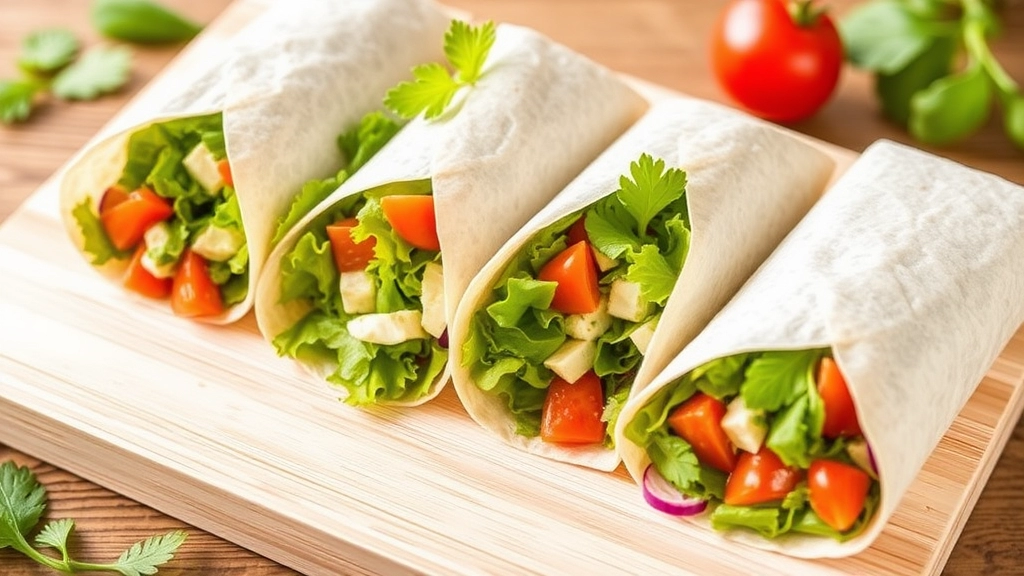
As someone who has embraced sustainable living, I can attest to the transformative power of eco-friendly food wraps in the kitchen. These innovative food storage solutions not only help reduce waste but also preserve the freshness of your food in a way that traditional plastic wraps simply cannot match. By making the switch, you contribute to a healthier planet and enjoy a more efficient kitchen.
Environmental Impact
One of the most compelling benefits of using reusable food wrap alternatives is their positive impact on the environment. Traditional plastic wraps contribute significantly to landfill waste and ocean pollution. In contrast, eco-friendly wraps are often biodegradable and can be reused multiple times, significantly reducing your household’s carbon footprint.
Cost-Effectiveness
Though the initial investment in eco-friendly food wraps might be higher than conventional wraps, their reusability makes them a cost-effective choice in the long run. You can save money by not having to constantly repurchase single-use plastic wraps, which adds up over time.
Health Benefits
Many traditional plastic wraps contain harmful chemicals that can leach into your food, posing health risks. Eco-friendly wraps, typically made from natural materials such as beeswax, cotton, or silicone, provide a safer alternative. They offer a non-toxic food storage solution that keeps your food fresh without compromising your health.
Versatility and Convenience
Eco-friendly wraps are incredibly versatile and can be used for various food storage solutions. Whether you’re covering a bowl, wrapping a sandwich, or storing cut fruits and vegetables, these wraps conform to different shapes and sizes, making them a convenient choice for everyday use.
| Benefit | Description |
|---|---|
| Environmental Impact | Reduces landfill waste and ocean pollution |
| Cost-Effectiveness | Saves money over time due to reusability |
| Health Benefits | Non-toxic alternative to plastic wraps |
| Versatility | Can be used for a variety of food storage needs |
Top Eco-Friendly Food Wrap Alternatives to Try
In recent years, the movement towards sustainable living has brought to light the importance of eco-friendly food wrap options. These alternatives not only help reduce waste but also offer innovative food storage solutions that can transform how we preserve our food. Here, I will share some of the most effective Reusable Food Wrap Alternatives that you can incorporate into your kitchen routine.
Beeswax Wraps
Beeswax wraps have become a popular choice for those seeking to minimize their environmental footprint. Made from organic cotton infused with beeswax, these wraps are naturally antibacterial and can be molded around bowls or directly onto food items. Their tacky texture ensures a tight seal, keeping your food fresh for longer periods. Beeswax wraps are perfect for wrapping cheese, fruits, and sandwiches.
Silicone Food Covers
Silicone food covers are an excellent alternative to traditional plastic wraps. These stretchy lids can fit over various container sizes, providing an airtight seal that helps maintain food freshness. They are durable, reusable, and dishwasher-safe, making them a practical choice for everyday use. Silicone covers are ideal for covering cut fruits, vegetables, and even bowls of leftovers.
Fabric Bowl Covers
Fabric bowl covers offer a charming and sustainable way to cover dishes. Typically made from cotton or linen, these covers are often lined with a water-resistant layer to prevent leaks. They are perfect for covering salads, dough, or any dish that needs to be protected in the refrigerator. Additionally, fabric bowl covers can be easily washed and reused, contributing to a zero-waste lifestyle.
Plant-Based Wraps
For those who prefer vegan options, plant-based wraps made from soy wax or candelilla wax are available. These wraps function similarly to beeswax wraps but are entirely plant-derived, making them suitable for vegans. They are versatile and can be used for wrapping snacks, sandwiches, and more, offering a sustainable alternative to single-use plastic wraps.
Compostable Food Wraps
Compostable food wraps are designed to break down naturally, reducing the long-term impact on the environment. Made from materials such as cellulose or natural fibers, these wraps are ideal for those committed to composting. They are effective for short-term food storage and can be disposed of with your compost waste, completing their lifecycle in an eco-friendly manner.
By integrating these eco-friendly food wrap alternatives into your daily routine, you can significantly reduce your reliance on disposable plastics and contribute to a more sustainable planet. Each option offers unique benefits, allowing you to choose the best food storage solutions that suit your needs and preferences.
How to Use Beeswax Wraps for Maximum Freshness
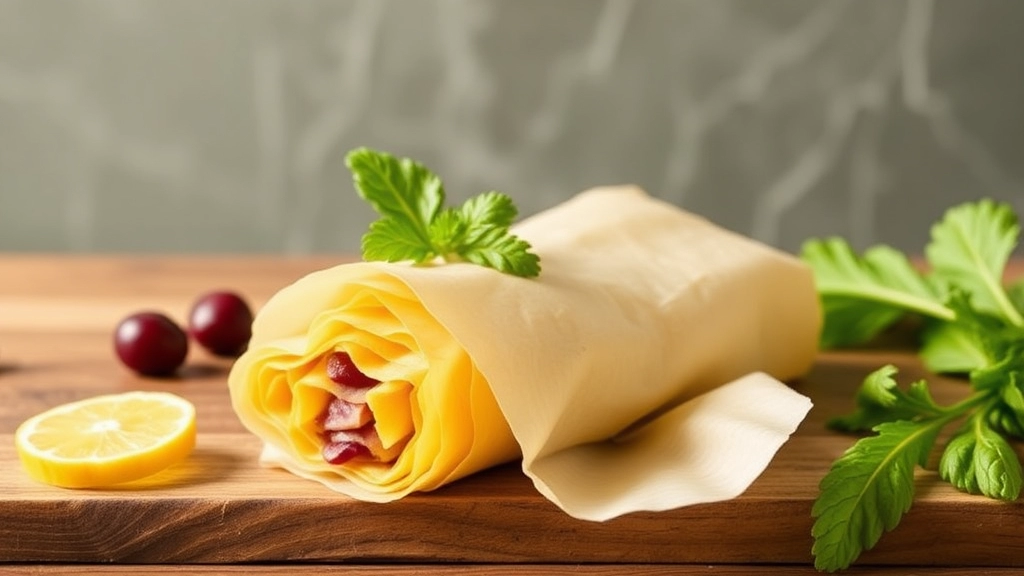
Beeswax wraps are a revolutionary addition to any kitchen, offering an eco-friendly alternative to traditional plastic wraps. They are crafted from cotton fabric infused with beeswax, tree resin, and jojoba oil, which creates a malleable and breathable material perfect for food storage solutions. To ensure you’re getting the most out of your beeswax wraps, it’s essential to understand how to use them effectively.
Activating the Wraps
Before using beeswax wraps, you need to activate them. Simply use the warmth of your hands to mold the wrap around the item or container. The heat will soften the wrap, allowing it to stick to itself and form a seal. This step is crucial for maintaining maximum freshness of your food items.
Common Uses for Beeswax Wraps
Beeswax wraps are incredibly versatile and can be used for a variety of food wrap applications. Here are some common uses:
| Use | Description |
|---|---|
| Covering Bowls | Wrap around the rim of bowls or dishes to keep leftovers fresh. |
| Wrapping Produce | Perfect for wrapping fruits and vegetables to prolong freshness. |
| Sandwich Wraps | Ideal for wrapping sandwiches for lunch, keeping them fresh and secure. |
| Cheese Storage | Helps cheese retain moisture and flavor without plastic. |
Tips for Optimal Use
To maximize the lifespan and effectiveness of your beeswax wraps, consider these tips:
- Avoid using beeswax wraps with raw meat, as they cannot be washed in hot water.
- Keep wraps away from heat sources, such as microwaves and ovens, to prevent melting.
- For stubborn items, use a rubber band or string to secure the wrap in place.
Combining with Other Reusable Food Wrap Alternatives
While beeswax wraps are excellent on their own, they can also be combined with other Reusable Food Wrap Alternatives for a comprehensive food storage solution. For instance, use beeswax wraps for produce and sandwiches, and pair them with silicone bags for liquids or soups. This combination ensures every type of food is stored appropriately, minimizing waste and maximizing freshness.
DIY Reusable Food Wraps: A Step-by-Step Guide
Transforming your kitchen into a hub of sustainability is easier than you might think. One of the simplest ways to start is by creating your own reusable food wraps. These eco-friendly food wrap solutions not only help reduce waste but also serve as excellent food storage solutions for various types of produce and leftovers. Here’s a detailed guide to making your own.
Materials You’ll Need
To create your DIY reusable food wraps, gather the following materials:
- Cotton fabric (preferably organic)
- Beeswax pellets or bars
- Jojoba oil (optional for added flexibility)
- Parchment paper
- A baking sheet
- A paintbrush or dedicated kitchen brush
Step-by-Step Instructions
1. Prepare Your Fabric
Begin by cutting your cotton fabric into desired sizes. Common sizes include 8×8 inches for small items, 12×12 inches for sandwiches, and 14×14 inches for larger produce. Ensure the edges are neat to prevent fraying.
2. Set Up Your Workspace
Preheat your oven to 200°F (93°C). Line a baking sheet with parchment paper to protect it from wax residue. Place your cut fabric on the parchment paper.
3. Apply the Beeswax
Sprinkle beeswax pellets evenly over the fabric. If using a bar, grate it over the surface. For added flexibility, you can mix in a few drops of jojoba oil. The wax should cover the fabric evenly but not excessively.
4. Melt and Spread the Wax
Place the baking sheet in the oven for about 5 minutes, allowing the wax to melt completely. Once melted, use a paintbrush to spread the wax evenly across the fabric. Ensure all areas are coated for maximum effectiveness.
5. Cool and Set
Remove the baking sheet from the oven and let the wrap cool on a flat surface. As it cools, the wax will solidify, creating a durable and flexible food wrap.
Customizing Your Wraps
Feel free to personalize your Reusable Food Wrap Alternatives with different patterns and colors. This not only adds a touch of creativity to your kitchen but also helps in identifying different wraps for specific uses.
Final Tips
These DIY wraps are perfect for covering bowls, wrapping sandwiches, or storing cut fruits and vegetables. By incorporating these food storage solutions into your daily routine, you contribute to a more sustainable lifestyle while keeping your food fresh.
Creative Ways to Store Food with Reusable Wraps
Embracing eco-friendly food wrap hacks can truly revolutionize your kitchen. One of the most impactful changes is adopting creative ways to store food using reusable food wrap alternatives. These alternatives not only help in reducing waste but also offer versatile food storage solutions that can keep your food fresh longer.
Utilize Different Shapes and Sizes
Reusable wraps come in various shapes and sizes, allowing you to tailor your food storage to specific needs. For instance, larger wraps can be used to cover bowls or wrap loaves of bread, while smaller wraps are perfect for fruits or snacks. Leveraging these variations can optimize your storage space and maintain the freshness of different food items.
Wrap and Seal Techniques
Mastering the art of wrapping and sealing is crucial for maximizing the effectiveness of food wrap. For instance, when wrapping sandwiches or snacks, ensure that the wrap is tightly sealed around the edges to prevent air exposure. This technique is especially useful when storing food that tends to dry out quickly, such as cheese or cut vegetables.
Innovative Storage Ideas
Consider using reusable food wrap alternatives creatively beyond the typical food items. For example, they can be shaped into small pouches to hold loose items like nuts or seeds. Additionally, you can use them to cover the tops of jars or containers as an alternative to plastic lids.
Food Storage Solutions Table
| Food Item | Recommended Wrap Size | Additional Tips |
|---|---|---|
| Sandwiches | Medium | Fold tightly and seal edges |
| Half-cut Fruits | Small | Wrap directly on the cut side |
| Bowls | Large | Press down to seal around the rim |
| Bread Loaves | Extra Large | Wrap fully to prevent drying |
By incorporating these food storage solutions into your routine, you can effectively reduce reliance on single-use plastics while enhancing the longevity and quality of your stored foods. Whether you’re wrapping a sandwich for lunch or preserving leftovers, these techniques will help you make the most of your eco-friendly food wrap collection.
Maintaining and Cleaning Your Eco-Friendly Food Wraps
Proper maintenance and cleaning of your eco-friendly food wraps are crucial to ensuring their longevity and effectiveness. These Reusable Food Wrap Alternatives not only help in reducing waste but also provide excellent Food Storage Solutions. With the right care, you can revolutionize your kitchen practices and extend the life of your wraps significantly.
Cleaning Your Food Wraps
To clean your food wrap, it is important to use gentle methods to avoid damaging the material. Follow these steps for optimal results:
| Step | Action |
|---|---|
| 1 | Use cold water and mild soap to gently wash the wrap. |
| 2 | Avoid using hot water, as it can melt beeswax or other coatings. |
| 3 | Rinse thoroughly to remove all soap residue. |
| 4 | Hang or lay flat to air dry completely before storing. |
Maintaining Your Wraps
Regular maintenance will not only keep your eco-friendly food wraps clean but also ensure they remain effective over time. Here are some tips:
- Avoid direct exposure to heat sources such as microwaves or dishwashers.
- Store in a cool, dry place to prevent degradation of the material.
- If the wrap loses its stickiness, refresh it by placing it on a baking sheet in a warm oven for a few minutes.
- Inspect regularly for signs of wear and tear, replacing them when necessary.
By following these guidelines, you can maximize the lifespan of your Reusable Food Wrap Alternatives and continue to enjoy their benefits as part of your sustainable Food Storage Solutions. Embracing these practices not only supports an eco-friendly lifestyle but also enhances the efficiency and organization of your kitchen.
FAQs on Eco-Friendly Food Wrap Hacks
What are eco-friendly food wraps?
Eco-friendly food wraps are sustainable alternatives to traditional plastic wraps. They are made from natural materials such as beeswax, cotton, or silicone, and are designed to reduce waste and preserve food freshness.
How do eco-friendly food wraps benefit the environment?
These wraps significantly reduce landfill waste and ocean pollution because they are often biodegradable and reusable, unlike single-use plastic wraps. By using them, you can lower your household’s carbon footprint.
Are eco-friendly food wraps cost-effective?
Yes, while the initial cost may be higher, their reusability makes them a cost-effective choice over time. You save money by not having to repeatedly buy single-use plastic wraps.
Do eco-friendly wraps pose any health risks?
No, eco-friendly wraps are typically made from natural, non-toxic materials, providing a safer alternative to plastic wraps which may contain harmful chemicals.
What types of food can I store with eco-friendly wraps?
Eco-friendly wraps are versatile and can be used for various food storage needs, including covering bowls, wrapping sandwiches, and storing cut fruits and vegetables.
What are some popular types of eco-friendly food wraps?
Popular options include beeswax wraps, silicone food covers, fabric bowl covers, plant-based wraps, and compostable food wraps. Each type offers unique benefits and uses.
How do I activate and use beeswax wraps effectively?
To activate beeswax wraps, use the warmth of your hands to mold the wrap around the item or container. This softens the wrap, allowing it to stick to itself and form a seal, thereby maintaining food freshness.
Can I make my own reusable food wraps?
Yes, creating DIY reusable food wraps is simple. You’ll need cotton fabric, beeswax, and optional jojoba oil. By following a step-by-step guide, you can craft your own eco-friendly wraps at home.
How should I clean and maintain my eco-friendly food wraps?
Clean your wraps with cold water and mild soap, avoiding hot water to prevent melting. Air dry them completely before storing in a cool, dry place. Refresh the wrap’s stickiness by placing it in a warm oven if needed.
How can I creatively store food using reusable wraps?
Utilize different wrap sizes for specific needs, master wrapping and sealing techniques, and consider innovative storage ideas like shaping wraps into pouches or covering jars. These methods help reduce plastic use and keep food fresh longer.
References
- Beeswax Wraps Learn more about Beeswax Wraps…
- Silicone Food Covers Explore Silicone Food Covers…
- Fabric Bowl Covers Discover Fabric Bowl Covers…