

















Say Goodbye to Plastic: The Ultimate Guide to Eco-Friendly Supermarket Food Bags
In a world increasingly aware of environmental challenges, “Say Goodbye to Plastic: The Ultimate Guide to Eco-Friendly Supermarket Food Bags” offers a comprehensive exploration of sustainable alternatives. This guide delves into the environmental toll of plastic bags and presents practical, eco-friendly options for conscientious consumers.
Benefits of Eco-Friendly Supermarket Bags
Discover the benefits of transitioning to eco-friendly supermarket bags, from reducing pollution to promoting healthier living. Learn about various options, including reusable cloth, biodegradable, and silicone bags, and how to choose the right one for your needs.
Join the Movement
Join the movement towards a plastic-free future and make informed choices for a sustainable lifestyle.
Checking Out the Environmental Impact of Plastic Bags
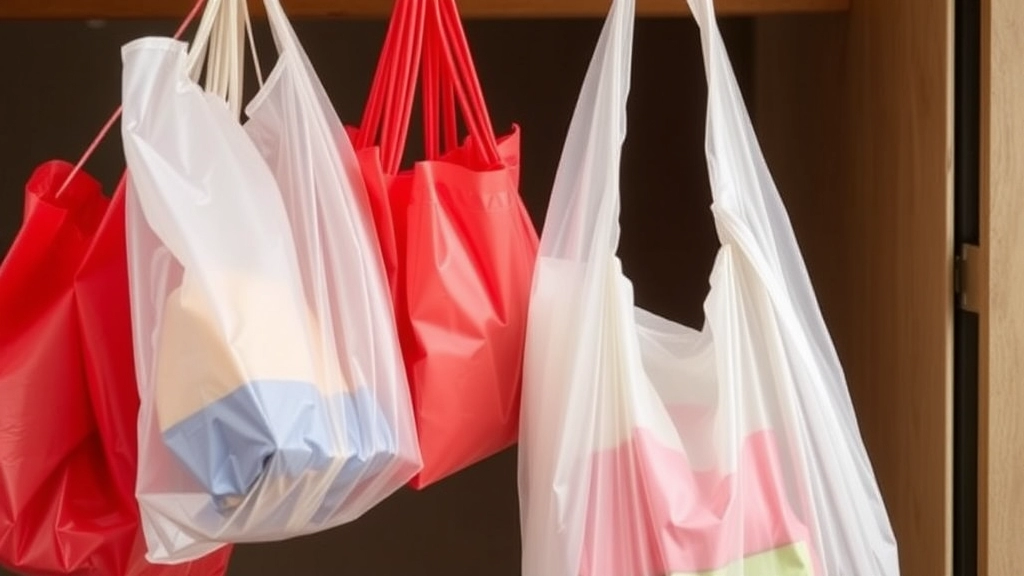
As a professional deeply participated in the study of ecological sustainability, I have actually experienced firsthand the damaging impact that plastic bags carry our earth. The benefit used by these bags in grocery stores is overshadowed by their long-lasting detrimental impacts on ecosystems.
The Ubiquity and Longevity of Plastic Bags
Plastic bags are common in our day-to-days live, especially in supermarkets, where they are often made use of for food storage space and transport. Nevertheless, the environmental expense of these bags is significant. As soon as thrown out, plastic bags can take centuries to decompose, throughout which time they add to contamination and harm wild animals.
Ecological Consequences
Plastic bags are a major resource of contamination, with millions winding up in our oceans and landscapes annually. This not just affects aquatic life, where pets blunder them for food, but likewise interrupts terrestrial ecological communities. The production of plastic bags is likewise energy-intensive, adding to greenhouse gas emissions. Below is a table illustrating a few of the ecological influences:
| Impact | Summary |
|---|---|
| Pollution | Plastic bags add significantly to land and aquatic pollution. |
| Wildlife Harm | Animals usually ingest plastic bags, causing injury or death. |
| Resource Depletion | The production of plastic bags eats non-renewable resources. |
| Carbon Footprint | Production plastic bags launches considerable carbon discharges. |
Human Health and Economic Costs
The impact of plastic bags expands beyond ecological concerns. They pose a risk to human wellness, as microplastics go into the food cycle and water materials. Economically, the costs of cleaning up plastic waste and the loss of biodiversity have significant implications.
Comprehending these effects is vital as we strive to minimize our reliance on plastic and change towards even more sustainable alternatives. The shift far from plastic bags in supermarkets is not just an environmental imperative yet a necessary step towards a healthier earth.
Advantages of Switching to Eco-Friendly Supermarket Bags
Decreasing Environmental Impact
One of the most considerable benefits of transitioning to environmentally friendly grocery store bags is the reduction in ecological injury. Standard plastic bags are well-known for their lengthy decomposition time, commonly taking centuries to break down. By opting for lasting alternatives, we can dramatically lower the amount of plastic waste that winds up in landfills and seas, therefore preserving our ecosystems for future generations.
Reducing Resource Consumption
Eco-friendly bags typically need fewer sources to generate compared to their plastic counterparts. For circumstances, organic cotton or hemp bags are made from renewable resources, which decreases the need for petroleum-based materials. This shift not just conserves all-natural resources yet also decreases the carbon footprint related to the production of conventional plastic bags.
Enhancing Durability and Reusability
Unlike single-use plastic bags, eco-friendly options are designed to be resilient and recyclable. Products such as canvas, hemp, or recycled PET (rPET) provide stamina and durability, permitting consumers to use them multiple times without wear and tear. This resilience equates to fewer bags required with time, contributing to a much more sustainable purchasing experience.
Promoting Healthier Living
Changing to environment-friendly bags can likewise have health and wellness advantages. Lots of plastic bags have harmful chemicals such as BPA and phthalates, which can seep into food and posture health dangers. On the other hand, bags made from all-natural fibers or food-safe materials guarantee that your groceries continue to be devoid of toxic contaminants, advertising a healthier way of living.
Supporting Ethical Practices
By picking eco-friendly supermarket bags, consumers are typically supporting firms that prioritize moral and sustainable techniques. Several brand names committed to creating these bags involve in reasonable profession, guaranteeing that employees get fair salaries and work in risk-free conditions. This ethical approach extends beyond environmental benefits, fostering favorable social effect too.
Urging Consumer Awareness
The shift towards green bags likewise plays a vital function in raising customer awareness about sustainability. As more people take on these choices, it encourages others to examine their own consumption routines and take into consideration the environmental ramifications of their selections. This growing awareness can bring about broader adjustments in consumer behavior, eventually driving demand for more lasting products across numerous fields, consisting of grocery stores and food storage space solutions.
Kinds of Eco-Friendly Food Bags Available
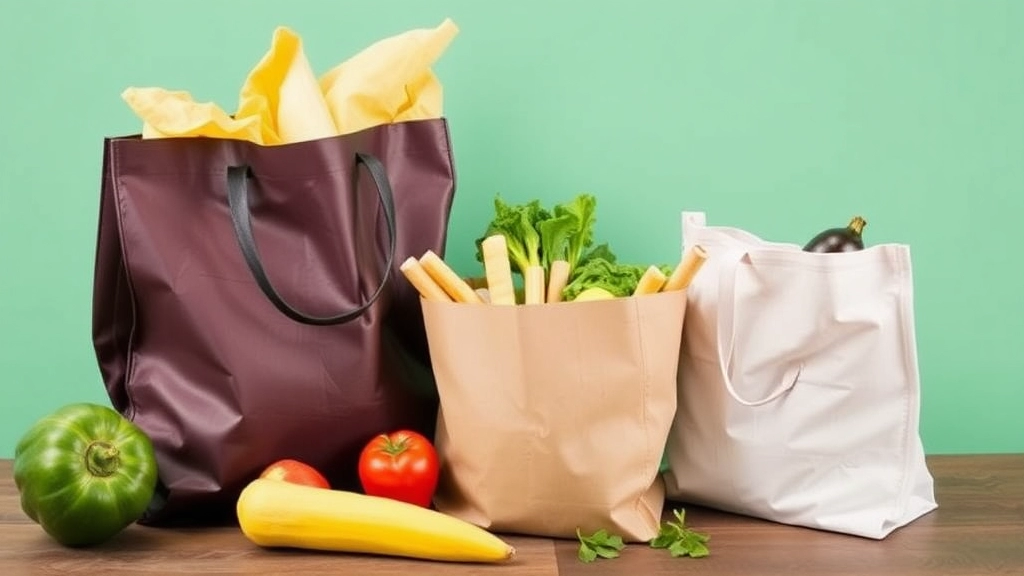
In the quest of an extra lasting lifestyle, picking the appropriate environmentally friendly supermarket food bags is crucial. As customers end up being extra mindful of their environmental footprint, a selection of choices to the typical plastic bag have actually emerged, each offering distinct advantages and attributes. Below, we explore the different types of eco-friendly food bags that can aid you bid farewell to plastic.
Reusable Cloth Bags
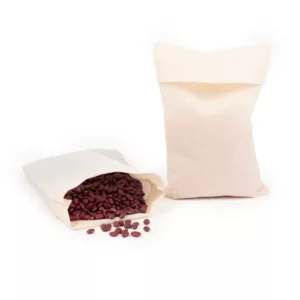
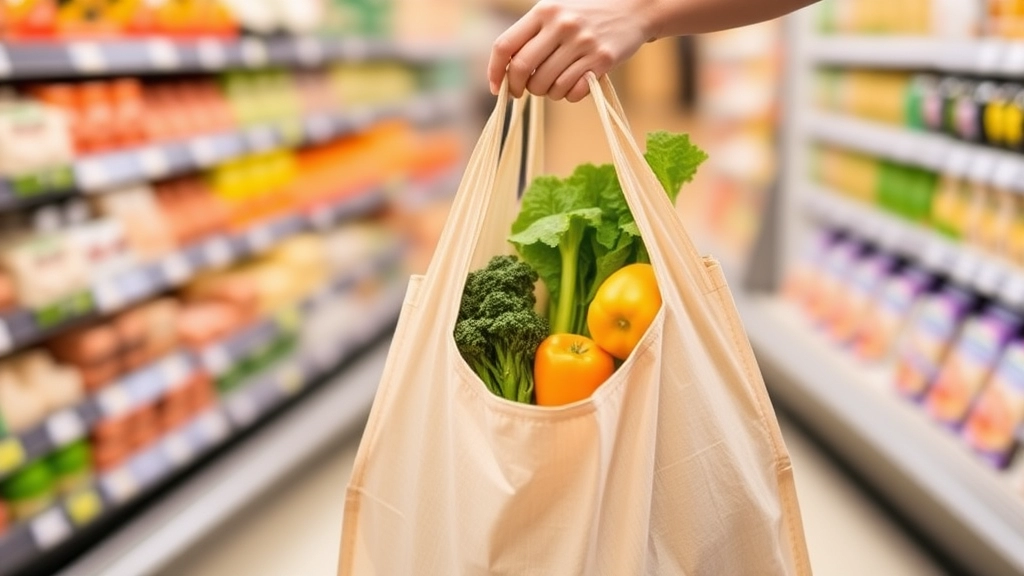
Recyclable towel bags are a prominent choice because of their resilience and adaptability. Made from materials such as cotton, hemp, or jute, these bags can withstand various buying trips without breaking. They are ideal for carrying a range of grocery stores, from fresh fruit and vegetables to packaged items, and can be easily cleaned, making them a sanitary choice for food storage.
Biodegradable Bags
Eco-friendly bags are made to break down more promptly than typical plastic bags when subjected to natural elements. These bags are commonly made from plant-based materials like cornstarch or potato starch. While they offer a more environmentally friendly alternative, it is crucial to make certain that they are gotten rid of correctly to optimize their ecological advantages.
Compostable Bags
Compostable bags take biodegradability an action further by breaking down right into raw material that can enhance the soil. These bags are accredited to decompose in composting facilities, making them an excellent selection for those who have accessibility to such centers or who compost at home. They are often made use of for carrying fresh produce and various other subject to spoiling items.
Recycled Plastic Bags
For those who favor the convenience and experience of plastic, recycled plastic bags offer a sustainable choice. Made from post-consumer recycled products, these bags assist minimize waste and save resources. They are sturdy, recyclable, and can typically be reused once again, adding to a circular economic climate.
Silicone Bags
Silicone bags are a versatile and sturdy option for supermarket buying and food storage. These bags are heat-resistant, making them suitable for storing both warm and chilly products. They are also dishwashing machine secure, which adds to their comfort. Silicone bags are a durable choice that can significantly lower the demand for single-use plastics.
| Kind of Bag | Material | Key Features |
|---|---|---|
| Recyclable Cloth Bags | Cotton, Hemp, Jute | Long lasting, Washable, Versatile |
| Eco-friendly Bags | Plant-Based (Cornstarch, Potato Starch) | Quick Decomposition, Eco-Friendly |
| Compostable Bags | Qualified Compostable Materials | Breaks Down into Organic Matter |
| Recycled Plastic Bags | Post-Consumer Recycled Materials | Multiple-use, Recyclable, Familiar |
| Silicone Bags | Silicone | Heat-Resistant, Dishwasher Safe |
As we move in the direction of an extra sustainable future, recognizing the various kinds of green food bags offered can equip us to make informed choices that straighten with our values and way of living. Whether you go with fabric, biodegradable, compostable, recycled plastic, or silicone, each option represents a step away from reliance on traditional plastic bags and towards a much more lasting lifestyle.
How to Choose the Right Eco-Friendly Bag for Your Needs
In the journey to state goodbye to plastic, selecting the appropriate eco-friendly supermarket bag is crucial. The very first step is to understand the particular needs of your shopping behaviors. Think about elements such as the frequency of your grocery store visits, the types of products you typically acquisition, and exactly how you intend to keep your food. These considerations will direct you in selecting a bag that is both practical and lasting.
Material Matters
Environment-friendly bags come in a variety of materials, each with its very own set of advantages. Multiple-use fabric bags made from organic cotton or hemp are popular for their resilience and biodegradability. Jute bags are one more exceptional alternative, recognized for their stamina and eco-friendliness. If you’re searching for something lightweight, recycled polyester bags can be a great selection, as they typically come from repurposed materials and are simple to clean.
Size and Capacity
The dimension and capacity of the bag are additionally important variables to consider. For larger purchasing journeys, you could need a bag that can hold a considerable amount of grocery stores, whereas smaller sized, foldable bags might be sufficient for fast visits to the grocery store. Analyzing your normal shopping tons will certainly assist you figure out the ideal size and variety of bags you need.
Capability and Features
When picking an environmentally friendly bag, search for features that add benefit to your shopping experience. Bags with strengthened manages use better support for larger things, while those with areas or pockets can help arrange your groceries extra successfully. Additionally, consider bags that are easy to tidy and maintain, especially if you plan to utilize them for fresh fruit and vegetables or pe food storage space.
Expense and Longevity
While preliminary expenses for environmentally friendly bags could be greater than conventional plastic bags, their longevity typically makes them an economical selection in the lengthy run. Purchasing top notch bags that stand up to constant use will certainly save money and lower waste with time. It’s vital to evaluate the in advance price against the bag’s expected lifespan and sustainability benefits.
Personal Style and Preferences
Lastly, don’t neglect to consider your individual design and choices. Environmentally friendly bags been available in various designs and shades, permitting you to reveal your individuality while making ecologically conscious choices. Choosing a bag that straightens with your aesthetic can make the shift to a plastic-free lifestyle much more enjoyable and rewarding.
Tips for Transitioning to a Plastic-Free Shopping Experience
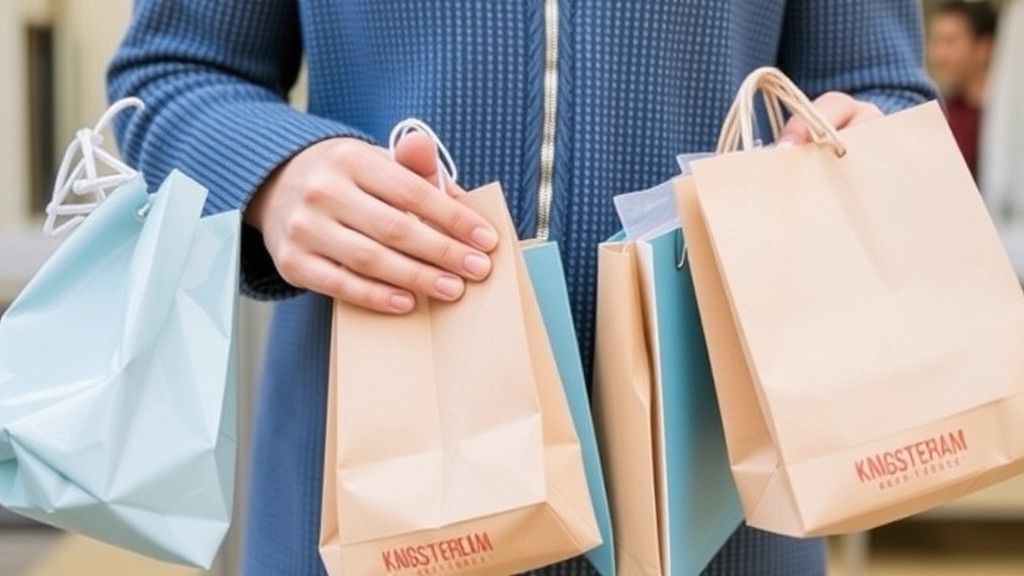
Start with Awareness
Recognizing the environmental impact of plastic bags is the very first step. By identifying exactly how these bags add to contamination and injury wild animals, you can better appreciate the relevance of switching to eco-friendly supermarket choices.
Pick the Right Eco-Friendly Bags
Consider the different kinds of environment-friendly food bags available. Alternatives consist of reusable towel bags, eco-friendly bags, and bags made from recycled materials. Each type has its very own advantages, so evaluate your demands and select as necessary.
Strategy Your Shopping
Before heading to the grocery store, plan your wish list and figure out the number of bags you’ll require. This aids in preventing the use of plastic bags and guarantees that you bring enough environmentally friendly alternatives.
Include Reusable Bags into Your Routine
Make it a practice to carry multiple-use bags whenever you go shopping. Keep them in your cars and truck or near your residence entryway so they’re quickly available. Over time, this will end up being acquired behavior.
Educate Others
Share your trip with loved ones. Encourage them to state farewell to plastic by describing the advantages of switching over to lasting bags. This collective effort can dramatically minimize plastic waste.
Assistance Brands Leading the Way
Pick to buy from brands that provide lasting bag remedies. Supporting these business motivates technology and helps advertise the accessibility of eco-friendly alternatives in the market.
Screen Your Progress
Track your development by noting the decrease in plastic bag usage. This can be inspiring and give a clear picture of the positive influence your actions have on the atmosphere.
| Eco-Friendly Bag Type | Trick Benefits |
|---|---|
| Towel Bags | Sturdy, washable, and recyclable |
| Eco-friendly Bags | Damage down normally, decreasing air pollution |
| Recycled Material Bags | Decrease waste by utilizing existing materials |
Brands Leading the Way in Sustainable Bag Solutions
Over the last few years, the shift towards environmentally friendly supermarket bags has actually obtained substantial momentum, driven by both consumer need and ecological requirement. Numerous brands go to the forefront of this movement, supplying innovative options that make it easier for customers to say goodbye to plastic and welcome sustainability.
Recyclable Bag Innovators
One of the leaders in this space is Baggu. Known for their trendy and long lasting reusable bags, Baggu has become a household name for those seeking to minimize their reliance on plastic bags. Their bags are made from recycled materials and are made to be compact, making them simple to lug and store.
Biodegradable Options
BioBag is an additional brand name making waves with their eco-friendly bag remedies. These bags are made from plant-based products and are designed to break down in composting atmospheres, using a sensible choice to typical plastic bags. BioBag’s dedication to sustainability prolongs past their products, as they proactively advertise composting and waste reduction practices.
Ingenious Material Solutions
Stasher has actually revolutionized the market with their silicone-based food storage space bags. These multiple-use bags are excellent for storing grocery stores and leftovers, supplying a lasting option to single-use plastics. Stasher bags are not just long lasting and easy to clean however additionally devoid of harmful chemicals, making them a secure choice for customers.
Grocery store Partnerships
Many supermarkets are also tipping up their video game by partnering with brands to use environmentally friendly bag options. For instance, Whole Foods Market has actually collaborated with numerous lasting bag makers to offer customers with reusable and eco-friendly options at check out. This campaign not only aids minimize plastic waste yet likewise motivates consumers to make even more environmentally mindful options.
Customizable Solutions
ChicoBag offers adjustable reusable bags that provide to the unique needs of consumers. Their bags are available in different sizes and designs, making them suitable for a broad range of shopping needs. By offering versatile alternatives, ChicoBag empowers customers to customize their purchasing experience while reducing their ecological footprint.
These brand names, among others, are leading the cost in developing an extra lasting future by offering practical and innovative options to plastic bags. As more customers familiarize the ecological effect of their selections, the need for environment-friendly grocery store bags is expected to expand, driving more advancement and fostering in the market.
Future Trends in Eco-Friendly Supermarket Bags
As we continue to claim bye-bye to plastic, the future of environmentally friendly supermarket bags is evolving swiftly. With expanding ecological understanding and technical advancements, the landscape of sustainable shopping remedies is readied to change considerably. Here, I discover a few of the vital patterns forming the future of environmentally friendly supermarket food bags.
Cutting-edge Materials
The development of new materials is at the forefront of the environmentally friendly bag change. Biodegradable and compostable materials, such as plant-based plastics and mushroom-based product packaging, are getting grip. These materials not only minimize reliance on conventional plastics yet also supply a more sustainable lifecycle.
Multiple-use and Multi-Purpose Designs
Consumers are increasingly looking for bags that supply flexibility and durability. Reusable bags that can function as food storage remedies are coming to be popular. These bags are designed to withstand several uses, decreasing the requirement for single-use alternatives and adding to an extra lasting purchasing experience.
Smart Technology Integration
Technology is playing a critical role in the evolution of supermarket bags. Functions such as RFID tags for very easy check out and monitoring, or integrated sensors to check the freshness of saved food, are being checked out. These advancements intend to boost convenience while preserving eco-friendly principles.
Consumer Education and Engagement
Informing consumers about the advantages and correct usage of environment-friendly bags is crucial. Supermarkets are progressively concentrating on campaigns that highlight the environmental impact of plastic bags and the benefits of lasting choices. Engaging consumers through loyalty programs or rewards for utilizing green bags is also an expanding trend.
Regulatory Support and Industry Collaboration
Federal government policies and sector collaborations are driving the adoption of green supermarket bags. Policies that impose limitations on single-use plastics, coupled with partnerships between merchants and manufacturers, are fostering a more sustainable industry.
| Trend | Description |
|---|---|
| Ingenious Materials | Growth of naturally degradable and compostable materials. |
| Reusable Designs | Bags designed for several uses and as food storage space remedies. |
| Smart Technology | Assimilation of RFID and sensing units for improved performance. |
| Consumer Education | Projects and rewards to advertise environment-friendly bag usage. |
| Governing Support | Government policies and market collaborations to minimize plastic use. |
To conclude, the future of environmentally friendly grocery store bags is promising, with significant innovations in products, style, and innovation. By accepting these trends, we can collectively add to an extra sustainable and environmentally mindful shopping experience.
FAQs on Eco-Friendly Supermarket Food Bags
What are the environmental impacts of using plastic bags?
Plastic bags contribute to significant environmental issues, including pollution, harm to wildlife, resource depletion, and increased carbon emissions. They take hundreds of years to decompose, affecting both marine and terrestrial ecosystems.
What are the benefits of switching to eco-friendly supermarket bags?
Eco-friendly bags reduce environmental harm, minimize resource consumption, enhance durability and reusability, promote healthier living, support ethical practices, and encourage consumer awareness about sustainability.
What types of eco-friendly food bags are available?
Options include reusable cloth bags, biodegradable bags, compostable bags, recycled plastic bags, and silicone bags. Each type offers unique benefits, such as durability, quick decomposition, and being heat-resistant.
How do I choose the right eco-friendly bag for my needs?
Consider your shopping habits, the material of the bag, size and capacity, functionality and features, cost and longevity, as well as personal style and preferences. This will help you select a practical and sustainable option.
What tips can help me transition to a plastic-free shopping experience?
Start with awareness of the impact of plastic bags, choose the right eco-friendly bags, plan your shopping, incorporate reusable bags into your routine, educate others, support sustainable brands, and monitor your progress.
Which brands are leading the way in sustainable bag solutions?
Brands like Baggu, BioBag, Stasher, and ChicoBag are at the forefront, offering innovative solutions such as reusable, biodegradable, and silicone-based bags. Supermarkets like Whole Foods Market also collaborate with these brands to offer eco-friendly options.
What future trends are expected in eco-friendly supermarket bags?
Trends include the development of innovative materials, reusable and multi-purpose designs, smart technology integration, consumer education and engagement, and regulatory support and industry collaboration to reduce plastic usage.
References
- Benefits of Eco-Friendly Bags Description text…
- Choosing the Right Eco-Friendly Bag Description text…
- Brands Leading in Sustainable Bag Solutions Description text…