
















The Hidden Costs of Plastic Wrap Health and Planet Impacts
Plastic wrap may seem like a quick and convenient way to keep your food fresh, but the hidden costs to both your health and the environment are profound and often overlooked. While traditional plastic cling film is ubiquitous in kitchens across the United States, its widespread use poses significant health risks and contributes heavily to environmental degradation.
Health Concerns of Plastic Food Wrap
Many conventional plastic wraps contain chemicals like phthalates and BPA, which can leach into food, especially when heated. Studies suggest long-term exposure to these substances may disrupt hormones and increase the risk of chronic diseases. Using non-biodegradable plastic wrap for everyday food storage raises legitimate concerns about ingesting microplastics, a growing research area highlighting potential impacts on human health.
Environmental Impact of Plastic Wrap
From production to disposal, plastic wrap carries a high ecological footprint:
- Non-biodegradable: Plastic wrap takes hundreds of years to decompose, creating persistent landfill waste and polluting ecosystems.
- Microplastic pollution: As plastic breaks down, tiny particles contaminate soil and waterways, affecting wildlife and entering the food chain.
- Fossil fuel reliance: Most plastic wraps are derived from petroleum, linking them to climate change through greenhouse gas emissions during extraction and manufacturing.
- Low recyclability: Thin, flexible films are rarely accepted in curbside recycling programs, leading to widespread landfill disposal or incineration.
Why Sustainable Food Packaging Matters
Switching to eco-friendly plastic wrap replacements is more than just a trend—it’s a critical step towards a zero-waste kitchen storage system and a healthier planet. Adopting biodegradable food wrap substitutes, like beeswax or vegan wax wraps, helps reduce plastic pollution and lowers the toxic exposure risk associated with plastic cling film.
Understanding these hidden costs empowers you to make choices that protect your family’s health and support environmental sustainability. For more detailed insights into food preservation materials and their impact, explore options and innovations in modern food packaging technologies at Artfullife® history of food preservation film technology.
Small changes in your food storage routine can lead to big wins for your health, wallet, and the planet — starting today with eco-friendly food wrap alternatives.
Top 7 Eco-Friendly Food Wrap Alternatives Reviews and Comparisons
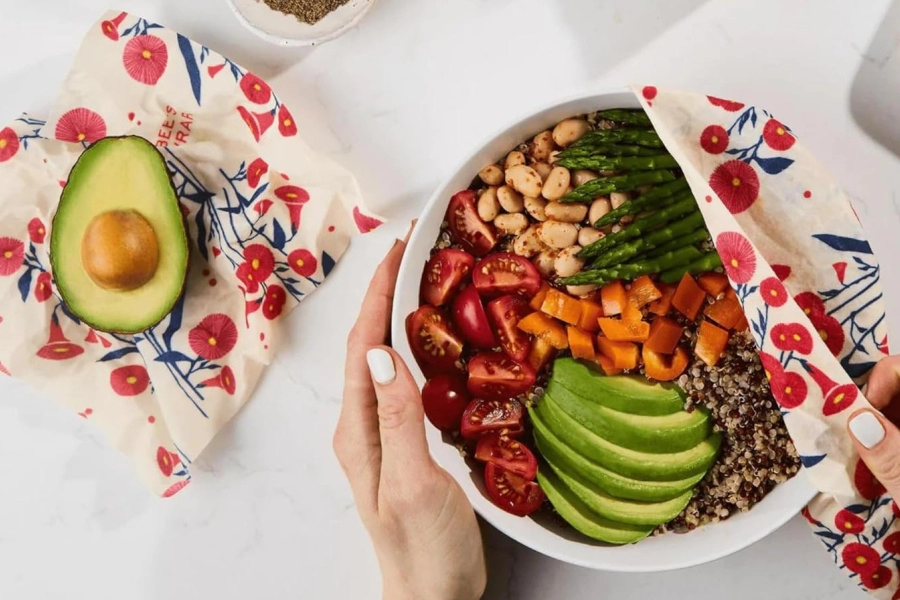
Switching to eco-friendly food wrap alternatives makes a big difference in reducing plastic waste. Here’s a quick look at the best options available for sustainable food storage and zero-waste kitchen setups.
Beeswax Wraps
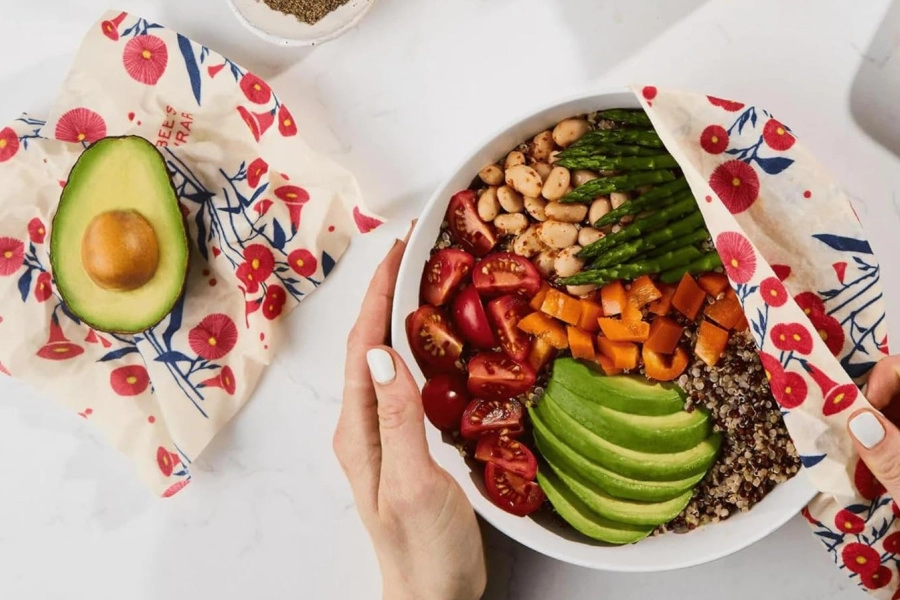
Reusable beeswax wraps are one of the most popular alternatives. Made from organic cotton coated with beeswax, they’re breathable, washable, and naturally antimicrobial. They mold easily around bowls or food, making them ideal for wrapping fruits, veggies, and sandwiches. Beeswax wraps are durable but need gentle care—hand wash in cold water and avoid heat to keep them lasting longer.
Vegan Wax Wraps
For those avoiding animal products, vegan wax food wraps use soy or candelilla wax instead of beeswax. These wraps offer similar benefits: they’re compostable, flexible, and reusable. Vegan options align well with plant-based lifestyles, making them a great biodegradable food wrap substitute that fits zero-waste households.
Silicone Lids and Bags
Silicone food covers and bags provide a strong, reusable alternative that seals tightly and handles hot or cold foods. Unlike wraps, silicone lids can stretch over many container sizes, while bags work well for storage and meal prep. They’re dishwasher-safe, long-lasting, and eliminate the need for disposable plastic wrap at every meal.
Glass or Stainless Steel Containers
Switching to glass or stainless steel containers is a straightforward way to ditch cling film. These sturdy, non-plastic containers keep food fresh without the waste. Ideal for leftovers, packed lunches, or bulk storage, they’re easy to clean and often microwave or freezer safe. They’re perfect for shoppers looking to invest in durable, non-toxic food storage solutions.
Compostable Cling Wrap
Compostable cling film alternatives made from plant-based materials like cellulose offer a similar feel and function as plastic wrap but break down in home compost setups. They are a good stop-gap for those who prefer disposable options but want to avoid traditional plastic’s environmental cost. Look for certified compostable labels to ensure they truly biodegrade.
Parchment or Soy Wax Paper
Using parchment paper or soy wax paper is another simple swap. These natural materials work well for wrapping sandwiches or lining bowls. Soy wax paper especially acts as a natural food storage wrap with some water resistance and compostability. These options reduce reliance on foil or plastic and fit well in a sustainable kitchen setup.
Reusable Cloth Bags or Cheesecloth
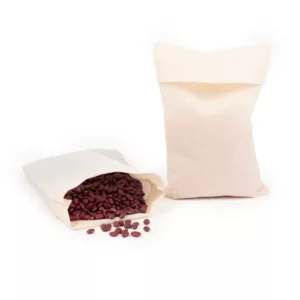
Reusable cloth bags and cheesecloth are perfect for storing produce, covering rising dough, or even wrapping cheese. They’re washable, lightweight, and help reduce plastic produce bags from your shopping trips. Cloth bags also double as a plastic-free meal prep tool, keeping food fresh while supporting zero-waste habits.
Each alternative offers unique benefits, whether it’s reusability, compostability, or durability. Choosing the right eco-friendly food wrap depends on your routine and storage needs, but any of these options help shrink your environmental footprint significantly.
How to Choose and Use Eco-Friendly Food Wrap Alternatives in Your Daily Routine
Switching to eco-friendly food wrap alternatives means finding options that fit your lifestyle and storage needs while reducing plastic waste. Here’s how you can choose the right sustainable food packaging and make the most of them every day.
Understand Your Food Storage Needs
Start by thinking about what you usually wrap or store:
- For fresh produce or snacks, flexible options like reusable beeswax wraps, vegan wax food wraps, or eco-friendly produce bags work well.
- For leftovers or meal prep, rigid containers such as glass or stainless steel containers or silicone food covers are durable and airtight.
- For covering bowls or plates, stretchy silicone lids are reusable and easy to clean.
- When you need a disposable but compostable option, choose compostable cling film alternatives or parchment or soy wax paper.
Match the Wrap to the Food Type
- Wet or oily foods may require more moisture-resistant wraps like silicone covers or vegan wax wraps made from plant-based materials.
- Dry foods are fine with cloth bags or beeswax wraps.
- Avoid using wraps that aren’t designed for freezer use, like some beeswax wraps, as they lose their grip and may degrade.
Tips for Using Eco-Friendly Wraps
- Wash wraps regularly with cool water and mild soap; avoid hot water as it can degrade wax coatings.
- Store wraps dry and flat to prevent molding and extend their life.
- When using cloth or cheesecloth for zero-waste kitchen storage, tie them loosely around produce or dishes.
- Recycle or compost any biodegradable or plant-based wraps at the end of their life cycle.
- Use silicone lids instead of plastic wrap when reheating in microwaves or ovens to reduce single-use plastic.
Consider Convenience and Maintenance
- If you’re short on cleaning time, silicone lids and glass containers might be a better daily choice.
- Beeswax and vegan wax wraps need a little upkeep but pay off over time with repeated use.
- Compostable cling film is great for occasional use when you want a guilt-free disposable option.
Make It a Habit
- Keep a few wraps in your kitchen where you prep food to encourage daily use.
- Replace all plastic cling wrap in your pantry with green alternatives for consistency.
- Buy different sizes and types so you always have the right eco-friendly plastic wrap replacements for each task.
By choosing the right sustainable cling film options and natural food storage wraps tailored to your habits, you can comfortably shift to a zero-waste kitchen storage routine that’s good for your family and the planet.
Cost Benefit Analysis Saving Money and the Planet with Sustainable Swaps
Switching to eco-friendly food wrap alternatives isn’t just good for the environment—it can also make financial sense over time. While some sustainable wraps and containers might seem pricey upfront compared to plastic wrap, the long-term benefits weigh heavily in your favor.
Long Term Savings from Reusable Food Wrap Options
- Durability reduces replacements: Products like reusable beeswax wraps, silicone food covers, and glass or stainless steel containers can last months or even years. That cuts down repeated spending on single-use plastic wrap and foil.
- Lower waste disposal costs: Using compostable cling film alternatives and biodegradable food covers means less trash going into landfills, which indirectly supports lower community waste management expenses.
- Less food waste: Eco wraps often provide better breathability and seal, keeping food fresher longer. That reduces spoilage and saves more money on groceries.
Environmental Savings That Matter
- Plastic-free meal prep cuts pollution: Single-use plastic wrap contributes to microplastics in soil and water. Swapping to sustainable cling film options lessens this impact noticeably.
- Lower carbon footprint: Manufacturing reusable or compostable wraps typically emits fewer greenhouse gases than plastic production.
- Waste reduction in your community: By choosing zero-waste kitchen storage solutions like vegan wax food wraps or eco-friendly produce bags, you help reduce landfill burden and encourage a culture of sustainability.
Making the Switch Work for You
To maximize your cost benefit:
- Invest in high-quality eco wraps upfront for longer lifespan.
- Use wraps like compostable cling film alternatives where disposability is needed, reducing plastic use while keeping convenience.
- Combine natural food storage wraps with airtight containers to extend food life.
Final Takeaway
Choosing green food packaging alternatives is a win-win—you save money by reducing waste and repeat purchases, while supporting environmentally friendly food covers that protect the planet. The shift to plastic-free alternatives pays off not just for your budget, but for future generations too.