














What Are Edible Preservative Films
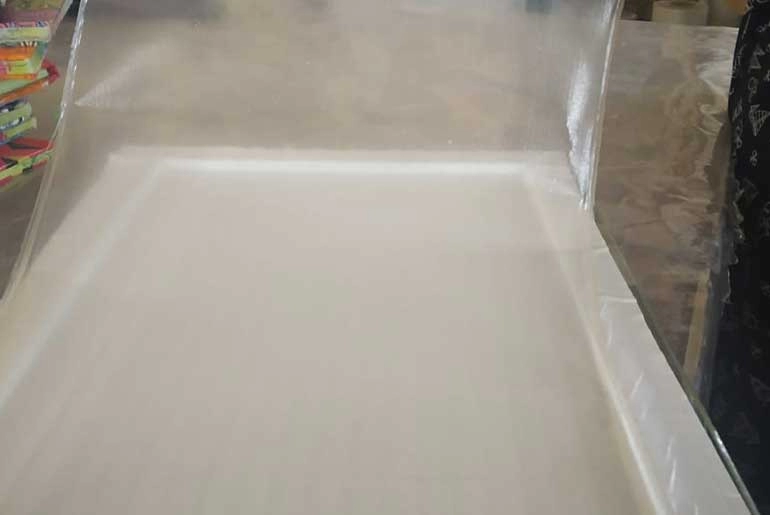
Edible preservative films are thin, consumable layers applied directly to food products to help maintain freshness, extend shelf life, and enhance safety. Unlike conventional synthetic packaging, these films are made from natural, biodegradable materials that are safe to eat and environmentally friendly. They serve as both a protective barrier and in some cases, an active preservative system that interacts beneficially with the food surface.
Key Ingredients and Materials
Most edible preservative films are formulated using one or a combination of:
- Polysaccharides – such as starch, cellulose, pectin, or alginate, which offer strong oxygen barrier properties but are permeable to water vapor.
- Proteins – including gelatin, casein, whey protein, or soy protein, which provide excellent mechanical strength and film-forming abilities.
- Lipids – such as beeswax, fatty acids, or plant oils, which enhance moisture resistance and help control water loss.
Formulations often include natural food preservatives like plant-derived antimicrobials or antioxidants to further slow microbial growth and oxidation.
How They Differ from Traditional Plastic Films
Edible preservative films differ from conventional plastic packaging in several key ways:
| Feature | Edible Preservative Films | Traditional Plastic Films |
|---|---|---|
| Material Source | Natural, renewable (polysaccharides, proteins, lipids) | Petroleum-based, non-renewable |
| Environmental Impact | Biodegradable, compostable, zero-waste | Long-term environmental pollution |
| Safety | Food safe, non-toxic, often nutrient-based | Non-edible, may contain harmful additives |
| Functionality | Can act as both packaging and preservative | Primarily acts as a passive barrier |
| Consumer Perception | Viewed as eco-conscious and innovative | Increasingly criticized for plastic waste impact |
By replacing or reducing the need for synthetic films, edible food wraps for shelf life represent a sustainable food packaging solution that meets the growing demand for eco-friendly and health-conscious options in the U.S. market.
How Edible Preservative Films Work to Extend Food Shelf Life
Edible preservative films act as a protective coating that slows down food spoilage. Instead of sealing products in conventional plastic, these films create a thin, edible, and biodegradable layer directly on the food surface or around it.
Key Preservation Mechanisms
- Moisture Barrier – Prevents fruit and vegetables from losing water too quickly, reducing shriveling and textural changes. Also keeps baked goods from going stale.
- Oxygen Regulation – Slows oxidation, which helps keep colors, flavors, and nutrients intact for longer.
- Antimicrobial Properties – Natural additives like plant extracts or organic acids help reduce the growth of bacteria, mold, or yeast.
- Breathability Control – Allows controlled gas exchange, which is especially important for fresh produce to avoid premature ripening or spoilage.
Real-World Shelf Life Improvements
Many foods show significant shelf life gains when wrapped, coated, or packaged with edible preservative films:
| Food Category | Shelf Life Without Film | Shelf Life With Edible Film | Key Benefit |
|---|---|---|---|
| Fresh strawberries | ~3 days | 7–10 days | Reduced mold growth & moisture loss |
| Leafy greens | 4–5 days | 8–9 days | Slower wilting, crisper texture |
| Fresh meat | 3–4 days | 6–8 days | Lower bacterial growth, fresher color |
| Cheese | 5–7 days | 10–14 days | Less surface mold, maintained flavor |
| Cut mango | 2–3 days | 5–6 days | Delayed browning, better aroma |
Why This Matters for US Food Businesses
For growers, processors, and retailers in the United States, extending freshness means:
- Less product waste
- More time for transportation and display
- Better presentation for consumers
- Added value for eco‑friendly branding
Edible preservative films combine food safety benefits with sustainable packaging trends, giving businesses a way to improve product quality while reducing reliance on single-use plastics.
Types and Variants of Edible Preservative Films
Classification by Material Composition
Edible preservative films come in several material types, each offering unique preservation benefits:
- Starch-Based Films – Made from corn, potato, or tapioca starch. These are cost-effective, biodegradable food packaging films with good oxygen barrier properties, ideal for dry snacks, bakery products, and produce.
- Protein-Based Films – Derived from sources like whey protein, soy protein, or gelatin. They have strong mechanical strength and are well-suited for meat, cheese, and high-moisture foods.
- Lipid-Based Films – Made from natural waxes, oils, or fatty acids. They provide excellent moisture resistance and work well for coatings on fresh fruits, baked goods, and confectionery.
Functional Additives for Enhanced Performance
To boost performance, these films can be blended with natural ingredients that add preservation power and consumer appeal:
- Natural Antimicrobials – Plant extracts, essential oils, or organic acids to slow bacterial growth.
- Antioxidants – Help protect foods from oxidation, maintaining color, flavor, and freshness longer.
- Flavor Enhancers – Infusions with herbs, spices, or citrus for added taste appeal in certain applications.
Customizable Options from Artfullife
As a wholesale edible film supplier from China, Artfullife offers U.S. food businesses the ability to tailor films to specific needs:
- Material selection – Starch, protein, or lipid base tailored to product type.
- Thickness and flexibility – Adjusted for different food packaging machinery and shelf life goals.
- Additive choices – Select antimicrobial, antioxidant, or flavor agents based on food type and market demand.
- Branding integration – Films can be developed to meet sustainability claims or “clean-label” marketing strategies.
This wide range of types and customization means you can match the film exactly to your product’s food preservation packaging needs, while also meeting sustainable food packaging solution goals.
Benefits of Using Edible Preservative Films
Food Safety and Allergen Friendly
Edible preservative films are made from natural, food-grade ingredients like starch, proteins, and plant-based lipids, so they’re non-toxic and safe to eat. For the U.S. market, where food safety regulations are strict, this means products can meet FDA compliance when manufactured to proper standards. Many formulations are also gluten-free, soy-free, and allergen-friendly, which helps brands appeal to health-conscious and sensitive consumers.
Key safety points:
- Safe to consume – made from approved food materials
- No harmful chemicals – unlike synthetic plastics
- Customizable for allergen-free claims
Environmental Impact and Waste Reduction
One of the biggest advantages is the eco-friendly packaging factor. These films are biodegradable, breaking down naturally without microplastics. They can even be eaten with the food, leaving zero packaging waste. For U.S. companies, this ticks the box for sustainable food packaging solutions and aligns with consumer demand for greener products.
Eco benefits:
- 100% biodegradable – compostable in household or industrial systems
- Zero waste – eliminates plastic wrap disposal
- Supports sustainability goals and brand image
Cost and Efficiency Benefits for Businesses
While they can cost a bit more upfront than basic plastic film, edible preservative films can help cut costs long-term:
- Reduces food spoilage – lower returns and waste
- Longer shelf life – improves retail sell-through rates
- Potential for brand differentiation – higher perceived value allows for premium pricing
For manufacturers and retailers, this creates better inventory control and less loss from expired goods.
Boost in Consumer Appeal
U.S. shoppers are increasingly looking for natural food preservatives and environmentally friendly food packaging. Edible films add a clean label marketing point your brand can promote. They also stand out on shelves as an innovative, high-quality packaging choice.
Market demand drivers:
- Growing trend toward sustainable packaging in grocery and foodservice
- Appeal to eco-conscious and health-conscious buyers
- Fits into retail strategies for premium, organic, or plant-based product lines
Applications and Use Cases of Edible Preservative Films
Suitable Foods
Edible preservative films work across a wide range of food categories, especially where shelf life and freshness are critical. Common applications include:
- Fresh produce: Apples, cucumbers, berries, and leafy greens benefit from better moisture retention and reduced oxidation.
- Ready-to-eat meals: Sandwich wraps, cut fruit packs, salad bowls—perfect for convenience stores and meal delivery services.
- Confectionery: Chocolate, candy, and bakery items gain extra protection from humidity and oxygen exposure.
- Meat and dairy: Cheese, cured meats, and poultry stay safe longer with antimicrobial and moisture-control properties.
Examples from Artfullife Clients
Artfullife’s edible food wraps are used by:
- Large produce exporters in California packaging berries for cross-country shipment while minimizing mold growth.
- Meal prep companies that need flexible food-safe preservative coatings to keep pre-packed sandwiches fresh during transport.
- Specialty chocolate brands using antioxidant-infused edible films to prevent fat bloom and preserve flavor naturally.
For more details on packaging solutions for fresh produce, you can review our guide on sustainable food packaging solutions.
Industries Benefiting from Edible Preservative Films
The adoption of biodegradable food packaging films is growing across multiple sectors:
- Food industry: Extending the shelf life of perishable goods while reducing plastic waste.
- Hospitality: Catering companies, hotels, and airlines using sustainable wraps to serve food with less single-use plastic.
- Retail and grocery: Stores selling packed produce, deli items, and baked goods where consumers value natural food preservatives over chemical additives.
Why it works for U.S. businesses: Edible preservative films help meet the rising consumer demand for eco-friendly packaging while keeping quality high and waste low—a win for brands and the environment.
Challenges and Considerations for Edible Preservative Films
Durability and Shelf Life Limitations
Edible preservative films are biodegradable and food safe, but they don’t always match the durability of synthetic plastic films. Heat, humidity, and physical handling can cause them to break down faster. This means they may not be the best choice for high-moisture or very long-term storage without extra protective packaging.
Key limitations compared to plastics:
- Shorter functional lifespan under high humidity or temperature changes.
- Lower tear resistance, especially for thin starch-based films.
- Possible texture changes when exposed to moisture for extended periods.
Storage and Handling Tips for Maximum Effectiveness
To maintain the barrier performance and antimicrobial activity, proper storage before use is critical.
Best practices for storing edible food wraps and coatings:
- Keep in a cool, dry, low-light space away from direct sunlight.
- Store at 60–75°F (15–24°C) with humidity below 50% where possible.
- Avoid heavy stacking or crushing during storage.
- Use first-in, first-out (FIFO) inventory rotation to ensure freshness.
When integrated into packaging lines in the U.S., automated wrapping equipment should be calibrated to handle these films more gently than conventional plastics.
Regulatory and Safety Compliance
For edible preservative films made in China and shipped worldwide, compliance with international food safety laws is non-negotiable. The U.S. market expects full transparency and testing before allowing retail use.
Compliance checklist for U.S. imports:
- FDA food-contact safety approval for all ingredients.
- GRAS (Generally Recognized as Safe) certification on any natural preservatives.
- All materials should comply with USDA organic labeling requirements if marketed as organic.
- Proper food safety documentation for customs clearance (Certificate of Analysis, Safety Data Sheets).
- For antimicrobial coatings, ensure compliance with EPA regulations if they are classified as pesticides.
Artfullife ensures exports are backed by global certifications and meets all United States regulatory requirements, making it easier for food producers and distributors to adopt these sustainable food packaging solutions without compliance delays.
Why Choose Artfullife for Edible Preservative Films
When it comes to wholesale edible preservative films, not all suppliers meet the quality, consistency, and service demands of U.S. food brands. Artfullife, as a trusted China-based edible film manufacturer, offers a combination of reliability, flexibility, and customization that makes it a solid choice for American food businesses.
High Manufacturing Standards and Certifications
Artfullife runs its production lines under strict food-grade manufacturing protocols. All products meet FDA, ISO, and HACCP standards, so they’re safe for direct food contact and compliant for U.S. imports. Every batch carries traceable quality records, which is key for companies with strict food safety audits.
Key Compliance Features:
- FDA-compliant food contact safety
- ISO and HACCP certified production
- Third-party lab testing for antimicrobial and preservative performance
- Transparent traceability from raw materials to delivery
Wholesale Pricing and Bulk Flexibility
We understand U.S. distributors and food manufacturers need competitive pricing without cutting corners. Artfullife offers:
- Scalable order volumes (from small trial batches to container loads)
- Flexible packaging options to match your production setup
- Bulk order discounts to support long-term supply needs
- Partner programs for ongoing wholesale supply
Custom Product Development and Technical Support
Not all products require the same barrier, texture, or active ingredients. Artfullife has in-house R&D to customize films for specific foods—whether that means:
- High-moisture barrier wraps for fresh produce
- Protein-based films for bakery items
- Antimicrobial-infused layers for meat or seafood
Our technical team works alongside your packaging line operators to make sure the films perform smoothly in your processing environment.
Strong Supply Chain and Reliable Delivery from China
For U.S. clients, late shipments mean lost shelf life. That’s why Artfullife maintains consistent production capacity and streamlined export processes to guarantee timely deliveries. Thanks to established logistics partners, bulk edible preservative films reach U.S. ports quickly and with reliable customs clearance.
Supply Chain Advantages:
- Year-round production with stable raw material sourcing
- Coordinated ocean and air freight options
- Pre-arranged customs paperwork for faster clearance
- On-time delivery performance exceeding 95%
How to Purchase and Integrate Edible Preservative Films from Artfullife
Simple Ordering Process
Purchasing edible preservative films from Artfullife, our wholesale factory in China, is straightforward. We work with both large-scale manufacturers and small-to-medium businesses across the United States. Here’s how you can order:
- Request a Quote – Send us your size, thickness, and material preferences (e.g., starch-based, protein-based films).
- Free Samples (Optional) – We can send samples so you can test fit, sealing, and performance before committing.
- Bulk Order Confirmation – Finalize specs, quantity, and lead time. We offer wholesale pricing and flexible MOQs to fit your budget.
- Production & Quality Check – All films are manufactured under strict quality standards with food-grade certifications.
- Global Shipping – Fast delivery to the U.S. with full tracking and customs support.
Our U.S. clients appreciate that we assign one dedicated sales rep per account, making communication faster and reducing delays.
Integrating Edible Films into Your Packaging Line
Our biodegradable food packaging films can be adapted to most existing setups. To make the transition smooth:
- Assess Compatibility – Check your sealing and forming machines. We provide guidance on settings for heat sealing or manual wrapping.
- Start with Pilot Runs – Begin with a small batch to adjust tension, moisture control, and storage conditions.
- Train Your Team – We provide simple handling tips to maximize product effectiveness.
- Storage Best Practices – Keep films in a cool, dry place, away from direct sunlight to preserve quality.
Artfullife also offers technical support to help you adjust film roll widths, thickness, and custom printing for branding.
Contact and Get Started
Whether you need natural food preservatives as a wrap for fresh produce or antimicrobial edible films for ready-to-eat meals, we’re ready to help.
📩 Email: sales@artfullifepack.com
📞 Call (U.S. line): +1-XXX-XXX-XXXX
🌐 Learn more about our edible food wraps and sustainable packaging solutions
For bulk orders, special formulations, or custom sustainable food packaging solutions tailored for the U.S. market, contact us today for a quote.