
















When you hear the term film preservation, do you think of restoring old movies… or wrapping fresh produce?
Here’s the thing — film preservation can mean protecting priceless cinematic reels or using plastic films to keep food fresher for longer.
And while food preservation is all about extending shelf life and ensuring safety, media film preservation focuses on saving cultural treasures from fading away forever.
In this post, we’ll cut through the confusion, break down the real differences between film preservation vs food preservation, and reveal where plastic preservative films—like the ones we make at Artfullife—fit into the picture. Let’s get started.
What is Film Preservation

Definition of Film Preservation
Film preservation refers to the process of protecting, restoring, and maintaining motion picture film so that it remains accessible for future generations. In the cultural and archival sense, it focuses on cinematic works, documentaries, and historical recordings stored on celluloid, polyester, or acetate film stock. In a broader physical preservation context, the term can also apply to plastic films used to protect or store archival materials.
Importance for Cultural Heritage
Preserving films is vital for maintaining cultural history. Motion pictures are more than entertainment—they’re records of artistic expression, historical events, and societal changes. Without preservation:
- Unique cultural artifacts could be lost forever.
- Future studies of cinema, history, and visual culture would lack primary sources.
- The public would lose access to original works in their authentic format.
Challenges in Film Preservation
Film preservation faces significant difficulties due to the fragility of materials and environmental factors:
- Chemical degradation such as nitrate decomposition and vinegar syndrome in acetate film.
- Color fading in early color film stocks.
- Physical damage from handling, projection, and poor storage.
- Climatic sensitivity to temperature fluctuations, humidity, and light exposure.
- Cost-intensive restoration requiring specialized labs and skilled technicians.
Materials and Technologies Used
Effective preservation combines traditional archival methods with modern technology:
- Archival storage: Cool, dry, and stable environments slow down chemical decay.
- Climate control: Maintaining low temperatures and humidity to protect film stock.
- Digitization: Scanning original film into high-resolution digital formats for access while preserving the physical original.
- Protective plastic films and containers: Used to shield reels from dust, pollutants, and mechanical stress.
- Specialized film cleaning and repair tools: For removing dirt, mold, and repairing splices.
Preservation experts often use redundancy strategies, creating multiple physical and digital copies in separate locations as insurance against loss.
What is Food Preservation
Food preservation is all about keeping food safe to eat for longer while maintaining its taste, texture, and nutrition. Whether it’s fresh produce, meat, dairy, or packaged snacks, the goal is to slow down spoilage caused by bacteria, yeast, mold, and environmental factors like moisture, oxygen, and light. In the U.S., food preservation plays a huge role in reducing waste, ensuring safety, and giving consumers year-round access to seasonal items.
Traditional and Modern Food Preservation Techniques
Over time, preservation methods have evolved from basic home practices to advanced industrial processes:
Traditional methods:
- Drying – removes moisture to prevent microbial growth (jerky, dried fruit).
- Salting/Smoking – used for meats and fish to inhibit bacteria.
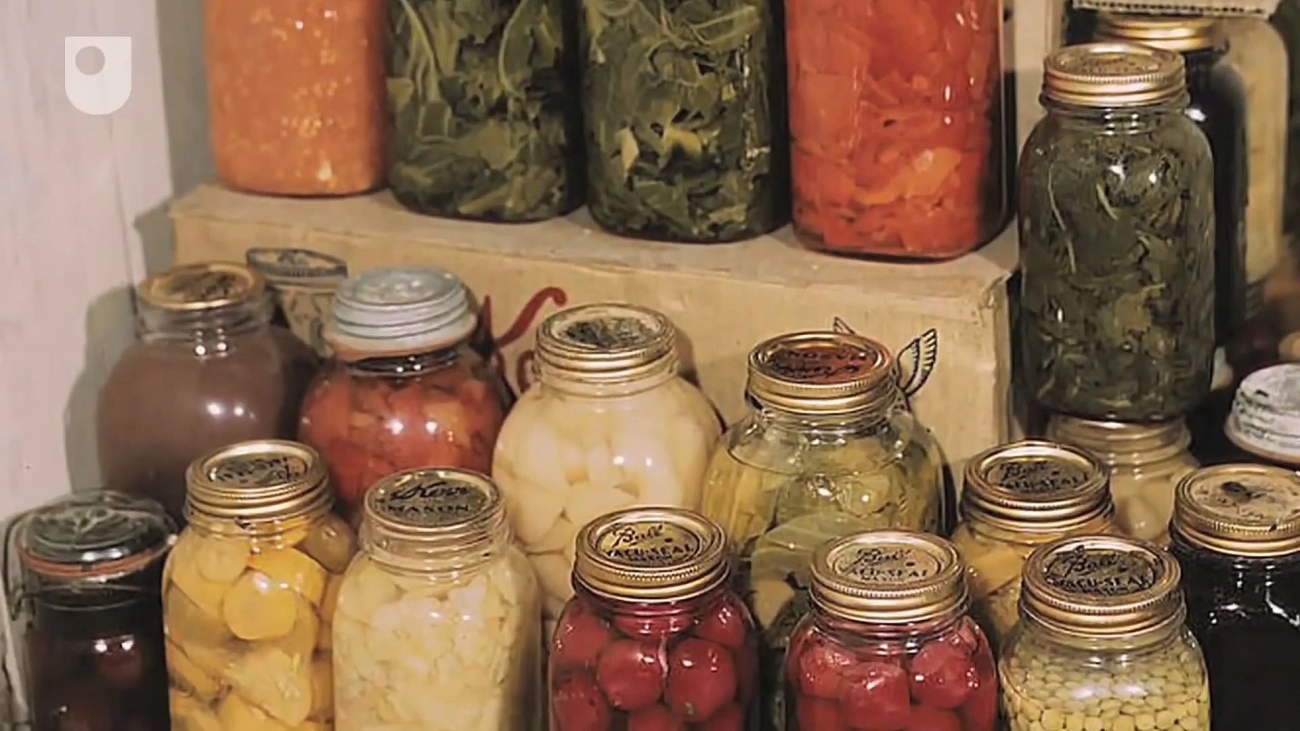
- Canning – seals food in airtight containers heated to destroy pathogens.
Modern methods:
- Freezing – locks in freshness with minimal nutrient loss.
- Vacuum packaging – removes air to slow oxidation and mold growth.
- Modified atmosphere packaging (MAP) – adjusts gas levels inside packaging to extend shelf life.
Role of Packaging Films in Food Preservation
Packaging films are now one of the most important tools in keeping food fresh, safe, and appealing. These food-grade plastic films act as barriers against:
- Moisture transfer (prevents sogginess or drying out)
- Oxygen exposure (reduces oxidation and spoilage)
- Contaminants (keeps products sterile and consumer-safe)
Common types include polyethylene (PE), polyvinylidene chloride (PVDC), and EVOH barrier films. These materials are widely used for meats, dairy, snacks, and fresh produce because they are lightweight, durable, and cost-effective, while meeting FDA food safety standards.
Importance of Food Safety, Quality, and Shelf Life
In the U.S., consumers value freshness, convenience, and trust in food safety. Strong preservation methods help:
- Prevent foodborne illnesses
- Maintain quality from production to consumption
- Reduce waste by extending shelf life
- Support long-distance distribution without losing freshness
Well-preserved products mean more stable pricing, greater availability, and higher customer satisfaction—essential for both small businesses and large-scale producers.
Film Preservation vs Food Preservation Key Differences
Film preservation and food preservation may sound similar because of the word “preservation,” but their goals, materials, and methods are completely different. Here’s how they compare on the key points:
Purpose and End Goal
- Film preservation focuses on protecting cultural heritage and visual history — keeping old movies, footage, and archives safe for future generations.
- Food preservation is about consumer health, safety, and freshness — making sure food stays safe, flavorful, and appealing for as long as possible.
Materials Used
- Film preservation deals mainly with analog film reels (cellulose nitrate, acetate, polyester), which require controlled environmental conditions.
- Food preservation uses food grade plastic films like PE, PVDC, EVOH, or multilayer wraps designed to block moisture, oxygen, and contaminants. (Example: PE bags for supermarket food packaging are common in stores across the U.S.)
Preservation Techniques
| Aspect | Film Preservation | Food Preservation |
|---|---|---|
| Process | Restoration, digitization, archival storage | Packaging, sealing, freezing, canning, vacuum packing |
| Tools | Climate-controlled vaults, cleaning machines, scanning tech | Food-grade films, refrigeration units, heat sealers |
| Skill Level | Requires trained film archivists | Requires food safety and packaging expertise |
Environmental Impact and Storage Conditions
- Film requires stable low temperatures and low humidity to slow chemical decay.
- Food needs temperature control adjusted to product type — freezing, chilling, or ambient storage — plus hygienic packing environments.
- Both need protection from light, moisture, and pollutants, though the risk factors differ (chemical decomposition in films vs bacterial growth in food).
Duration of Preservation
- Archival film preservation often aims at decades or even centuries of safe storage.
- Food preservation is short to medium-term — from a few days for fresh produce to years for canned or frozen goods — depending on packaging and processing.
In short: film preservation is about history, and food preservation is about health and usability. Both rely on specialized environments and barrier materials, but the tools, timelines, and priorities are not the same.
Role of Plastic Films in Food Preservation
Plastic films play a huge role in keeping food fresh, safe, and market-ready. For businesses in the United States, this means meeting both consumer expectations and strict food safety standards.
Key Functions of Preservative Plastic Films
High-quality food packaging films work as protective barriers, shielding products from external damage and spoilage factors such as:
- Moisture – prevents sogginess or drying out
- Oxygen – reduces oxidation that leads to staleness, color changes, or spoilage
- Contamination – blocks dust, bacteria, and other contaminants
- Aroma Loss – locks in flavor and smell
Common Types of Food Packaging Films
| Film Type | Main Benefit | Common Use |
|---|---|---|
| PE (Polyethylene) | Flexible, good moisture barrier | Bread bags, produce wrap |
| PVDC (Polyvinylidene Chloride) | Excellent oxygen and moisture barrier | Meat, cheese packaging |
| EVOH (Ethylene Vinyl Alcohol) | High gas barrier | Ready-to-eat meals, sauces |
| PP (Polypropylene) | Clear, heat resistant | Snack bags, confectionery |
| PET (Polyethylene Terephthalate) | Durable, clear, recyclable | Beverage bottles, salads |
Benefits of Using Quality Preservative Films
- Extended Shelf Life – reduces waste and boosts profitability
- Cost Efficiency – lowers loss from spoilage and allows longer distribution time
- Convenience for Consumers – resealable, easy-to-open options keep customers happy
- Food Safety Compliance – meets FDA and USDA packaging regulations
- Better Product Presentation – clear and attractive packaging helps sales in U.S. retail
The Artfullife Advantage
Artfullife supplies wholesale food grade plastic films designed for U.S. market needs. Here’s why many U.S. food companies choose their solutions:
- Product Innovation – updated film technology for better barriers and eco-friendly options
- Bulk Supply Benefits – competitive pricing for large orders to keep costs down
- Quality Control – strict testing to meet international food safety standards
- Custom Solutions – tailored barrier properties for specific food types (meats, dairy, snacks, produce)
- Fast Turnaround – supports production schedules and reduces downtime
Common Misconceptions About Film Preservation
Film Preservation Is Not Just About Movies
A lot of people hear film preservation and instantly think of restoring old Hollywood classics. In reality, it’s broader than that. Archival film preservation deals with protecting motion picture reels, documentary footage, and historical recordings for the long term. But in another context, “film” can mean plastic films used for other preservation purposes—like keeping food fresh. These are two totally different industries with different goals, techniques, and materials.
Plastic Film for Food Preservation Is Not the Same as Media Film
Plastic films for food packaging—such as PE, PVDC, EVOH—are designed to extend food shelf life, block moisture, and prevent contamination. Media film for movies is usually cellulose-based or polyester film stock that needs careful climate control to avoid fading, shrinking, or chemical decay. Swapping one for the other isn’t possible—food-grade films can’t store media reels, and media film won’t keep your food safe.
Environmental Factors Affect Both But Differently
Both industries need to think about environmental impact, but the challenges aren’t the same:
- Media film preservation fights issues like temperature swings, humidity, and chemical breakdown.
- Food packaging films face debates about plastic waste, recyclability, and sourcing sustainable materials.
Sustainable Practices Are Evolving in Both Fields
In recent years, both sectors have been working on greener solutions:
- Film archives are investing in digitization to reduce handling physical reels.
- Food manufacturers are moving toward biodegradable or recyclable films, and brands like Artfullife are offering eco-conscious food-grade options without sacrificing shelf life.
By knowing the difference between archival media preservation and plastic film food preservation, it’s easier to choose the right tools, understand industry challenges, and make smarter environmental decisions in either space.
FAQ on Film Preservation and Food Preservation
What is archival film preservation
Archival film preservation is about saving and protecting original motion picture film so it can last for future generations. This involves storing film reels in controlled environments, repairing damaged sections, and sometimes creating digital backups. It’s not about plastic wrap or packaging; it’s about maintaining cultural and historical media.
How plastic films help in food preservation
Plastic films for food preservation act as a protective barrier that keeps moisture, oxygen, and contaminants out. This slows spoilage, maintains freshness, and extends shelf life. Common uses include:
- Vacuum-sealed bags for meat and cheese
- Stretch film wraps for produce
- Multi-layer food packaging for snacks and frozen goods
Can plastic films preserve media films
No — plastic films for food packaging are not suited to preserve media film reels. Motion picture films need specialized archival storage materials designed to prevent chemical breakdown, not regular packaging plastics.
Types of plastic films best for food preservation
Different foods need different types of films:
- Polyethylene (PE) – Flexible, good for sealing fresh produce
- Polyvinylidene chloride (PVDC) – Great moisture and oxygen barrier
- Ethylene vinyl alcohol (EVOH) – Strong odor and gas barrier
- Polypropylene (PP) – Lightweight and versatile for snacks, baked goods
| Film Type | Best Use | Barrier Strength |
|---|---|---|
| PE | Produce wraps, bread bags | Low to medium |
| PVDC | Meat, dairy packaging | High |
| EVOH | Long shelf-life products | Very high |
| PP | Snacks, bakery items | Medium |
How to choose the right preservative films for a product
When picking a food grade plastic film, think about:
- Product type – Dry, frozen, or fresh
- Shelf life needs – Short-term vs long-term storage
- Distribution method – Local sales or long-distance shipping
- Barrier requirements – Resistance to moisture, air, smell
- Cost vs performance – Balance features with budget