
















What Are Preservative Films
Preservative films are specialized packaging materials designed to extend the shelf life of perishable goods by protecting them from environmental factors that cause spoilage. They are widely used in food preservation packaging, pharmaceuticals, cosmetics, and other industries that require quality retention over time.
Types of Preservative Films
Different types of preservative films are engineered with targeted protection in mind:
- Antimicrobial films – Infused with agents that slow or stop the growth of bacteria, mold, and fungi, helping keep foods hygienic and safe.
- Oxygen barrier films – Built with extremely low oxygen permeability to prevent oxidation, discoloration, and flavor loss.
- Biodegradable preservative films – Eco-friendly alternatives made from renewable sources, offering protection while reducing environmental impact.
- Moisture control films – Designed to regulate humidity levels and prevent moisture loss or condensation.
- UV-blocking films – Protect contents from light exposure that can degrade quality, nutrients, or active ingredients.
Common Materials Used in Preservative Films
These films are produced using both synthetic and plant-based materials, each with their own performance benefits:
| Material | Key Features | Common Applications |
|---|---|---|
| Polyethylene (PE) | Flexible, good moisture barrier | General food packaging |
| Polypropylene (PP) | High clarity, moisture resistance | Snacks, bakery wraps |
| Polyvinylidene chloride (PVDC) | Excellent oxygen barrier | Meat, cheese packaging |
| Polylactic acid (PLA) | Biodegradable, compostable | Eco-friendly food wraps |
| Nylon (PA) | Strong, puncture resistant | Vacuum packaging |
| EVOH (Ethylene Vinyl Alcohol) | Superior oxygen barrier | Modified atmosphere packaging (MAP) |
By combining these materials and functional coatings, preservative films deliver active and passive protection, maintaining freshness, flavor, and safety far longer than standard packaging.
The Science Behind Shelf Life Extension with Preservative Films
How Food Spoilage Happens
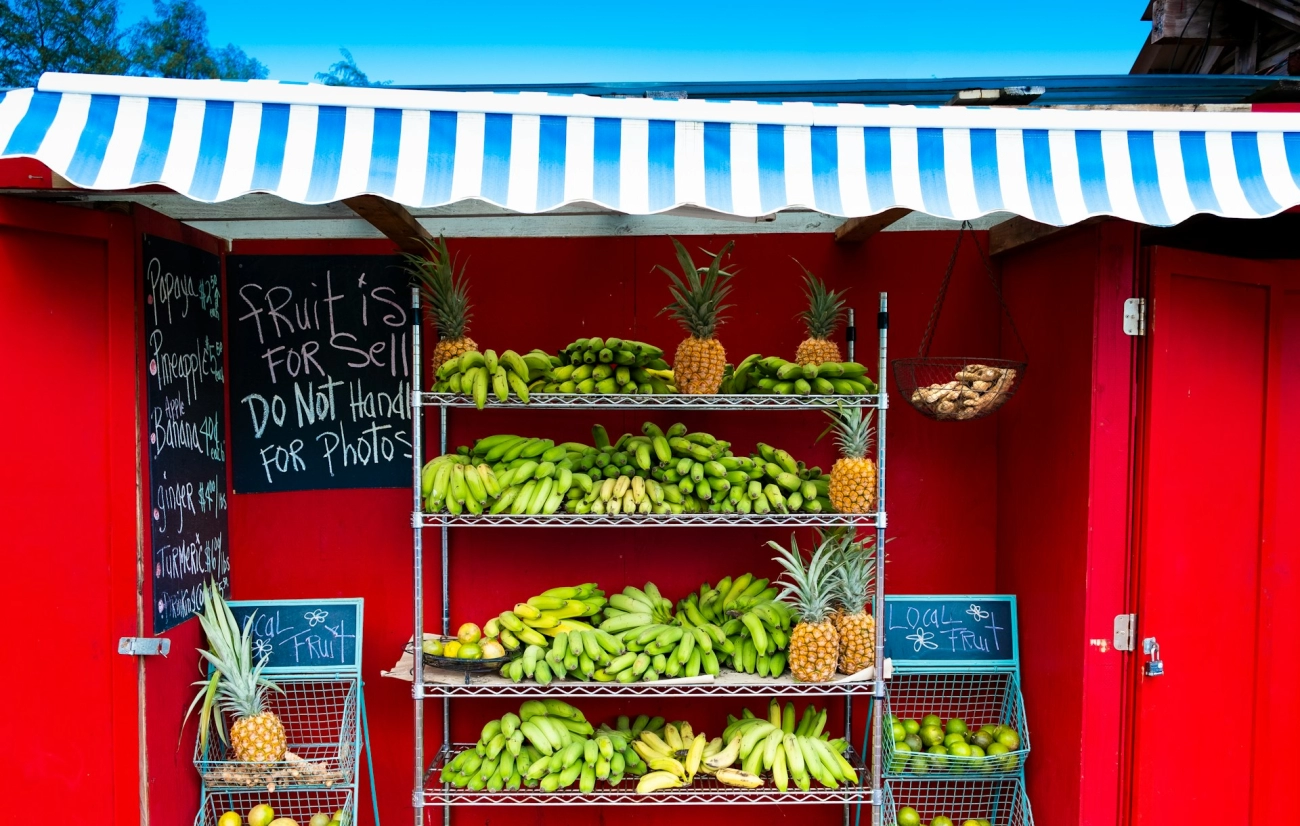
Food naturally breaks down over time because of factors like:
- Microbial growth – Bacteria, mold, and yeast multiply, causing visible spoilage and safety risks.
- Oxidation – Oxygen exposure changes flavor, color, and texture. This is what makes chips stale or meat turn brown.
- Moisture loss or gain – Too much moisture breeds mold; too little causes dryness and texture loss.
- Light exposure – UV light can speed up nutrient loss and discoloration.
These elements work together to shorten shelf life if food isn’t properly protected.
How Preservative Films Reduce Spoilage
Preservative films act as barriers that slow down the most common spoilage factors:
- Oxygen barrier or scavenging – Keeps oxygen away from the product to reduce oxidation and microbial growth.
- Moisture control – Retains the right level of humidity inside the package, preventing sogginess or drying out.
- Light protection – Filters out UV rays that degrade food quality.
- Antimicrobial protection – Some films are infused with natural or synthetic agents that slow down bacteria and mold.
Barrier Properties That Matter
The effectiveness of a preservative film often comes down to its permeability:
- Oxygen permeability – Low permeability helps keep oxygen-sensitive products fresh.
- Moisture vapor transmission rate (MVTR) – Controls water movement into or out of the package.
- Light transmission rate – Lower rates protect color, vitamins, and taste.
Using Controlled and Modified Atmosphere Packaging
Advanced preservative films can work with Controlled Atmosphere Packaging (CAP) or Modified Atmosphere Packaging (MAP), which involves adjusting the gas mixture inside the package.
- MAP replaces some oxygen with gases like nitrogen or carbon dioxide to slow microbial activity.
- CAP maintains a consistent gas balance during storage and shipping.
By combining oxygen barriers, moisture control, and atmosphere modification, preservative films don’t just keep products looking good—they help maintain flavor, texture, and safety for significantly longer periods.
Key Mechanisms of Shelf Life Extension Using Preservative Films
Preservative films work in several ways to slow down spoilage and keep products fresh longer. The right film can protect against oxygen, moisture, microbes, and light — four of the biggest threats to shelf life.
Oxygen Control and Oxygen Scavenging
Too much oxygen inside packaging speeds up food spoilage through oxidation and microbial growth. Oxygen barrier films or films with oxygen scavenging layers keep oxygen levels low by:
- Blocking oxygen entry with materials that have low permeability.
- Absorbing residual oxygen inside the package to delay discoloration, flavor loss, and bacterial growth.
This is a key part of modified atmosphere packaging (MAP) used for fresh foods, meats, and baked goods.
Moisture Control and Humidity Regulation
Excess moisture encourages mold, while too little moisture causes foods to dry out. Moisture control packaging films manage water vapor levels through:
- Moisture barrier layers to protect dry products like snacks and flour.
- Moisture release systems to keep high-water-content foods like produce crisp without condensation.
Antimicrobial and Antifungal Protection
Films can be embedded with antimicrobial agents such as silver ions, organic acids, or plant-based extracts. These slow or stop bacterial and fungal growth directly on the product surface. Benefits include:
- Reduced risk of foodborne illness.
- Longer freshness for perishable items like cheese, deli meats, and ready-to-eat meals.
UV and Light Filtering Protection
Light—especially UV—breaks down nutrients, changes color, and affects flavor. UV blocking films help by:
- Filtering harmful wavelengths that speed up oxidation.
- Protecting vitamins and natural colors in products like juices, oils, and dairy.
When combined, these mechanisms form a complete active packaging solution that keeps products fresher, safer, and visually appealing for longer—ideal for suppliers looking to cut waste and boost product quality in the U.S. retail market.
Benefits of Using Preservative Films in Packaging
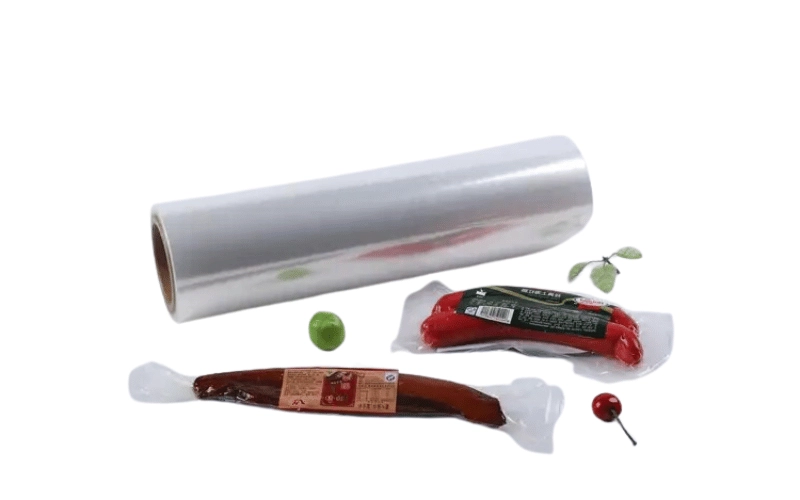
Preservative films do a lot more than just wrap a product—they help maintain quality, safety, and even reduce environmental impact. Here’s how these films make a difference in the U.S. market.
Prolonged Freshness and Taste Retention
High-quality oxygen barrier films and moisture control packaging films keep products at peak quality for longer. By slowing down oxidation and moisture loss, these films help:
- Retain original flavor and texture of fresh produce, meats, and baked goods.
- Keep colors fresh in produce and proteins by reducing exposure to air and light.
- Delay staleness in dry goods like cereals or snacks.
Reduced Food Waste and Economic Gains
For both producers and retailers, longer shelf life means fewer products spoil before reaching the consumer. Benefits include:
- Lower product loss during storage and shipping.
- Extended sales window, giving retailers more time to sell products.
- Reduced waste disposal costs for expired items.
- Better customer satisfaction—fewer returns due to quality issues.
Enhancing Product Safety and Hygiene
Many antimicrobial food wraps contain additives that reduce bacterial and fungal growth. This adds:
- Extra hygiene protection during storage and handling.
- Lower risk of contamination in fresh and high-protein foods.
- Safer transport in long supply chains or warm climates.
Environmental Benefits of Biodegradable Preservative Films
Sustainability is a growing priority in U.S. packaging. Advanced biodegradable preservative films offer:
- Compostable and recyclable options to cut down landfill waste.
- Renewable material sources, like plant-based plastics.
- Compliance with eco standards to meet consumer and retailer requirements.
| Benefit | How It Helps | Example Use Case |
|---|---|---|
| Prolong freshness | Slows oxidation and moisture loss | Produce, meat, seafood |
| Reduce waste | Extends sell-by date | Grocery retail |
| Improve safety | Prevents bacterial growth | Ready-to-eat deli items |
| Better for the planet | Biodegradable and plant-based films | Eco-conscious food brands |
By combining shelf life extension technology with active packaging solutions, preservative films help U.S. businesses cut waste, increase profit margins, and meet modern sustainability demands—all while keeping products fresher for longer.
Applications of Preservative Films Across Industries
Preservative films are used in many industries where keeping products fresh, safe, and stable for longer is a must. The right material and features depend on what’s being packaged, but the goal is the same — extend shelf life and protect quality.
Food Packaging
Food packaging is the most common use for preservative films in the U.S. market. These films are designed to lock in freshness, prevent contamination, and slow spoilage. They’re widely used for:
- Fresh produce like fruits and vegetables to reduce moisture loss and delay ripening.
- Meat and seafood with high-barrier oxygen protection to prevent discoloration and bacterial growth.
- Dairy products such as cheese and yogurt where moisture control is key.
- Bakery items that need protection against staling and mold.
By combining moisture control packaging films with antimicrobial additives or oxygen barrier layers, food stays market-ready for longer without extra preservatives.
Pharmaceuticals and Medical Supplies
In healthcare, sterility and stability are critical. Preservative films help by:
- Acting as an oxygen and moisture barrier for tablets, capsules, and injectable medicine packaging.
- Keeping medical devices sterile until use.
- Supporting temperature-sensitive pharmaceutical logistics through insulated and active packaging solutions.
Cosmetics and Sensitive Products
Beauty and personal care products often contain ingredients that degrade when exposed to light, air, or humidity. Using UV-blocking and airtight packaging films helps:
- Prevent oxidation of oils and active ingredients.
- Keep product texture, color, and scent consistent over time.
- Maintain a clean and hygienic presentation for end users.
Industrial and Specialty Uses
Outside of food and healthcare, preservative films also serve high-value industrial needs:
- Electronics — moisture and static control packaging for sensitive components.
- Chemical products — sealed environments to prevent reaction with air or water.
- Controlled atmosphere applications — such as corrosion prevention in metal parts during storage or transport.
In every field, selecting the right combination of oxygen barrier, antimicrobial agents, and moisture control is key to meeting performance needs while reducing waste.
Why Choose Artfullife for Wholesale Preservative Films
If you’re sourcing preservative films in bulk for food, medical, or industrial use, you need a supplier that delivers consistent quality and custom solutions. Artfullife has built its name as a trusted wholesale preservative film supplier from China, serving U.S. businesses with reliable, high‑performance packaging materials.
Proven Expertise and Manufacturing Capabilities
- Over 15 years of experience in film manufacturing and packaging solutions
- Large‑scale production lines capable of handling high‑volume orders without delays
- Advanced R&D team developing antimicrobial films, oxygen barrier films, and biodegradable film options
- In‑house testing labs to ensure every film meets specific barrier, moisture, and durability standards
Quality Certifications and Compliance
U.S. buyers need packaging that complies with strict standards. Artfullife is certified and compliant with:
- ISO 9001 for quality management systems
- FDA food‑contact safety compliance
- BRC (Global Standard for Packaging) for food safety assurance
- Compliance with EPA guidelines for eco‑friendly materials
| Certification | Standard | Purpose |
|---|---|---|
| ISO 9001 | Quality Management | Consistent production & quality control |
| FDA | Food Contact Safety | Safe for food packaging use |
| BRC | Packaging Safety | Globally recognized food safety standard |
| EPA Compliance | Environmental | Sustainable material practices |
Competitive Pricing and Customization Options
Artfullife is able to keep costs competitive thanks to efficient manufacturing processes and bulk material sourcing. For U.S. customers, that means:
- Lower unit costs without cutting quality
- Flexible order quantities for small brands and large corporations
- Custom colors, sizes, printing, and thickness to match branding
- Special film additives for antimicrobial action, UV blocking, or moisture control
Customer Success Stories
U.S. clients in food production, meal kit delivery, and pharmaceuticals have reported:
- Up to 40% longer shelf life for perishable products
- Significant reduction in returns due to spoilage
- Better product presentation thanks to clear, durable films
- Smooth import process with products arriving FDA‑compliant and ready for use
Artfullife’s track record with American distributors shows it’s not just a manufacturer—it’s a packaging partner focused on helping products stay fresh longer while meeting safety and sustainability goals.
How to Select the Right Preservative Film for Your Needs
Choosing the right preservative film isn’t just about wrapping a product; it’s about matching the film’s properties to your specific shelf life and protection goals. The wrong choice can mean faster spoilage, wasted stock, and higher costs. Here’s what to look at before making a decision.
Key Factors to Consider
- Product Type – Different products demand different protection.
- Fresh produce: Needs breathability to prevent condensation.
- Meat and seafood: Benefit from strong oxygen barrier films to slow oxidation.
- Baked goods: Require moisture control to avoid staling.
- Shelf Life Requirements – Know how long you need to keep the product fresh and safe in your supply chain and retail environment.
- Storage and Transport Conditions – Consider if your products will face high humidity, temperature swings, or extended transit times.
- Environmental Impact – If sustainability matters for your brand, look into biodegradable preservative films or materials with a lower carbon footprint.
Tips for Choosing Materials and Additives
- Barrier Strength – Select films with the right oxygen, moisture, and UV control based on your spoilage risks.
- Active Packaging Features – Additives like antimicrobial or antifungal agents can extend shelf life for fresh foods.
- Compatibility – Make sure the film works with your sealing equipment and packaging process.
- Regulatory Compliance – Check for FDA-approved food contact safety if packaging edibles in the U.S.
Customization and Branding Options
- Printing and Labeling – Custom-printed films can carry your logo, product details, or QR codes for traceability.
- Size and Thickness Adjustments – Match film dimensions and gauge to your product to reduce waste.
- Differentiated Features – Use tinted films, specialty finishes, or matte coatings to improve shelf appeal while keeping protection intact.
The Future of Preservative Films and Innovations in Packaging
Preservative films are changing fast, with new tech making them smarter, safer, and more eco-friendly. The demand for packaging that keeps products fresh while meeting sustainability goals is shaping the next generation of solutions. Here’s where things are headed.
Advanced Technology Trends
- Nanotechnology coatings – Tiny particles add strong oxygen and moisture barriers without making packaging heavier or thicker. They can also carry antimicrobial agents for better freshness.
- Smart films – Built-in sensors track product freshness, temperature, and possible contamination, giving you real-time data.
- Active packaging solutions – Films can now release protective compounds (like natural antimicrobials or antioxidants) or absorb unwanted gases to extend shelf life even more.
Focus on Sustainability
With more U.S. consumers valuing eco-friendly packaging, companies are investing in:
- Biodegradable preservative films made from plant-based polymers.
- Recyclable high-barrier films that still deliver modified atmosphere packaging (MAP) performance.
- Lower-carbon manufacturing methods to cut environmental footprint.
Evolving Industry Standards
The bar for packaging safety and sustainability is going up. Expect:
- Stricter FDA and ISO compliance requirements.
- Industry-wide push for films free from harmful chemicals like BPA.
- Broader adoption of compostable and curbside-recyclable barrier films.
Bottom line: Preservative films aren’t just about keeping food fresh anymore — they’re becoming intelligent, sustainable tools that fit into connected supply chains and support waste reduction goals.