
















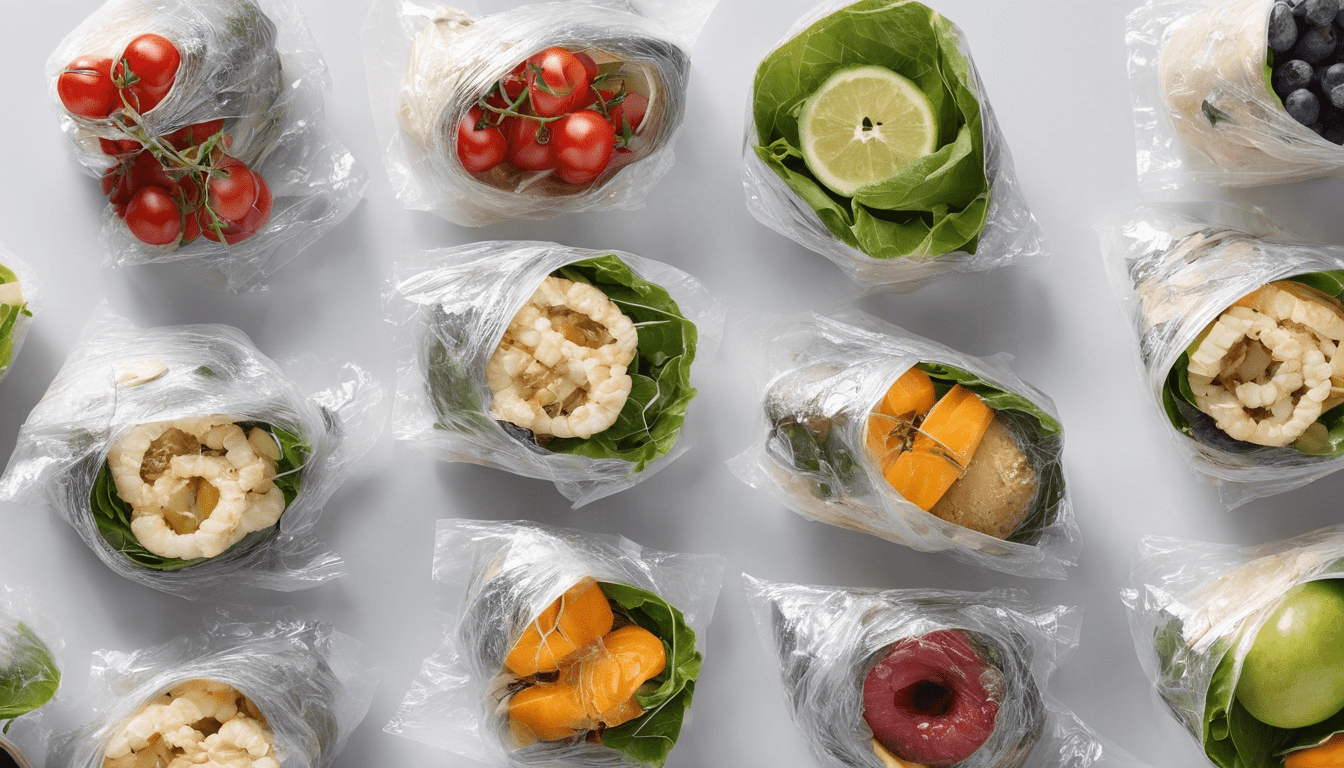
In the bustling worlds of restaurants and supermarkets, the choice of FOOD cling film plays a pivotal role in ensuring food safety, preservation, and storage efficiency. As the invisible guardian of freshness, cling film – also widely known as cling wrap or plastic wrap – serves an essential function in food service settings, protecting food from contamination and extending its shelf life. With the variety of materials available, such as polyethylene and FDA-approved options, selecting the right cling film is crucial for the safety and satisfaction of consumers. This choice not only impacts the quality of food but also underscores a commitment to upholding high standards in food service and storage.
This article will delve into the nuances of selecting the best FOOD cling film for various needs, exploring the characteristics of different cling film materials, and discussing their functional requirements. It will examine key considerations such as health and safety requirements, environmental friendliness, cost, and availability. Additionally, the discussion will extend to top recommended brands that comply with food safety regulations and meet the demands of food preservation within the competitive food service industry. By providing a comprehensive overview, this article aims to equip restaurants, supermarkets, and consumers with the knowledge to make informed choices about food wrap plastic, thereby ensuring the highest levels of food safety and quality in food containers and storage practices.
Overview of Cling Film Materials
Cling film, commonly known as plastic wrap or food wrap, plays a crucial role in food preservation by adhering to itself and various surfaces to create an airtight seal. This material was first discovered in 1933 and has evolved significantly over the decades. Initially developed from Polyvinylidene Chloride (PVdC), cling film was used to protect military equipment but has since become integral in food safety and storage [1].
Today, the most commonly used materials for cling film include Polyethylene (PE), Polyvinyl Chloride (PVC), and Polyvinylidene Chloride (PVDC). Each type serves different purposes based on its properties and safety levels [2].
Polyethylene (PE)
PE cling film is favored for wrapping perishable items like fruits and vegetables primarily in supermarkets. It is known for being safe for human use and is widely appreciated for its flexibility and food safety assurance. PE film is a product of ethylene polymerization, making it suitable for various food packaging applications [2].
Polyvinyl Chloride (PVC)
PVC is another type of cling film used in food packaging. However, it poses certain health risks as it can contain harmful carcinogens. Despite its effective clinging properties, its use is becoming less favored due to health and environmental concerns [2].
Polyvinylidene Chloride (PVDC)
PVDC cling film is predominantly used for packaging cooked foods and meats like ham. It offers excellent moisture barrier properties and is safe for food contact, making it a reliable choice for preserving food freshness and extending shelf life [2].
In recent years, there has been a shift towards using Low-Density Polyethylene (LDPE) due to its safer profile for human health and lower environmental impact. The “Saran” brand, for example, transitioned to LDPE in 2004 to address these concerns [1].
The choice of cling film material should consider both the functional requirements of the food being packaged and the health implications associated with each type of film. While PVC offers superior cling, its potential health risks make PE and PVDC preferable options for those prioritizing food safety and environmental sustainability.
In conclusion, selecting the right type of cling film involves understanding the properties of different materials and their impact on both food safety and health. By choosing the appropriate cling film, supermarkets, restaurants, and consumers can ensure optimal food preservation while adhering to safety standards.
Functional Requirements
Seal Strength
In the realm of food cling film, seal strength is paramount for maintaining food safety and extending shelf life. The integrity of a seal is influenced by a combination of heat, time, and pressure, which must be perfectly balanced to ensure a robust seal [3]. Various sealing methods are employed depending on the material and the specific requirements of the product. For instance, basic heat sealing utilizes a precise amount of heat and pressure over an optimal duration to achieve a strong bond between the film and the tray [3]. Advanced techniques like impulse heat sealing and ultrasonic heat sealing cater to specific types of thermoplastics and applications, ensuring that the seal integrity is maintained throughout the product’s lifecycle [3].
Modified Atmosphere Packaging (MAP) is particularly sensitive to seal integrity. This packaging technique, often used for perishable products like meats, relies on a specific mixture of gases to preserve the product’s color, texture, and nutritional value. Any compromise in the seal can lead to contamination and spoilage, underscoring the importance of a reliable sealing process [3].
Durability
The durability of food cling film encompasses its ability to withstand various environmental conditions while protecting the food items. Cling film is not only required to have excellent barrier properties against oxygen and moisture but also needs to be resistant to temperature variations. This film is designed to perform under a wide range of temperatures, from as low as -60°C to as high as +160°C, making it suitable for use in microwaves and freezers [4].
The physical properties of cling film, such as tensile strength and elasticity, are crucial for its performance during storage and transportation. Films with higher tensile strength are less likely to tear or puncture, providing better protection for the packaged goods [4]. Furthermore, the film’s ability to cling and form a tight seal without the need for adhesives helps in maintaining the packaged food’s integrity and freshness [5].
In selecting the appropriate cling film for food service applications, one must consider both the seal strength and the durability of the film. These factors are critical in ensuring that the food remains safe and fresh from the point of packaging to the moment it reaches the consumer.
Health and Safety Considerations
Toxicity and BPA-Free Options
When considering the health and safety of cling film, the presence of toxic chemicals is a significant concern. Historically, certain plastics have included harmful chemicals like phthalates and bisphenol A (BPA), which can disrupt hormonal functions and have been linked to various health issues, including cancer and reproductive problems [6]. However, advancements in manufacturing have seen a reduction in these harmful substances. For instance, plastic wrap has been phthalate-free since 2006, although it often contains di(2-ethylhexyl)adipate (DEHA), a plasticizer not classified as a phthalate but similar in structure and potential health risks [6]. DEHA has been shown to migrate into food, particularly high-fat foods like cheese, raising concerns about liver toxicity and tumor formation in mice [6].
Given these risks, many consumers and health advocates recommend using alternatives to traditional plastic wraps. Options such as glass or ceramic containers for food storage and reheating, especially in microwaves, are advised to avoid any contact between plastic and food [6]. Additionally, ensuring that any plastic wrap used is BPA-free is crucial, although it is essential to be cautious, as BPA replacements may not always be safer [6].
FDA-Approved Materials
Ensuring that cling film is safe for direct food contact is paramount, and this is where FDA approval becomes critical. All food-grade plastic wrap, including popular brands likened to Saran Wrap, must meet FDA standards to be considered safe for food contact [7]. This includes being free from toxic chemicals that could leach into food and cause health issues. For instance, perforated cling films used in various food service settings are FDA approved, ensuring they do not pose a direct threat to food safety and can effectively maintain the freshness of the food [8][9].
Moreover, the FDA-approved cling films come in various sizes and thicknesses, typically around 35 gauge, which provides a balance between durability and flexibility, making it suitable for a wide range of food packaging applications [7][8][9]. These products are specifically designed to meet rigorous health and safety standards, providing reassurance to both consumers and food service professionals about the quality and safety of the food preservation materials they use.
Environmental Friendliness
Biodegradability
In the quest for environmental sustainability, the shift towards biodegradable cling films is gaining momentum. Products like the BlknWhite cling wrap, crafted from plant-based starch materials, exemplify this movement. These materials are not only renewable but also compostable, breaking down into water, biomass, and CO2, thus returning to the ecosystem and completing the organic cycle [10]. Certified to international standards, such as ASTM 6400, these compostable cling films ensure food safety while also providing an eco-friendly disposal option [10]. The commitment to reducing plastic pollution is further emphasized by companies that encourage the use of biodegradable alternatives over traditional plastics, aligning with global efforts to protect our planet [10].
Recyclability
Despite the convenience cling film provides, its recyclability remains a significant challenge. Traditional plastic wraps, often made from materials like PVC and LDPE, pose difficulties in recycling due to contamination risks and the complex chemical structures involved [11][12][13].For instance, cling film must be clean and dry to be considered for recycling, and even then, it requires special facilities equipped with LDPE recycling machines that can process the film without it getting stuck in the equipment [13]. The environmental impact of disposing of cling film in general waste is profound, as it can take up to 1000 years to decompose, contributing to landfill overcrowding and increased global warming [13]. Recognizing these issues, some brands are working towards altering their product formulas to reduce single-use plastics, although the effectiveness of these initiatives is yet to be seen [12].
Cost and Availability
Price Points
The cost of cling film varies significantly depending on the type and brand. For example, a pack of three beeswax wraps, known for their sustainability and reusability, is priced at £17.99 [14]. These wraps, while initially more expensive, offer long-term savings as they can last up to a year with proper care [14]. In contrast, restaurant-grade plastic wraps provide a more economical choice. A hefty box containing 2,000 feet of high-quality plastic wrap is available for around $30, offering a cost-effective solution for extensive use in food service settings [15]. This compares favorably to smaller quantities, such as a 200-foot-long roll of typical supermarket wrap, which may cost about $5.00 [16].
Where to Buy
Cling film is readily available both online and in physical stores, making it accessible for both individual consumers and large-scale food service operations. For those looking for commercial-grade film, options include visiting local restaurant supply stores or exploring online platforms where bulk purchases can be made [16]. Supermarkets and online retailers often feature a variety of cling films, including eco-friendly alternatives like beeswax wraps, which can also be found in specialty stores or can be handmade using online tutorials [14]. For specific products like the BeeBee Wraps, consumers can purchase directly from their manufacturing sites in Cambridge or through selected distributors [14].
These purchasing options cater to a wide range of needs, from individual households to large food service providers, ensuring that everyone can find a cling film solution that fits their budget and sustainability values.
Top Recommended Brands
Kingchuan and Specialty Polyfilms are standout manufacturers in the cling film market, each bringing unique qualities to their products that make them top choices for consumers and businesses alike.
Kingchuan
Established in 1992, Kingchuan has carved a niche as a leading manufacturer and exporter of cling film, particularly known for its biodegradable China PE cling film. Their products are celebrated for high optical transparency and glossiness, which enhance the visual appeal of food packaging by allowing clear visibility of the contents [17]. Kingchuan’s cling films are crafted from FDA-approved materials that are free from harmful chemicals such as plasticizers and chlorine, ensuring safety and health are not compromised [17]. The films boast an impressive heat durability, capable of withstanding temperatures ranging from -60°C to +160°C, making them suitable for a variety of food storage environments, from freezers to microwaves [17]. This versatility is complemented by their strong adhesion properties, which secure the food items tightly, protecting them from dust and contamination while maintaining a soft touch due to their smooth surface texture [17].
Kingchuan’s commitment to quality and customization is evident in their ability to produce cling films in various widths, thicknesses, and even colors upon request. Their manufacturing process includes rigorous checks to minimize defects, ensuring that each roll of cling film meets the highest standards of quality [17]. With operations that range from manual to fully automatic, Kingchuan is able to meet diverse customer needs, providing tailored solutions that enhance the food packaging experience [17].
Specialty Polyfilms
Turning to Specialty Polyfilms, this manufacturer is renowned for its innovative approach to cling film production. They offer a wide range of PVC cling films that are highly recommended in the food industry for their clarity, gloss, and superior sticking properties [18]. Specialty Polyfilms’ cling films are designed to keep food fresh by preventing fogging, making them ideal for packaging perishable items such as vegetables, fruits, meats, and seafood in supermarkets and stores [18]. These films are suitable for both hand packaging and mechanical packaging, demonstrating their adaptability to different packaging operations [18].
Their state-of-the-art manufacturing facilities are equipped with the latest machinery, enabling the production of high-quality films that meet rigorous industry standards [18]. The company’s dedication to customer service is reflected in their 24/7 product availability and a responsive support system that ensures clients can access their products anytime and from anywhere [18]. Moreover, their commitment to quality is underscored by their competitive pricing and the provision of films that offer rugged construction, flawless finishing, and accurate dimensions, making them a preferred choice among many in the industry [18].
Both Kingchuan and Specialty Polyfilms exemplify the qualities of top recommended brands in the cling film market, offering products that meet the highest standards of safety, quality, and environmental consideration. Their continued innovation and commitment to customer satisfaction ensure that they remain leaders in the industry, providing reliable and effective solutions for food preservation and safety.
Conclusion
Through understanding the properties and implications of various cling film materials, such as PE, PVC, and PVDC, it becomes evident that the choice of cling film significantly influences food safety, environmental sustainability, and consumer satisfaction. The examination of seal strength, durability, health considerations, and environmental impact highlights the necessity of selecting a cling film that not only meets the functional requirements of food preservation but also aligns with health safety and eco-friendly practices. It underscores the pivotal role cling film plays in maintaining the freshness and quality of food items, making it a critical decision for restaurants, supermarkets, and consumers alike.
In the quest to ensure food products stay fresh while catering to the safety and environmental concerns of today’s market, selecting the right cling film emerges as a crucial consideration for businesses. Click here to learn more and place an order, choosing our high-quality PE food wrap can lead to higher satisfaction and sales, demonstrating a commitment to excellence in food preservation. Through informed decisions and responsible sourcing, businesses and consumers can contribute to a healthier, more sustainable future in food service and storage, ensuring the integrity and quality of food products are preserved from storage to table.
FAQs
What is the most recommended cling film to use?
The top cling films based on recommendations include Bacofoil PVC Free Cling Film with Easy-Cut System x30m, Aldi Magnum Non-pvc and regular Cling Film, Tesco PVC-Free Cling Film x350mm, Sainsbury’s Cling Film x40m, Bacofoil PVC Free Cling Film x50Mtr, ASDA Non-PVC Cling Film 50 Metres, and Drybar HOME All Purpose Cling Film.
Which brand of cling wrap performs the best?
The highest-rated cling wraps according to performance tests are Glad Wrap and Glad Wrap with Ezy-Cutter Bar, both scoring 81%, Glad to be Green 50% Plant Based Cling Wrap at 79%, and Goliath Cling Wrap and Multix Plant Based Cling Wrap, each at 78%.
Is there any difference between cling film, saran wrap, and plastic wrap?
Cling film, saran wrap, and plastic wrap are all different terms for the same product. There is no difference between them.
What defines a food grade cling wrap?
Food grade cling wrap is a type of plastic packaging made primarily from ethylene, which is polymerized to form the film. It is commonly used for heating food, storing items in refrigerators, and packaging both fresh and cooked food products.
References
[1] – https://uspackagingandwrapping.com/plastic-wrap-101.html
[2] – https://www.linkedin.com/pulse/what-food-grade-cling-film-helen-zhang
[3] – https://www.harpak-ulma.com/resources/avoid-leakage-seal-strength-in-food-packaging/
[4] – https://www.kingchuanpackaging.com/how-is-cling-film-used-in-our-daily-life/
[5] – https://en.wikipedia.org/wiki/Plastic_wrap
[6] – https://www.center4research.org/plastic-wrap-plastic-food-containers-safe/
[7] – https://uspackagingandwrapping.com/plastic-wrap/
[8] – https://www.pack-secure.com/perforated-all-purpose-cling-film-6-x-5-sheets-fda-approved.html
[9] – https://www.pack-secure.com/cling-film.html
[10] – https://www.amazon.com/BlknWhite-Certified-Compostable-Cling-Cutter/dp/B08C4TN3BY
[11] – https://recyclemore.com/guide/plastic-wrap/
[12] – https://www.greenmatters.com/p/is-plastic-wrap-recyclable
[13] – https://www.businesswaste.co.uk/learn-about/cling-film-disposal-and-recycling/
[14] – https://www.theguardian.com/environment/2020/dec/24/its-a-wrap-clingfilm-alternatives-to-help-you-ditch-the-plastic
[15] – https://sporked.com/article/best-plastic-wrap-restaurant-grade/
[16] – https://www.agardenforthehouse.com/money-saving-tip-buy-commercial-grade-cling-film/
[17] – https://www.kingchuanpackaging.com/product-category/cling-film/
[18] – https://www.kingchuanpackaging.com/product/pvc-cling-film/