














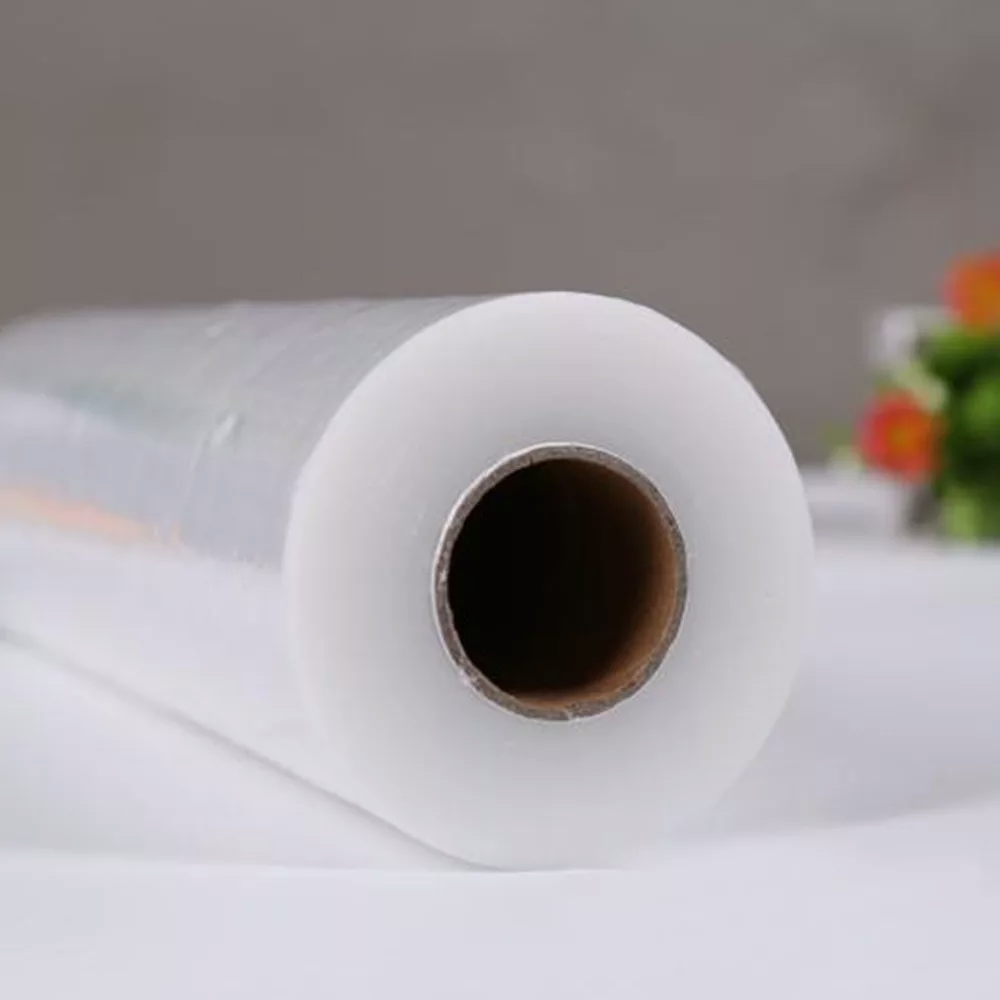
Discover the pros and cons of PVC, LDPE, and PVDC cling films. Learn how to choose the right food wrap for your needs and kitchen applications.
Choosing the Right Cling Film: Material Guide
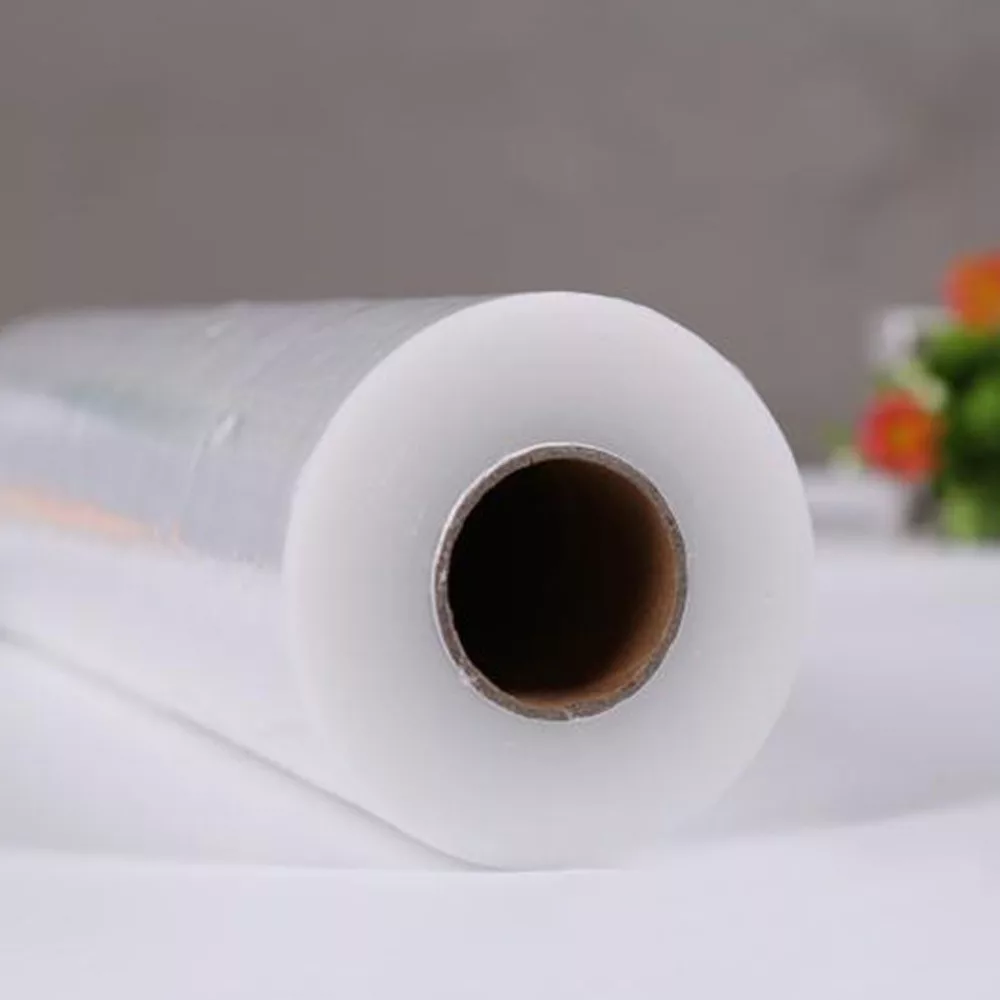
Choosing the Right Cling Film
As a culinary enthusiast and food storage expert, I’ve spent years exploring the world of cling films. In this article, I’ll guide you through the intricate process of choosing the right cling film for your needs. We’ll delve into the pros and cons of different materials, from traditional PVC to eco-friendly alternatives, and explore how each option impacts food safety, preservation, and the environment.
Whether you’re a home cook looking to keep leftovers fresh or a professional chef seeking the perfect wrap for commercial kitchen use, this comprehensive guide will help you make an informed decision. We’ll cover everything from budget-friendly options to premium selections, and discuss specialized films for specific applications. By the end, you’ll be equipped with the knowledge to select the ideal cling film for your unique requirements.
Types of Cling Film Materials: PVC, LDPE, and PVDC
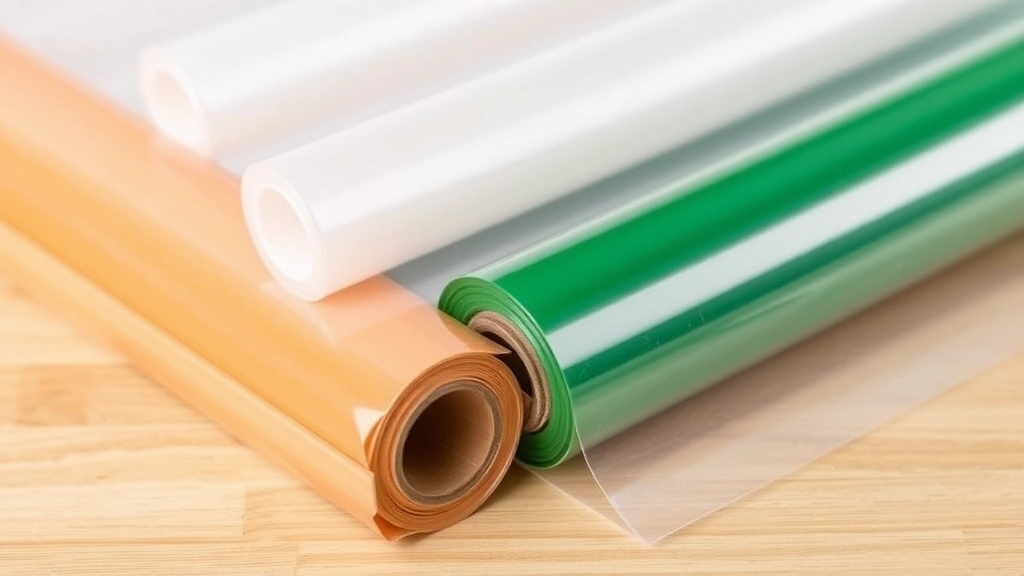
As a specialist in food product packaging materials, I’ve spent years researching and dealing with numerous types of stick movies. When it pertains to picking the appropriate food wrap, it’s vital to recognize the different products offered and their distinct residential properties. The three major sorts of stick movie materials are PVC (Polyvinyl Chloride), LDPE (Low-Density Polyethylene), and PVDC (Polyvinylidene Chloride).
PVC (Polyvinyl Chloride)
PVC is just one of one of the most typical materials used in food plastic wrap. It’s known for its excellent cling homes and openness. In my experience, PVC stick movie supplies superior stretchability and sticks well to numerous surfaces, making it suitable for wrapping irregularly shaped items. However, it’s important to keep in mind that PVC has actually dealt with examination because of prospective health and environmental concerns.
LDPE (Low-Density Polyethylene)
LDPE is gaining appeal as an extra eco-friendly choice to PVC. This product is known for its versatility and wetness resistance. While it may not stick as securely as PVC, LDPE food movie is usually taken into consideration safer for food call and is often microwave-safe. In my expert opinion, LDPE is an excellent choice for those looking for a balance in between functionality and ecological consciousness.
PVDC (Polyvinylidene Chloride)
PVDC, additionally known by the trademark name Saran Wrap, offers phenomenal obstacle properties versus dampness and oxygen. This makes it specifically effective for preserving food freshness over extended durations. However, PVDC has dropped out of favor in some markets due to environmental problems similar to those associated with PVC.
| Material | Sticking Ability | Moisture Barrier | Ecological Impact | Microwave Safe |
|---|---|---|---|---|
| PVC | Superb | Excellent | High | No |
| LDPE | Great | Excellent | Moderate | Yes |
| PVDC | Great | Superb | High | No |
In my professional experience, the choice of cling film product typically relies on details requirements and top priorities. For general home use, I generally recommend LDPE due to its balance of performance and safety. However, for industrial applications where maximum freshness is extremely important, PVDC could be the favored choice. It’s important to take into consideration aspects such as designated usage, food security laws, and ecological influence when choosing the right food wrap for your needs.
Environmental Impact of Different Cling Film Options
When thinking about the ecological effect of various cling movie choices, it’s important to check out the whole lifecycle of these items. PVC (polyvinyl chloride) food cover, as soon as a prominent selection, has actually fallen out of support due to its substantial ecological worries. PVC production launches dangerous dioxins, and the material doesn’t biodegrade, possibly continuing the atmosphere for centuries.
LDPE (low-density polyethylene) food plastic cover uses a somewhat better ecological account. While still a petroleum-based plastic, LDPE doesn’t consist of chlorine and produces less toxic by-products during manufacture. Nevertheless, it’s vital to keep in mind that LDPE still takes hundreds of years to break down in garbage dumps.
PVDC (polyvinylidene chloride) food film, commonly known by the trademark name Saran Wrap, provides comparable ecological difficulties to PVC. Its manufacturing involves chlorine, increasing concerns about dioxin exhausts. Additionally, PVDC is not recyclable in the majority of municipal systems, contributing to long-term waste accumulation.
In recent years, even more environmentally friendly options have actually arised. Biodegradable stick movies made from plant-based materials like cornstarch or cellulose provide a promising solution. These products damage down extra rapidly in composting environments, minimizing their long-lasting impact. Nonetheless, it’s worth keeping in mind that they might not carry out as properly as traditional cling wrap in all circumstances.
One more aspect to consider is the capacity for reuse. Silicone food covers, while not practically stick movie, offer a sturdy, washable option that can dramatically minimize single-use plastic usage. Similarly, beeswax wraps provide a green option for temporary food storage space, though they might not appropriate for all types of foods or storage needs.
When reviewing the ecological impact of cling movie choices, it’s additionally essential to think about product packaging and transportation. Products with marginal packaging and those produced closer to the point of sale can assist decrease the general carbon impact connected with their usage.
Inevitably, the most environmentally pleasant method might entail minimizing dependence on disposable food covers altogether. Utilizing recyclable containers, buying lasting silicone or beeswax alternatives, and bearing in mind food storage practices can substantially decrease the environmental effect of our food conservation practices.
Food Safety Considerations for Various Cling Film Materials
When it comes to choosing the ideal food cover, safety and security is critical. Various cling film materials interact with food in different methods, and it’s vital to understand these interactions to make a notified choice. Let’s check out the food safety aspects of common stick film products:
PVC (Polyvinyl Chloride)
PVC-based food plastic wrap has been a popular option for years, but it’s not without worries. While it provides exceptional stick residential properties, there are potential risks:
- May consist of plasticizers like DEHA, which can migrate right into fatty foods
- Not recommended for usage in microwave due to prospective chemical leaching
- Should be stayed clear of for wrapping acidic foods
LDPE (Low-Density Polyethylene)
LDPE is typically taken into consideration safer than PVC for food contact:
- Does not have plasticizers, minimizing the risk of chemical movement
- Safe for usage in the microwave, but need to not come right into direct call with food throughout home heating
- Appropriate for wrapping a large variety of foods, including acidic and fatty things
PVDC (Polyvinylidene Chloride)
PVDC, commonly sold under the brand name Saran Wrap, provides excellent barrier homes:
- Highly efficient at protecting against oxygen and moisture infiltration
- Usually risk-free for food contact, however concerns exist concerning possible chlorine-based substances
- Not advised for microwave usage due to possible chemical release at heats
Temperature level Considerations
Despite the product, it’s vital to consider temperature when using food film:
| Material | Safe Temperature Range | Microwave Safe? |
|---|---|---|
| PVC | -20 ° C | to |
| 70 ° C No LDPE | -50 ° C | to 80 ° C Yes, with care PVDC -40 ° C to |
| 120 ° C No FDA Regulations and |
BPA Concerns When choosing stick film, look
for items that abide by FDA regulations: FDA-approved films have gone through screening
- for food security BPA-free alternatives are progressively offered and liked for health-conscious customers Some manufacturers currently provide plant-based or naturally degradable choices that satisfy food safety and security requirements In my experience, it’s vital to check out labels very carefully and comply with maker standards for secure
usage. While all FDA-approved cling films are considered secure when utilized as guided, choosing for LDPE or more recent, BPA-free options can provide additional comfort, specifically when handling warm foods or microwave reheating. Expense Comparison: Budget-Friendly vs. Premium Cling Film Choices When it concerns choosing the right food cover, price is
typically a considerable aspect for numerous customers. In my experience, there’s a
remarkable rate distinction between budget-friendly andpremium stick film options. Budget plan alternatives are commonly made from standard PVC or LDPE products and are widely readily available in many grocery stores. These food cling wrap are generally thinner and might not offer the same level of longevity or cling as their costs equivalents. Premium stick films, on the various other hand, often integrate advanced products like PVDC or specialized blends. While these choices include a greater rate tag, they typically offer premium performance in terms of stretchability, adherence, and obstacle properties. As an example, a high-grade PVDC-based food film might offer much better defense versus dampness and oxygen, potentially prolonging the life span of wrapped foods. Variables Affecting Cost A number of aspects contribute to the expense distinctions between budget plan and costs cling films: Material high quality and structure Production processes Brand name track record Product packaging and giving systems Added
attributes (e.g., microwave-safe, BPA-free)It’s crucial to consider your certain requirements when weighing the cost-benefit proportion.
- For daily use, an affordable option might be sufficient. Nonetheless, for protecting expensive components or preparing foods for longer storage space, investing
- in a premium stick film can be much more affordable in
the lengthy run by lowering food waste. Value for Money When assessing value for cash, think about the adhering to elements: Ease of use: Premium films usually have better giving systems and cut even more easily. Reusability: Some higher-quality movies can be cleaned and recycled, using better lasting value. Convenience: Premium options may appropriate for a larger series of applications,
consisting of fridge freezer storage or microwave usage. Ultimately, the choice in between budget-friendlyand premium cling movie options relies on your individual demands, frequency of usage, and budget plan restrictions. By very carefully thinking about these factors, you can select an item that supplies the most effective balance of expense and performance for your kitchen area requires.Durability and Reusability Factors in Cling Film SelectionWhen picking the appropriate food wrap for your kitchen needs, toughness and reusability are critical variables to take into consideration. In my experience, these aspects not only impact the product’s efficiency however likewise its overall value and environmental impact.Durability ConsiderationsDifferent cling movie materials use varying degrees of resilience:MaterialResilienceFinest UsePVCHighLong-lasting storage space, fridge freezer usageLDPEToolShort-term storage, refrigerationPVDCExtremely HighProlonged storage space, moisture-sensitive foodsPVC and PVDC food plastic wraps tend to be a lot more durable and immune to tearing, making them suitable for longer-term usage. LDPE movies, while much less sturdy, are commonly extra adaptable and less complicated to handle.Reusability FactorsThe reusability of stick movie relies on several variables:Material kindDensityUse conditionsCleaning and careIn my experience, thicker food movies made from PVC or PVDC can often be washed and recycled a number of times, specifically if they haven’t enter straight call with fatty or strongly flavorful foods. LDPE movies, being thinner, are typically much less ideal for reuse.Optimizing ReusabilityTo prolong the life of your stick movie:Avoid making use of with hot foods that can create the movie to melt or degradeGently wash used movie with mild soap and awesome waterPermit the film to air completely dry entirely prior to reuseStore multiple-use film in a tidy, completely dry locationIt’s vital to keep in mind that while reusing cling film can be economical and lower waste, it needs to only be made with caution and correct health techniques. Once the film reveals indicators of wear, such as stretching or loss of stick, it’s time to change it.Stabilizing Durability and SustainabilityWhen choosing cling film, think about the balance between toughness and environmental influence. While more resilient choices like PVC and PVDC can be recycled, they may have a higher environmental price in manufacturing and disposal. LDPE, though less sturdy, is frequently extra eco pleasant.Eventually, the appropriate choice relies on your particular demands and top priorities. For regular use and long-term storage space, an extra durable option might be better. For occasional use or eco-conscious customers, a much less long lasting however a lot more lasting selection might be the better alternative.Specialized Cling Films for Specific Kitchen ApplicationsIn my experience, selecting the best food cover for specific kitchen applications can substantially improve food conservation and prep work. Different kinds of specialized cling movies have been developed to accommodate numerous cooking requirements.Microwave-Safe Cling FilmWhen it involves reheating or preparing food in the microwave, not all food cling wrap is created equivalent. Microwave-safe stick movie is developed to withstand high temperature levels without melting or releasing dangerous chemicals. It’s necessary to try to find products particularly classified as microwave-safe to ensure food security.Oven-Safe Cling FilmFor recipes that call for both covering and oven food preparation, oven-safe stick movie is a game-changer. These specialized movies can stand up to temperatures up to 400 ° F (204 ° C), making them appropriate for different baking and toasting applications. Nonetheless, it’s vital to follow producer guidelines thoroughly to stop any security threats.Freezer-Grade Cling FilmFood movie developed for fridge freezer usage is generally thicker and more durable than typical cling movie. It provides better security versus fridge freezer melt and aids preserve food quality for longer durations. When choosing freezer-grade stick movie, look for alternatives that remain adaptable at low temperature levels for simple handling.Biodegradable Cling FilmFor ecologically conscious consumers, naturally degradable cling film supplies an extra sustainable option. These movies are made from plant-based products and break down much more swiftly than standard cling wrap. While they may not have the same stamina as traditional alternatives, they’re optimal for temporary food storage space and environmentally friendly households.Professional-Grade Cling FilmIn industrial kitchens and food service sectors, professional-grade cling film is usually favored. These movies are usually broader, more powerful, and come in larger rolls, making them extra reliable for high-volume use. They additionally tend to have remarkable stick properties, ensuring a tight seal even on irregularly designed containers.Specialized Cling Film TypeSecret FeaturesIdeal UsesMicrowave-SafeHeat-resistant, non-meltingReheating, microwave cookingOven-SafeHeat toleranceBaking, toastingFreezer-GradeThicker, extra resilientLasting fridge freezer storageEco-friendlyEnvironmentally friendly, compostableShort-term storage, eco-conscious housesProfessional-GradeBroader rolls, more powerful stickIndustrial kitchens, high-volume usageBy choosing the suitable customized stick film for each and every kitchen job, you can improve food conservation, simplify cooking processes, and make certain the very best results for your culinary initiatives. Keep in mind to constantly check out item tags and follow usage guidelines to maximize these specialized food wrap options.
Frequently Asked Questions: Choosing the Right Cling Film
Q1: What are the main types of cling film materials?The three main types of cling film materials are:PVC (Polyvinyl Chloride)LDPE (Low-Density Polyethylene)PVDC (Polyvinylidene Chloride)Each has its own unique properties and uses.
Q2: Is PVC cling film safe for food contact?While PVC cling film is widely used, there are some concerns about its safety. It’s not recommended for use with fatty foods or in the microwave due to potential chemical leaching. Always follow manufacturer guidelines for safe usage.
Q3: Can all types of cling film be used in the microwave?No, not all cling films are microwave-safe. LDPE is generally considered safe for microwave use, but PVC and PVDC are not recommended. Always look for cling film specifically labeled as microwave-safe.
Q4: Are there eco-friendly alternatives to traditional cling film?Yes, there are several eco-friendly alternatives:Biodegradable cling films made from plant-based materialsSilicone food wrapsBeeswax wrapsThese options offer a more sustainable choice for environmentally conscious consumers.
Q5: How do I choose between budget-friendly and premium cling film options?Consider your specific needs, frequency of use, and budget constraints. Premium options often offer better performance and durability, which can be cost-effective in the long run, especially for preserving expensive ingredients or preparing foods for longer storage.
Q6: Are there specialized cling films for specific kitchen applications?Yes, there are several specialized cling films available:Microwave-safe cling filmOven-safe cling filmFreezer-grade cling filmProfessional-grade cling film for commercial kitchensChoose the type that best suits your specific cooking and storage needs.
Q7: Can cling film be reused?Some thicker cling films can be washed and reused, especially if they haven’t come into direct contact with fatty or strongly flavored foods. However, it’s important to practice proper hygiene and replace the film once it shows signs of wear.
Q8: What should I consider when evaluating the environmental impact of cling film?Consider factors such as:The material’s biodegradabilityProduction process and associated emissionsPotential for recyclingPackaging and transportation impactAdditionally, consider reducing overall usage by opting for reusable containers when possible.
ReferencesExploring the environmental impact and alternatives to cling film, including biodegradable options like beeswax wraps and silicone lids, which help reduce plastic waste and support eco-friendly lifestyles. These alternatives are effective in various kitchen applications, offering reusable and sustainable solutions. For more information, see The Eco-Friendly Choice: Exploring Sustainable Alternatives to Cling Film.Understanding the different types of cling films, such as PVC, LDPE, and biodegradable options, and their respective environmental impacts. The article discusses the potential health risks associated with traditional cling films and the growing demand for safer, eco-friendly alternatives. Read more at The Environmental Impact of Non-Recyclable Plastic Wrap and Sustainable Alternatives.A comprehensive guide on cling film’s versatility, types, uses, and environmental impacts, along with a discussion on eco-friendly alternatives such as reusable beeswax wraps, silicone lids, and glass containers. Learn more by visiting Cling Film: The Versatility and Environmental Impact.