
















Overview of Food Storage Bags
What are Food Storage Bags
Food storage bags are specially designed pouches made from food grade plastic materials or eco-friendly alternatives, used to store, preserve, and transport food items safely. They come in various sizes, thicknesses, and closure types depending on their use — from keeping sandwiches fresh to storing bulk grains or freezing meat.
In both household kitchens and commercial food services, these bags are essential for preventing contamination, extending shelf life, and ensuring convenience. Modern consumers look for storage bags that are not only practical, but also safe for direct food contact and compliant with strict FDA or Chinese GB standards.
Common Uses of Food Storage Bags
Food storage bags are used across multiple scenarios:
- Short-term storage – fruits, vegetables, snacks, and sandwiches
- Freezer storage – meat, seafood, and frozen vegetables
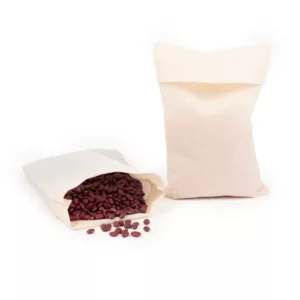
- Dry goods packaging – rice, coffee beans, spices
- Meal prep and portioning – pre-cooked meals or ingredients for quick cooking
- On-the-go packing – lunch bags and travel snacks
For example, PE bags for chilled and frozen items are widely used in grocery stores and cold chains because they maintain product quality in low temperatures (read more here).
Key Features of Quality Food Storage Bags
When it comes to food safety and performance, not all bags are created equal. The most reliable plastic food bag raw materials and manufacturing processes deliver bags with these must-have qualities:
- Food Safety – made from certified food grade plastic materials with no harmful chemicals leaching into the food.
- Durability – tear-resistant film that can handle both pantry storage and freezer use.
- Resealability – zip-top or press-seal features to maintain freshness after opening.
- Temperature Resistance – ability to withstand freezing or mild reheating without deformation for materials like PP.
- Barrier Protection – prevents moisture and oxygen from affecting the food’s quality.
- Transparency and Clarity – lets users quickly identify contents without opening the bag.
- Eco-Friendliness – options that are biodegradable, reusable, or recyclable for sustainable packaging solutions.
The demand for eco-friendly food storage solutions is rising, pushing brands to explore biodegradable options while maintaining safety and durability. For some, long-term food storage bags made from heavy-duty materials are the go-to choice for preserving large quantities (learn about their benefits).
Main Materials Used in Food Storage Bag Production

Polyethylene PE
Polyethylene is the most common food grade plastic material used in food storage bags. It’s lightweight, durable, and safe for direct food contact, making it a top choice for everything from sandwich bags to freezer storage.
Two main types are used:
- LDPE (Low Density Polyethylene) – Softer, more flexible, and great for bags that need to be clear, resealable, or cling well to food. Common in zip-top bags and produce bags.
- HDPE (High Density Polyethylene) – Thinner but stronger, with a more “crinkly” texture. Often used for grocery and freezer bags where durability matters.
Why it’s widely used:
- Resistant to moisture and chemicals
- Affordable and easy to produce at scale
- Widely approved for food contact by FDA and CFDA
- Handles both cold and room temperature food storage well
Polypropylene PP
Polypropylene is another FDA-approved material for food storage. It’s known for:
- Heat resistance – Can handle microwave reheating and hot foods better than PE
- High clarity – Allows better product visibility for retail packaging
- Good stiffness – Retains shape, making it suitable for stand-up pouches and snack packaging
In the U.S., PP is popular for products like deli containers, microwave-safe bags, and reusable snack pouches.
Biodegradable and Compostable Materials
With the push for eco-friendly food storage solutions, materials like PLA (Polylactic Acid) and starch-based blends are growing in use. PLA is made from renewable resources like corn starch, offering a plant-based alternative to petroleum plastics.
Benefits:
- Lower carbon footprint compared to traditional plastics
- Compostable under industrial composting conditions
- Appeals to environmentally conscious consumers in the U.S. market
Limitations:
- Lower heat resistance (can warp under high temperatures)
- Shorter shelf life when used for certain foods
- Needs specific composting facilities to break down properly
Other Materials and Additives
Some food storage bags need added performance features that basic plastics can’t provide.
Common upgrades include:
- Nylon – Adds puncture resistance and high barrier protection against oxygen
- EVOH (Ethylene Vinyl Alcohol) – Excellent oxygen barrier for keeping food fresh longer
- Food safe additives and plasticizers – Improve flexibility, seal strength, or UV resistance without affecting safety
These are often found in multi-layer bag designs, such as vacuum-seal bags or high-performance freezer pouches, where a mix of materials provides both function and safety.
Production Processes and Material Considerations for Food Storage Bags
Common Manufacturing Methods
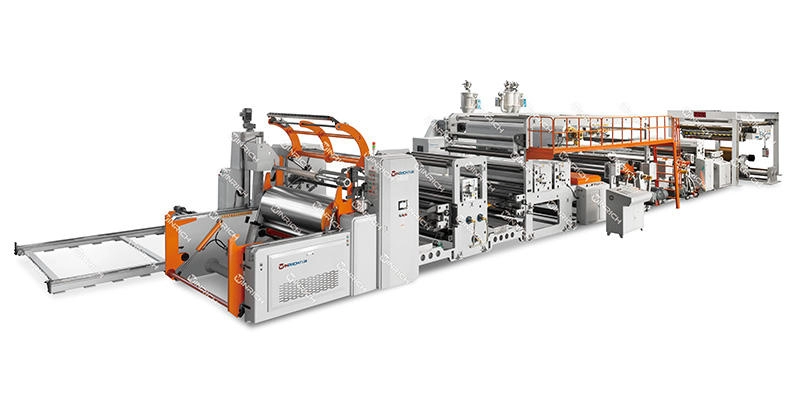
The way food storage bags are made depends heavily on the materials used in food storage bags production. The three main processes you’ll see in the industry are:
- Extrusion – Melted plastic resin is blown or cast into thin film. This is the base step for most polyethylene (PE) and polypropylene (PP) bags.
- Lamination – Layers of different materials (like PE with nylon or EVOH) are bonded to combine strength, barrier protection, and heat resistance.
- Bag Formation – Films are cut, sealed, and shaped into finished bags with the chosen closure type (zipper, open top, resealable strip).
Each material responds differently during processing. For example, LDPE runs smoothly in blown film extrusion thanks to its flexibility, while PP often needs tighter temperature control for a clear, rigid film.
Quality Control for Food Safety
In the US, food contact packaging needs strict testing and inspection. During and after manufacturing, producers run checks for:
- Film thickness consistency – Prevents weak spots that may tear or leak
- Heat seal integrity – Ensures the bag keeps air and moisture out
- Migration testing – Confirms no unsafe chemicals leach into food
- Cleanroom or controlled environment production – Reduces contamination risk
Factories supplying the US market often follow FDA-approved food storage material standards and USDA packaging requirements.
How Material Choice Affects Cost and Scalability
Your raw material determines more than just safety and look — it impacts cost, production speed, and capacity:
| Material Type | Processing Speed | Cost Level | Scalability | Common Use Case |
|---|---|---|---|---|
| LDPE | Fast | Low | High | Everyday freezer and sandwich bags |
| HDPE | Fast | Low | High | Grocery and produce bags |
| PP | Medium | Medium | High | Microwavable and stand-up pouches |
| PLA / Starch Blends | Slower | Higher | Medium | Compostable food storage bags |
| Laminated (PE+Nylon/EVOH) | Medium | Higher | Medium | Vacuum seal and long-term storage bags |
Key takeaway for US buyers: If you want high-volume, cost-effective production, PE-based bags dominate. For premium or eco-friendly markets, biodegradable and multi-layer barrier bags are worth the extra manufacturing complexity — but they will require more lead time and higher MOQs.
Safety and Regulatory Standards for Food Storage Bags
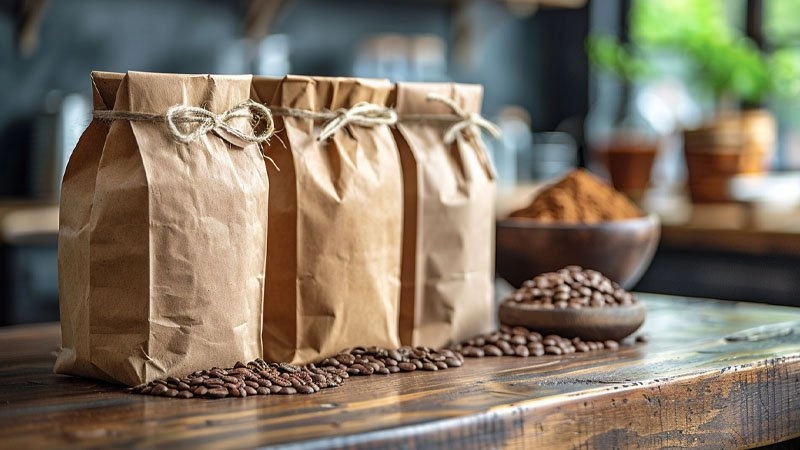
When it comes to materials used in food storage bags production, safety is non‑negotiable. In the U.S., shoppers expect packaging to be completely safe for direct food contact, and manufacturers must meet both domestic and international rules to make that happen. Here’s what that means in practice.
Chinese National GB Standards
If your supplier is manufacturing in China, GB standards (Guobiao standards) govern food contact materials. For food storage bags, this includes:
- Material composition rules to ensure plastics don’t release harmful chemicals.
- Restrictions on additives like colorants and plasticizers.
- Migration tests to check that no unwanted substances transfer to food.
Chinese companies producing for export typically follow GB standards while also adjusting to the stricter or different demands of the buying country.
International Food Contact Regulations
For products sold in the U.S., FDA regulations (Title 21 CFR) set clear requirements for plastics that touch food. These rules cover:
- Approved food grade plastic materials like LDPE, HDPE, and PP.
- Limits on chemical migration into food.
- Testing for temperature and storage conditions (freezer, microwave use, etc.).
In Europe, the EU food contact materials regulation (EU 1935/2004) and related directives serve a similar role, ensuring packaging is safe under intended use. Some U.S. retailers now also ask suppliers to meet EU standards as an extra sign of quality.
Why Compliance Matters to Manufacturers and Buyers
Whether you’re a manufacturer or a retail buyer, following these standards is more than just legal—it’s about consumer trust and product marketability. Non‑compliance can mean:
- Customs delays or rejected shipments for importers.
- Product recalls and financial loss.
- Damage to brand reputation in a competitive market.
For U.S. buyers, it pays to confirm that your supplier:
- Uses FDA‑approved raw materials.
- Provides certified lab test reports for every production batch.
- Keeps up with both domestic and export regulations to avoid surprises.
By locking in suppliers who follow strict safety and regulatory standards from the start, you ensure your food storage bags are safe, compliant, and ready for the U.S. market.
Sustainability Trends in Food Storage Bag Materials
Growing Demand for Eco Friendly Food Storage Solutions
In the U.S., more shoppers are steering away from single-use plastics and asking for biodegradable or recyclable food storage bags. This is driven by:
- State bans and regulations on certain plastics
- Eco-conscious lifestyles and reduced plastic waste goals
- Retail and brand sustainability pledges requiring greener packaging
Instead of only choosing the cheapest option, more families and businesses are looking for bags made from plant-based plastics like PLA (Polylactic Acid) or starch blends that offer compostability, or recyclable grades of PE and PP that lower environmental footprint.
How Artfullife Uses Sustainable Materials
As a China-based wholesale food storage bag factory, Artfullife has shifted product lines to meet these demands. We now produce:
- PLA and corn-starch blend bags that break down under industrial composting
- Recyclable LDPE and HDPE bags with clear recycling codes for U.S. compliance
- Mixed-material barrier bags using reduced plastic content but maintaining durability
Our production also follows FDA food contact guidelines and Chinese GB standards, ensuring safety is never compromised for environmental gains.
Challenges and Innovations in Biodegradable Food Bags
Moving to biodegradable food storage bags sounds simple, but in practice it comes with hurdles:
- Limited temperature resistance — plant-based bags may warp in heat
- Higher material costs compared to standard PE or PP
- Shorter shelf life if not stored correctly
- Availability of composting facilities in the U.S., which varies by state
Artfullife invests in R&D to solve these problems, working on:
- Hybrid resins that combine compostability with stronger temperature tolerance
- Thinner but stronger films that reduce material use without sacrificing quality
- Clear labeling to help U.S. consumers and waste facilities identify compostable vs recyclable bags
Bottom line: U.S. buyers want sustainable packaging that works as reliably as traditional plastic — and that’s exactly where the innovation in this industry is headed.
Choosing the Right Material for Food Storage Bags
Key Factors for Consumers
When you’re buying food storage bags, the material matters just as much as the size or style. Here’s what most U.S. customers look for:
- Reusability – Bags made from thicker LDPE or PP can be washed and reused without breaking down quickly.
- Safety – Look for food grade materials (FDA-compliant) that don’t leach chemicals into your food.
- Environmental Impact – If you’re avoiding single-use plastics, choose biodegradable or compostable bags made from PLA or plant-based blends.
- Practical Features – Resealable, freezer-safe, leak-proof, and suitable for both dry and moist foods.
Key Factors for Retailers and Wholesalers
If you’re stocking or reselling plastic food bags, the decision goes beyond appearance. Important points include:
- Cost vs. Material Quality – LDPE is budget-friendly and versatile, PP handles heat better and has higher clarity, while biodegradable options may be pricier but appeal to eco-conscious buyers.
- Regulatory Compliance – Materials should meet GB standards in China and FDA / EU regulations for export markets.
- Product Variety – Offering both traditional polyethylene food bags and sustainable packaging options covers a wider customer base.
- Durability and Shelf Life – Bags need to maintain strength and barrier properties during storage and use.
How Artfullife Supports the Right Choice
As a China-based wholesale food bag manufacturer, Artfullife works closely with both small businesses and large chains in the U.S. to match the right bag material to their needs. Here’s how:
- Material Consultation – We recommend PE, PP, PLA, or specialty barrier films based on your product type and storage conditions.
- Customization Options – Thickness, sealing type, printing, and eco-friendly upgrades to fit your market.
- Compliance Assurance – All materials pass FDA food contact safety requirements and meet U.S. inspection standards.
- Sustainability Solutions – For retailers tapping into the eco-friendly food storage solutions trend, we supply biodegradable food storage bags that balance performance with environmental responsibility.
| Material Type | Main Advantage | Typical Use | Eco Option Available |
|---|---|---|---|
| LDPE | Flexible, affordable | Everyday storage, freezer bags | Yes |
| HDPE | Strong, moisture-resistant | Grocery and produce bags | Yes |
| PP | Heat-resistant, clear | Microwaveable food bags | Partial |
| PLA / Starch Blends | Compostable | Short-term storage | Yes |
By weighing reusability, safety, and environmental impact for consumers, and cost, quality, and compliance for businesses, the right choice becomes clear. Artfullife’s expertise helps make that decision faster and easier.