







Wondering can you microwave plastic wrap without risking your health or ruining your meal? It’s a common kitchen dilemma, and the answer isn’t as simple as you might think. At Ecoartfullife, we’re all about safe, sustainable kitchen practices that make your life easier and greener. In this guide, we’ll break down the safety of microwaving plastic wrap, highlight potential risks, and share eco-friendly alternatives to keep your food fresh and your conscience clear. Ready to dive in? Let’s get started!
Is Plastic Wrap Safe to Microwave
Plastic wrap is a thin, flexible film used to cover and seal food items. In the UK, the most common types include PVC (polyvinyl chloride) and LDPE (low-density polyethylene). Not all plastic wrap is created equal, especially when it comes to microwaving.
When buying plastic wrap, look for labels like microwave-safe or those approved under FDA guidelines, which also influence UK safety standards. These labels mean the wrap won’t melt or leach harmful chemicals when heated at typical microwave temperatures. However, even microwave-safe plastic wraps come with some rules.
Key safety points to remember:
- Leave a small gap or vent for steam to escape – trapping steam can cause the wrap to warp or burst.
- Avoid direct contact between the plastic wrap and high-fat or sugary foods, as these can get hotter and increase the risk of chemical leaching.
- Never use plastic wrap that isn’t marked microwave-safe inside a microwave.
From a health perspective, some plastics can release trace chemicals when heated, raising concerns over long-term exposure. Environmentally, single-use plastic wraps contribute to waste, so thoughtful use is important.
In , plastic wrap can be microwaved safely if it’s specifically labelled for this use and handled properly. Otherwise, it’s best to avoid putting regular plastic wrap in the microwave.
Risks of Microwaving Plastic Wrap
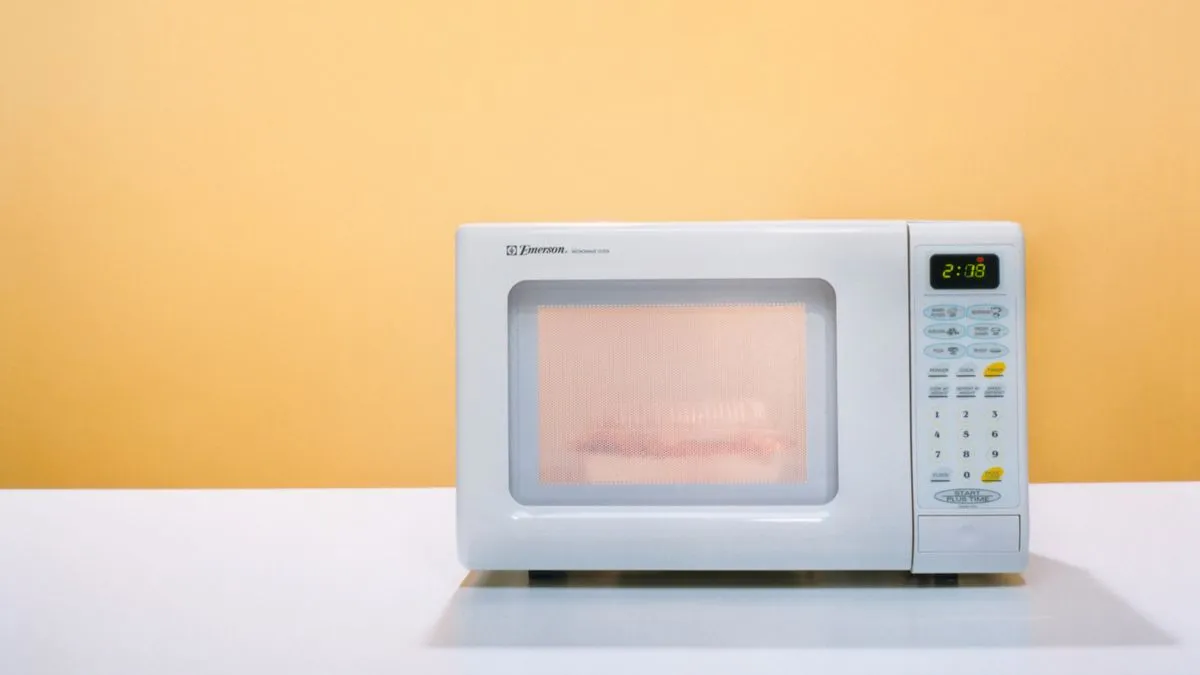
Using plastic wrap in the microwave can come with some risks you should know about. One of the main concerns is chemical leaching. Certain plastics contain substances like BPA and phthalates, which may seep into your food when heated. These chemicals have been linked to potential health problems, including hormone disruption and other long-term effects.
Apart from health worries, there’s the environmental impact to consider. Most plastic wrap is single-use and not biodegradable, contributing to plastic waste that harms wildlife and pollutes the environment. This is a growing issue, especially in the UK where recycling facilities for cling film are limited.
Practically speaking, plastic wrap can also melt or warp in the microwave, especially if it touches hot food or container edges. This not only ruins your wrap but can cause uneven heating, meaning your food might not cook properly or could get too hot in spots.
Public opinion is mixed — many people are cautious about microwaving plastic wrap and prefer safer alternatives. Taking these risks seriously can help you choose the best and safest way to microwave your food.
How to Safely Microwave Plastic Wrap
If you need to microwave food covered with plastic wrap, safety is key to avoiding chemical risks and uneven heating. Here’s a straightforward guide to help you use microwave-safe plastic wrap properly:
- Check the label: Always use plastic wrap marked as microwave-safe. This means it meets FDA guidelines and won’t release harmful chemicals when heated.
- Avoid direct contact with food: Keep the wrap slightly loose or leave a small gap between food and wrap to prevent melting or chemical leaching.
- Ventilate: Poke a few small holes or lift one corner of the wrap to allow steam to escape. This reduces pressure buildup and helps food heat evenly.
- Use short heating times: Start with bursts of 30 seconds and stir or check your food in between. Overheating can cause the plastic to melt or degrade.
- Avoid fatty or high-sugar foods: Foods high in fat or sugar heat unevenly and can cause plastic wrap to break down more easily.
- Never use non-microwave-safe wraps: Some plastic wraps aren’t designed for microwaving and can melt or release toxins. Check the packaging before use.
Following these simple steps can help you microwave plastic wrap safely, protecting your food and health while maintaining convenience.
Eco-Friendly Alternatives to Plastic Wrap
If you’re looking to ditch plastic wrap, there are plenty of sustainable options that work well in a busy UK kitchen. Glass containers with airtight lids are perfect for storing leftovers and reheating food safely. Silicone lids offer a flexible, reusable cover that fits various bowl sizes, reducing waste. Beeswax wraps are a natural choice, moulding around food and dishes while being washable and biodegradable. For quick cover-ups, simple paper towels can be an eco-friendly option for microwaving short-term, but avoid direct contact with very fatty foods.
Switching to these eco-friendly alternatives brings clear benefits:
- Reduces plastic waste that adds up in landfills
- Minimises chemical exposure from plastic leaching
- Cost-effective over time with reusable products
- Supports a greener lifestyle with less environmental impact
Ecoartfullife offers a range of sustainable kitchen products ideal for UK households wanting to cut down single-use plastics. Their beeswax wraps and silicone lids are popular for durability and easy cleaning, helping you move away from plastic wrap without hassle.
Here’s a quick comparison table to help you choose the best alternative:
| Feature | Plastic Wrap | Glass Containers | Silicone Lids | Beeswax Wraps | Paper Towels |
|---|---|---|---|---|---|
| Reusable | No | Yes | Yes | Yes | No |
| Microwave Safe | Sometimes* | Yes | Yes | Yes** | Limited |
| Eco-Friendly | No | Yes | Yes | Yes | Yes |
| Cost Over Time | Low initial cost | Higher initial cost | Moderate | Moderate | Low |
| Waste Produced | High | Very low | Low | Low | Low |
| Ease of Cleaning | No | Easy | Easy | Hand wash only | Disposable |
*Only if labelled microwave-safe
**Avoid overheating beeswax wraps; use a cover or a plate over the wrap
Choosing any of these eco-friendly options helps you microwave food safely while doing your bit for the environment.
Expert Insights and Safety Guidelines
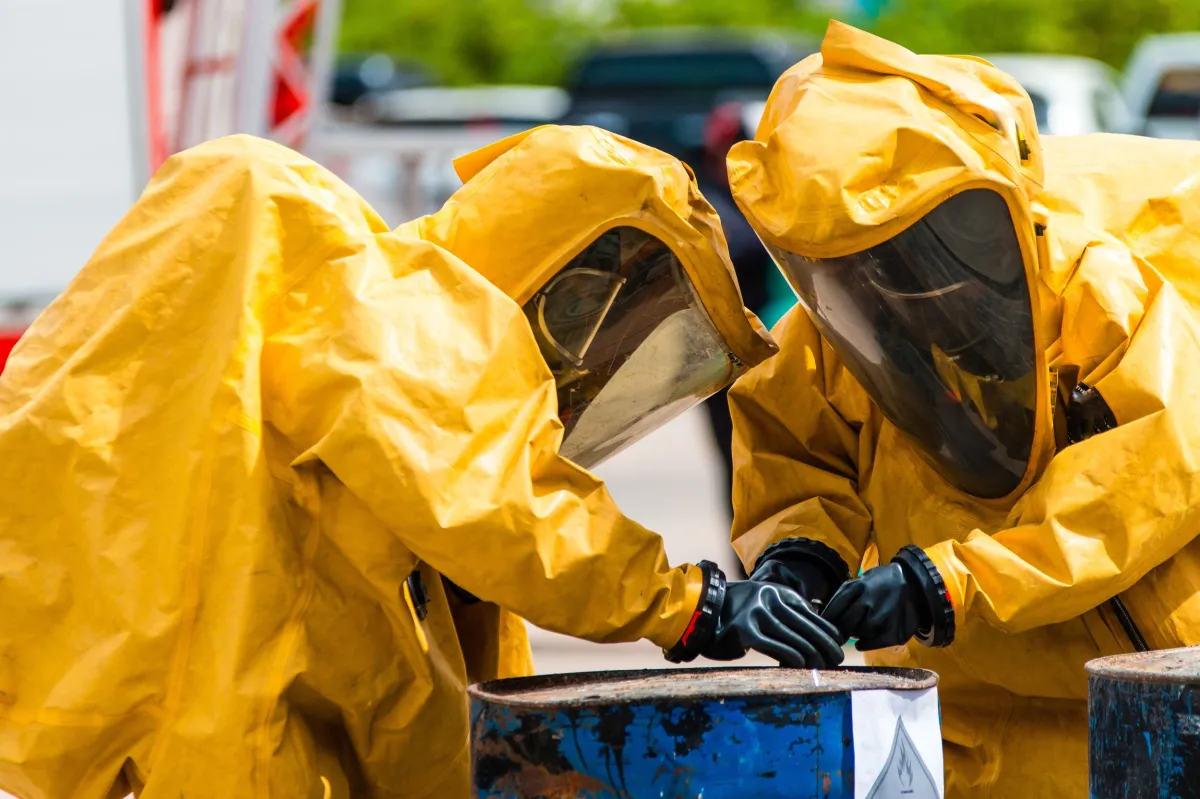
When it comes to microwaving plastic wrap, the FDA and other health organisations in the UK and beyond provide clear advice. They state that only plastic wraps labelled as microwave-safe should be used in the microwave. These products have been tested to ensure they won’t melt or release harmful chemicals during typical heating.
Experts have studied chemical leaching from plastic wraps, particularly concerns about substances like BPA and phthalates. The good news is that many modern plastic wraps sold in the UK are BPA-free and designed to minimise any chemical transfer when used correctly. However, it’s still wise to avoid direct contact between the wrap and very hot or fatty foods, as these conditions may increase the risk of leaching.
A few common myths around microwaving plastic wrap need busting:
- Myth: All plastic wrap is microwave-safe – not true. Always check the label.
- Myth: Plastic wrap can touch the food safely – generally, it shouldn’t touch food directly in the microwave.
- Myth: Using plastic wrap in the microwave always causes harmful chemicals – proper use lessens this risk significantly.
Following guidance from trusted health bodies helps keep you safe and reduces worries about chemical exposure in the kitchen. Staying informed about these expert opinions and safety guidelines is the best way to microwave food safely using plastic wrap.
FAQs about microwaving plastic wrap
Is it safe to microwave plastic wrap?
Only if the plastic wrap is labelled microwave-safe. Look for packaging that clearly states it’s suitable for microwave use and follow the manufacturer’s instructions. Avoid direct contact between the wrap and the food to reduce risk.
How can I tell if plastic wrap is microwave-safe?
Check the label or packaging for a microwave-safe symbol or wording. If in doubt, don’t use it in the microwave. Some wraps include an explicit warning not to microwave.
What are the health risks of microwaving plastic wrap?
Heating non-microwave-safe plastic wrap can cause chemicals like BPA or phthalates to leach into food. These chemicals may affect health over time, so it’s best to avoid heating plastic that’s not designed for microwaving.
Can I microwave plastic wrap directly on food?
It’s best not to let plastic wrap touch oily or fatty foods when microwaving, as these can reach higher temperatures and increase chemical leaching. Leave a small gap or poke holes in the wrap to allow steam to escape safely.
What are good alternatives to plastic wrap for microwaving?
- Microwave-safe glass or ceramic lids
- Silicone lids or caps
- Microwave-safe reusable food covers
- Paper towels or microwave-safe wax paper
These options are healthier for microwaving and more environmentally friendly.
Can I reuse plastic wrap after microwaving?
It’s not recommended. Reheated plastic wrap can break down, increasing the risk of chemicals leaching into food. Always use fresh wrap or better yet, switch to reusable covers.
Why avoid single-use plastic wrap in the kitchen?
Single-use plastics contribute significantly to environmental waste and pollution. Choosing sustainable kitchen options helps reduce your plastic footprint and keeps your food safer.
If you’re in the UK and want to keep mealtimes safe and eco-friendly, sticking to microwave-safe products and eco-alternatives is the best way forward.