

















Are you thinking about cutting down on waste and making smarter choices for your kitchen? Reusable food packaging is quickly becoming a must-have for anyone looking to live more sustainably without sacrificing convenience or style.
Whether you’re curious about the best materials, want to save money over time, or just need practical tips to keep your containers in top shape, you’ve come to the right place.
In this guide, we’ll break down everything you need to know about reusable food packaging, from eco-friendly options and health benefits to why Artfullife is your go-to supermarket supplier for reliable, high-quality solutions.
Ready to make the switch and join the sustainability movement? Let’s dive in!
What is Reusable Food Packaging
When we talk about reusable food packaging, we mean containers and wraps designed to be used over and over again — not just once like typical disposable options. The core idea is simple: instead of tossing food storage after a single use, reusable packaging offers a durable, safe way to store and transport food sustainably, cutting down on waste.
Definition and Core Concept
Reusable food packaging is any durable container or wrap made to hold food safely while standing up to multiple uses and cleanings. This packaging helps reduce landfill waste, lowers environmental impact, and supports a zero waste lifestyle. Unlike disposable or single-use items, it’s built to last, making it a smart choice for everyday food storage, meal prep, and on-the-go meals.
Common Materials Used for Reusable Food Packaging
Several materials stand out for making reliable, eco-friendly reusable food containers:
- Silicone: Flexible, heat-resistant, and dishwasher safe, especially popular in silicone food bags and covers.
- Glass: Non-toxic and BPA free, great for food storage containers and jars that won’t absorb smells or stains.
- Stainless Steel: Durable and lightweight, often used for lunch boxes and bottles; naturally antibacterial.
- Bamboo: Renewable and biodegradable, a natural alternative used in bowls or wraps.
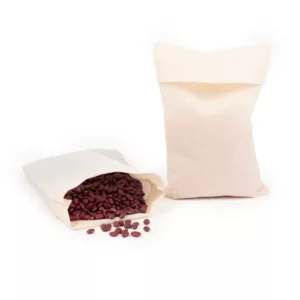
- Cloth: Natural fibers used in reusable produce bags or beeswax wraps, breathable and washable.
These materials combine safety, durability, and convenience with eco-conscious design.
How Reusable Packaging Differs from Recyclable Packaging
It’s easy to confuse reusable with recyclable packaging, but they serve different purposes:
- Reusable packaging is made to be used many times — over days, weeks, or even years. It replaces disposables completely.
- Recyclable packaging is typically single-use, then broken down and remade into new products. Recycling still uses energy and resources and isn’t always available everywhere.
Choosing reusable packaging means you avoid the cycle of constant disposal and recycling. It’s a proactive step toward reducing plastic waste and lowering your carbon footprint rather than waiting for recycling systems to handle it. Reusable is smarter for the environment and your daily routine.
By understanding what reusable food packaging really means, including the materials and differences from recyclables, you get why it’s a key part of a sustainable, plastic-free food storage solution for every kitchen and lifestyle.
Why Choose Reusable Food Packaging
Choosing reusable food packaging is more than just a trend—it’s a smart move for the environment, your wallet, and your health. Here’s why it makes sense to switch to sustainable food containers and eco-friendly lunch boxes.
Environmental Benefits
The biggest win when you choose reusable packaging is waste reduction. Unlike single-use plastics that end up in landfills or oceans, reusable silicone food bags, glass food storage containers, and bamboo wraps can be used again and again, drastically cutting down the trash you produce. This helps lower the carbon footprint because less energy is needed to make new packaging all the time.
Economic Benefits
While the upfront cost of reusable food storage might seem higher, the long-term savings are significant. You won’t need to keep buying disposable bags, wraps, or containers. Over time, these durable food storage solutions pay for themselves. For families and individuals in the US looking to save money, this switch is practical and sustainable.
Health Benefits
Many disposable food packages contain harmful chemicals like BPA and phthalates that can leach into your food. By opting for BPA-free reusable containers made from glass, stainless steel, or certified food-safe silicone, you reduce your exposure to these toxins. This is especially important for kids’ lunches and everyday meals.
Versatility and Convenience
Reusable food packaging fits every lifestyle. Whether you need microwave-safe containers for quick meals, leakproof bags for produce, or stackable lunch boxes for packing multiple meals, there’s an option that works for you. From office workers and students to families on the go, reusable packaging offers easy cleaning, durability, and flexibility that disposable options can’t match.
Making the switch to reusable food packaging means you get eco-friendly food wraps and containers that protect your food, protect your health, and help protect the planet—all while being convenient enough for your daily routine.
Types of Reusable Food Packaging Offered by Artfullife
Artfullife provides a wide range of reusable food packaging designed for everyday use, combining durability, safety, and eco-friendliness to meet local U.S. needs. Here’s what you can expect:
Containers and Storage Solutions
- Food storage boxes made from BPA-free materials perfect for leftovers and meal prep.
- Lunch boxes that are durable, easy to clean, and ideal for packing meals on the go.
- Designed to be microwave-safe, leakproof, and often stackable for easy storage.
Wraps for Plastic-Free Food Storage
- Reusable beeswax wraps, a natural, sustainable alternative for wrapping sandwiches or covering bowls.
- Silicone covers that stretch to fit various containers, creating an airtight seal without plastic waste.
Bags for Everyday Carry
- Cloth produce bags perfect for farmers market trips and reducing single-use plastic.
- Reusable zipper bags made from food-safe silicone, ideal for snacks and organizing items in your fridge.
Bottles and Jars for Drinks and Storage
- Glass bottles that keep beverages pure without chemical leaching and are easy to clean.
- Stainless steel jars known for their durability and insulation, great for hot or cold foods.
Specialized Packaging Features
Many Artfullife products come with smart designs tailored for convenience and sustainability:
- Microwave-safe materials save you time without sacrifice.
- Leakproof seals to prevent spills whether at home, office, or school.
- Stackable designs that help keep your kitchen neat and organized.
By focusing on durable food storage solutions made from eco-friendly materials like silicone, glass, bamboo, and stainless steel, Artfullife meets the demand for sustainable, plastic-free food storage options that work for every lifestyle in the U.S.
How to Choose the Right Reusable Food Packaging for You
Selecting the best reusable food packaging means balancing your needs with practical features. Here’s what to think about when picking sustainable food containers or eco-friendly lunch boxes that fit your lifestyle.
Consider Size Material Ease of Cleaning and Durability
- Size: Choose containers or bags that match your typical meal portions. For daily lunches or snacks, compact containers or reusable silicone food bags work well. For bulk storage, larger glass or stainless steel options are better.
- Material: Look for BPA-free, non-toxic materials like silicone, glass, stainless steel, or bamboo. These are safer and often last longer than cheap plastics. Materials like beeswax wraps offer an eco-friendly alternative for wrapping food.
- Ease of Cleaning: Pick packaging that’s easy to clean by hand or dishwasher safe, especially if you’re using it daily. Smooth surfaces and leakproof seals avoid stains and odors, helping your reusable packaging stay fresh.
- Durability: Opt for sturdy options that won’t crack, warp, or degrade after repeated use. Durable food storage solutions save money long term and reduce waste.
Consider Lifestyle Factors
- Home Use: For kitchen storage, glass containers or stacked stainless steel boxes allow you to organize food neatly.
- On-the-Go: Lightweight, leakproof, and compact containers or reusable zipper bags are perfect for commuting or travel.
- Kids’ Lunches: Choose containers with secure lids and kid-friendly sizes. Bright colors or fun designs make lunch more appealing for kids.
Tips on Selecting Safe and Certified Materials
- Look for FDA-approved, BPA-free, or food-grade certifications to ensure products meet safety standards.
- Check for non-toxic dyes and coatings, especially with beeswax wraps or bamboo containers.
- Confirm packaging is free of harmful chemicals like phthalates or PVC.
Think About Local Preferences and Availability
- Choose products that are popular or suited to your region’s climate and food habits. For example, glass containers work well in most U.S. households but might be less convenient for outdoor activities.
- Artfullife offers a wide range of reusable food packaging options tailored for U.S. customers, making it easy to find products locally with reliable shipping and support.
By weighing these factors—size, material safety, cleaning ease, and lifestyle needs—you can find the right reusable food packaging that fits seamlessly into your daily routine while supporting a zero waste lifestyle.
Caring for Your Reusable Food Packaging
Taking good care of your reusable food packaging is essential to keep it safe, hygienic, and long-lasting. Proper cleaning, maintenance, and storage can help avoid common problems like scratches, odors, and stains that reduce the lifespan of your eco-friendly containers, wraps, bags, and bottles.
Cleaning and Maintenance Tips to Prolong Lifespan
- Wash after every use with warm, soapy water. This prevents food residues from building up and causing odors or stains.
- For silicone food bags and wraps, hand washing is best to maintain flexibility and durability. Avoid abrasive scrubbers.
- Glass and stainless steel containers can usually be cleaned in the dishwasher. Check if your product is dishwasher safe to avoid damage.
- Dry all items completely before storing to prevent mold or mildew.
- Occasionally, deep clean by soaking containers in a solution of baking soda and water or vinegar to remove lingering odors and stains.
- Avoid harsh chemicals or bleach that can break down materials or leave harmful residues on your sustainable food containers.
How to Avoid Scratches Odors and Staining
- Use soft sponges or cloths only. Avoid steel wool or rough brushes that scratch surfaces.
- Store lids and containers separately or with a paper towel in between to prevent scratching.
- To tackle odors, leave a cut lemon or baking soda in containers overnight.
- Avoid leaving acidic or strongly colored foods in containers for prolonged times as they can stain, especially on bamboo or silicone wraps.
- If you notice any cracking or weakening, replace the item to maintain food safety.
Proper Storage of Reusable Food Packaging
- Store your eco-friendly lunch boxes and food storage containers in a dry, cool place.
- Keep flexible items like beeswax wraps and silicone covers flat or gently rolled to avoid creases.
- For reusable bags, hang them or fold loosely to maintain shape.
- Stack containers carefully to avoid pressure cracks—choose stackable designs when possible for organized storage.
- Keep packaging away from direct sunlight or heat to prevent degradation of materials like bamboo or silicone.
Following these simple care practices will help your reusable food packaging stay fresh, safe, and ready for daily use. For more on durable options, see our guide on durable and reusable food containers for daily use.
Artfullife’s Commitment to Quality and Sustainability in Reusable Food Packaging
Responsible Sourcing and Manufacturing Practices
At Artfullife, we understand that quality reusable food packaging starts with where and how materials are sourced. We work closely with trusted suppliers who prioritize eco-friendly food wraps, BPA-free materials, and responsibly harvested resources like bamboo and stainless steel. Our manufacturing partners follow strict environmental guidelines to reduce waste and energy use, ensuring our products align with the zero waste food packaging movement that many American households support.
Certifications and Industry Standards
All Artfullife products meet or exceed key certifications to guarantee safety and durability. Our glass food storage containers, silicone food bags, and beeswax wraps comply with FDA food contact standards. We also ensure our products are free from harmful chemicals often found in plastics, such as BPA and phthalates. Additionally, many of our items hold certifications like USDA Organic (for beeswax wraps) and ISO quality standards, which reassures customers about the commitment to sustainable and durable food storage solutions.
Customer Experiences and Success Stories
We’re proud to share that thousands of families and local businesses across the U.S. have switched to Artfullife’s reusable packaging for their daily needs. Many users highlight the long-lasting durability of our containers, the convenience of microwave-safe and leakproof designs, and how switching contributes to reducing their household waste. Our customer testimonials often mention the positive impact on reducing plastic use and carbon footprints, which aligns well with the growing eco-conscious lifestyle in communities nationwide.
In , Artfullife offers more than just reusable food packaging—we provide trusted, sustainable solutions designed to fit your lifestyle and support a cleaner planet.
How to Buy Reusable Food Packaging from Artfullife
Getting your hands on reusable food packaging from Artfullife is simple and convenient, whether you’re shopping for home use or business needs.
Easy Ordering Process for Local Customers
Artfullife offers a straightforward online ordering system designed with local U.S. customers in mind. You can browse their collection of sustainable food containers, eco-friendly lunch boxes, and BPA-free reusable containers from your computer or phone. Orders are processed quickly, with reliable shipping options that help you get your zero waste food packaging without hassle.
Bulk Purchase and Supermarket Supply Options
For those looking to stock up or supply their store, Artfullife supports bulk orders at competitive prices. This is a great option for local grocery stores, cafes, or restaurants focused on reducing single-use plastics. As a trusted supermarket supplier, they provide consistent quality and timely deliveries, making it easier for businesses to offer durable food storage solutions to their customers.
Customization and Branding Solutions for Businesses
Artfullife also offers customization options for companies wanting to promote their brand with reusable silicone food bags, glass food storage containers, or eco-friendly food wraps. You can choose from various materials and designs to best fit your business needs, helping you stand out while supporting sustainability. This flexible service is perfect for corporate gifting, promotional products, or packaging that aligns with your green mission.
In :
- Simple, local-friendly ordering for consumers
- Competitive bulk purchase options for retailers and food businesses
- Custom branding solutions to support business sustainability goals
Buying reusable food packaging from Artfullife means you get top-quality, eco-conscious products suited for everyday use or commercial needs—all while supporting cleaner, plastic-free choices in the U.S. market.
Frequently Asked Questions about Reusable Food Packaging
Is reusable packaging dishwasher safe
Most reusable food packaging from Artfullife, including silicone bags, glass containers, and stainless steel items, is dishwasher safe. However, it’s smart to check each product’s care instructions to avoid damage. For example:
- Silicone bags and silicone covers generally handle dishwashing well on the top rack.
- Glass containers tolerate dishwasher cleaning but avoid sudden temperature changes to prevent cracking.
- Bamboo or wooden items should be hand-washed to preserve their quality.
How long does reusable food packaging last
The lifespan of reusable food packaging varies based on the material and how you care for it. On average:
- Silicone and stainless steel products can last 5+ years with proper care.
- Glass containers often last a lifetime unless dropped or cracked.
- Bamboo wraps or beeswax wraps may last 6 months to a year before needing replacement.
Proper cleaning and storage will keep your packaging durable and effective over time.
Are reusable food bags leakproof
Many reusable food bags, especially those made of silicone or designed with sealed zippers, are leakproof or highly water-resistant, suitable for carrying liquids or moist foods. Cloth produce bags, while reusable and eco-friendly, typically are not leakproof. For spill protection, consider:
- Reusable zipper bags with silicone lining for airtight seals.
- Beeswax wraps for dry or solid foods, not recommended for liquids.
Can I microwave or freeze reusable containers
Yes, many Artfullife reusable containers are designed for convenient use in both the microwave and freezer. Keep in mind:
- Glass and silicone containers are usually safe for microwaving and freezing.
- Stainless steel containers must not go in the microwave but are great for freezing.
- Always check product labels or guidelines to avoid damage. Also, avoid microwaving sealed containers to prevent pressure buildup.
How to dispose of reusable packaging at end of life
When your reusable food packaging reaches the end of its usable life, dispose of it responsibly to minimize environmental impact:
- Glass and stainless steel can often be recycled locally—check your community’s recycling program.
- Silicone is harder to recycle but some specialized programs accept it; if not, it can be repurposed creatively.
- Bamboo wraps and beeswax wraps are biodegradable and can be composted if free of food residue.
- Avoid throwing reusable packaging in landfills if possible—explore recycling and composting for a zero waste approach.
By choosing and properly caring for reusable food packaging, you not only save money but also contribute to reducing plastic waste and supporting a greener lifestyle in the U.S.