
















Looking for the perfect sandwich bag to keep your food fresh, safe, and easy to carry? Whether you’re packing lunches for school, running a café, or managing supermarket supplies, choosing the right sandwich bag makes all the difference. In this guide, you’ll discover everything from the most popular types of sandwich bags and their key benefits to tips on eco-friendly options and how to pick the best fit for your needs. Ready to upgrade your food storage game? Let’s dive into the ultimate guide to sandwich bags — presented by Artfullife, your trusted supplier.
What Is a Sandwich Bag
A sandwich bag is a type of flexible food storage bag designed primarily to hold sandwiches, snacks, or small meal portions. These bags are widely used for food storage and are popular for their convenience, portability, and ability to keep food fresh. They feature a simple closure system, typically a press-seal or ziplock, to provide an airtight environment that helps prevent contamination and spoilage.
Common Characteristics of Sandwich Bags
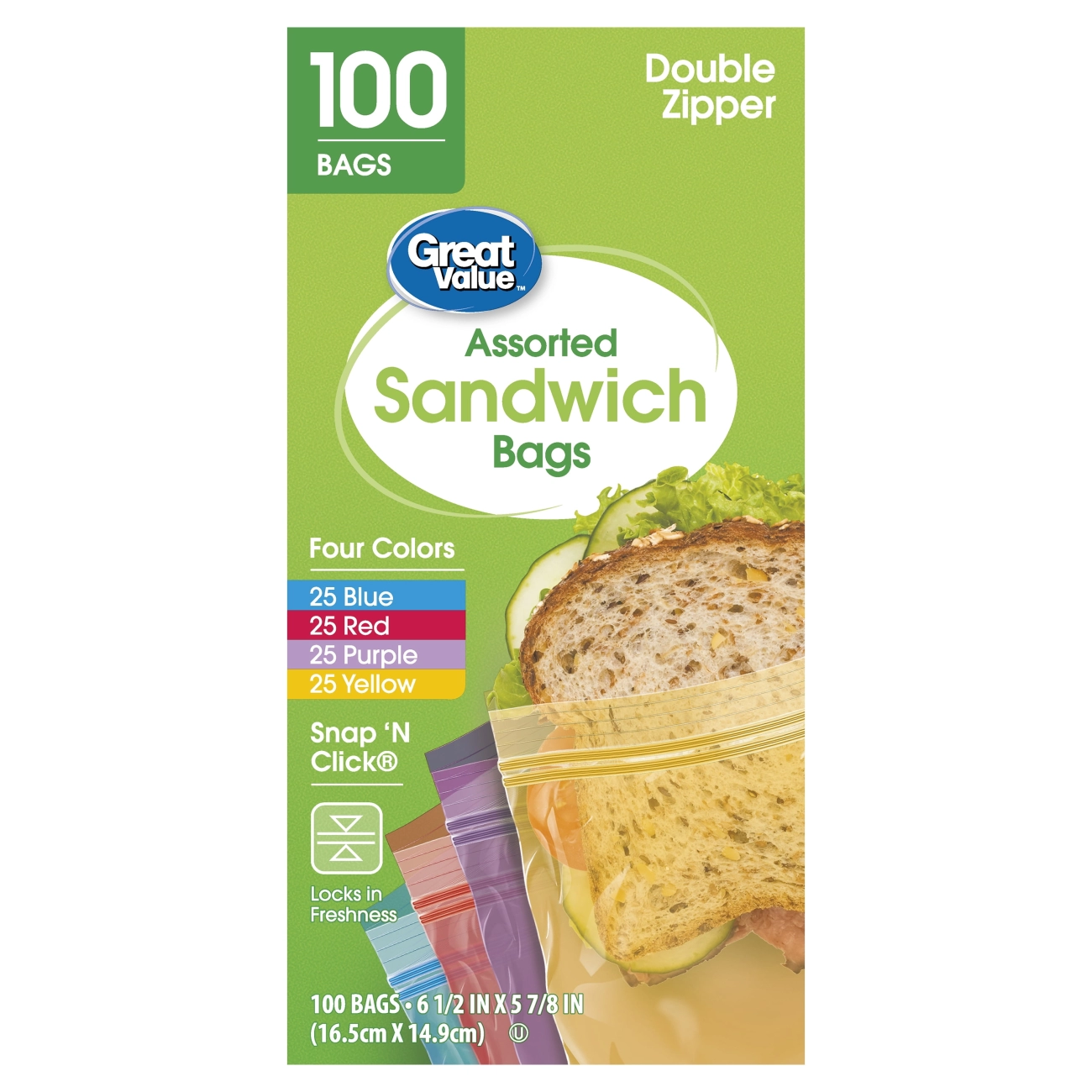
- Size: Standard sandwich bags typically measure about 6.5 inches by 5.8 inches, making them perfect for holding a typical sandwich or similar-sized food items.
- Material: Most sandwich bags are made from polyethylene (PE) or high-density polyethylene (HDPE) plastic. These materials offer flexibility, durability, and a moisture barrier to keep food fresh.
- Closure type: Common sealing mechanisms include ziplock press-seal or adhesive strips, both providing quick and reliable closure.
- Transparency: Sandwich bags are often clear or semi-transparent, allowing easy identification of the contents inside.
Standard Sizes and Materials Used
Although the standard size of sandwich bags remains consistent, variations exist to accommodate different needs. For example, some bags are slightly larger to fit thicker or bigger sandwiches, while others come in smaller snack sizes.
Material options generally include:
- Plastic sandwich bags, made from PE or HDPE, which are lightweight, affordable, and commonly available in bulk.
- Reusable silicone sandwich bags, which provide a durable, eco-friendly alternative.
- Biodegradable or compostable sandwich bags, crafted from plant-based materials to offer an environmentally responsible option.
Comparison with Other Food Storage Solutions
When compared to other food storage bags like quart-size freezer bags or containers, sandwich bags offer:
- Greater convenience for everyday use, thanks to their smaller size and easy sealing.
- Cost-effectiveness, especially when purchased wholesale.
- Better portability for school lunches, snacks, and on-the-go meals.
- They are less bulky than reusable containers but may lack the long-term durability those containers provide.
In contrast, freezer-safe bags are typically thicker and larger, designed to withstand freezing conditions, while containers offer rigid protection but take up more space.
Sandwich bags strike the balance between usability, storage efficiency, and food preservation, making them a staple in households, schools, and commercial settings alike.
Types of Sandwich Bags Available

When choosing sandwich bags, it’s important to know the range of options available, each designed to meet different needs, preferences, and uses. Here’s a quick breakdown of the main types you’ll find in the U.S. market.
Plastic PE and HDPE Sandwich Bags
The most common type is made from polyethylene (PE) or high-density polyethylene (HDPE). These are the standard clear plastic bags you see in homes and schools. They’re lightweight, affordable, and widely available in various sandwich bag sizes.
- PE bags are flexible and slightly thicker, offering decent protection.
- HDPE bags are thinner and crinklier but cost-effective, ideal for short-term use.
These bags are usually disposable and suitable for everyday sandwich storage.
Reusable Silicone Sandwich Bags
Moving towards sustainability, reusable silicone sandwich bags have gained popularity. Made from food-grade silicone, these bags are:
- Durable and flexible
- Easy to clean and dishwasher safe
- Leakproof and airtight
They’re perfect for people looking to reduce single-use plastic waste. These bags fit well for daily lunches and can last for years, providing a great eco-friendly alternative to traditional plastic baggies.
Biodegradable and Eco-Friendly Sandwich Bags
For those focused on sustainability, biodegradable and compostable sandwich bags made from plant-based materials or biodegradable plastics offer an excellent option.
- Break down faster in landfill or compost environments
- Help reduce plastic pollution
- Available in both disposable and reusable options
These bags appeal to eco-conscious consumers and businesses seeking greener packaging solutions without sacrificing convenience.
Ziplock Press-Seal and Adhesive-Seal Bags
Ziplock (also known as press-seal) sandwich bags are a popular type of plastic bag that seals tightly with a press-to-close mechanism. Benefits include:
- Airtight protection to keep food fresh longer
- Easy to open and close multiple times
- Widely used in home, school, and retail settings
Alternatively, some sandwich bags use adhesive seals, providing a peel-and-stick closure mainly for quick use but without resealing convenience.
Specialty Sandwich Bags Airtight Freezer-Safe and Microwavable
In addition to basic sandwich storage, specialty bags offer added features such as:
- Airtight freezer-safe bags that prevent freezer burn and preserve freshness for longer storage
- Microwavable sandwich bags designed from materials that can safely heat food in the microwave without melting or releasing harmful chemicals
These options cater to customers who need flexible, durable bags for varied food storage and reheating needs.
Whether you prioritize cost, sustainability, or special features, there’s a sandwich bag type suited for every home, school, or business need. Understanding these options helps you pick the right bags to keep food fresh, safe, and easy to carry.
Key Features and Benefits of Using Sandwich Bags
Sandwich bags, whether plastic, reusable, or biodegradable, offer several important benefits that make them a staple in food storage and daily routines.
Food Safety and Hygiene
One of the main advantages of using sandwich bags is maintaining food safety and hygiene. They create a clean barrier that keeps sandwiches and snacks protected from dust, germs, and airborne contaminants. This is especially important for school lunches and on-the-go meals, where proper sealing reduces the risk of cross-contamination.
Preservation of Freshness and Preventing Contamination
Sandwich bags help preserve freshness by sealing in moisture and preventing exposure to air. This slows down food spoilage and keeps sandwiches tasting better longer. Using ziplock sandwich bags or airtight freezer-safe options helps lock in flavor while preventing juices or crumbs from spilling out, which is crucial for keeping food safe and clean.
Convenience and Portability for Everyday Use
The convenience of sandwich bags is a big selling point. Their lightweight, flexible nature makes them perfect for packing lunches, picnics, or snacks on the go. They are easy to open and reseal, especially the popular ziplock or press-seal types, allowing quick access without mess. Plus, the wide range of sandwich bag sizes means there’s an option to fit everything from small snacks to larger sandwiches.
Cost-effectiveness and Bulk Availability for Suppliers
From a supplier perspective, sandwich bags are cost-effective and popular in bulk orders. For food service businesses, schools, or retail, buying plastic sandwich bags wholesale saves money and ensures a steady supply. Even eco-conscious buyers who prefer biodegradable or reusable sandwich bags can find options that balance sustainability with affordability and durability.
In , sandwich bags are essential for keeping food fresh, safe, and easy to carry—whether you’re packing school lunches, managing commercial food service, or just storing snacks at home. Their effectiveness, convenience, and cost benefits make them a go-to choice in the United States market.
Choosing the Right Sandwich Bag for Your Needs

Selecting the perfect sandwich bag depends on a few key factors that match your specific needs, whether you’re packing school lunches, running a retail food service, or managing a commercial kitchen. Here’s what to consider:
Size and Capacity Matter
- Standard sandwich bag sizes usually fit most sandwiches but check if you need larger or smaller bags.
- Consider if you’ll pack bulky items, snacks, or multiple items in one bag.
- Quart size sandwich bags are common, but confirm if that size fits your purpose, especially for retail or food service.
Material Type and Thickness
- Plastic sandwich bags made from PE or HDPE are popular for everyday use. They usually come in thinner or thicker versions—thicker bags offer better durability and protection.
- Reusable sandwich bags like silicone pouches are great for eco-conscious users who want long-term options.
- Choose biodegradable or compostable sandwich bags if sustainability is a priority. These are ideal for those looking to reduce plastic waste without sacrificing performance.
Sealing Type for Convenience and Freshness
- Ziplock sandwich bags are widely used because they seal tightly and keep foods fresh longer.
- Press-seal bags offer a secure closure but may not be as quick to open and close repeatedly.
- Some bags come with adhesive seals, often used for retail or commercial packaging where tamper evidence matters.
- For freezer or microwave use, specialty airtight and freezer-safe bags keep food fresh and durable under temperature changes.
Intended Use and Volume
- For home or school lunches, convenience and ease of use are key. Reusable sandwich pouches or simple ziplock bags work well here.
- Retail and commercial food service demand bags that meet food safety regulations, durability, and consistent sizing—consider suppliers who offer bulk plastic sandwich bags wholesale.
- Custom sizes, printing, or branding may be important for businesses focusing on product presentation.
Environmental and Sustainability Considerations
- Increasingly, consumers are seeking eco-friendly sandwich bags that minimize environmental impact.
- Biodegradable sandwich bags are a solid choice but check whether they require commercial composting or are home-compostable.
- Reusable options reduce single-use waste, perfect for day-to-day use in school or office settings.
By focusing on size, material, sealing type, thickness, and environmental impact, you can find a sandwich bag that fits your lifestyle or business needs while offering value, convenience, and sustainability.
How to Properly Use and Dispose of Sandwich Bags
Using sandwich bags the right way helps keep your food fresh and reduces waste. Whether you’re packing lunch for school, storing leftovers at home, or handling food in commercial settings, following these simple steps makes a big difference.
Tips for Efficient Packing and Sealing
- Choose the right size: Use sandwich size bags that fit your food without needing to fold or squeeze, which helps prevent damage and spills.
- Do not overfill: Leaving some space at the top makes sealing easier and more secure.
- Seal properly: For ziplock sandwich bags, press the seal firmly along the entire edge. For adhesive-seal bags, make sure edges are clean and dry before closing.
- Remove excess air: Press out extra air before sealing to keep food fresh longer and reduce freezer burn for freezer-safe bags.
- Label contents and date: Particularly useful when storing multiple items or freezing food.
Storage Best Practices Temperature and Shelf Life
- Keep perishable items refrigerated: Use sandwich bags for deli meats, cheese, or cut fruits stored in the fridge to maintain freshness.
- Use freezer-safe sandwich bags: For freezing meals or leftovers, choose bags designed for freezer use to avoid moisture damage and freezer burn.
- Avoid direct heat and sunlight: Store sandwich bags away from heat sources to prevent warping or melting, especially reusable silicone or plastic bags.
- Follow shelf life guidelines: Typically, food in sandwich bags lasts 3-5 days refrigerated. Frozen items can keep a few months but check food type for specific limits.
Recycling Guidelines and Eco-Friendly Disposal
- Check local recycling rules: Most traditional plastic sandwich bags (PE or HDPE) are not accepted in curbside recycling. However, many grocery stores offer collection points for plastic bags.
- Reuse when possible: Reusable sandwich bags made from silicone or washable fabric reduce waste and are better for the environment.
- Opt for biodegradable or compostable bags: If using eco-friendly sandwich bags, confirm whether they require commercial composting facilities or can be composted at home.
- Proper disposal tips:
- Flatten plastic bags before disposal to save space.
- Never mix food residue with recycling—clean the bags first or reuse.
- For biodegradable sandwich bags, follow disposal instructions carefully to ensure they break down correctly.
By following these packing, storage, and disposal practices, you can maximize food freshness, reduce waste, and make the most of your sandwich bags whether at home, school, or work.
Why Choose Artfullife as Your Sandwich Bag Supplier
When it comes to picking a reliable sandwich bag supplier in the U.S., Artfullife stands out for several key reasons. Whether you need plastic sandwich bags wholesale, reusable sandwich bags, or eco-friendly sandwich bags, Artfullife offers a wide product range designed to meet diverse needs.
Wide Product Range and Customization Options
Artfullife carries an extensive selection of sandwich bags including:
- Ziplock sandwich bags in standard and specialty sizes
- Silicone reusable sandwich pouches
- Biodegradable and compostable sandwich bags
- Specialty bags that are freezer-safe, airtight, and microwavable
Plus, they provide customization options to fit specific size or branding needs, making them ideal for schools, retailers, or commercial food service businesses.
High Quality Standards and Certifications
Quality matters when storing food safely. Artfullife ensures all sandwich bags meet strict quality control standards. Their products have certifications for food safety and material safety, which guarantees no harmful chemicals leach into your food. This attention to detail supports hygienic food storage and helps maintain freshness longer.
Competitive Pricing and Bulk Order Benefits
For customers looking to buy plastic bag for sandwiches or other varieties in large quantities, Artfullife offers competitive wholesale pricing that delivers excellent value. Buying in bulk means lower costs per unit without sacrificing quality. This affordability makes Artfullife a smart choice for schools, supermarkets, and food entrepreneurs.
Reliable Customer Support and Distribution Network
Artfullife backs every order with dependable customer service. Their experienced team offers:
- Fast responses to inquiries
- Support in choosing the right sandwich bag sizes and materials
- Easy order process and timely delivery across the United States
This strong distribution network ensures your supplies arrive when and where you need them.
Choosing Artfullife means getting quality sandwich bags backed by professional service, flexible choices, and great pricing. Whether you want reusable sandwich pouches or biodegradable sandwich bags for eco-conscious users, Artfullife covers all bases to keep your food storage smooth and sustainable.
Sandwich Bags FAQs Reusable Microwave Safe Storage Composting
Are sandwich bags reusable
Many sandwich bags are designed for single use, but reusable sandwich bags like silicone sandwich pouches offer a durable and eco-friendly alternative. These reusable options are washable, which helps reduce plastic waste and save money over time. When choosing reusable bags, look for food-safe, BPA-free materials to ensure safety and durability.
Which sandwich bags are safe for microwaves
Not all sandwich bags can go in the microwave. Generally, silicone sandwich bags and some specially marked plastic bags are microwave-safe. Avoid standard plastic sandwich bags, especially those made from PE or HDPE, unless clearly labeled microwave-safe. If heating food, make sure the bag is free of metal parts and follow the manufacturer’s instructions to prevent melting or harmful chemical release.
How to store sandwich bags to extend shelf life
Proper storage keeps sandwich bags in good shape and ready to use:
- Keep bags in a cool, dry place away from direct sunlight
- Store flat or neatly folded to avoid creases and tears
- Seal opened packages tightly to prevent dust and contamination
- For reusable sandwich bags, ensure they are clean and thoroughly dry before storage to prevent mold or odor
- Consider using airtight containers or a dedicated drawer to keep bags organized
Are biodegradable sandwich bags compostable at home
Biodegradable and compostable sandwich bags differ from regular plastic bags by breaking down more naturally. However, not all biodegradable bags are suitable for home composting. Many require commercial composting facilities due to specific temperature and humidity conditions. To confirm:
- Check the product label for “home compostable” certification
- If uncertified, avoid composting at home to prevent contamination in your compost pile
- When possible, choose certified eco-friendly sandwich bags that match your local composting programs
By understanding these key points, you can select the best sandwich bags for your needs and use them in ways that support food safety, convenience, and environmental care.