

















Are you looking for a smarter way to store your food that’s both eco-friendly and safe? If so, silicone food bags might just be the game-changer your kitchen needs. More than just a trend, these reusable bags offer a sustainable alternative to single-use plastics without compromising on convenience or safety.
In this guide, you’ll discover everything about silicone food bags—from why they’re better for the planet and your health, to how they compare with other storage options. Plus, we’ll show you why choosing Artfullife’s silicone food bags makes all the difference for your lifestyle and your wallet.
Ready to make the switch to a greener, cleaner, and more durable food storage solution? Let’s get started!
What Are Silicone Food Bags
Definition and Materials Used
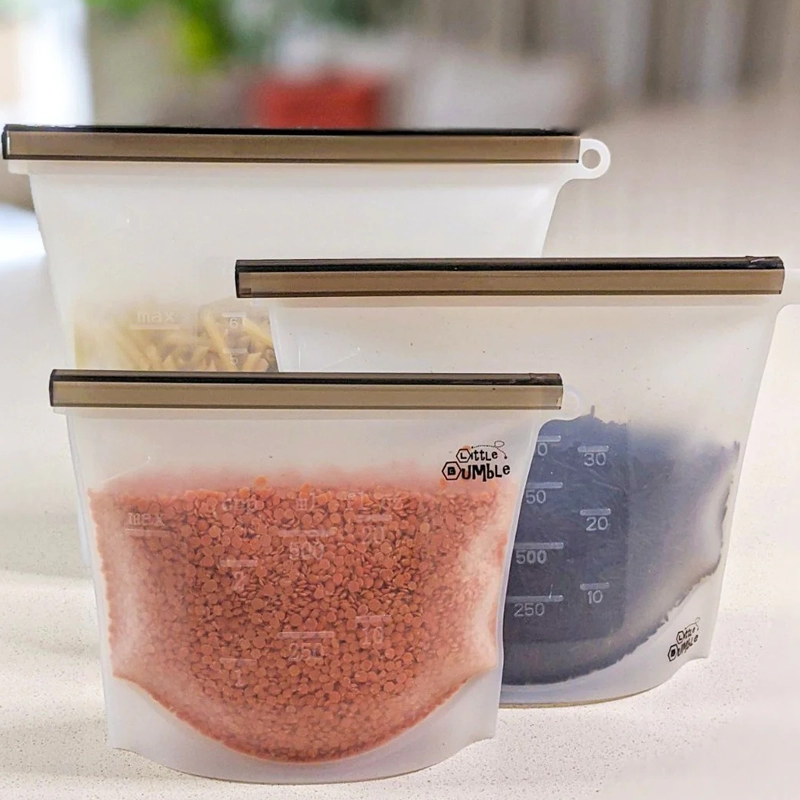
Silicone food bags are reusable storage bags made from food-grade silicone, a flexible, durable material derived from silica (sand). Unlike cheap plastic, silicone is BPA-free, non-toxic, and heat-resistant, making it safe for repeated contact with food. These bags are designed to store liquids, solids, and even hot or frozen items without degrading over time.
How They Differ from Plastic Bags and Other Food Storage Options
Compared to single-use plastic bags, silicone options are:
- Reusable — can last for years instead of one-time use.
- Heat and cold resistant — safe for microwave, oven, freezer, and dishwasher.
- Non-leaching — no harmful chemicals transfer to food, even with heat.
- More durable — resistant to tearing, warping, and staining.
Versus glass containers, silicone bags are lighter, more flexible, and easier to store. They also take up less space when not in use, making them great for small kitchens or on-the-go storage.
Overview of Common Designs and Sizes
Silicone food bags come in a variety of shapes, sizes, and closure styles to suit different needs:
| Type | Common Sizes | Best Use |
|---|---|---|
| Sandwich Bags | 15–25 oz | Packing sandwiches, snacks, cut fruit |
| Storage Bags | 30–50 oz | Leftovers, meal prep, freezer storage |
| Gallon Bags | 64 oz | Bulk food, marinating meats, storing produce |
| Stand-Up Bags | Various | Soups, sauces, liquids, pantry items |
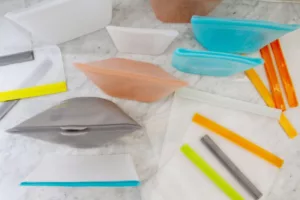
Closures range from zip-style seals, slide bars, to press-and-seal tops, all designed to keep food fresh and prevent leaks. Many brands also offer transparent or semi-transparent options so you can easily see what’s inside.
Silicone food bags are not just a replacement for plastic—they’re a long-term, eco-friendly, and safer food storage solution that fits modern lifestyles.
Benefits of Using Silicone Food Bags
Switching to silicone food bags isn’t just about keeping your leftovers fresh—it’s about choosing a smarter, long-term food storage solution that works for both you and the environment. Here’s why these reusable silicone bags stand out.
Environmentally Friendly
Silicone bags replace hundreds of single-use plastic bags, cutting down waste that ends up in landfills and oceans. One good-quality silicone bag can last for years, helping you live more sustainably without giving up convenience.
Health and Safety
Made from BPA-free, food-grade silicone, they’re free from harmful chemicals found in many plastics. They don’t leach toxins into your food, even when heated, which makes them safer for storing snacks, leftovers, and even baby food.
Durability and Longevity
Compared to thin plastic bags that tear easily, these reusable silicone bags are much tougher. They hold up against regular wear and tear, making them a dependable choice for daily use without needing frequent replacements.
Versatility in Use
Silicone bags work almost anywhere you store or heat food. They’re microwave, freezer, dishwasher, and oven safe (usually up to around 400°F, though it’s best to check the brand’s limit). You can:
- Store fresh produce in the fridge
- Pack sandwiches or snacks
- Freeze soups or sauces
- Reheat leftovers directly in the bag
Cost Effectiveness Over Time
While silicone food bags cost more upfront than plastic, they save you money in the long run. Instead of buying disposable bags every few months, you invest in a set that lasts for years, reducing waste and shopping trips.
Quick comparison of benefits:
| Feature | Silicone Food Bags | Disposable Plastic Bags |
|---|---|---|
| Reusable lifespan | 3–5 years | Single use |
| Chemical safety | BPA-free, food-grade | Often contains plastics |
| Microwave safe | Yes | No |
| Freezer safe | Yes | Limited |
| Cost over time | Lower in the long run | Higher due to repeat buys |
In short: If you want a safe, reusable, eco-friendly, and versatile food storage option, silicone food bags are worth it.
How to Use Silicone Food Bags Efficiently
Reusable silicone food bags can be a game changer in the kitchen, but using them the right way makes all the difference in keeping your food fresh and your bags lasting longer.
Best Practices for Packing and Sealing Food
- Do not overfill – Leave a little room at the top so you can seal it easily without spills.
- Push out excess air – This helps prevent freezer burn and keeps food fresher longer.
- Seal completely – Run your fingers along the closure strip to make sure it’s airtight.
- For liquids – Seal while the bag is upright, then lay it flat in the freezer to save storage space.
Suitable Food Types and Storage Tips
Silicone bags work for almost anything you’d store in plastic bags, plus a bit more:
- Dry goods: nuts, granola, pasta, coffee beans.
- Snacks on the go: sandwiches, fruit slices, crackers.
- Liquids: soups, sauces, smoothie mixes (freeze flat for stacking).
- Leftovers: portion meals, marinate meats, or pack salads.
- Produce storage: wash and dry vegetables before putting them in to avoid moisture buildup.
Tip: Label the bag with a removable marker or tape to track contents and dates.
Cleaning and Maintenance Tips
Keeping your BPA-free silicone bags in top shape isn’t complicated, but it’s worth doing right:
- Dishwasher safe: Place the bag open over a rack prong to let water reach inside.
- For deep cleaning: Use warm water, mild soap, and a bottle brush for stubborn food bits.
- Avoid sharp utensils inside – they can puncture or damage the silicone.
- Dry completely before storing to prevent mold or odors.
- Bake to refresh: If your bag picks up strong smells, bake it at 350°F for 5–10 minutes (check the manufacturer’s guidelines first).
Silicone Food Bags vs Alternatives
When choosing food storage, most people compare silicone food bags to plastic bags, glass containers, and other reusable bag options. Here’s a quick breakdown so you can see where each option stands.
Comparison with Plastic Bags
- Plastic Bags: Cheap, lightweight, and easy to find, but designed for single use. They tear easily and aren’t eco-friendly.
- Silicone Bags: Reusable for years, resistant to tears and leaks, made from BPA-free food-grade silicone, and safe in the microwave, freezer, oven, and dishwasher.
Verdict: Silicone bags cost more upfront but pay off by replacing hundreds of disposable plastic bags.
Comparison with Glass Containers
- Glass Containers: Great for long-term storage and safe with all foods, but heavy, breakable, and space-consuming.
- Silicone Bags: Lightweight, unbreakable, flexible, and easy to store even in tight spaces.
Verdict: Glass works well for static storage at home. Silicone bags win for portability and everyday use.
Comparison with Other Reusable Bags (Fabric or PEVA)
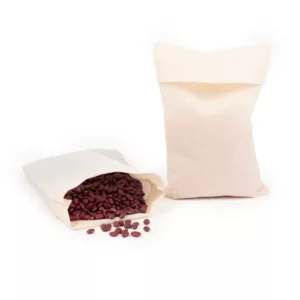
- Fabric/Recycled Material Bags: Good for snacks or dry foods only, not great with liquids. Cleaning can be harder.
- PEVA bags (plastic alternative): Better than regular plastic but still limited in heat safety and long-term durability.
- Silicone Bags: Handle liquids, solids, hot foods, and freezing without breaking down.
Verdict: Silicone gives more versatility across all food types and cooking needs.
Pros and Cons of Silicone Food Bags
| Pros | Cons |
|---|---|
| Long-lasting (years of use) | Higher initial cost |
| Safe for freezer, microwave, oven, dishwasher | Slightly heavier than plastic bags |
| Leakproof and airtight seal | Can take longer to dry after washing |
| Non-toxic, BPA-free, food-safe | May retain odors if not cleaned well |
Environmental Impact Comparison
- Plastic Bags: End up in landfills or oceans, not biodegradable, contribute to pollution for decades.
- PEVA or Fabric Bags: More eco-friendly than plastic but wear out faster than silicone.
- Glass Containers: Recyclable and long-lasting but resource-heavy to produce and ship.
- Silicone Food Bags: Reusable for hundreds of uses, reduce single-use waste, and recyclable through specialized programs.
Takeaway: For U.S. households looking to cut down on single-use plastic without giving up convenience, reusable silicone bags are one of the most sustainable and practical options.
What to Look for When Buying Silicone Food Bags
When shopping for silicone food bags, not all options are created equal. In the U.S. market, durability, safety, and functionality matter just as much as eco-friendliness. Here’s what to check before you buy:
Size and Capacity
- Match your storage needs – Common sizes include small (snacks), medium (sandwiches), and large (meal prep or freezer storage).
- Width and depth count – Ensure the dimensions fit in your lunch bag, fridge drawer, or freezer shelves.
- Many people buy silicone bag sets so they have multiple sizes on hand for different foods.
Seal Quality
- Look for airtight, leakproof seals to keep food fresh and avoid spills.
- Good sealing systems include pinch-lock, slide bars, or double-zip designs.
- Test how easy it is to open and close – you want it secure, but not a struggle.
Material Grade
- Choose 100% food-grade silicone – not mixed with cheaper fillers that can affect durability or safety.
- High-grade silicone should be BPA-free, BPS-free, and phthalate-free.
- Opt for heat-resistant silicone if you plan to use it in the microwave, oven, or for sous vide cooking.
Brand Reputation
- Established brands with solid customer reviews are more likely to deliver consistent quality.
- U.S. shoppers often check return policies and warranties in case of defects.
Certifications and Safety Standards
- FDA-approved or LFGB-certified silicone ensures it meets strict safety rules.
- Look for transparency from the brand about testing and compliance.
- Labels like BPA-free or non-toxic should be clearly stated.
Price and Value for Money
- Expect to pay more upfront than for disposable bags, but they pay off over time.
- Compare based on number of bags per set, durability, and versatility.
- Consider whether the bag can handle freezer, microwave, dishwasher, and oven use – this versatility makes your investment more valuable.
- Buying multi-packs often reduces cost per bag.
Why Choose Artfullife Silicone Food Bags
Artfullife as a Trusted Supermarket Supplier
Artfullife has built a reputation in the U.S. market as a reliable supplier for high-quality kitchen and food storage products. They work directly with supermarkets, retail chains, and eco-conscious stores, ensuring their silicone food bags meet consistent quality standards that everyday shoppers can trust.
Key Advantages of Artfullife Silicone Food Bags
| Feature | Benefit |
|---|---|
| Premium Food-Grade Silicone | 100% BPA-free, FDA-approved, safe for all types of food. |
| Multiple Sizes and Styles | Ideal for snacks, sandwiches, freezer storage, or meal prep. |
| Leakproof Seal Design | Prevents spills and keeps food fresh longer. |
| Heat and Cold Resistant | Safe for freezer, microwave, oven, and dishwasher. |
| Reusable and Long-Lasting | Reduces single-use plastic waste and saves money over time. |
Customer Feedback
Many U.S. customers report that Artfullife silicone bags outlast cheaper alternatives and seal better than standard reusable bags. Parents like them for school lunches, while home cooks appreciate how they work for both dry goods and liquids without leaks.
Here’s what buyers often highlight in reviews:
- Easy to clean and doesn’t retain odors.
- Flexible but sturdy structure—doesn’t tear or warp.
- Cost savings over replacing disposable bags.
Sustainability Commitment
Artfullife’s eco-friendly focus is more than just a selling point—it’s a brand promise. Each bag is designed to cut down plastic waste, and the company actively supports supermarkets in promoting sustainable shopping habits. Their reusable silicone food bags are built to last for years, making them a smart, green choice for U.S. households that want quality without compromise.
Frequently Asked Questions Silicone Food Bags
Are silicone food bags leak proof
Most high-quality silicone food bags, like the ones from Artfullife, are 100% leakproof when sealed properly. They use an airtight pinch-lock or slider seal that prevents spills, even with liquids like soups or sauces. Just make sure the seal is fully closed before storing or transporting.
Can silicone food bags go in the freezer or microwave
Yes, reusable silicone bags can handle extreme temperatures. You can safely use them in the freezer without worrying about cracking, and they’re microwave-safe for reheating food. They also work in the oven (up to about 400°F) and boiling water for sous-vide cooking. Always open the bag slightly in the microwave to let steam escape.
How long do silicone food bags last
With normal use and proper care, BPA-free silicone bags can last 3–5 years or more, far outlasting disposable or thin reusable plastic options. Their durability makes them a cost-effective and eco-friendly choice. Avoid cutting or puncturing the material to extend lifespan.
Are silicone food bags safe for kids
Yes. Food-grade silicone is non-toxic, BPA-free, and free from harmful chemicals found in some plastics. They’re great for packing snacks, sandwiches, and even baby food. Many parents in the U.S. like them because they’re flexible, soft, and easy for kids to open (depending on the seal type).
How do silicone food bags impact the environment
Using eco-friendly silicone food storage helps cut down on single-use plastic waste. A single bag can replace hundreds of disposable plastic bags over its lifetime. While silicone isn’t biodegradable, it’s recyclable where facilities exist and its reuse factor makes it a far better long-term choice for the planet.
Quick Facts Table
| Feature | Answer |
|---|---|
| Leakproof | Yes, when sealed properly |
| Freezer Safe | Yes |
| Microwave Safe | Yes, vent seal slightly |
| Average Lifespan | 3–5+ years |
| Safe for Kids | Yes, food-grade and BPA-free |
| Environmental Impact | Reduces single-use plastic waste |