

















The Retail Imperative for Sustainable Food Storage Solutions
Why Sustainable Storage Matters Now
Retail chains face growing pressure to shift toward sustainable food storage solutions for multiple reasons. The traditional methods of storing food often rely on single-use plastics, non-recyclable materials, and energy-intensive cold chains, which have a significant environmental and economic toll. Retailers are now recognizing that eco-friendly grocery storage containers and reusable bulk food storage solutions are not just good for the planet but essential for long-term business viability.
Environmental and Economic Toll of Traditional Methods
Conventional food storage systems contribute heavily to plastic pollution and excessive food waste. For instance:
- Plastic waste from disposable bags and packaging clogs landfills and oceans.
- Inefficient cold storage units consume large amounts of electricity, increasing greenhouse gas emissions.
- Food spoilage due to poor storage results in massive waste reduction challenges in retail.
- Rising disposal and energy costs directly hit the bottom line.
Traditional storage solutions create a costly cycle that’s difficult to break without adopting green supermarket supply chain innovations like BPA-free retail storage systems and compostable food wraps for chains.
Regulatory Shifts and Consumer Expectations
Regulations are tightening across the U.S., with many states introducing bans on single-use plastics and stricter waste management laws. Retailers must comply with these mandates or face penalties. At the same time, consumer demand is pushing retailers to demonstrate transparency and responsibility. Shoppers now expect:
- Zero-waste produce bins and sustainable produce solutions for chains
- Use of biodegradable retail food packaging and eco-friendly retail veggie carriers
- Implementation of sustainable cold chain infrastructure that reduces emissions
Meeting these expectations not only enhances brand reputation but drives loyalty in an increasingly eco-conscious marketplace.
Bottom line: Sustainable food storage solutions are no longer optional—they’re a retail imperative. Adopting green storage for supermarkets and sustainable grocery bags wholesale can reduce costs, comply with regulations, and satisfy evolving consumers. The time to act is now.
Top Sustainable Materials for Retail-Scale Food Storage Solutions

Choosing the right materials for sustainable food storage is key for retail chains aiming to cut waste and boost eco-friendly efforts. Here, we look at the best options suited for large-scale use, focusing on durability, cost, and environmental impact.
Biodegradable and Reusable Plastics
Plant-based plastics like PLA (polylactic acid) are gaining traction in biodegradable retail food packaging. These materials break down naturally and reduce landfill waste, making them perfect for eco-friendly grocery storage containers and compostable storage chains. Plus, reusable plastics designed without BPA are safer for food and shoppers alike.
- Made from renewable resources such as cornstarch
- Compostable under industrial conditions
- Often used for zero-waste produce bins and sustainable bulk storage bags
Glass and Stainless Steel Containers
Both materials offer long-lasting, reusable solutions for supermarkets and retail food chains:
- Glass: Non-toxic, fully recyclable, and doesn’t retain odors or stains
- Stainless steel: Strong, lightweight, and highly resistant to corrosion
These containers are ideal for BPA-free retail storage systems and fit well into green supermarket supply chain innovations. While upfront costs are higher, their durability reduces replacement expenses.
Bamboo Silicone and Beeswax Composites
Natural composites are seeing more use to replace plastic wraps and wraps:
- Bamboo fiber combined with silicone: Flexible, washable, and biodegradable
- Beeswax wraps: Great for covering and preserving fresh produce, supporting retail chains reusable produce goals
These options help reduce reliance on single-use plastics and are perfect for sustainable produce solutions chains looking to move toward zero-waste storage retail.
Material Comparison Table
| Material | Pros | Cons | Common Uses |
|---|---|---|---|
| Biodegradable PLA plastics | Compostable, plant-based, lightweight | Requires industrial composting, may cost more | Produce bags, bulk storage, food wraps |
| Glass | Reusable, recyclable, non-toxic | Heavy, breakable | Storage containers, jars |
| Stainless Steel | Durable, lightweight, no corrosion | Higher upfront cost | Bulk bins, storage bins |
| Bamboo Silicone Composites | Eco-friendly, flexible, washable | Limited heat resistance | Food wraps, produce covers |
| Beeswax Wraps | Natural, breathable, reusable | Limited lifespan, care needed | Wrapping fresh produce, sandwiches |
By picking the right materials, retail chains can meet food waste reduction strategies and offer customers eco solutions retail food storage they trust. The right mix blends sustainability, usability, and cost-efficiency, making a real difference in daily operations.
Innovative Cold Chain Solutions for Perishables in Retail Chains
Maintaining the cold chain is critical for keeping perishables fresh in retail stores while minimizing food waste. Sustainable cold storage infrastructure is evolving fast to meet the growing demand for green supermarket supply chain innovations and energy savings.
Solar-Powered and Low-Energy Refrigeration
Traditional refrigeration systems often consume large amounts of energy, driving up costs and carbon footprints. Retail chains can benefit from:
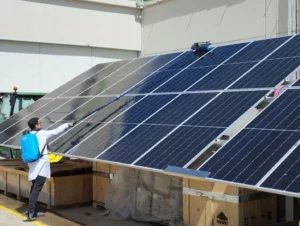
- Solar-powered refrigeration units, which use renewable energy to reduce reliance on fossil fuels.
- Low-energy compressors and LED lighting inside coolers to cut operational energy use without sacrificing cooling efficiency.
- Advanced insulation materials that maintain stable temperatures longer and reduce compressor run time.
This approach not only lowers utility bills but also supports environmental goals and attracts eco-conscious shoppers.
Smart Sensors and IoT Integration for Cold Chain Sustainability
Using smart sensors and Internet of Things (IoT) technology in cold storage solutions offers powerful benefits:
- Real-time monitoring of temperature and humidity levels helps prevent spoilage.
- Alerts notify staff immediately if conditions fall outside safe ranges, reducing food waste.
- Data collected can optimize cooling cycles for peak efficiency, improving ROI.
- Integration with supply chain systems enables better tracking of inventory freshness and reduces stock losses.
Together, these technologies make cooling systems smarter and more sustainable for grocery storage eco solutions retail chains need.
In sum, embracing innovative cold chain technologies gives retail chains a significant edge—cutting costs, slashing waste, and supporting sustainable food preservation at scale.
Implementation Strategies for Retail Chains Sustainable Storage Solutions
Rolling out sustainable food storage solutions across a retail chain takes thoughtful planning and clear steps. Moving from a pilot program to full chain-wide adoption means balancing costs, partnerships, and staff readiness—key areas that can make or break success.
Cost-Benefit Analysis and ROI Modeling
Before scaling sustainable storage, it’s crucial to evaluate the financial impact across the entire chain:
- Calculate upfront investments in eco-friendly grocery storage containers, biodegradable retail food packaging, or sustainable cold storage infrastructure.
- Estimate long-term savings from reduced food waste, lower energy bills from efficient cold chain sustainability solutions, and fewer regulatory fines.
- Use ROI modeling to compare these savings against initial costs — factoring in things like maintenance and replacement cycles for reusable bulk food storage solutions or compostable storage chains.
- Look beyond dollars—consider improved brand reputation and customer loyalty tied to green supermarket supply chain innovations.
Getting clear on this helps justify the switch to sustainable produce solutions chains and sets realistic timelines for breaking even.
Vendor Partnerships and Customization
Choosing the right partners is vital when moving toward retail sustainable storage:
- Work with suppliers specializing in BPA-free retail storage systems and biodegradable food bags chains who understand industry needs and compliance.
- Demand customized product options like sustainable mesh bags supermarkets prefer or zero-waste storage retail bins configured for specific store formats and produce types.
- Favor vendors who offer scalable solutions and support on logistics to avoid supply chain disruptions.
- Align procurement strategies around eco solutions retail food storage that fit your chain’s goals and growth plans.
Strong vendor relationships ensure you get the right mix of green food preservation retail products with dependable supply.
Employee Training and Change Management
Implementing sustainable food storage isn’t just about swapping containers; it’s about changing how teams work:
- Provide hands-on training on new eco-friendly retail veggie carriers, compostable storage chains, or sustainable bulk storage bags—covering proper use, cleaning, and waste sorting.
- Encourage a culture of sustainability by sharing why green storage for supermarkets matters, linking it to food waste reduction strategies retail chains prioritize.
- Set up feedback loops so employees can report issues and suggest improvements during rollout.
- Use simple materials and reminders to keep sustainable practices top of mind as behavior shifts take time.
Getting employees onboard is key to turning pilot wins into chain-wide success without hiccups.
By thoroughly planning costs, forming sharp vendor partnerships, and empowering employees, retail chains can unlock the benefits of sustainable food storage solutions. It’s a practical, step-by-step path toward greener, smarter food storage that customers and regulators expect today.
Real-World Success Stories of Sustainable Food Storage Solutions for Retail Chains
Case Study 1 A Regional US Chain’s 20 Percent Waste Reduction
One regional retail chain in the US recently embraced sustainable food storage solutions, focusing on eco-friendly grocery storage containers and reusable bulk food storage systems. By switching from traditional plastic packaging to biodegradable retail food packaging—like plant-based PLA bags and compostable storage chains—they cut food waste by a staggering 20 percent within their first year.
Their approach included:
- Introducing zero-waste produce bins and sustainable mesh bags for supermarkets to reduce single-use plastics.
- Partnering with vendors who provide BPA-free retail storage systems that maintain freshness longer, lowering spoilage and shrink.
- Training staff on food waste reduction strategies retail and proper handling to extend shelf life.
This hands-on commitment not only minimized waste but also improved customer perception. Shoppers responded positively to the green packaging, further pushing the chain’s green supermarket supply chain innovations.
Global Insights IKEA’s Modular Eco-Storage Model
Globally, IKEA offers a pioneering example of large-scale retail chains adopting sustainable produce solutions chains through its modular eco-storage system. IKEA’s model centers around:
- Using durable, reusable materials such as glass and stainless steel containers that are easy to clean and designed for long-term use.
- Offering customers options like sustainable grocery bags wholesale and eco-friendly retail veggie carriers, encouraging reuse and reducing dependency on disposables.
- Implementing sustainable cold storage infrastructure powered by renewable energy to ensure freshness while lowering carbon footprints.
This retail chains sustainable storage concept reduces packaging waste, simplifies inventory management, and enhances sustainability across the supply chain. The modular system’s adaptability also helps retail chains customize solutions to local needs, scaling sustainably as demand grows.
Key Takeaways from Both Models
- Clear environmental impact through waste reduction and lower carbon emissions.
- Economic benefits from better inventory turnover and reduced packaging expenses.
- Customer engagement increases by aligning with growing preferences for eco-conscious products.
- These cases highlight that sustainable bulk storage bags, compostable food wraps for chains, and reusable food-grade storage bags are no longer niche—these are the new retail standard.
For retail chains aiming to make an impact, learning from these success stories is crucial. Consider exploring tailored options like the reusable food-grade storage bags to support your shift toward food storage eco retail chains solutions.
Overcoming Challenges in Retail Chains Sustainable Storage Solutions
Transitioning to sustainable food storage in retail chains comes with its share of hurdles. From upfront costs to supply chain disruptions, and the ongoing challenges of maintenance and scalability, understanding these barriers is essential for a smooth, successful rollout.
Managing Upfront Costs and Supply Chain Disruptions
- Initial investment can be high. Sustainable materials like biodegradable plastics, bamboo composites, and advanced cold storage tech usually cost more at the start than traditional options. This can deter budget-conscious retail chains.
- Solution: Conduct a thorough cost-benefit analysis and ROI modeling to show long-term savings—from reduced waste to lower energy bills. Position the switch as an investment, not just an expense.
- Supply chain shifts may cause delays. Switching suppliers to those offering eco-friendly storage solutions or specialized cold chain infrastructure can disrupt existing logistics.
- Solution: Build strong vendor partnerships with reliable manufacturers experienced in sustainable retail packaging. Start with smaller pilot programs to iron out supply issues before scaling up.
Maintenance and Scalability Hurdles in Sustainable Storage
- More complex systems require regular upkeep. For example, solar-powered refrigeration and IoT-integrated cold storage, while energy-efficient, need skilled maintenance and periodic updates.
- Solution: Train employees thoroughly on system care and troubleshooting. Regular maintenance schedules reduce downtime and extend equipment life.
- Scaling from pilot to chain-wide deployment can be tricky. Each store location might have different space, power capabilities, and staff readiness.
- Solution: Customize solutions for each site and phase in upgrades gradually. Focus on modular, adaptable storage options like reusable bulk food storage containers or BPA-free retail storage systems that fit varying needs.
of Proven Fixes
- Invest in pilot programs to test and refine sustainable solutions.
- Partner with experienced eco-friendly suppliers to ensure smooth supply chains and quality control.
- Educate and train staff early to handle new materials and technologies confidently.
- Plan for scalability with flexible storage solutions and infrastructure that grow with your chain.
Facing these challenges head-on is key to unlocking the full benefits of sustainable food storage for retail chains, including waste reduction, lower environmental impact, and meeting rising consumer demands for green supermarket supply chain innovations.
For deeper insights on helping your retail chain switch to eco-friendly storage bags and packaging, explore our guides on how PE bags keep food fresh longer and sourcing wholesale ecofriendly PE food bags.
Partner with Artfullife for Sustainable Retail Chains Food Storage Solutions
When it comes to sustainable food storage solutions for retail chains, partnering with the right supplier can make all the difference. Artfullife® stands out as a trusted U.S.-based partner specializing in eco-friendly grocery storage containers, biodegradable retail food packaging, and reusable bulk food storage solutions. We understand the unique challenges retail chains face—from sourcing BPA-free retail storage systems to meeting rising consumer demand for green alternatives.
Why Choose Artfullife®
- Tailored Sustainable Products: We provide a wide range of compostable storage chains options, zero-waste storage retail products, and sustainable grocery bags wholesale designed specifically for supermarket needs.
- Local Expertise: Serving the U.S. market, we know what works for regional chains aiming to reduce their environmental footprint while optimizing costs.
- Custom Solutions: Whether you need sustainable produce solutions for chains or green supermarket supply chain innovations, we offer customization to fit your store’s exact requirements.
- Quality and Compliance: All our products meet local regulations and ensure the highest standards for food waste reduction strategies retail.
How Artfullife Supports Your Green Journey
- Product Innovation: Access the latest in sustainable cold storage infrastructure and reusable sustainable retail bags made from materials like plant-based PLA, bamboo composites, and BPA-free plastics.
- End-to-End Service: From initial pilot runs to chain-wide rollouts, we support your project with employee training and change management strategies that make adoption seamless.
- Scalable Supply Chain: Our partnerships with vendors ensure reliable supply, helping you overcome common barriers like upfront costs and supply chain disruptions without compromising sustainability goals.
Choosing Artfullife means more than buying retail chains reusable produce carriers; it means committing to a future where green food preservation retail is a priority. Let us help your business lead the way in cold chain sustainability for supermarkets and food storage eco retail chains.
Get started with Artfullife today and turn your sustainable food storage vision into reality.