

















If you’re searching for sustainable packaging solutions for the food industry, you already know that traditional plastic waste isn’t just an environmental nightmare — it’s a growing business challenge. Supermarkets and food retailers face mounting pressure from consumers demanding eco-friendly choices, tightening regulations, and the urgent need to reduce costs linked to packaging waste and disposal. But where do you start?
In this post, you’ll discover proven, cost-effective strategies and cutting-edge materials that are transforming supermarket shelves — solutions designed to cut emissions, extend product freshness, and win customer loyalty. Whether you’re a supply chain manager, sustainability officer, or packaging buyer, this guide breaks down exactly how to implement sustainable packaging tailored for food retail, with actionable insights you can put to work today. Let’s get to the heart of revolutionizing your packaging and future-proofing your store’s success.
The Urgent Need for Sustainable Packaging in Food Supermarkets
Why Sustainable Packaging is Non-Negotiable Today
The food industry is facing an undeniable shift. Sustainable packaging solutions for the food industry are no longer optional—they are essential. Food supermarkets, central players in food retail, are grappling with increasing demands to reduce environmental impact. From eco-friendly food packaging materials to biodegradable supermarket containers, the pressure to adapt is growing rapidly.
Environmental and Regulatory Pressures
The environmental footprint of traditional food packaging is significant. Plastic waste, particularly from non-recyclable food wraps and containers, contributes heavily to landfill overflow and ocean pollution. In response:
- Government regulations at federal and state levels are tightening rules on plastic use and waste management.
- Bans on single-use plastics and requirements for recyclable or compostable packaging have become widespread.
- The food industry plastic reduction strategies now include strict compliance deadlines supermarkets must meet to operate legally.
Ignoring these pressures risks not just fines but damage to brand reputation and consumer trust.
Consumer and Market Drivers
Consumers today are more informed and concerned about sustainability than ever before. They expect supermarkets to provide green packaging for food sectors that aligns with their values.
Key market factors include:
- Growing demand for compostable produce bags and plant-based packaging alternatives that reduce environmental harm.
- Preference for recyclable grocery trays and zero-waste packaging solutions that support a circular economy.
- Increased interest in transparency and certification for eco-friendly bulk food wraps and renewable packaging for food.
Supermarkets that prioritize sustainable packaging tap into a loyal customer base and often see elevated sales and brand loyalty.
Sustainable packaging in the food industry is non-negotiable because of escalating environmental concerns, stricter regulations, and market expectations. For supermarkets, adopting custom eco-packaging for supermarkets rooted in renewable resources and biodegradable solutions for food is the only way forward to stay relevant, responsible, and competitive.
Top Sustainable Packaging Materials for Food Industry
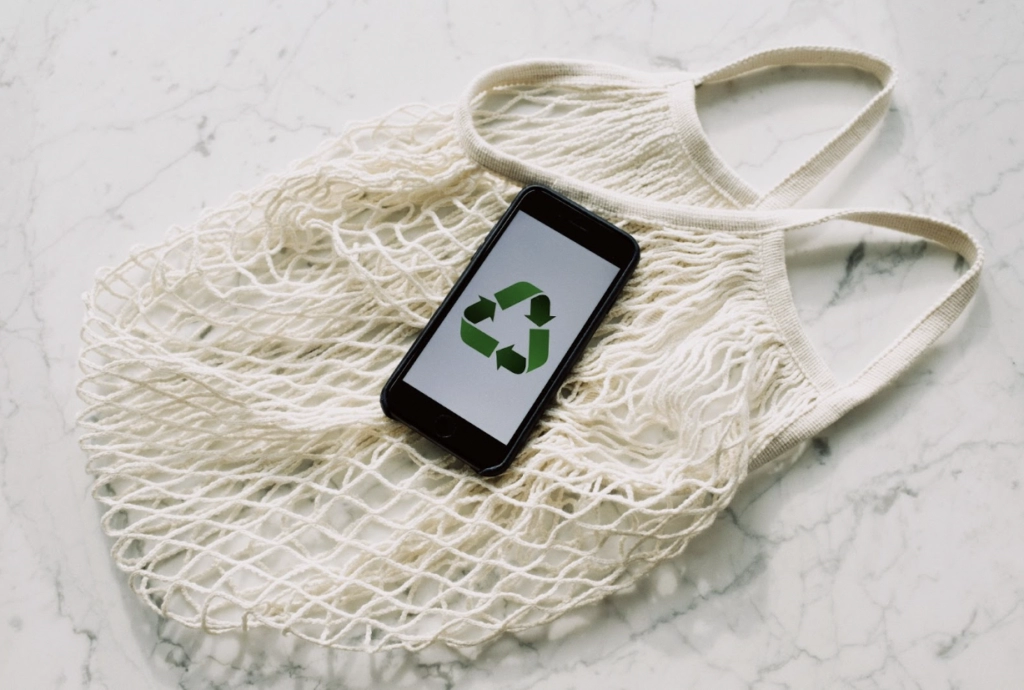
When it comes to sustainable packaging solutions for the food industry, knowing your material options is key. From basic biodegradable options to advanced composites, supermarkets have plenty of eco-friendly food packaging materials to consider. Here’s a breakdown of the main categories driving green packaging for food sector innovation today.
Plant-Based and Compostable Packaging Options
Plant-based packaging is a front-runner in sustainable food wrap innovations. Made from renewable resources like cornstarch, sugarcane, or cellulose, these materials break down naturally without leaving harmful residues. Common examples include:
- Compostable produce bags that replace traditional plastic bags, reducing landfill waste
- Biodegradable supermarket containers ideal for fresh fruits, veggies, and deli items
- Sustainable cling film for industry made from plant derivatives offering breathability and preservation
These materials help meet growing consumer demand for zero-waste packaging solutions and align with food industry plastic reduction strategies. For those looking deeper into material properties and uses, check out this guide on materials used in food storage bags production.
Recyclable and Reusable Innovations
Beyond compostable, recyclable grocery trays and containers play a huge role in a sustainable supply chain for food retail. These are designed to fit into existing recycling streams, minimizing contamination and waste:
- Rigid trays made from recyclable PET or polypropylene
- Reusable baskets or bins for bulk food displays
- Durable packaging designed to be refilled or repurposed by consumers
Implementing these solutions helps supermarkets curb single-use plastic consumption while providing sturdy, hygienic storage options. Investing in custom eco-packaging for supermarkets also allows for branding that highlights sustainability efforts.
Emerging Technologies Edible and Smart Packaging
The food industry is pushing boundaries with edible and smart packaging—two exciting trends turning heads:
- Edible packaging uses safe, food-grade materials that consumers can eat along with the product or compost easily if not consumed, reducing waste to near zero
- Smart packaging integrates sensors or indicators to monitor freshness, spoilage, or temperature, helping reduce food waste and improving food safety
While still emerging, these technologies promise to transform sustainable food storage options and align perfectly with green alternatives in food packaging.
By choosing the right mix of these materials—from biobased packaging solutions to recyclable and smart options—supermarkets can tailor sustainable wraps for commercial use that serve both environmental and customer needs. For US-based food retailers, integrating these materials supports compliance with environmental regulations and meets the rising demand for food industry eco packaging.
Implementation Roadmap for Sustainable Packaging Solutions in the Food Industry Supply Chain
Transitioning your supermarket supply chain to sustainable packaging takes a clear, step-by-step approach. It’s not just swapping out plastic for greener options—it’s about reassessing current practices, sourcing smartly, and measuring success for impactful change.
Assessing and Auditing Current Packaging
Start by conducting a thorough audit of your existing packaging materials and waste streams. Focus on:
- Material types used (e.g., plastic, foam, paper)
- Amount of non-recyclable or single-use packaging in circulation
- Packaging suppliers and their sustainability credentials
- Packaging efficiency and its role in food preservation or waste
This clear picture helps identify which packaging contributes most to waste and what can be replaced with eco-friendly food packaging materials like plant-based packaging alternatives or biodegradable supermarket containers.
Sourcing and Customizing Sustainable Packaging
When sourcing, look for:
- Renewable resources in food wrapping, such as compostable produce bags or recyclable grocery trays
- Trusted partners providing custom eco-packaging for supermarkets that fit your product line and branding needs
- Packaging that aligns with food industry plastic reduction strategies without compromising durability or food safety
Customization matters. For example, you may choose zero-waste packaging solutions tailored for specific products—bulk produce, frozen goods, or ready-to-eat meals. Collaborate with suppliers experienced in sustainable food industry eco packaging who understand US regulations and consumer expectations.
For practical guidance, check out materials like PE food bags for chilled and frozen items or explore options in custom sustainable supermarket supplies.
Measuring Success and Scaling Sustainable Packaging
Track progress regularly with clear metrics such as:
- Percentage reduction in single-use plastic
- Increase in use of biodegradable or compostable packaging materials
- Impact on food waste reduction due to improved preservation
- Customer feedback and market response to new packaging
Use data insights to adjust your sourcing and implementation strategy and scale sustainable wraps and packaging across more product lines or stores. This ensures you maintain momentum and improve your sustainable supply chain for food retail in a measurable way.
By following this roadmap with focus and consistency, your supermarket can successfully embrace eco-friendly food industry packaging—cutting environmental impact while meeting customer demands for greener solutions.
Artfullife Your Partner in Custom Sustainable Supermarket Supplies
When it comes to sustainable packaging solutions for the food industry, having a trusted partner makes all the difference. Artfullife® specializes in delivering custom eco-packaging for supermarkets that fits your unique needs while helping you meet environmental goals. We understand the local U.S. market demands clear, reliable options that reduce waste without compromising on quality or cost.
Why Choose Artfullife for Your Sustainable Food Packaging
- Tailored Solutions: We provide a wide range of packaging options from biodegradable supermarket containers and compostable produce bags to recyclable grocery trays and innovative plant-based packaging alternatives. Everything is designed with your brand and sustainability targets in mind.
- Quality Meets Sustainability: Our products use renewable resources in food wrapping to ensure durability, safety, and compliance with food industry standards. This means you get environmentally friendly food packs that perform as well as traditional packaging.
- Streamlined Supply Chain Support: With Artfullife, you get more than just packaging. We help you transition your sustainable supply chain for food retail smoothly—from sourcing to shelf-ready solutions—making your sustainability journey easier and more effective.
- Continuous Improvement and Scaling: We work closely with your team to assess, measure success, and scale your green packaging efforts, ensuring you stay ahead in regulations and consumer expectations.
The Right Partner to Reduce Your Plastic Footprint
By choosing Artfullife, you invest in food industry plastic reduction strategies tailored to your supermarket’s size and footprint. Our zero-waste packaging solutions and biobased packaging solutions help minimize environmental impact while boosting your brand’s green credentials locally.
In the fast-evolving world of sustainable food wrap innovations and eco-friendly bulk food wraps, Artfullife is your local, reliable partner in the U.S. We are committed to providing custom sustainable supermarket supplies that protect the planet and support your business growth.