

















Why Aluminum Foil Outshines Traditional Packaging in Sustainability
The Environmental Edge with Recyclability and Carbon Footprint Reduction
When comparing sustainable packaging options, aluminum foil clearly stands out. Unlike many traditional materials, aluminum is fully recyclable without losing quality. This makes it a cornerstone of circular economy packaging solutions. In fact, recycling aluminum uses up to 95% less energy than producing new aluminum from raw ore.
Exceptional Recyclability
- Infinite recyclability: Aluminum can be recycled over and over with no degradation in performance.
- High recycling rates: The U.S. aluminum foil recycling rates are improving, yet there’s untapped potential as infrastructure gaps close.
- Less landfill waste: By choosing recyclable aluminum containers and foils, businesses reduce the volume of packaging waste that ends in landfills.
Carbon Footprint Reduction
Switching to aluminum foil packaging significantly cuts a product’s carbon footprint. Key reasons include:
- Energy-efficient recycling dramatically lowers greenhouse gas emissions compared to producing virgin materials or relying on plastic packaging.
- Lightweight barriers contribute to lower transportation emissions due to reduced shipping weights.
- Durability and protection minimize food spoilage and waste, indirectly reducing environmental impact.
Aluminum vs. plastic sustainability debates often highlight plastic’s disposal challenges and limited recycling scope. Aluminum foil offers a practical, eco-friendly alternative that supports long-term business sustainability goals.
By prioritizing eco-friendly foil packaging trends, businesses not only commit to greener operations but also align with growing customer demand for transparent and sustainable practices.
Artfullife’s custom sustainable aluminum solutions help businesses transition seamlessly, maximizing recycling benefits and carbon savings while maintaining product quality.
Switching to aluminum foil is more than packaging—it’s a commitment to a cleaner, more efficient future.
Barrier Properties of Aluminum Foil That Minimize Food Waste
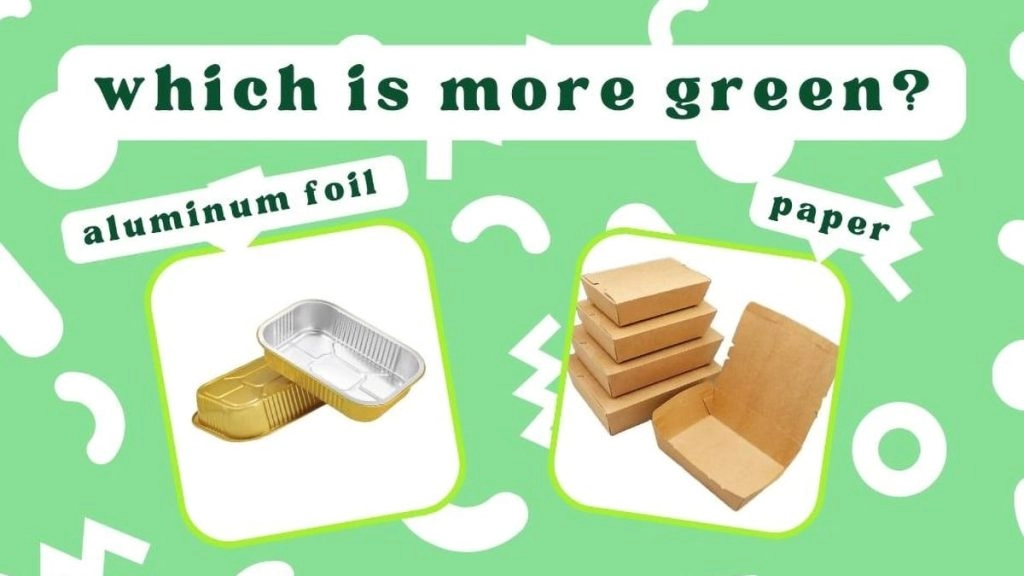
One of the biggest advantages of sustainable packaging like aluminum foil is its outstanding ability to protect food. Aluminum foil acts as a lightweight aluminum barrier that keeps out oxygen, moisture, and light — the main culprits behind food spoilage. This barrier quality plays a vital role in food waste reduction with foil, a key concern for both businesses and consumers today.
Traditional packaging materials like plastic films and paper often fall short in providing a strong protective shield, which results in faster deterioration of food items. Aluminum foil, on the other hand, extends shelf life significantly, helping supermarkets and restaurants reduce the volume of unsellable or expired goods.
Here’s how aluminum foil’s barrier properties impact sustainability:
- Prevents Oxygen Exposure: Oxygen speeds up spoilage and rancidity. Aluminum foil’s tight seal blocks air completely.
- Moisture Resistance: By keeping moisture out, it protects dry foods and keeps freshness sealed in.
- Light Protection: Exposure to light can degrade vitamins and cause discoloration; aluminum foil blocks it all.
- Temperature Stability: Aluminum foil withstands freezing and heating without breaking down, ideal for diverse food storage needs.
Minimizing food waste means fewer resources are wasted along with spoiled products. This directly supports circular economy packaging solutions by keeping more food in circulation longer. Plus, it helps businesses cut down food loss costs, benefiting their bottom line.
In the U.S., where food waste remains a critical environmental issue, switching to recyclable aluminum containers and foil packaging offers a tangible, eco-friendly foil packaging trend that meets both sustainability goals and operational needs. When we protect food better, we protect the planet and strengthen our supply chains for the future.
Recycling Myths and Infrastructure Gaps in Sustainable Aluminum Foil Packaging
One of the biggest hurdles businesses face when adopting sustainable aluminum foil packaging is navigating common recycling myths and the reality of current recycling infrastructure in the U.S. While aluminum foil is widely recyclable aluminum containers material, many still believe it can’t be recycled if it’s “dirty” or mixed with food waste. This misconception often leads to foil being tossed in the trash instead of being recycled, reducing overall aluminum foil recycling rates.
Breaking Down Recycling Myths About Aluminum Foil
-
Myth 1: Foil with food residue can’t be recycled
It’s true that heavily soiled foil can cause issues at recycling facilities, but lightly soiled or cleaned foil is usually accepted. Encouraging customers and staff to rinse or wipe foil before recycling can make a huge difference.
-
Myth 2: Aluminum foil is not worth recycling
Aluminum is highly valuable to recyclers because it can be recycled repeatedly without losing quality. Recycling aluminum foil saves up to 95% of the energy compared to producing new aluminum, which dramatically cuts the carbon footprint of packaging.
Addressing Infrastructure Gaps
Despite foil’s recyclability, many areas still lack adequate recycling programs for lightweight aluminum barriers like foil. Not all curbside programs accept it, leading businesses to feel stuck or confused about proper disposal.
To overcome this, businesses should:
- Research local recycling guidelines thoroughly
- Partner with waste management companies that specialize in aluminum foil recycling
- Educate staff and customers about which products qualify for recycling in their area
A Path Forward for Businesses
Closing the loop in the circular economy packaging solutions means being proactive:
- Implementing best practices for foil collection and sorting
- Choosing suppliers who use recycled and bio-coated foils that fit into existing recycling streams
- Promoting internal awareness campaigns to bust recycling myths
For more detailed insights on recycling aluminum foil, businesses can check resources like our post on Is Aluminum Foil Recyclable.
By addressing these recycling misconceptions and infrastructure issues head-on, companies can confidently embrace aluminum foil as a sustainable, eco-friendly foil packaging trend that supports both environmental goals and business growth.
Current Challenges and How Businesses Can Overcome Them Cost Fluctuations vs Long-Term Savings in Sustainable Aluminum Foil

One of the biggest hurdles for businesses shifting to sustainable aluminum foil is dealing with cost fluctuations. Aluminum prices can vary due to market demand, raw material availability, and global supply chain issues. This volatility might make companies hesitate before fully committing to eco-friendly foil packaging.
Understanding Cost Fluctuations
- Raw material prices shift frequently, impacting the cost of aluminum foil.
- Energy costs for production also affect final pricing.
- Supply chain disruptions can cause temporary spikes, especially when demand surges for recyclable aluminum containers.
Despite these ups and downs, it’s important to look beyond short-term expenses.
Long-Term Savings with Aluminum Foil
Sustainable aluminum foil packaging offers real ROI over time because:
- It’s lightweight but durable, lowering shipping costs compared to heavier packaging.
- High recyclability rates reduce waste handling and disposal expenses.
- The foil’s superior barrier properties help extend food shelf life, cutting down on costly food waste.
- Businesses benefit from growing consumer demand for eco-friendly foil packaging trends, improving brand loyalty and sales.
How Businesses Can Manage Costs and Maximize Savings
To navigate cost challenges effectively, here’s what you can do:
- Work with suppliers who offer customized solutions based on local demand, helping stabilize purchase volumes and prices.
- Invest in bio-coated aluminum innovations that may carry slightly higher upfront prices but lower environmental compliance costs.
- Consider bulk buying and long-term contracts to lock in better rates during market dips.
- Focus on educating your team and customers about the green packaging ROI for retail to justify initial investments.
while price swings are real, the long-term benefits of aluminum foil in circular economy packaging solutions make it a smart choice. Businesses that plan carefully and stay flexible can turn cost challenges into sustainable advantages.
Emerging Trends Shaping Aluminum Foil’s Future Innovations in Recycled and Bio-Coated Foils
The future of sustainable packaging is being reshaped by exciting innovations in recycled aluminum foil and bio-coated foils. These advancements are not only reducing the environmental impact but also enhancing the functional benefits that make aluminum foil a top choice for businesses focused on eco-friendly packaging solutions.
Advances in Recycled Aluminum Foil
One major trend is the increased use of recycled aluminum in foil production. Aluminum foil is inherently recyclable, but incorporating recycled content helps to slash carbon footprints even further by reducing energy use during manufacturing. Today’s recycled aluminum foils maintain the same strong barrier properties, durability, and lightweight benefits as virgin foil but with a significantly lower environmental impact. This shift supports circular economy packaging solutions, where materials stay in use far longer rather than being discarded.
Breakthroughs in Bio-Coated Foil Technologies
In addition to recycled content, manufacturers are developing bio-coated aluminum foils. These coatings use plant-based or biodegradable materials to replace traditional chemical layers, making the foil easier to recycle or compost after use. This innovation aligns with eco-friendly foil packaging trends that prioritize minimal waste and better end-of-life options. Bio-coatings also enhance food safety and help extend shelf life, contributing to ongoing efforts in food waste reduction with foil.
Why These Innovations Matter for Businesses
- Stronger sustainability claims meet growing consumer demand for green packaging.
- They improve aluminum foil recycling rates by enhancing material purity and process efficiency.
- Using these foils can improve your store’s reputation as a leader in sustainable supermarket supplies.
- They offer a viable alternative to plastic, helping businesses address concerns over aluminum vs plastic sustainability.
For U.S. businesses looking to stay ahead, embracing these innovations is key to future-proofing your packaging strategy. If you want practical advice on sourcing high-quality options, check out our guide on the best aluminum foil for supermarkets to explore foils that combine recycled and bio-coated benefits without compromising on performance.
By adopting these emerging materials, businesses can make a real impact—supporting environmental goals while maintaining the strong protective and lightweight qualities that make aluminum foil a packaging favorite.
Emerging Trends Shaping Aluminum Foil’s Future Regulatory and Market Drivers
The future of sustainable packaging, especially aluminum foil, is strongly influenced by evolving regulations and shifting market demands. For businesses in the U.S., understanding these drivers is essential to stay competitive and meet growing consumer expectations around eco-friendly foil packaging trends.
Stronger Environmental Regulations
Nationwide and state-level policies are increasingly pushing for reduced plastic use and higher recycling targets. Aluminum foil benefits here because it’s a recyclable aluminum container material, and regulators recognize its role in the circular economy packaging solutions space. For example:
- Bans or restrictions on single-use plastics encourage the use of aluminum foils as sustainable alternatives.
- New laws emphasize increased recycling rates for aluminum foil, addressing prior concerns about contamination.
- Packaging producers must meet stricter reporting and lifecycle analysis standards that highlight materials with lower environmental impact, making aluminum foil a preferred choice.
Market Demand for Sustainability
Consumers in the U.S. are more aware of packaging sustainability than ever. This drives retailers and manufacturers to adopt greener options. Aluminum foil meets several needs:
- Its lightweight nature reduces carbon footprint reduction during shipping.
- Superior barrier properties help cut down food spoilage, addressing food waste reduction with foil.
- Innovations like bio-coated aluminum appeal to eco-conscious buyers looking for packaging that is both recyclable and less chemically reliant.
Economic Incentives and Corporate Responsibility
Companies see regulatory compliance not just as a cost but an opportunity. By switching to sustainable aluminum foil packaging, businesses can:
- Achieve green packaging ROI for retail through material savings and improved brand reputation.
- Leverage government incentives, tax breaks, or grants tied to sustainable practices.
- Meet corporate responsibility goals in line with client and investor expectations.
Preparing Your Business for the Shift
To capitalize on these regulatory and market shifts:
- Stay informed about local and federal regulations.
- Partner with suppliers who offer innovative, recyclable foil options.
- Communicate your sustainability efforts clearly to customers, emphasizing how aluminum foil helps reduce environmental impact.
In short, the future of aluminum foil in U.S. business packaging hinges on regulatory support and rising market demand for sustainable supermarket supplies. Aligning your packaging strategies with these trends sets your business up for long-term success.
Implementing Sustainable Aluminum Foil A Step-by-Step Guide for Supermarkets Assessing Your Needs with Artfullife Custom Solutions
Switching to sustainable aluminum foil in your supermarket starts with understanding your specific packaging needs. Every store has unique challenges, from product variety to customer preferences, and Artfullife® offers custom supermarket supplies that fit right into this puzzle.
Identify Key Areas for Foil Use
Begin by listing products that will benefit most from recyclable aluminum containers and foil packaging, such as fresh produce, deli items, and ready-to-eat meals. These are areas where lightweight aluminum barriers can extend shelf life and reduce food waste, a crucial factor for eco-conscious customers.
Evaluate Packaging Volume and Sizes
Next, assess the volume and size of packaging your store requires. Artfullife® provides custom-sized aluminum foil rolls and containers, allowing you to minimize waste by matching foil exactly to your product sizes. This tailored approach is more sustainable and cuts down excess material use.
Consider Customer and Operational Needs
Think about how easy it is for staff and customers to use and dispose of the packaging. Eco-friendly foil packaging trends emphasize convenience without compromising sustainability. By choosing the right type of commercial-grade foil, such as bio-coated aluminum innovations, you ensure your products remain fresh, while also supporting a circular economy packaging solution.
Leverage Expert Guidance from Artfullife®
Artfullife® specializes in sustainable supermarket supplies and offers tailored advice on:
- Selecting the right grade of aluminum foil for different product categories
- Sourcing high-quality aluminum foil for households and commercial use
- Streamlining your packaging process to maximize aluminum foil recycling rates
This hands-on support helps you avoid common pitfalls like over-packaging or choosing non-recyclable materials.
For additional insights on sustainability and to explore high-performance packaging options, check out Artfullife’s guide on high-performance aluminum foil for food wrapping.
- Start by pinpointing products that benefit the most from sustainable foil
- Match foil size and thickness to your inventory needs
- Prioritize ease of use and recycling for both staff and customers
- Tap into Artfullife®’s custom solutions and expertise for a smoother transition
By taking these steps with Artfullife®, supermarkets can implement sustainable aluminum foil packaging that aligns with the latest green packaging ROI goals and eco-friendly foil packaging trends in the U.S. market.
Measuring ROI and Scaling Adoption of Sustainable Aluminum Foil in Supermarkets
Switching to sustainable aluminum foil is more than a feel-good move—it’s a smart business decision. But to fully benefit from eco-friendly foil packaging trends, supermarkets need to measure ROI clearly and plan for scaling adoption in ways that make sense for their bottom line.
How to Measure ROI on Sustainable Aluminum Foil
-
Track Packaging Cost Savings
Calculate savings from waste reduction and lower spoilage thanks to aluminum’s lightweight barrier properties.
Factor in long-term cost reductions from switching to recyclable aluminum containers over single-use plastics.Evaluate Food Waste Reduction
Monitor decreases in spoiled or damaged food—aluminum foil’s excellent barrier minimizes exposure to oxygen and moisture, keeping products fresh longer.
Assign dollar value savings from less discarded inventory, which boosts profit margins.Assess Waste Management Costs
Consider the impact of aluminum foil’s recyclability on lowering landfill fees and waste disposal.
Track improvements in recycling rates when your store implements better sorting for foil packaging.Analyze Customer Response
Measure customer preference shifts towards sustainable supermarket supplies by tracking sales trends for products wrapped in eco-friendly foil.
Positive brand perception often translates into higher loyalty and sales.Strategies to Scale Aluminum Foil Adoption Successfully
Start Small
Pilot the use of recycled and bio-coated aluminum foils in select product lines to test effects on waste and costs before expanding.
-
Educate Staff and Customers
Train team members on the benefits and proper disposal of aluminum foil packaging. Use in-store signage to inform shoppers about your sustainability efforts.
-
Partner With Trusted Suppliers
Work with companies offering Artfullife custom solutions that tailor recycled aluminum foil products to your specific store needs. This ensures quality and supply consistency.
-
Leverage Data for Continuous Improvement
Regularly review packaging performance metrics and adjust orders or product selections based on ROI insights to optimize savings and waste reduction.
-
Promote Your Green Credentials
Use marketing channels to communicate your switch to sustainable packaging. This reinforces your commitment to the circular economy and attracts eco-conscious shoppers.
-
Supermarket Chain in California: By switching to lightweight aluminum barriers and bio-coated aluminum innovations, this supermarket significantly decreased plastic waste while maintaining food freshness. This shift helped reduce their overall carbon footprint and supported their local recycling programs. Their customers appreciated the effort, increasing store loyalty.
-
Food Distributor in Texas: They tackled food waste head-on by using aluminum foil’s superior barrier properties to extend product shelf life. This not only cut spoilage but aligned with circular economy packaging solutions, promoting reuse and recycling. Their supply chain reported fewer losses, thanks to better product protection.
-
Midwest Grocery Chain: After adopting sustainable aluminum foil packaging, this business saw a clear green packaging ROI for retail. Despite initial cost fluctuations, the long-term savings from reduced product waste and increased customer trust outweighed upfront expenses. They also leveraged partnerships with local recycling facilities to close the loop on aluminum foil recycling rates.
-
Regional Catering Service: Innovating with recycled and recyclable aluminum packaging cut waste disposal costs and improved their eco-credentials. These changes helped them secure new contracts eager to meet sustainability targets, proving that aluminum foil packaging drives business growth beyond the environment.
- Start Small and Track: These cases highlight the value of piloting aluminum foil packaging in select product lines before scaling.
- Educate Staff and Customers: Training on recycling myths and infrastructure helps smooth the transition.
- Leverage Local Recycling Programs: Building relationships with recyclers ensures higher aluminum foil recycling rates.
By focusing on these steps, supermarkets can confidently expand sustainable aluminum foil use, balancing cost efficiency with strong environmental benefits. This dual advantage not only supports local communities but also positions your business ahead in the green packaging race.
Real-World Success Case Studies from Businesses Like Yours
When it comes to sustainable packaging, seeing results from businesses in similar situations helps put things into perspective. Many supermarkets and food service companies across the U.S. have successfully integrated recyclable aluminum containers and eco-friendly foil packaging trends into their daily operations, proving that aluminum foil is more than just an option—it’s the future.
How Businesses Reduced Waste and Boosted Sustainability
Demonstrated ROI and Operational Benefits
Lessons Learned for Your Business
By following these examples and focusing on sustainable supermarket supplies that balance cost and impact, your business can achieve measurable success with aluminum foil packaging. It’s not just about going green—it’s about staying competitive in a market that values responsibility and quality.