















Struggling to pick the perfect aluminum foil for your kitchen or project? The thickness of aluminum foil can make all the difference in wrapping leftovers, grilling steaks, or tackling industrial tasks. At Artfullife, we’ve seen how the right foil transforms everyday challenges into seamless solutions. In this guide, you’ll uncover everything about foil thickness, from standard to heavy-duty options, and how to choose what’s best for you. Ready to master aluminum foil like a pro? Let’s dive in!
What Is Aluminum Foil and Why Thickness Matters
Aluminum foil is a thin sheet of metal used widely in kitchens for cooking, packaging, and storage. It’s valued for its flexibility, heat resistance, and ability to keep food fresh. But one of the most important factors that affect how well aluminum foil performs is its thickness.
Thickness plays a big role in the foil’s durability and heat resistance. Thicker foil is stronger, less likely to tear, and better at withstanding high temperatures, making it perfect for grilling or roasting. Thinner foil, on the other hand, is more flexible and easier to fold, which works well for wrapping delicate foods or quick storage.
At Artfullife, we understand that getting the thickness just right is key to meeting your needs. Our expertise ensures we offer foil options that balance strength, heat resistance, and flexibility, so your cooking or packaging experience is always reliable. Whether you need durable heavy-duty foil or thinner standard options, we focus on quality and consistency in every roll.
Common Aluminum Foil Thicknesses and Their Uses

Aluminum foil comes in different thicknesses, each suited for specific tasks around the kitchen and beyond. Here’s a quick breakdown of the common types you’ll find:
Standard-Duty Foil
- Thickness: About 0.016 mm (16 microns or 0.6 mil)
- Use: Perfect for everyday kitchen tasks like wrapping sandwiches, covering dishes, or light cooking. It’s flexible and easy to tear but not as durable for heavy-duty use.
Heavy-Duty Foil
- Thickness: Around 0.024 mm (24 microns or 0.9 mil)
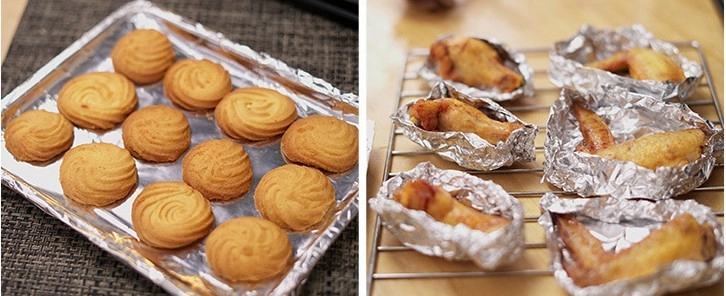
- Use: Designed for grilling, roasting, and baking. This thicker foil can handle more heat and rougher treatment without tearing, making it ideal for barbecues and heavier food.
Extra-Heavy-Duty Foil
- Thickness: About 0.032 mm (32 microns or 1.25 mil)
- Use: The toughest option for grilling, freezing, or long-term storage. It provides excellent durability and heat resistance, perfect when you need extra protection for your food.
Ultra-Thin and Specialty Foils
- Thickness: Less than standard, often below 0.01 mm
- Use: Mostly for packaging and specialized uses where flexibility and weight are key. These foils are common in the food industry for wrapping candy, snacks, or pharmaceuticals.
At Artfullife, we focus on providing the right aluminum foil thickness tailored to your daily cooking and storage needs, making sure you get durability without waste.
How Aluminum Foil Thickness Is Measured
When we talk about aluminum foil thickness, it’s usually measured in mils (thousandths of an inch), microns (one-thousandth of a millimeter), or gauge, which can sometimes be confusing. For example, standard kitchen foil often ranges from about 0.63 mils (16 microns) for thin types up to 2 mils (50 microns) or more for heavy-duty.
To get precise measurements, companies like Artfullife use tools such as:
- Micrometers: These clamp around the foil and give an exact thickness reading.
- Calipers: Useful for quick checks, especially when measuring thicker foils.
- Optical interferometry: A more advanced, non-contact method using light waves to measure ultra-thin foils.
If you want a simple DIY method at home, you can estimate foil thickness by weighing a known area of foil and using aluminum’s density to calculate thickness. Though not perfect, this gives you a rough idea if you don’t have measuring tools.
Artfullife keeps quality top-notch by combining these measurement techniques with strict quality checks, ensuring every roll of foil meets the thickness standards needed for durability and performance. This matters whether you’re grilling, baking, or packaging food.
Regional Preferences for Aluminum Foil Thickness
In the United States, people tend to prefer thicker aluminum foil, especially for grilling and heavy-duty cooking. Thicker foil holds up better on the grill, prevents tearing, and helps lock in heat and moisture during long cooking sessions. That’s why standard heavy-duty and extra heavy-duty foils are popular here, offering the durability needed for backyard barbecues and meal prep.
Across Europe, there’s a growing focus on eco-friendly aluminum foil thickness. Many consumers and businesses opt for thinner yet strong foils that use less material but still perform well. The goal is to reduce waste and environmental impact while maintaining good usability for everyday kitchen tasks and packaging. Artfullife supports this by offering aluminum foil options designed to meet these green standards.
In Asia, the market leans toward price-sensitive, versatile foil thicknesses. Consumers look for foils that balance cost and durability to suit a wide range of uses—from cooking to wrapping and packaging. This diversity in demand means a variety of foil thicknesses are popular, often mid-range options that deliver decent strength without driving the price up.
Artfullife understands these regional differences and adapts its aluminum foil products accordingly. Whether it’s thicker foil for the US grill masters, eco-conscious choices for Europe, or versatile options for Asia, Artfullife delivers quality aluminum foil that meets local market needs efficiently.
Choosing the Right Thickness for Your Needs
When picking aluminum foil thickness, a few key things matter: durability, heat resistance, flexibility, and cost. Thicker foil lasts longer and handles high heat better, but it can be more expensive and less flexible. Thinner foil is easier to wrap but can tear or burn more easily.
Here’s a quick guide for common uses:
- Cooking and baking: Standard-duty foil works great for everyday tasks like covering dishes and baking. It’s flexible and affordable.
- Grilling: Heavy-duty foil is best for grilling. It can resist tearing from tongs or rough heat and protects food from flare-ups.
- Freezing: Extra heavy-duty foil offers strong protection against freezer burn and prevents punctures during long storage.
- Packaging: Thin, specialty foils are perfect for wrapping snacks or food that needs a tight seal and light protection.
At Artfullife, we offer a wide range of aluminum foil thicknesses to meet these different needs. Whether you want something sturdy for grilling or a thinner, cost-effective option for daily kitchen use, we have you covered. Our foils are designed for U.S. customers who want reliable performance without overpaying.
Beyond Thickness Other Aluminum Foil Features
When choosing aluminum foil, thickness is important, but other features also play a big role in how well it works for you.
Shiny Versus Matte Side Performance
Aluminum foil has a shiny side and a matte side. The shiny side reflects heat better, making it great for keeping food warm. The matte side is better for wrapping food because it holds onto moisture. For everyday cooking, it usually doesn’t matter which side you use, but for grilling or roasting, flipping the foil to the right side can help maintain temperature and texture.
Non Stick Coatings Advantages
Some aluminum foils come with a non-stick coating. This is handy for cooking sticky foods like fish or baked goods because it prevents sticking and makes cleanup easier. Using non-stick foil can also reduce the need for extra oils or sprays, helping with healthier cooking.
Recyclability and Eco Friendliness
If you’re eco-conscious, look for recyclable aluminum foil options. Aluminum is highly recyclable and can be reused multiple times without losing quality. Choosing foil made from recycled materials or that is recyclable helps reduce waste. At Artfullife, we’re committed to offering eco-friendly aluminum foil that meets U.S. recycling standards.
Safety Considerations Aluminum Migration
There’s some concern about aluminum migrating into food, especially with acidic or salty dishes. The amount transferred is typically very low and considered safe for everyday use. However, non-stick coated foils and thicker foils can reduce this risk. To be extra cautious, avoid cooking highly acidic foods wrapped directly in foil for long periods.
By understanding these features beyond just thickness, you can pick the right aluminum foil that matches your cooking style and priorities.