















Innovations in Food Storage
As an advocate for sustainable living, I’m thrilled to share the latest innovations in food storage: “From Leftovers to Lunches: The Top Food Wrap Trends You Need to Try.” This article explores eco-friendly alternatives to traditional plastic wraps, highlighting how these sustainable food wraps are revolutionizing our kitchens by offering environmentally responsible and versatile solutions.
Types of Sustainable Food Wraps
From beeswax to silicone, cloth, edible, and compostable wraps, each type brings unique benefits that cater to modern consumer needs for sustainability and convenience.
Benefits of Sustainable Food Wraps
- Preserving freshness
- Packing lunches
- Reducing waste
These trends are not only practical but also align with growing ecological awareness. Dive in to discover how these wraps can transform your food storage habits!
The Rise of Sustainable Food Wraps
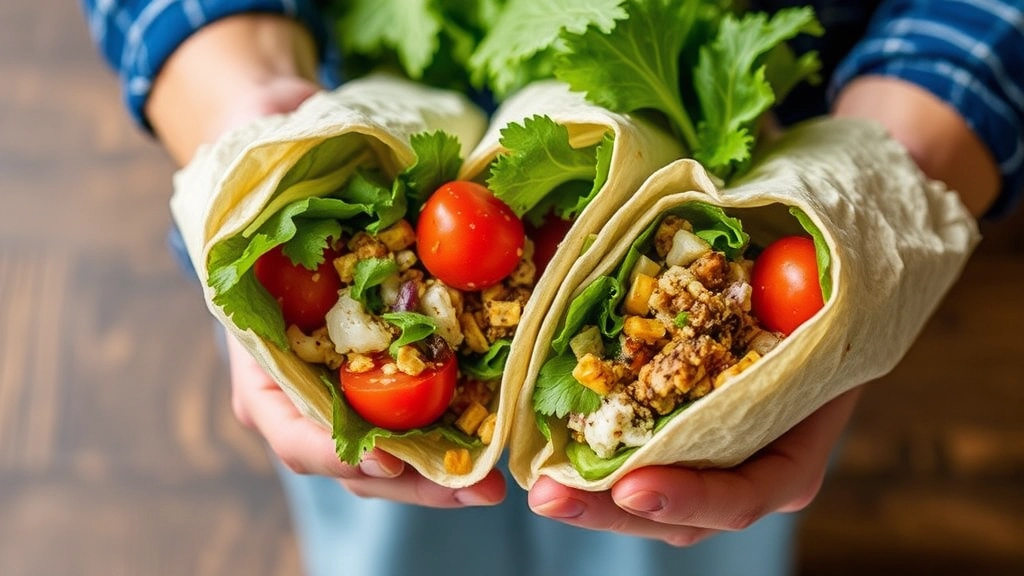
As an expert in sustainable food solutions, I have witnessed a remarkable transformation in the way we approach food storage. The shift towards sustainable food wraps is not just a trend; it is a necessary evolution in our pursuit of environmental responsibility. Traditional plastic wraps, once ubiquitous in kitchens worldwide, are increasingly being replaced by eco-friendly alternatives that cater to both environmental and consumer needs.
Environmental Impact
The environmental impact of traditional plastic wraps cannot be overstated. They contribute significantly to landfill waste, taking hundreds of years to decompose. In contrast, sustainable food wraps are designed to minimize this footprint, offering a more environmentally conscious choice. The adoption of these wraps is driven by a growing awareness of our ecological responsibilities and the desire to reduce plastic waste.
Types of Sustainable Food Wraps
| Type | Material | Key Benefit |
|---|---|---|
| Beeswax Wraps | Organic Cotton Coated with Beeswax | Reusable and Biodegradable |
| Silicone Wraps | Food-grade Silicone | Durable and Long-lasting |
| Cloth Wraps | Natural Fabric | Washable and Reusable |
| Edible Wraps | Plant-based Ingredients | Compostable and Edible |
| Compostable Wraps | Biodegradable Materials | Eco-friendly Disposal |
Consumer Preferences
Consumer preferences are rapidly evolving as people become more informed about the environmental implications of their choices. There is a noticeable shift towards products that are not only functional but also align with the values of sustainability and minimalism. This shift is reflected in the increasing demand for sustainable food wraps that offer versatility, durability, and eco-friendliness.
Market Trends
The market for sustainable food wraps is expanding, with innovations continually emerging. Brands are investing in research and development to create wraps that offer enhanced performance without compromising on sustainability. This has led to a diverse range of options that cater to different consumer needs, from preserving leftovers to packing lunches.
Creative Ways to Use Beeswax Wraps
In recent years, beeswax wraps have emerged as a popular and sustainable alternative to plastic wraps. Their natural composition and reusable nature make them an ideal choice for those looking to reduce their environmental footprint. However, their utility extends beyond just covering food, offering a range of creative applications.
Preserving Freshness
One of the primary uses of beeswax wraps is in preserving the freshness of food. The breathable nature of the wraps allows food to stay fresh longer, making them perfect for wrapping fruits, vegetables, and even bread. By molding the wrap around the food item with the warmth of your hands, you create a natural seal that helps maintain moisture and flavor.
Covering Bowls and Containers
Beeswax wraps are also excellent for covering bowls and containers. Whether you’re storing leftovers or preparing meals in advance, these wraps can easily conform to the shape of your dishes. This flexibility helps keep your food protected from air and contaminants, ensuring that it remains fresh and ready to enjoy.
On-the-Go Snack Packs
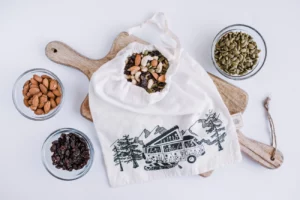
For those who are frequently on the move, beeswax wraps can be transformed into convenient snack packs. Simply fold the wrap into a pouch or envelope shape to hold nuts, dried fruits, or sandwiches. This not only reduces the need for disposable plastic bags but also provides a stylish and eco-friendly way to carry your snacks.
Protecting Cheese
Cheese lovers will appreciate the benefits of using beeswax wraps to store their favorite varieties. The breathable material allows cheese to age naturally while preventing it from drying out. By wrapping cheese in beeswax, you can extend its shelf life and enhance its flavors, making each bite a delightful experience.
Customizing Wraps for Gifts
Beeswax wraps can also be personalized for gifting purposes. By selecting unique patterns and colors, you can create customized wraps that serve as both a present and a functional kitchen tool. This thoughtful gesture not only promotes sustainable living but also introduces others to the benefits of using beeswax wraps in their daily lives.
Maintaining and Refreshing Beeswax Wraps
To ensure the longevity of your beeswax wraps, it’s important to care for them properly. Gently wash them with cool water and mild soap, and let them air dry. Over time, if the wraps lose their stickiness, they can be refreshed by placing them in a warm oven for a few minutes, allowing the wax to redistribute evenly.
Silicone Wraps: A Reusable Revolution
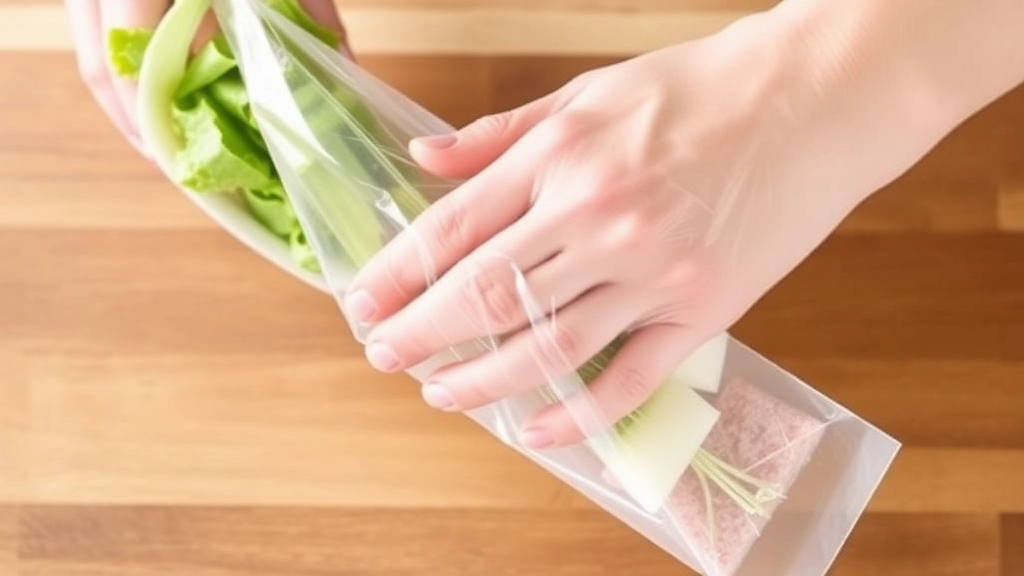
As we continue to explore innovative solutions for food storage, silicone wraps have emerged as a standout option for those seeking both practicality and sustainability. These wraps are crafted from food-grade silicone, making them safe for direct contact with edibles and a durable alternative to traditional plastic wraps.
Durability and Reusability
One of the most compelling features of silicone wraps is their reusability. Unlike single-use plastic wraps that contribute to environmental waste, silicone wraps can be washed and reused countless times without losing their shape or effectiveness. This not only reduces waste but also offers a cost-effective solution for households.
Temperature Resistance
Silicone wraps are known for their impressive temperature resistance. They can withstand a wide range of temperatures, from freezing cold to oven hot, making them suitable for various applications. This versatility allows users to use the same wrap for storing leftovers in the fridge or reheating food in the microwave.
Versatile Applications
Beyond simple food storage, silicone wraps offer a range of applications that make them an essential tool in any kitchen. They can be used to cover bowls, wrap sandwiches, and even seal open cans. Their flexibility and stretchability mean they can conform to different shapes and sizes, providing a snug fit that helps keep food fresh.
| Feature | Benefit |
|---|---|
| Reusability | Reduces waste and saves money |
| Temperature Resistance | Suitable for freezer and microwave use |
| Versatility | Adapts to various shapes and sizes |
Eco-Friendly and Safe
In addition to their practical benefits, silicone wraps are also an eco-friendly choice. They are free from harmful chemicals often found in plastic wraps, such as BPA and phthalates, ensuring that food remains uncontaminated. This makes them a safe option for families and individuals looking to minimize their environmental impact while maintaining food safety.
The Versatility of Cloth Food Wraps
Cloth food wraps have emerged as a remarkably versatile solution for food storage, offering a sustainable alternative to single-use plastics. These wraps are typically made from cotton fabric infused with natural substances like beeswax, soy wax, or plant-based oils, which give them their unique ability to mold around various food items and containers.
Reusable and Durable
One of the most significant advantages of cloth food wraps is their reusability. Unlike plastic wraps, which are often discarded after a single use, cloth wraps can be washed and reused multiple times, making them a cost-effective and environmentally friendly option. Their durability ensures they can withstand regular use without losing their effectiveness, providing a reliable solution for both everyday use and special occasions.
Customizable Sizes and Designs
Cloth food wraps come in a variety of sizes, allowing users to wrap anything from small snacks to large sandwiches or even cover bowls and dishes. This customizability makes them an excellent choice for anyone looking to reduce waste while maintaining convenience. Moreover, these wraps are available in a wide range of colors and patterns, adding a touch of personal style to your kitchen and lunchboxes.
Breathable and Protective
Another key feature of cloth food wraps is their breathability. Unlike airtight plastic wraps, cloth wraps allow food to breathe, which can help extend the freshness of certain items, such as bread and cheese. This breathability, combined with the protective layer provided by the wax or oil coating, makes cloth wraps an ideal choice for preserving the quality of your food.
Easy to Maintain
Maintaining cloth food wraps is straightforward. They can be cleaned with cool water and mild soap, ensuring they remain hygienic and ready for reuse. Proper care will extend their lifespan, making them a sustainable choice for those committed to reducing their environmental impact. The ease of maintenance further enhances their appeal as a practical and eco-friendly kitchen accessory.
In conclusion, cloth food wraps offer a versatile, reusable, and stylish alternative to traditional food storage methods. By incorporating these wraps into your daily routine, you can contribute to a more sustainable lifestyle while enjoying the benefits of their unique features.
Edible Wraps: A Tasty Trend
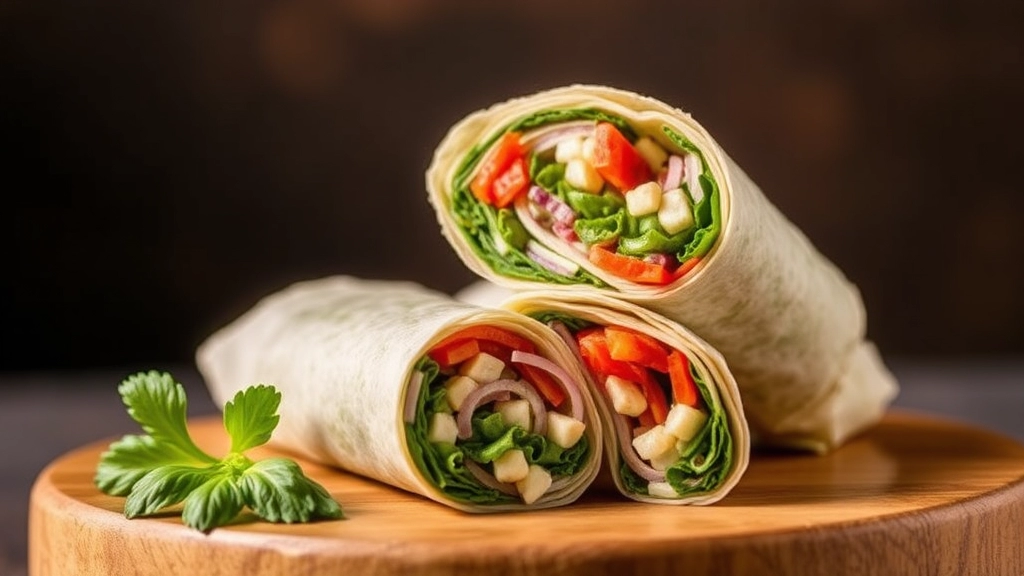
As we explore the evolving landscape of food wraps, edible wraps emerge as an innovative and delicious solution. These wraps are not only designed to preserve food but are also safe to consume, offering a dual function that aligns with both sustainability and convenience. The concept of edible wraps is gaining traction, driven by the increasing demand for eco-friendly and zero-waste alternatives in the culinary world.
What Are Edible Wraps?
Edible wraps are crafted from ingredients that are safe for human consumption. They are typically made from natural materials such as seaweed, rice paper, or even fruit and vegetable purees. These wraps serve as a protective layer for food, similar to traditional wraps, but with the added benefit that they can be eaten along with the food they encase.
Benefits of Edible Wraps
The primary advantage of edible wraps is their contribution to reducing waste. Since these wraps are consumed along with the food, there is no leftover material to dispose of. Additionally, they often impart unique flavors and textures to the food, enhancing the overall culinary experience. Here are some of the key benefits:
| Benefits | Description |
|---|---|
| Waste Reduction | No leftover material, contributing to a zero-waste lifestyle. |
| Flavor Enhancement | Adds unique flavors and textures to dishes. |
| Health Benefits | Made from natural ingredients, often rich in nutrients. |
Popular Types of Edible Wraps
Among the various types of edible wraps available, a few have gained popularity due to their versatility and taste:
- Rice Paper: Commonly used in Asian cuisine, perfect for spring rolls.
- Seaweed Wraps: Often used in sushi, providing a savory flavor.
- Fruit and Vegetable Wraps: Made from pureed and dehydrated fruits or vegetables, offering a sweet or savory option.
Applications in Daily Meals
Edible wraps can be seamlessly integrated into daily meals. For instance, rice paper can be used to create fresh spring rolls filled with vegetables and proteins, making them an ideal choice for a light lunch. Seaweed wraps can encase rice and fish for a nutritious sushi roll. The versatility of these wraps allows them to be adapted to various cuisines and dietary preferences.
In conclusion, the rise of edible wraps is a testament to the growing trend towards sustainable and innovative food packaging solutions. As consumers become more conscious of their environmental impact, edible wraps offer a delicious and practical alternative to traditional food wraps.
Compostable Wraps: Eco-Friendly Alternatives
In recent years, the focus on sustainability has led to a significant rise in the popularity of compostable wraps as an eco-friendly alternative to traditional plastic wraps. These wraps are designed to break down naturally, reducing waste and minimizing the environmental footprint. As we become more conscious of our impact on the planet, compostable wraps offer a viable solution for those looking to make a positive change in their everyday habits.
Understanding Compostable Materials
Compostable wraps are typically made from biodegradable materials such as plant-based cellulose, cornstarch, or other natural fibers. Unlike conventional plastic wraps, which can take hundreds of years to decompose, these materials are designed to break down within a few months when placed in a composting environment. This means that they can return to the earth as nutrient-rich soil, supporting the growth of new plants and contributing to a more sustainable cycle.
Benefits of Using Compostable Wraps
One of the primary advantages of compostable wraps is their ability to reduce plastic waste. By choosing compostable options, consumers can significantly cut down on the amount of single-use plastics that end up in landfills and oceans. Additionally, compostable wraps are often free from harmful chemicals and additives, making them a safer choice for wrapping food items.
Moreover, using compostable wraps can also encourage more sustainable practices at home. By incorporating these wraps into your daily routine, you can set an example for others and help spread awareness about the importance of reducing waste and protecting our environment.
Choosing the Right Compostable Wrap
When selecting compostable wraps, it’s essential to look for products that are certified by reputable organizations. Certifications such as the Biodegradable Products Institute (BPI) or the European Bioplastics label ensure that the wraps meet specific standards for compostability. Additionally, consider the thickness and durability of the wrap to ensure it meets your needs for storing and preserving food.
It’s also worth exploring different brands and types of compostable wraps to find the ones that work best for you. Some wraps may offer additional features such as breathability or moisture resistance, which can be beneficial for certain types of food storage.
Integrating Compostable Wraps into Your Lifestyle
Incorporating compostable wraps into your daily routine is a simple yet effective way to make a positive impact on the environment. Start by replacing traditional plastic wraps with compostable options for packing lunches, storing leftovers, or covering bowls and dishes. Over time, you may find that these eco-friendly alternatives become an integral part of your sustainable lifestyle.
By choosing compostable wraps, you are taking a proactive step towards reducing waste and embracing more environmentally friendly practices. As more people adopt these alternatives, we can collectively work towards a healthier planet for future generations.
DIY Food Wraps: Crafting Your Own Solutions
In today’s world, where sustainability is becoming increasingly important, crafting your own DIY food wraps is not only a creative endeavor but also an environmentally conscious choice. These homemade solutions offer a personalized touch to food storage while reducing waste. Let’s explore how you can start creating your own food wraps at home.
Materials Needed for DIY Food Wraps
To get started with making your own food wraps, you’ll need some basic materials. Here’s a list of essential items:
| Material | Purpose |
|---|---|
| Cotton Fabric | Base material for the wrap |
| Beeswax | Provides a natural coating for the fabric |
| Jojoba Oil | Enhances flexibility and longevity |
| Tree Resin | Improves the stickiness of the wrap |
| Baking Paper | Used to protect surfaces during the creation process |
Steps to Create Your Own DIY Food Wraps
Creating your own food wraps is a straightforward process. Follow these simple steps to make your own:
- Cut the cotton fabric into desired sizes, ensuring they are large enough for various food items.
- Mix beeswax, jojoba oil, and tree resin in a double boiler until melted and well combined.
- Place the fabric on a baking sheet lined with baking paper.
- Use a brush to evenly apply the melted mixture onto the fabric.
- Place the coated fabric in an oven preheated to 200°F (93°C) for a few minutes to ensure the mixture is absorbed.
- Remove from the oven, and while still warm, quickly lift and wave the fabric to ensure even distribution of the coating.
- Allow the wrap to cool and set completely before use.
Benefits of DIY Food Wraps
Making your own food wraps comes with numerous benefits:
- Cost-effective: Creating wraps at home can be more affordable than purchasing commercial options.
- Customizable: Choose patterns and sizes that suit your needs and aesthetic preferences.
- Sustainable: Reduce reliance on single-use plastics and contribute to a healthier planet.
- Personal Satisfaction: Enjoy the rewarding experience of crafting something with your own hands.
By embracing the trend of DIY food wraps, you contribute to a more sustainable lifestyle while enjoying the creative process. Whether it’s for wrapping leftovers or packing lunches, these homemade wraps are a practical and eco-friendly solution worth trying.
FAQs on Food Wrap Trends
What are sustainable food wraps and why are they important?
Sustainable food wraps are eco-friendly alternatives to traditional plastic wraps. They are important because they help reduce landfill waste and are designed to minimize environmental impact, aligning with growing ecological responsibilities.
What types of sustainable food wraps are available?
There are several types of sustainable food wraps, including beeswax wraps, silicone wraps, cloth wraps, edible wraps, and compostable wraps. Each type offers unique benefits such as reusability, durability, and eco-friendliness.
How do beeswax wraps preserve food freshness?
Beeswax wraps preserve food freshness by providing a breathable seal that maintains moisture and flavor. They are ideal for wrapping fruits, vegetables, and bread, helping them stay fresh longer.
Can silicone wraps be used in the microwave?
Yes, silicone wraps are temperature resistant and can be used in the microwave. Their versatility allows them to withstand a wide range of temperatures, making them suitable for various applications.
How do cloth food wraps differ from plastic wraps?
Cloth food wraps differ from plastic wraps in that they are reusable, breathable, and made from natural materials. They allow food to breathe, extending freshness, and can be washed and reused multiple times.
What are edible wraps and how are they used?
Edible wraps are food wraps made from natural, consumable ingredients like seaweed or rice paper. They serve as a protective layer for food and can be eaten along with the food they encase, offering a zero-waste solution.
What makes compostable wraps eco-friendly?
Compostable wraps are eco-friendly because they are made from biodegradable materials that break down naturally in a composting environment, reducing waste and contributing to a sustainable cycle.
How can I make my own DIY food wraps?
To make DIY food wraps, you’ll need cotton fabric, beeswax, jojoba oil, and tree resin. Melt these ingredients, apply them to the fabric, and allow the wraps to cool. This process creates customizable, cost-effective, and sustainable food wraps.
What are the benefits of using DIY food wraps?
DIY food wraps are cost-effective, customizable, sustainable, and offer personal satisfaction from crafting them. They reduce reliance on single-use plastics and allow you to choose patterns and sizes that suit your needs.