















OEM and ODM in Food Storage Bag Manufacturing
When it comes to food storage bag manufacturing, most projects fall into one of two models — OEM (Original Equipment Manufacturer) or ODM (Original Design Manufacturer). Understanding how each works is crucial because it directly affects lead times, costs, and customization flexibility.
What OEM Means in Food Storage Bag Production
In an OEM project, the buyer provides the complete design, technical specifications, and branding. The factory’s role is to manufacture exactly to those requirements. The process is essentially “build to order,” where the supplier may use existing tooling or create new molds if needed.
For example, if your brand already has an established PE or silicone food bag design, OEM production simply replicates it under your brand label without changing the core design.
Key OEM traits:
- Buyer-driven specification (design, material, dimensions, print design).
- Minimal design input from supplier.
- Works best for brands with in-house product development teams or existing final designs.
What ODM Means in Food Storage Bag Production
With ODM projects, the supplier designs and develops the product from concept to completion. The buyer then applies their own brand. This approach is common when launching a new line of freshness bags, zipper seal containers, or innovative food storage solutions without having a pre-made design.
An ODM supplier usually:
- Handles product ideation and design development.
- Produces prototypes for buyer approval.
- Creates new tooling or modifies existing molds.
- Oversees production, quality control, and packaging.
Key ODM traits:
- Supplier-driven R&D.
- More flexibility for innovation (new features, shapes, prints).
- Ideal for brands without internal design capability.
You can see examples of product innovation in ODM packaging such as vacuum food storage bags or salad storage bags that combine functional freshness preservation with unique brand styling.
Key Differences Impacting Project Timelines
OEM and ODM follow different development paths, which explains their different lead time expectations:
- OEM is generally faster because the design phase is already complete. Lead times mainly depend on tooling readiness and production capacity.
- ODM takes longer because it includes concept design, multiple prototypes, and new mold development before production starts.
- Approval cycles in ODM projects can significantly extend timelines, especially if several design revisions are needed.
In short, OEM works best for speed-to-market, while ODM is suited for unique product development that can justify longer lead times with greater differentiation.
Typical Lead Times for OEM Food Storage Bag Projects
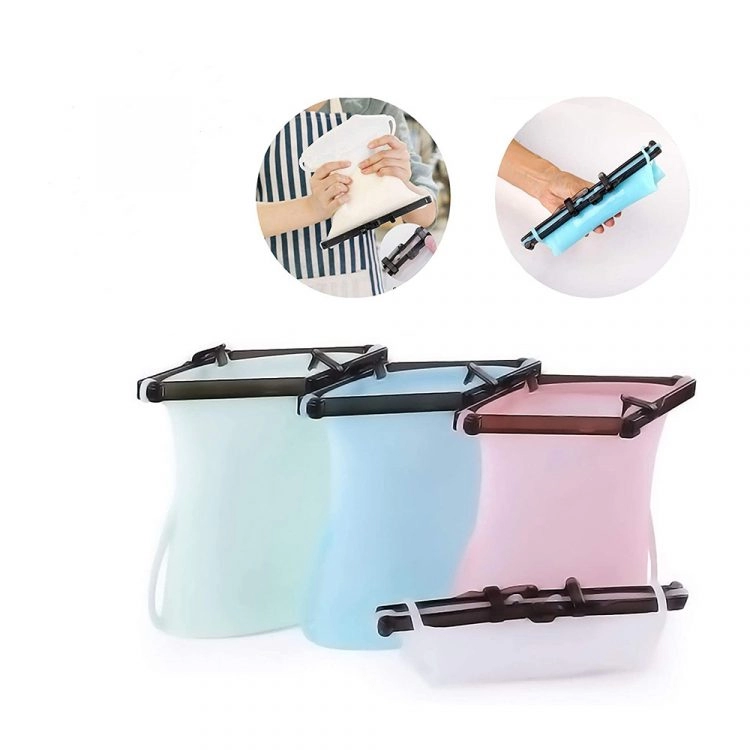
When you go with OEM food storage bag manufacturing, the clock starts ticking once your supplier has your design files, materials specifications, and branding requirements in hand. The process is fairly straightforward compared to ODM because the design work is already done — but the lead time can still vary a lot depending on how much prep is needed before mass production.
OEM Project Phases
Most OEM production timelines follow this flow:
- Sample approval – The supplier produces samples based on your design for function, fit, and quality checks.
- Tooling and mold creation – If special molds or sealing tools are needed, this phase kicks in.
- Mass production – Bags are manufactured according to your specs.
- Quality inspections – Ensuring every batch meets agreed standards.
- Packing and shipping – Final logistics preparation before delivery.
Typical OEM Lead Time Range
For custom food storage bags like PE bags, silicone freshness bags, or zipper pouches, the average OEM lead time runs 30 to 60 days. Projects with existing tooling and fast sample approval can be closer to the 30-day mark, while complex projects with unique mold designs push timing toward 60 days or more.
What Affects OEM Lead Time
Several factors can speed up or slow down your timeline:
- Existing tooling vs. new tooling – Using pre-existing molds cuts weeks off production.
- Sample revision cycles – The more back-and-forth changes, the longer it takes.
- Order volume – Larger orders might need staggered production runs, but some factories will give bulk orders priority.
- Material sourcing – Specialty or eco-friendly materials may have longer procurement lead times.
If you need a fast turnaround, choosing a supplier that keeps in-house tooling and prototyping can make a big difference. For example, Artfullife’s food-grade PE storage bag production benefits from in-house mold making, reducing wait times for OEM clients in the U.S.
Typical Lead Times for ODM Food Storage Bag Projects
ODM (Original Design Manufacturer) projects for food storage bags usually take longer than OEM because the process starts from scratch — from concept to production. In ODM, the manufacturer handles design creation, material selection, prototyping, tooling, production, and packaging, and you simply add your branding.
Key Phases in ODM Food Bag Production
Here’s the usual flow for an ODM project:
- Design Development – Creating custom product designs, materials, and features based on your target market.
- Sample Prototyping – Making prototypes for testing food safety, durability, and usability.
- Mold and Tooling Creation – Building custom molds for unique bag shapes or closure systems.
- Production – Mass manufacturing after design approval.
- Quality Control – Checking sealing performance, film strength, and compliance with food packaging regulations.
- Logistics and Shipping – Packing and delivering orders to your destination.
Typical Lead Time for ODM Food Storage Bags
On average, ODM projects take 45 to 90 days from design kickoff to delivery. This range can shift depending on complexity and market requirements.
Factors that often extend ODM production time:
- Design complexity – Special features like double-zip seals or compostable material require extra testing.
- Multiple prototype rounds – More revisions mean more time before final approval.
- New mold creation – If your design requires unique tooling, expect a longer setup period.
ODM is ideal when you want a unique, marketable product that stands out from standard designs, even if that means waiting a bit longer. For example, if your goal is to launch eco-friendly bags made from plant-based film, you’ll need extra time for material R&D and shelf-life testing.
Comparative Analysis of OEM vs ODM Lead Times in Food Storage Bag Manufacturing
When planning a food storage bag production run, understanding the timeframes for OEM (Original Equipment Manufacturer) and ODM (Original Design Manufacturer) is key to setting realistic launch schedules.
Average Lead Time Comparison
Here’s a quick look at how the timelines typically break down:
| Project Phase | OEM Lead Time (Days) | ODM Lead Time (Days) |
|---|---|---|
| Design and Development | Buyer provides design — minimal time | 7–20 (concept creation) |
| Sample Prototyping | 5–10 | 10–20 |
| Tooling and Mold Making | 7–20 | 15–30 |
| Production and QC | 15–25 | 20–30 |
| Shipping and Logistics | 7–15 (based on method) | 7–15 (based on method) |
| Total Typical Lead Time | 30–60 days | 45–90 days |
Why ODM Projects Usually Take Longer
- Design work starts from scratch, so there’s added time for creating concepts and technical drawings.
- Multiple prototype rounds are common to refine the product.
- Custom tooling may take longer since the design is new and untested.
When OEM Timelines Can Stretch Out
Even though OEM usually moves faster, these factors can cause delays:
- Complex tooling needs for unique shapes or closure systems.
- Several rounds of sample approval if the product must meet strict buyer or retail standards.
- Large order volumes that exceed normal factory capacity.
Lead Time Impact on Market Launch
- Shorter OEM timelines are often better for hitting tight seasonal or retail deadlines.
- Longer ODM timelines make sense when creating a truly new design that can stand out in the market.
- Delays in either model mean pushing back product launches, which can affect marketing campaigns, retail shelf space, and revenue projections.
Factors That Can Shorten Lead Times for Both OEM and ODM Food Storage Bag Projects
Even though OEM and ODM manufacturing timelines differ, there are proven ways to cut production time for custom food storage bags without sacrificing quality. Fast delivery can mean the difference between hitting or missing a market launch date. Here are the key factors:
Choose a Supplier with In-house Tooling and Prototyping
If your supplier handles tooling, mold making, and sample prototyping under the same roof, you skip weeks of outsourcing delays. Artfullife, for example, operates its own mold department, which means they can move directly from design or sample approval to manufacturing.
Maintain Clear Communication and Quick Sample Approvals
Slow project timelines often come from multiple revision cycles. If your team can make decisions quickly and provide clear feedback, sampling stages can be completed in days, not weeks. For more on quality considerations, see Does the FDA test plastic food storage bags from China?
Leverage Order Volume for Production Priority
While large orders may seem time-consuming, many factories prioritize bulk runs over smaller orders because tooling setups are more efficient. This can move your order ahead in the production queue.
Use Proven Designs to Minimize Mold Development
If speed is critical, choosing existing designs or minimal changes to proven molds can skip new mold creation entirely. This approach is common for OEM freshness bags or zip-lock PE food bags where industry-standard sizes and closures are already available.
| Lead Time Shortening Strategy | Estimated Time Saved |
|---|---|
| In-house tooling and prototyping | 7–14 days |
| Fast sample revisions/approvals | 5–10 days |
| Priority bulk production | 3–7 days |
| Using existing molds/designs | 10–20 days |
By combining two or more of these strategies, it’s realistic to trim OEM project timelines from 60 days to around 40, and ODM timelines from 90 days to about 65, depending on order complexity and material availability.
For product options that already have developed molds and tested designs, see PE food storage bags with zip lock to explore faster manufacturing routes.
Artfullife Commitment to Timely Delivery in OEM and ODM Food Storage Bag Projects
At Artfullife, we know U.S. buyers value shorter, predictable lead times just as much as high product quality. Whether it’s an OEM freshness bag built to your specs or a full ODM plastic bag project from scratch, our process is set up to keep projects moving without delay.
Streamlined Production Process
We’ve built a step-by-step production flow that cuts out bottlenecks:
- Dedicated project managers follow every order from design through delivery.
- Pre-scheduled production slots help lock in timelines early.
- Parallel workflows for design, tooling, and material sourcing reduce waiting periods.
In-house Design and Tooling Advantage for ODM Projects
Unlike many other China food bag factories, we handle design, prototyping, and mold making in-house. For ODM custom plastic food storage bags, this means:
- No waiting on outside mold suppliers.
- Faster sample turnaround — often within a few days.
- Immediate design tweaks based on buyer feedback.
This setup consistently shaves 7–10 days off typical ODM timelines.
Strict Quality Control With Real-Time Tracking
We track every manufacturing stage — from raw materials to final QC — through a transparent lead-time dashboard. Customers can see exactly where their order is at any moment, which keeps expectations clear and timelines accurate.
- Inline inspections during production prevent delays due to rework.
- Final AQL-based quality checks before shipping to ensure fewer returns or hold-ups at customs.
Case Study On-Time Delivery Example
One U.S. brand ordered 80,000 OEM food storage bags with new zipper tooling. Typical suppliers quoted 55–60 days. Artfullife delivered in 42 days by:
- Starting tooling immediately after CAD approval.
- Running a pre-production sample in week 3 for instant feedback.
- Coordinating QC and packing to overlap with final production days.
The client was able to launch their new SKU two weeks ahead of schedule, capturing early seasonal sales.
Bottom line: With in-house capabilities, strict QC, and transparent tracking, Artfullife helps U.S. brands hit — and often beat — their planned market launch dates for both OEM and ODM food storage bags.
How to Choose Between OEM and ODM Based on Lead Time Needs
Choosing between OEM (Original Equipment Manufacturer) and ODM (Original Design Manufacturer) for food storage bag production often comes down to how fast you need the product versus how much customization you want.
Prioritize Speed or Customization
Before deciding, ask yourself:
- Do I need bags delivered as quickly as possible?
- Is product originality and design innovation more important than speed?
Your answers will steer you in the right direction:
Go OEM if:
- You already have a finalized design and specifications.
- You need to hit the market quickly — for example, seasonal promotions or replenishment orders.
- You can use existing molds or minimal tooling changes.
- You’re okay with less design modification in exchange for speed.
Go ODM if:
- You want a unique bag design that’s not on the market yet.
- Branding and product innovation are top priorities.
- You have more flexibility in your launch date to allow for design, prototyping, and tooling.
- You want a tailored solution that aligns with your long-term product strategy.
Quick Reference Table
| Criteria | OEM Production | ODM Production |
|---|---|---|
| Lead Time Range | ~30–60 days | ~45–90 days |
| Design Work Required | Minimal (buyer provides) | Full (supplier designs) |
| Customization Level | Low to Medium | High |
| Best For | Fast turnaround, repeat orders | Innovative designs, brand exclusivity |
Working with Artfullife
At Artfullife, we handle both OEM and ODM food storage bag projects in-house, meaning:
- Faster tooling and prototyping — no long waits for third-party suppliers.
- Streamlined communication — fewer slowdowns during sample approval.
- Transparent lead time tracking — you always know project status.
If you need help deciding the right approach for your timeline and goals, reach out to us. We’ll walk you through options, share real lead time estimates, and help you plan the quickest path to launch.
FAQs on OEM and ODM Food Storage Bag Lead Times
What is the fastest way to reduce lead time in food storage bag manufacturing
The quickest way to speed things up is to work with a supplier that has in-house design, tooling, and prototyping. This skips the delays of outsourcing and keeps full control over the schedule. Other ways to cut lead time include:
- Using existing molds and proven designs instead of developing new ones.
- Approving samples quickly to avoid waiting weeks between revisions.
- Clear specifications from the start so there’s no back-and-forth on details.
- Consolidating production and shipping with the same supplier to avoid extra handling.
If you’re curious about ready-to-go options that speed up bulk production, see our PE bags for vacuum-sealed food storage guide.
Can lead times be expedited for large OEM orders
Yes — though it depends on the supplier’s capacity and production schedule. Large OEM orders sometimes get priority production slots, especially with long-term partners. If you’re ordering repeat designs with no tooling changes, production can be completed in as little as 25–30 days. Extra shifts, rapid tooling, and air freight are also ways to shorten timelines, but keep in mind these may add to costs.
How does tooling affect lead times
Tooling is often the biggest variable in OEM and ODM timelines.
- Existing tooling: Minimal delay, production can start almost immediately after sample approval.
- New tooling: Can add 2–4 weeks for design, machining, and trial runs.
- Tool revisions: Even small changes can push back production, especially in ODM projects where design testing is more complex.
For more on custom options and tooling choices, you can check our custom printed elastic food covers guide.
Does Artfullife provide both OEM and ODM services
Yes. Artfullife supports both OEM and ODM manufacturing for food storage bags — from private-label production based on your designs to fully customized products developed from scratch. With in-house mold making, design, and quality control, lead times are tightly managed to help you hit launch dates without unnecessary delays.