







ODM and OEM Definitions and Core Differences
When sourcing food storage bags, you will often hear the terms OEM (Original Equipment Manufacturer) and ODM (Original Design Manufacturer). While they may sound similar, they represent two distinct manufacturing models that can impact your product customization, intellectual property, costs, and time-to-market.
What is OEM in Food Storage Bag Manufacturing
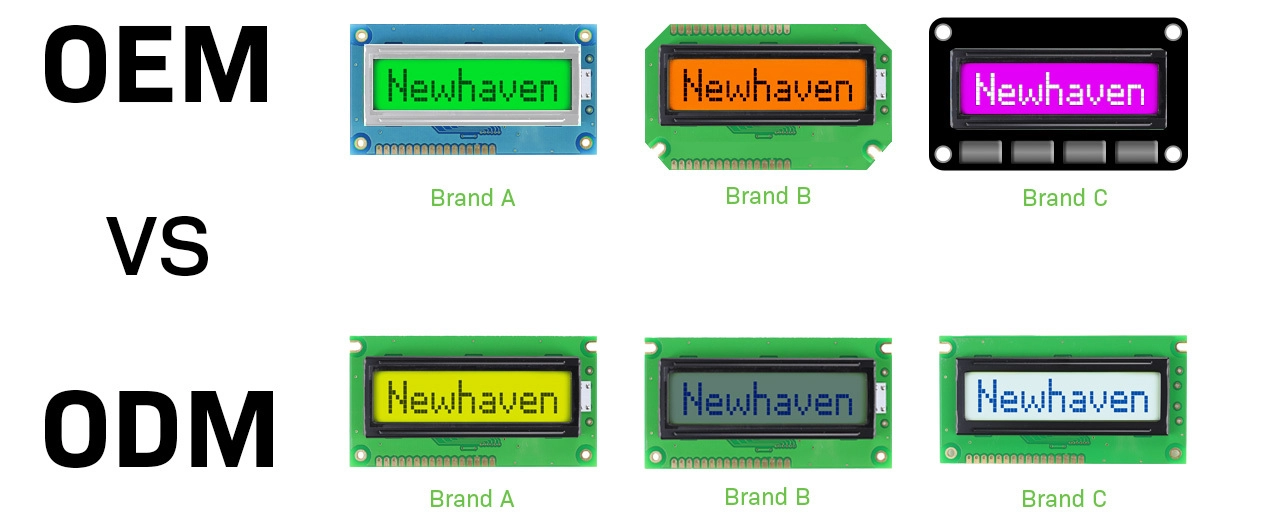
An OEM produces products based on the buyer’s own design, drawings, and specifications. In this model:
- You (the buyer) own the product design and intellectual property (IP).
- The manufacturer focuses primarily on production, tooling, and assembly.
- High customization is possible to match your exact brand standards, from material selection to bag dimensions, sealing methods, and packaging.
- Best suited for brands with in-house R&D or product development teams.
What is ODM in Food Storage Bag Manufacturing
An ODM offers pre-designed and pre-engineered products that the buyer can rebrand or make minor adjustments to. In this model:
- The manufacturer owns the product design and IP.
- Customization is usually limited to surface-level changes (logo, packaging, certain features).
- Ideal for companies without R&D capabilities that want faster market entry and lower upfront investment.
- You are leveraging the manufacturer’s innovation, technical expertise, and tested product designs.
Core Differences Between OEM and ODM for Food Storage Bags
| Feature | OEM (Original Equipment Manufacturer) | ODM (Original Design Manufacturer) |
|---|---|---|
| Who owns the design/IP | Buyer | Manufacturer |
| Design origin | Buyer-developed | Manufacturer-developed |
| Customization | High – full control over specs | Limited – minor modifications |
| Upfront R&D investment | Higher – tooling and prototyping required | Lower – uses existing designs |
| Time to market | Longer – due to design, testing, production setup | Faster – products already proven and ready |
| Best for | Brands with product design capability | Startups, small brands, limited R&D resources |
Understanding these definitions is key before deciding whether OEM custom food storage bags or ODM food bag production is best for your business. Your decision will influence your brand uniqueness, costs, production speed, and level of design control.
Advantages of Using an OEM for Food Storage Bag Production
When you choose an OEM (Original Equipment Manufacturer) for food storage bag production, you’re essentially bringing your own design to the table, and the manufacturer builds it exactly to your specifications. For brands in the U.S. that need full control over quality, appearance, and special features, OEM is often the go-to option.
Greater Control Over Product Design
With OEM production, you own the blueprint. Every size, material type, printing method, and closure style can match exactly what your brand wants. This is a solid choice if your packaging needs to stand out on crowded store shelves or meet specific FDA compliance requirements.
Higher Level of Customization
Because you’re supplying the design and specs, customization can go far beyond colors and logos. U.S. brands often use OEM manufacturing to:
- Match exact brand color codes for consistent shelf presence
- Use special barrier films for freshness and durability
- Integrate custom closure types (zipper lock, slider, double seal)
- Create unique sizes or shapes for better consumer convenience
Protecting Intellectual Property and Brand Identity
OEM production makes it easier to keep proprietary features—like special material blends or innovative sealing methods—exclusive to your brand. Having full ownership of the design means less risk of your packaging being copied or showing up in competitors’ products.
Best Fit for Companies with Design Capabilities
If your company has an in-house R&D or packaging design team, OEM is a natural fit. You can handle the creative side, while the OEM focuses solely on manufacturing precision at scale. This approach often works best for established brands or businesses looking to expand their premium or specialty food packaging lines in the U.S. market.
Disadvantages of Using an OEM for Food Storage Bag Production
Going the OEM (Original Equipment Manufacturer) route for food storage bag production gives you full control over the design, but it also comes with a few drawbacks that you’ll want to weigh before moving forward.
Longer Development Time and Higher Upfront Costs
OEM production usually means starting from scratch with your own product design. This often leads to:
- Extended timelines for product development since every detail needs to be shaped, tested, and approved.
- Higher initial costs for custom tooling, molds, and prototypes, which can be significant when producing plastic or freshness bags.
- More pre-production steps, from material testing to design refinement, that can slow your launch.
Requires Strong Technical Input from the Buyer
When working with an OEM, the manufacturer builds exactly what you design. This means:
- You’ll need detailed technical drawings and specifications upfront.
- Mistakes in the design stage can be costly and time-consuming to fix.
- If you don’t have an in-house R&D or product development team, you may need to hire one or outsource the work.
Limited Access to Manufacturer Design Know-How
Unlike ODM, where you can lean on the factory’s expertise and ready-made innovations, OEM keeps the design responsibility firmly in your hands. This can result in:
- Less flexibility to incorporate a manufacturer’s proven design improvements.
- Missing out on ideas that could improve performance, durability, or cost efficiency of your food packaging.
- Slower innovation cycles if your team’s capacity is limited.
In short, OEM can be the right choice for brands that value control and exclusivity, but it requires more time, money, and internal resources to get your food storage bags from concept to market.
Advantages of Using an ODM for Food Storage Bag Production
When you choose an ODM (Original Design Manufacturer) for your food storage bag production, you’re tapping into a ready-made system that can speed up your launch and cut costs. For many U.S. brands, especially those looking to enter the market quickly, the ODM route has some big upsides.
Faster Time to Market
ODM suppliers already have pre-existing designs and tooling in place. That means you don’t have to go through long design and prototyping cycles. You can pick a tested design, add your branding, and get it on shelves faster. This is especially useful if you want to respond to seasonal trends or match competitor launches without long delays.
Lower Initial Investment
With ODM, the manufacturer handles design, engineering, and development costs. Since there’s no need to build custom molds or pay for extensive prototyping, the upfront spend is much lower than with OEM. Many ODM providers also offer smaller minimum order quantities, which is helpful for brands testing new products.
Access to Manufacturer Innovation
Many ODM food storage bag factories constantly work on updating materials, improving sealing technology, and adding user-friendly features. You can benefit from their R&D and technical know-how without investing in your own in-house lab. For example, some ODM suppliers are already producing BPA-free, freezer-safe designs perfect for private label food storage brands in the U.S. (see freezer bag options here).
Ideal for Startups and Brands Without R&D
If you don’t have a dedicated product development team, ODM is a turnkey solution. You get to focus on marketing, distribution, and building customer relationships while the manufacturer ensures the product meets industry safety and quality standards.
Quick recap – ODM benefits for food storage bags:
- Launch products faster using proven designs
- Lower costs upfront compared to OEM
- Use manufacturer’s innovation without funding your own R&D
- Easier entry for small businesses and startups
Disadvantages of Using an ODM for Food Storage Bag Production
Choosing an ODM (Original Design Manufacturer) for food storage bag production can save time and money, but there are trade-offs you’ll want to weigh before committing. While ODMs are great for faster launches, the model can come with certain limitations that impact product uniqueness, brand positioning, and specification control.
Lower Control Over Design and Customization
With an ODM, the design, mold, and specifications are largely owned by the manufacturer.
- Your team will have limited input on changing dimensions, materials, colors, or structural features beyond what’s already offered.
- This can make it harder to create a product that matches exact brand standards or specific market needs in the U.S., where shoppers value unique design elements, functional upgrades, and eco-friendly materials.
Less Product Differentiation in the Market
Because ODM designs are sold to multiple clients, there’s a higher chance of similar or identical products appearing under other brands.
- On crowded shelves or in online marketplaces, this can make it harder for your food storage bags to stand out.
- Competing brands might offer nearly the same bag, with only minor differences like packaging or labeling.
Compromise on Specifications
If your business needs precise barrier protection, specialized zipper designs, or custom printing, you may need to adjust your expectations.
- ODM options are typically optimized for mass production, so special requests can be limited or offered only at much higher MOQs (Minimum Order Quantities).
- This can affect your ability to meet certain performance or sustainability standards demanded by specific U.S. retail channels.
In short: ODM can be a cost-effective, fast track to market, but if your food storage bag needs to be highly unique, premium, or engineered for very specific performance, you’ll likely face compromises.
Key Factors to Consider When Choosing Between ODM and OEM for Food Storage Bag Production
When deciding between ODM vs OEM food packaging for your food storage bags, it’s not just about cost — it’s about matching the right production model to your business needs. Here are the main points you’ll want to think through:
Company Design and Engineering Capabilities
If your team can handle product design, technical drawings, and detailed specifications, OEM is a strong choice. You’ll be in control of every detail.
If not, ODM’s pre‑made designs can save you from investing in an in‑house R&D team.
Investment and Budget Constraints
OEM often means higher upfront costs for tooling, prototyping, and custom molds.
ODM usually has lower startup costs, making it easier for smaller businesses or new brands to get to market.
Desired Level of Customization
OEM gives you full design control for unique shapes, materials, and branding.
ODM offers limited customization — often things like colors, logo prints, or packaging tweaks — since you’re starting with an existing design.
Time to Market Requirements
If you need to launch quickly, ODM is faster because the factory already has tested designs ready to go.
OEM projects take longer due to design, tooling, sampling, and testing stages.
Intellectual Property and Brand Protection
OEM makes it easier to own your product design and protect unique features.
With ODM, similar designs may be sold to other buyers unless you negotiate exclusivity.
Long Term Partnership and Scalability
If you’re planning to grow and update your product line over time, OEM gives more space for evolution without design limits.
ODM can still work for growth, but changes are often tied to the manufacturer’s capabilities and catalog updates.
Case Study Artfullife ODM and OEM Food Storage Bag Solutions
Artfullife is a China-based food storage bag wholesale factory that works with both ODM and OEM models, giving brands in the U.S. the flexibility to choose what fits their needs best. Many of our U.S. clients come in with very different starting points—some already have a detailed design they want to protect (OEM route), while others prefer a ready-to-go solution that they can private label (ODM route).
Flexible Manufacturing Under Both Models
- ODM Model – We provide proven, ready-to-produce designs for common food storage bags, such as zipper plastic bags, freshness bags, or freezer-safe pouches. Clients can tweak colors, sizes, or packaging to suit their market while benefiting from fast turnaround.
- OEM Model – We work from the client’s exact design files and specifications. This approach is common for brands that want exclusive product features or unique material blends that aren’t on the open market.
Quality Control
Regardless of the model, quality is consistent. Our production includes:
- Multi-stage inspection during manufacturing.
- Food-grade material verification and safety compliance.
- Randomized final checks for durability, sealing strength, and leak resistance.
Customization Options
- ODM: Branding, packaging, size adjustments, and minor design changes to keep costs low.
- OEM: Full design and engineering support, from mold-making to material selection, so the product matches your exact vision.
Cost Efficiency for U.S. Buyers
- OEM production can require more upfront cost for tooling and molds, but results in a fully unique product with stronger brand protection.
- ODM keeps entry costs lower and speeds up delivery, ideal for getting to market faster or testing new product lines.
With this dual approach, Artfullife allows U.S. brands—whether established retailers or new online sellers—to choose the balance of speed, uniqueness, and cost that works for their market.
FAQ for ODM vs OEM Food Storage Bag Production
Typical lead time difference between ODM and OEM
- ODM (Original Design Manufacturer): Since the designs are already developed, production usually starts faster — often within 4–8 weeks after order confirmation.
- OEM (Original Equipment Manufacturer): Lead times tend to be longer, often 10–16 weeks, because your custom design needs to go through prototypes, testing, and tooling before mass production.
- Takeaway: If speed to market is critical, ODM is typically the faster route.
Possibility of switching from ODM to OEM later
Yes, many brands start with ODM to test the market, then move to OEM once sales stabilize. This allows you to:
- Validate product demand with lower risk.
- Gather customer feedback for future design improvements.
- Invest in your own molds, packaging, and unique specs when the time is right.
Minimum order quantity differences between ODM and OEM
- ODM: Lower MOQs are common, sometimes just a few thousand units, since the factory is already producing similar products.
- OEM: Higher MOQs are typical, as the manufacturer needs to cover costs for new tooling and setup — usually 10,000 units+, depending on complexity.
- If you’re unsure about your initial volume, ODM offers more flexibility.
Bespoke design services for OEM clients
With OEM, you get full access to tailor-made product development:
- Exclusive mold and tooling creation.
- Material and size customization to match your brand needs — e.g., thickness, resealable features, or printing styles.
- Private labeling and unique packaging designs to fit your retail or wholesale strategy.
Quality certifications for products
Whether ODM or OEM, working with a certified manufacturer is key for the US market. Common certifications include:
- FDA compliance for food contact safety.
- BPA-free and LFGB certification for safe materials.
- ISO 9001 for quality management systems.
- BRC or HACCP for food safety assurance in manufacturing.
These certifications not only meet regulatory requirements but also help build customer trust in your brand.