
















Are you wondering what are the best food storage bags for keeping your meals fresh, safe, and convenient? Choosing the right storage bags can truly simplify your daily routine, whether you’re packing lunches, freezing leftovers, or organizing your pantry. But with so many options—disposable, reusable, plastic, silicone, eco-friendly—how do you pick the perfect one that balances quality, health, and sustainability?
In this ultimate guide, you’ll discover everything you need to know about food storage bags—from types and materials to must-have features and environmental impacts. Plus, we’ll share insider insights into why Artfullife’s PE food storage bags, crafted in China with premium quality control, stand out as a reliable wholesale option for retailers and businesses alike.
Ready to find the best food storage solution tailored to your lifestyle or business needs? Let’s dive in.
Food Storage Bags Types and Materials Overview
When it comes to picking the best food storage bags, understanding the types and materials is key. Food storage bags generally fall into two categories: disposable and reusable. Each type serves different needs and comes with its own materials, strengths, and limitations.
Disposable Food Storage Bags
These are single-use bags designed for convenience and short-term food storage. Most disposable bags are made from polyethylene (PE) or polypropylene (PP) plastics. These materials are lightweight, affordable, and widely available.
Advantages
- Convenient for quick, one-time use
- Usually freezer- and microwave-safe
- Good for storing small to medium quantities
- Often have strong seal options like zip-lock or slider closures
Disadvantages
- Environmental impact due to single use and plastic waste
- Limited durability, can puncture or lose seal integrity over time
- Not ideal for long-term storage or reuse
Reusable Food Storage Bags
Reusable bags are gaining popularity for their environmental benefits and durability. These bags are often made from silicone, thicker BPA-free plastic, or heavy-duty PE plastic.
Advantages
- Eco-friendly and reduce single-use plastic waste
- Durable and long-lasting with repeated washing
- Often heat-resistant, allowing safe use in microwaves and dishwashers
- Leak-proof and odor-resistant designs available
Disadvantages
- Higher upfront cost compared to disposables
- Sometimes heavier and bulkier to store
- Silicone bags may be less transparent, making it harder to see contents
Materials Breakdown
-
Polyethylene (PE): The most common plastic in food storage bags, PE is flexible, food-safe, and inexpensive. It performs well in freezers and fridges and is widely recyclable with proper facilities. Trusted brands like Artfullife manufacture high-quality PE bags known for safety and durability.
-
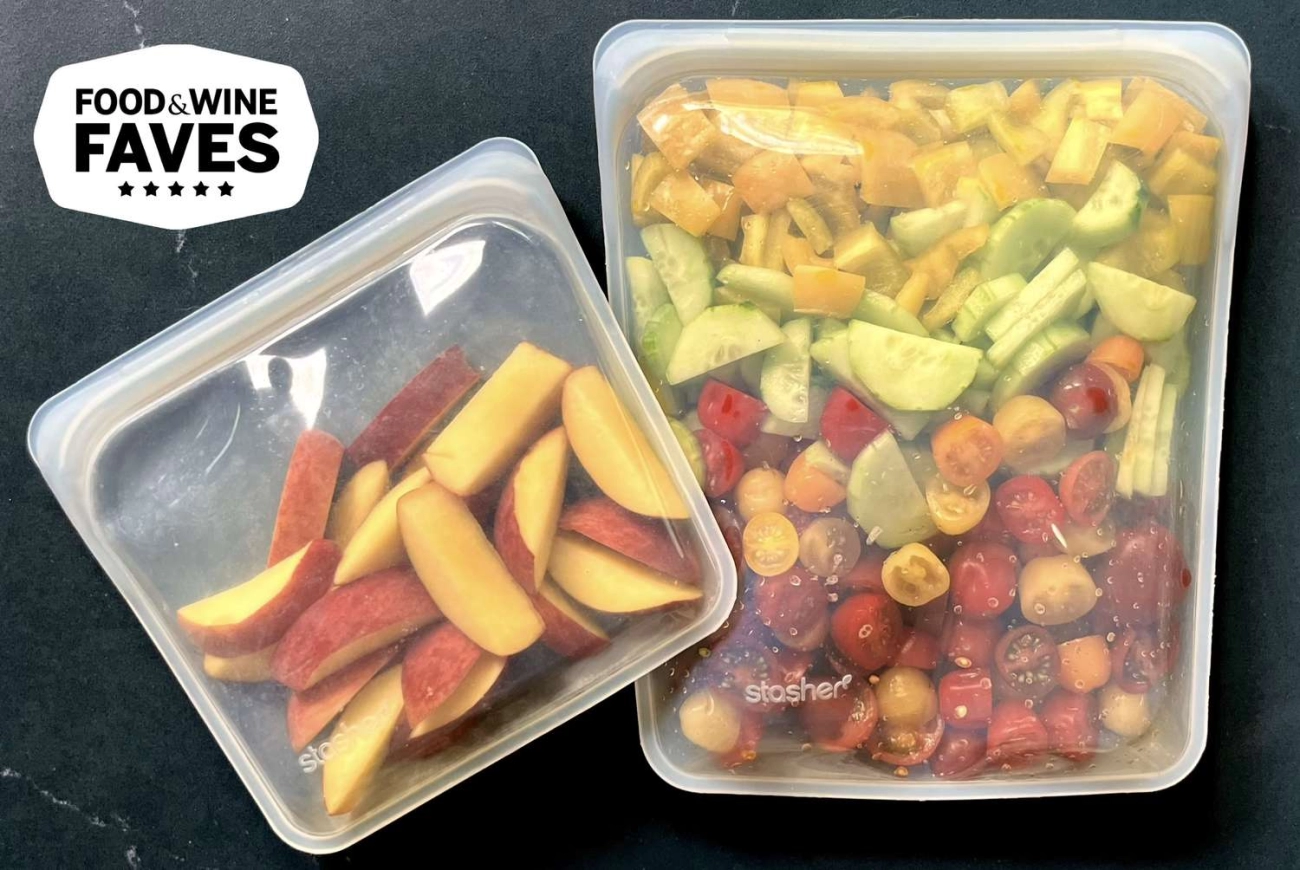
Silicone: Reusable silicone bags are BPA-free and heat resistant. They handle microwaving and boiling better than most plastics. Silicone is non-porous, so it doesn’t absorb odors or stains, but it’s usually more expensive.
-
BPA-Free Plastic: Some reusable bags use thicker BPA-free plastics to provide durability and safety without harmful chemicals. These bags are microwave and freezer safe, combining convenience with health-conscious design.
-
Biodegradable Options: Some food storage bags are made from plant-based or compostable materials. These are eco-friendly alternatives but may not be as durable or airtight as PE or silicone bags. Best suited for pantry storage or short-term use.
Best Uses for Different Bag Types
| Bag Type | Ideal Uses | Pros | Cons |
|---|---|---|---|
| Disposable PE | Freezer, fridge, single meals | Cheap, convenient, food safe | Wasteful, less durable |
| Reusable Silicone | Microwave, reheating, pantry | Durable, heat resistant, eco-friendly | Costly, bulkier |
| BPA-Free Plastic | Multi-use, freezer, microwave | Safe, durable, versatile | Can still create plastic waste |
| Biodegradable | Short-term pantry storage | Environmentally friendly | Limited durability and seal quality |
Choosing the best food storage bags means balancing your needs for safety, durability, environmental impact, and convenience. Knowing the materials and types helps you make an informed choice that works well for your freezer, fridge, microwave, or pantry storage.
Key Features to Look for When Choosing Food Storage Bags
When picking the best food storage bags, it’s important to consider several features that affect safety, durability, and convenience. Here’s what I focus on to make sure the bags work well for everyday use:
Safety and Food-Safe Materials
First things first, choose bags made from BPA-free and FDA-approved food-safe materials. This ensures your food won’t absorb any harmful chemicals during storage, whether in the fridge, freezer, or microwave. PE (polyethylene) bags from trusted manufacturers like Artfullife are a solid choice because they meet strict safety standards and reduce chemical risks.
Durability and Reusability
Look for bags that can stand up to repeated use if you want to avoid constant repurchasing. Reusable food storage bags often come in thicker PE plastic or silicone options. Strong seams and materials help the bag hold up through washing and daily wear. The more durable, the longer they last, making them economical and environmentally friendly.
Seal Quality and Closure Types
How well a bag seals means everything in preventing leaks and keeping food fresh. The best bags feature:
- Zip-lock seals for ease and reliable closure
- Slider zippers for fast, one-handed sealing
- Vacuum seal options for longer preservation of meats and veggies
A tight seal keeps odors locked in and moisture out, which is a must-have for freezer and fridge storage.
Variety of Sizes and Capacities
Different food storage needs call for varying sizes. The best brands offer a wide range of sizes—from small snack bags to large gallon-sized options. This flexibility helps you store anything from nuts to large leftovers without using too much space or plastic.
Leak-proof and Odor-resistant Features
For messy or highly scented foods, choose bags with proven leak-proof designs and odor resistance. This means no spills or unwanted smells spreading in your fridge or pantry, making cleanup easier and keeping your food fresher longer.
Environmental Friendliness and Recycling
Since Americans are increasingly focused on eco-friendly options, pick food storage bags that are:
- Reusable and durable
- Made from recyclable materials like PE plastic when disposable
- Or even biodegradable
Reducing single-use plastic helps cut down waste, and some brands offer take-back or recycling programs. Choosing eco-conscious storage bags supports a greener kitchen routine.
By paying attention to these key features—food safety, durability, seal quality, size variety, leak-proof design, and environmental impact—you’ll find food storage bags that fit your daily needs while protecting your health and the planet.
Comparing Popular Food Storage Bags on the Market
When it comes to choosing the best food storage bags, understanding the differences between popular brands and types can save you time and money. Here’s a clear look at some top-selling options, including Artfullife PE bags, which stand out in quality and price.
Top Brands and Types
-
Artfullife PE Bags
Manufactured in China, Artfullife offers durable, BPA-free polyethylene (PE) food storage bags widely praised for their strength and reliable seal. These bags are designed for freezer, fridge, and pantry use.
- Great for bulk storage needs and wholesale purchasing
- Available in various sizes and thicknesses
- Consistent leak-proof performance
-
Other Common Brands
Brands like Ziploc, Stasher (silicone), and Glad remain popular, especially for reusable or specialized bags.
- Ziploc: widely available, good for everyday use, often at mid-range price
- Stasher: reusable silicone, pricier but eco-friendly and heat-safe
- Glad: good for freezer storage, often at affordable prices
Price Point Comparison
| Brand | Type | Price Range (per 50 bags) | Reusability | Best For |
|---|---|---|---|---|
| Artfullife | PE disposable/reusable | $10 – $15 | Limited reuse | Bulk food storage, freezing |
| Ziploc | PE disposable | $12 – $20 | Single use | Everyday fridge use |
| Stasher | Silicone reusable | $20 – $30 (per bag) | Multiple uses | Microwave reheating, eco-conscious users |
| Glad | PE disposable | $8 – $15 | Single use | Freezer and pantry storage |
User Ratings and Feedback
- Artfullife PE Bags receive high marks for durability and strong seal quality, making them favored by restaurant owners and retailers. Users appreciate consistent thickness and transparency for easy content identification.
- Ziploc bags are praised for convenience but less favored for durability over time.
- Stasher bags get compliments for reusability and non-toxic materials, but the upfront price is a barrier for many.
- Glad bags are well-reviewed for price but sometimes reported to leak with liquids.
Pros and Cons Table
| Feature | Artfullife PE Bags | Ziploc | Stasher Silicone | Glad |
|---|---|---|---|---|
| Durability | High | Moderate | High | Moderate |
| Leak-proof | Yes | Mostly | Yes | Sometimes |
| Microwave safe | Yes (depends on thickness) | Yes | Yes | Yes |
| Freezer safe | Excellent | Good | Good | Good |
| Price | Affordable (bulk options) | Mid-range | Higher upfront | Budget-friendly |
| Environmental | Recyclable, some reusability | Mostly disposable | Fully reusable | Mostly disposable |
For bulk purchases or wholesale needs, Artfullife PE bags stand out not only for price but also for their food-grade safety and reliable manufacturing standards. These bags are ideal for users looking for balance between affordability, safety, and durability.
For more detailed insights on bulk PE plastic bags, check out Artfullife’s wholesale food storage bags guide.
Bottom line: If you need durable, BPA-free food storage bags for freezer and pantry use at a reasonable price with bulk options, Artfullife PE bags are a top choice. For those seeking long-term reusability, silicone bags could be worth the investment, but for everyday disposables, bags like Ziploc or Glad still hold their place.
Health and Environmental Considerations for Food Storage Bags
When choosing food storage bags, it’s important to understand the health risks and environmental impact linked to low-quality plastic options. Many cheap bags contain harmful chemicals like BPA or phthalates, which can leach into your food, especially when heated or frozen. This is why selecting BPA-free food storage bags made from trusted materials like polyethylene (PE) is crucial.
Chemical Safety and PE Food Storage Bags
PE bags, such as those produced by reliable manufacturers like Artfullife, are made from food-grade, FDA-approved materials. This reduces the risk of chemical contamination, making them safe for the freezer, microwave, refrigerator, and pantry. Choosing PE plastic bags from a reputable wholesale factory ensures you get consistent quality that meets US safety standards.
Environmental Impact and Sustainability
Plastic waste is a huge issue, and food storage bags contribute to the problem if not handled responsibly. Most single-use plastic bags are not biodegradable and end up in landfills or oceans. However, PE bags have better recyclability compared to many other plastics, especially when recycled properly through local programs.
To minimize your environmental footprint:
- Reuse bags when possible—some PE bags are designed for multiple uses.
- Choose recyclable PE bags from manufacturers who support sustainable production.
- Avoid single-use bags whenever reusable silicon or biodegradable options fit your needs.
- Support brands like Artfullife that focus on eco-friendly food storage solutions and transparent sourcing.
Tips to Reduce Waste with Food Storage Bags
- Clean and air-dry reusable bags properly to prevent mold and extend their life.
- Use bags only for their intended purpose (e.g., freezer bags for freezing) to avoid early wear.
- Consider bulk purchases from wholesale suppliers to reduce packaging waste.
- When disposing, follow your local recycling guidelines for plastic bags or check if your retailer offers bag recycling drop-off.
By choosing durable, BPA-free PE food storage bags and following these steps, you protect your health and help reduce plastic pollution. Brands like Artfullife, as a bulk PE plastic bags manufacturer, make it easier to access safer, environmentally responsible options tailored for US customers’ needs.
How to Use and Maintain Your Food Storage Bags for Maximum Benefit
Using and caring for your food storage bags the right way helps keep your food safe and extends the life of your bags, especially if you’re using reusable ones. Whether you have BPA-free food storage bags or durable PE bags, following best practices is key.
Best Practices for Cleaning Reusable Food Storage Bags
- Wash immediately after use: Rinse and clean reusable bags as soon as you’re done to avoid food residue buildup.
- Use warm, soapy water: Hand wash bags with mild dish soap and a soft sponge. Avoid harsh scrubbing that can create tiny tears.
- Turn bags inside out: This helps clean hard-to-reach areas where germs can linger.
- Dishwasher-safe options: Some bags labeled as dishwasher safe can go on the top rack, but always check the manufacturer guidelines.
- Air dry fully: Make sure bags dry completely before storing to prevent mold and odors.
Proper Storage Tips to Prolong Bag Life
- Store flat or rolled: Lay reusable bags flat or roll them loosely to avoid creasing or cracking.
- Keep away from sharp objects: Store bags separately from knives or other utensils to avoid punctures.
- Avoid direct sunlight: Prolonged exposure to sunlight can weaken plastic and silicone materials.
- Use designated bags: Keep separate bags for raw meats, veggies, and snacks to avoid contamination.
Avoiding Cross-Contamination and Safe Food Handling
- Use different bags for raw and cooked foods to prevent cross-contamination.
- Label bags with the date and contents to keep track of freshness.
- Don’t reuse disposable bags for raw meat or fish.
- Always wash your hands before and after handling food storage bags.
When to Replace Disposable and Reusable Food Storage Bags
- Replace bags if you notice tears, holes, or stretched seals that could cause leaks.
- Disposable bags should be used only once to ensure safety and hygiene.
- For reusable bags, discard them if they develop an odor that won’t wash out or if the material looks worn or thin.
- Keep an eye on zip-lock or slider seals, and replace bags when seals no longer close tightly.
By sticking to these simple tips, you can safely store food, reduce waste, and get the most out of your durable ziplock bags for food or reusable alternatives. This is especially important for busy households in the U.S. where freezer space, microwave use, and pantry organization play big roles in daily meal prep.
Why Choose Artfullife for Your Food Storage Bag Needs
When it comes to finding reliable PE food storage bags made for the US market, Artfullife stands out as a trusted wholesale factory based in China. Their focus is on delivering high-quality, food-grade plastic bags that meet the needs of both retailers and consumers here in the States.
Expertise in PE Food Storage Bags Wholesale
Artfullife specializes in producing durable ziplock bags for food and other BPA-free food storage bags using premium polyethylene materials. With years of experience as a bulk PE plastic bags manufacturer, they understand the standards important in the US, including FDA safety approvals and BPA-free certifications. This ensures you get safe, reliable products for freezer, fridge, and pantry use.
Rigorous Quality Control and Certifications
Quality is a top priority at Artfullife. Their manufacturing lines undergo strict quality control measures to maintain consistency, durability, and safety. Certifications for food-safe materials and FDA approval back up their commitment, so you can be confident that their bags are built to preserve freshness without harmful chemicals.
Customization Options for Wholesalers and Retailers
Artfullife offers flexible options for custom sizes, colors, and packaging tailored to your business needs. Whether you want small snack-sized bags or large freezer-friendly ones, they provide choices that help you stand out in the market. Custom packaging and branding solutions make it easy to appeal to US consumers looking for eco-friendly food storage solutions with a trustworthy name behind them.
Customer Testimonials and Wholesale Pricing Benefits
Many wholesalers and retailers in the US praise Artfullife for their competitive pricing without compromising quality. Customer feedback highlights the bags’ leak-proof and odor-resistant properties, making them a favorite for everyday household use. Buying wholesale from Artfullife means you get:
- Reliable food-grade plastic bags
- Consistent size and seal quality
- Cost-effective pricing for bulk orders
- Support for sustainable packaging options
If you need a dependable source for food-grade plastic bags wholesale that meet US standards, Artfullife is a smart choice. Their combination of expertise, quality assurance, and customization makes them a go-to for businesses and consumers focused on durable, safe food storage bags.
Frequently Asked Questions About Food Storage Bags
Are PE Food Storage Bags Safe for Freezing and Microwaving
Yes, PE (polyethylene) food storage bags are generally safe for both freezer and microwave use, provided they are labeled as food-grade and BPA-free. PE bags handle cold temperatures well, preventing freezer burn and keeping food fresh. When microwaving, be sure to use bags specifically designed to withstand heat to avoid melting or leaching chemicals. Always check the manufacturer’s guidelines to ensure safety for your particular bag.
How Many Times Can Reusable Food Storage Bags Be Used Safely
Reusable food storage bags, especially those made from silicone or thick BPA-free plastics like PE, can typically be used up to 50-100 times depending on their care and quality. To maximize their lifespan:
- Wash thoroughly after each use with mild soap.
- Avoid harsh scrubbing or abrasive sponges that can damage the bag’s surface.
- Check regularly for tears, holes, or weakened seals and replace promptly to avoid leaks or contamination.
- Avoid using bags for raw meat and other high-risk foods unless designated for that use to prevent cross-contamination.
Difference Between PE and Other Plastics in Food Storage Bags
PE (polyethylene) stands out from other plastics like PVC or polypropylene because it is:
- Non-toxic and BPA-free, making it safer for food storage.
- Flexible and durable for easy sealing and reuse.
- Resistant to moisture and air, helping keep food fresher longer.
Other plastics may contain harmful chemicals or be less capable of handling freezer or microwave conditions. That’s why trusted brands like Artfullife focus on high-quality PE bags, ensuring safety and convenience.
How to Recycle or Dispose of Food Storage Bags Responsibly
Recycling food storage bags can be tricky, but following these tips helps minimize environmental impact:
- Check local recycling programs—some accept clean PE plastic bags with other soft plastics.
- Always clean bags completely before recycling. Food residue can contaminate batches.
- If recycling isn’t available, consider repurposing reusable bags or disposing of disposable bags with your regular trash to avoid litter.
- Opt for biodegradable or compostable bags when available, as these break down more easily.
- Supporting brands offering bulk PE plastic bags with recyclable materials and environmentally friendly production methods encourages a greener approach.
By understanding these common questions and practices, you can confidently choose, use, and handle food storage bags that are safe, durable, and eco-friendly for your kitchen needs.