















What Is Aluminium Foil Made Of? Your Essential Guide
Curious about what aluminium foil is made of? Whether you’re wrapping leftovers, grilling vegetables, or storing food safely, understanding the composition of aluminium foil is key to choosing the right product. As trusted food-grade supermarket suppliers, Artfullife is here to break down the essentials of aluminium foil manufacturing and why it matters for your kitchen.
In this guide, we’ll uncover the core material of aluminium foil, explore its production process, and share practical tips to pick the best food-safe aluminium foil for your needs. Ready to learn? Let’s get started!
What Is Aluminum Foil Made Of

Aluminum foil is a thin sheet of metal made primarily from aluminum, widely used in kitchens across the UK and beyond. It’s a handy tool for wrapping food, covering trays, and keeping meals fresh. But what exactly is aluminum foil made of, and how did it become such a common household essential?
Definition and Brief History of Aluminum Foil
Aluminum foil is produced by rolling aluminum slabs until they are incredibly thin, usually less than 0.2 millimeters thick. It’s lightweight, flexible, and a natural barrier against light, moisture, and air, making it perfect for food storage and cooking.
The use of aluminum foil began in the early 20th century, soon after aluminium became more affordable thanks to advances in refining technology. Originally, tin foil was common, but aluminum foil quickly replaced it because it’s cleaner, more durable, and less costly. Today, it’s a staple in kitchens, used not only to preserve freshness but also to enhance cooking techniques like grilling and baking.
Everyday Uses and Significance
In daily life, aluminum foil’s role is essential and diverse:
- Food Storage: Wrapping leftovers or covering dishes to keep food fresher for longer.
- Cooking: Lining baking trays, wrapping meats and vegetables for grilling, and preventing food from drying out.
- Insulation: Keeping food warm or cold during transport.
- Cleaning: Scrubbing pots and pans, or even as a protective layer in freezers.
Its combination of heat resistance, flexibility, and barrier properties makes it indispensable in households and professional kitchens alike.
In short, understanding what aluminum foil is made of helps us see why it’s such a reliable product in kitchens across the UK, perfectly balancing convenience with performance.
The Core Material Aluminum for Aluminum Foil
 "无法获取图片信息"
https://artseo.cn/apis/uploads/20250710/Aluminum_foil_production_materials_properties_qwN.webp "What Is Aluminum Foil Made Of Explained with Food Grade Features 2")
Aluminum is a naturally occurring element found abundantly in the Earth’s crust. It rarely exists in its pure form and is primarily extracted from bauxite ore, a rich source of alumina (aluminium oxide). The journey from bauxite to the shiny sheets of aluminium foil involves a refining process called the Bayer process, which removes impurities to produce pure alumina. This alumina is then subjected to the Hall-Héroult process, an electrolytic smelting method that turns it into pure aluminium metal.
Why Aluminum Is Ideal for Foil Production
Several important properties of aluminium make it perfect for manufacturing aluminium foil:
- Malleability: Aluminium is extremely flexible and easy to roll into very thin sheets without breaking. This malleability is crucial for producing foil that can wrap food snugly.
- Excellent Conductivity: It conducts heat well, making aluminium foil great for cooking and heating food evenly. This property is valued in kitchens across the UK for grilling, baking, and roasting.
- Corrosion Resistance: Aluminium naturally forms a protective oxide layer on its surface, which prevents rust and corrosion. This property helps keep food fresh and foil durable over time.
- Lightweight and Strong: Despite being lightweight, aluminium foil has excellent strength compared to its thickness. This makes it ideal for both delicate and heavy-duty kitchen tasks.
This unique combination of properties is why aluminium, sourced and refined from bauxite, remains the core material in producing versatile and reliable aluminium foil used in households and commercial kitchens alike.
For more detailed information on food-grade foil standards and uses, you might want to check our page on Grades and Uses of Foodgrade Aluminum Foil.
Manufacturing Process of Aluminum Foil Explained
Producing aluminum foil is a carefully controlled process that starts right from the source of raw materials and ends with thin, flexible sheets ready for use. Here’s how aluminum foil is made step-by-step, including key stages that ensure quality and performance.
From Bauxite Mining to Alumina Refining
Aluminum foil doesn’t come out of nowhere — it all begins with bauxite, the primary ore rich in aluminium oxide. In the UK and globally, bauxite is mined from the earth and sent through a refining process called the Bayer process. This extracts alumina (aluminium oxide), a white powder that acts as the base material for producing pure aluminium.
Smelting and Aluminum Production
Next up is turning alumina into aluminium metal through electrolytic reduction using the Hall-Héroult process. In simple terms, alumina is dissolved and subjected to electric currents in huge smelting pots. This separates pure aluminium from oxygen. The result is molten aluminium, which is cast into large slabs known as ingots.
Rolling Aluminum Into Thin Sheets
These ingots are then heated and passed through heavy rollers to gradually reduce thickness. This is a critical part, often repeated many times, which shapes the aluminium into the ultra-thin sheets we recognise as foil. The rolling process ensures the foil is smooth, flexible, and has the right thickness for various uses — whether everyday cooking or heavy-duty grilling.
Finishing and Quality Control
Before packaging, the sheets undergo finishing steps like trimming, surface treatment, and coiling. Quality control is essential, where manufacturers test for foil purity, thickness consistency, and surface defects. The foil must meet strict industry standards, especially for food grade aluminum foil, to be safe and reliable.
In , the manufacturing of aluminium foil is a complex journey from raw bauxite to the shiny sheets you use every day. It combines mining, refining, smelting, rolling, and thorough checks to deliver a versatile product trusted in kitchens across the UK.
Food Grade Aluminum Foil What Makes It Safe
When it comes to food grade aluminum foil, safety and quality are top priorities. Not all aluminum foil is created equal, especially when intended for cooking or storing food. Here’s what makes food grade foil reliable and safe to use.
Standards and Certifications for Food Grade Foil
Food grade foil must meet strict safety standards set by regulatory bodies. In the UK and Europe, this includes compliance with:
- EU Regulation No 1935/2004, which ensures materials in contact with food do not release harmful substances.
- Certification that guarantees the foil is manufactured under hygienic conditions and tested to be free from contaminants.
- Industry quality marks like ISO 9001 and HACCP (Hazard Analysis and Critical Control Points) for food safety management.
These certifications confirm the foil’s purity and safety throughout the production process, giving you peace of mind when using it for food.
Surface Treatment and Purity Requirements
Food grade aluminum foil is made from high-purity aluminium, typically exceeding 98% aluminium content. This ensures minimal risk of chemical reactions with food.
- The foil surface is treated and cleaned to remove any residues or impurities.
- It follows strict purity requirements to avoid contamination.
- Some foils undergo additional treatments like coating with food-safe liners to prevent sticking or interaction with acidic foods.
These steps help maintain the foil’s neutral taste and prevent any harmful substances from migrating into your food during cooking or storage.
Safety in Cooking and Food Storage Myths and Facts
There are plenty of myths around using aluminium foil, especially concerning health risks. Let’s clear these up:
- Myth: Aluminium foil releases toxic aluminium into food.
- Fact: Under normal cooking and storage conditions, aluminium transfer is extremely low and well within safe limits.
- Myth: Wrapping acidic foods in foil is unsafe.
- Fact: While aluminium can react slightly with strong acids (like lemon juice or tomato sauce), food-grade foil is still safe when used properly.
- Myth: Aluminium foil is not safe for use in ovens or grills.
- Fact: Food-grade aluminium foil is designed to withstand high temperatures and is safe for cooking, grilling, and baking.
For more on cooking safety and best practices, you can explore cooking with aluminum foil to get practical tips.
Using certified food grade aluminum foil ensures your food stays fresh and safe, free from unwanted chemicals or contaminants. Always check for quality marks and certifications when buying, especially from reputable suppliers like Artfullife, who meet strict food safety standards.
Types of Aluminum Foil and Their Uses
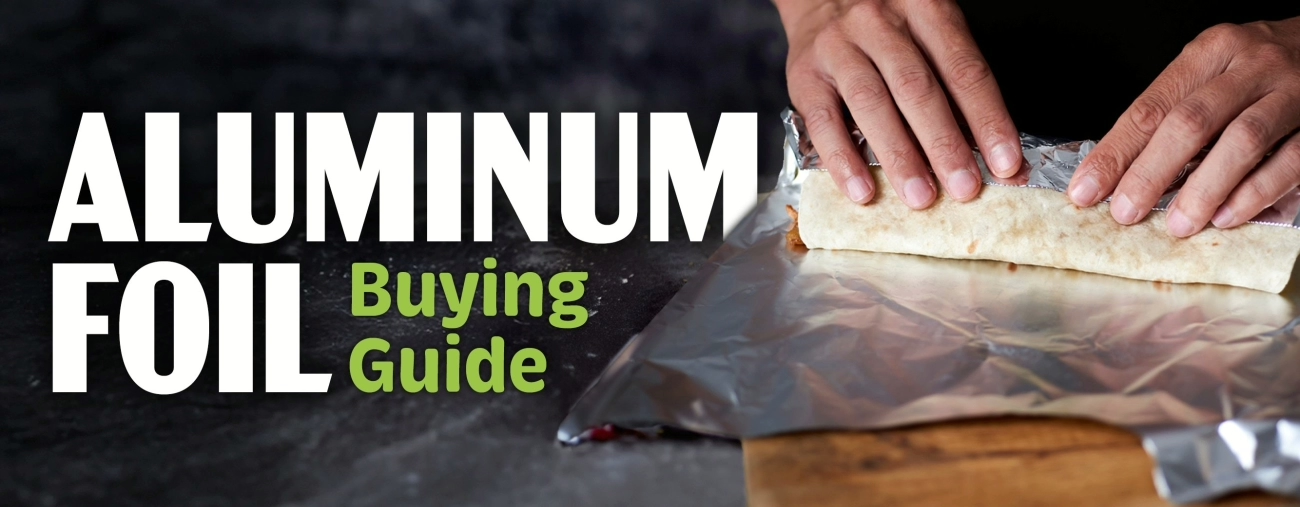
When choosing aluminum foil, it’s important to know the different types available, as each serves a specific purpose depending on your cooking or storage needs. Here’s an easy guide to help you understand the main varieties and what sets them apart.
Regular vs Heavy Duty Aluminum Foil
- Regular foil is thinner, usually about 0.016mm thick, and perfect for everyday tasks like wrapping sandwiches, covering dishes, or lining baking trays.
- Heavy duty foil is thicker and stronger, roughly twice the thickness of regular foil. This type is ideal for grilling, roasting, and tasks that require extra durability. It’s less prone to tearing and can handle higher cooking temperatures.
Specialty Aluminum Foils
There are a few specialty foils designed for specific uses:
- Non-stick foil comes with a special coating that prevents food from sticking, making it great for baking or cooking sticky meals without extra oils.
- Embossed foil features a textured surface that increases strength and reduces slippage, handy when wrapping irregularly shaped foods.
- Coloured foil is often used for decorative purposes or packaging, although it functions the same way as standard foil in terms of protection.
Thickness and Sizing Explained
- Thickness is measured in microns or millimetres, with thinner foils offering more flexibility and thicker foils providing strength and heat resistance.
- Sizing varies from small household rolls to larger sheets for professional kitchens. Consider the size based on your typical usage to avoid waste.
Knowing these types helps when buying foil for cooking, storage, or grilling, ensuring you get the right balance between durability, size, and special features. For more detailed information on how aluminum foil is made and its environmental impact, check out How Aluminum Foil Is Manufactured and How Recyclable Is Aluminum Foil.
Environmental and Health Considerations of Aluminum Foil
Recyclability of Aluminum Foil
Aluminum foil is fully recyclable, which is a huge plus for anyone concerned about waste. Unlike some materials, foil can be melted down and reused multiple times without losing quality. However, it needs to be clean and free from food residues to be accepted by most local recycling programmes in the UK. So, a quick rinse before recycling helps maintain good recycling standards and reduces contamination.
Environmental Impact of Aluminum Foil Production
While aluminium foil is recyclable, its production does have an environmental footprint. The process starts with bauxite mining, which can lead to habitat disruption and energy consumption during refining and smelting. The overall carbon footprint is higher compared to other packaging materials like paper wraps. That said, many manufacturers, including brands like Artfullife, are now focusing on using recycled aluminium and improving energy efficiency to lower environmental impact.
Health Safety When Using Aluminum Foil with Food
When it comes to health, food grade aluminum foil is safe to use, provided it meets the proper purity and safety standards observed in the UK. The foil is made from highly pure aluminium (typically above 99 per cent) and undergoes strict quality checks. Some concerns exist about aluminium leaching into food, especially with acidic or salty foods, but studies show that the amount is minimal and well within safe limits for daily consumption.
Tips to reduce any risk:
- Avoid wrapping very acidic foods for long periods.
- Don’t use foil in direct contact with high-salt marinades for extended times.
- Use parchment paper as a barrier when in doubt.
By maintaining these simple precautions, aluminium foil remains a reliable and safe option for cooking, grilling, and food storage, widely trusted across households in the UK.
How to Choose the Right Aluminum Foil for Your Needs
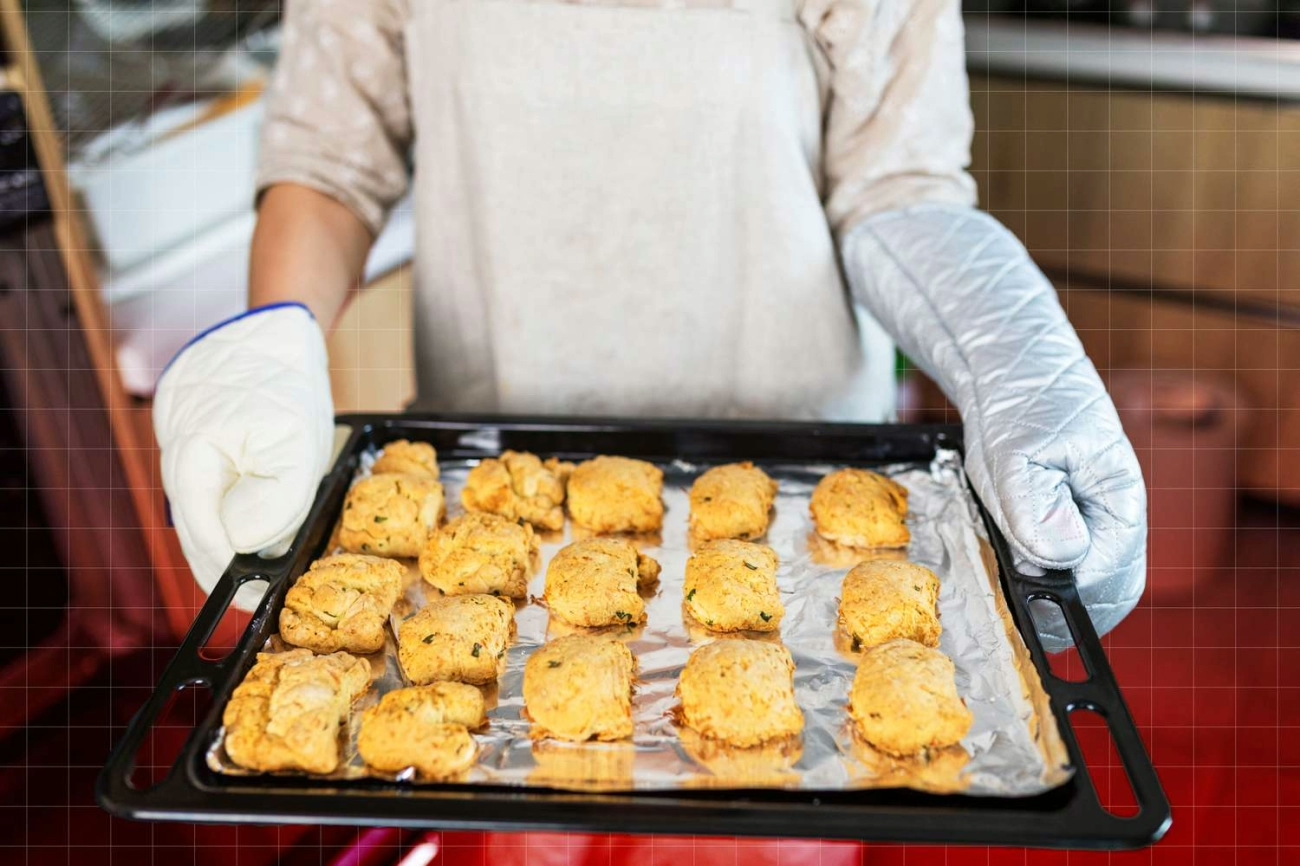
Choosing the right aluminum foil can make a big difference in how well your food cooks, stores, or grills. At Artfullife, our range covers everything from light kitchen wraps to heavy duty foils designed for tough grilling sessions. Here’s how to pick the best one for your specific needs.
Consider Your Intended Use
- Cooking: For general cooking and lighter oven use, standard foil is perfect. It’s thin, flexible, and easy to handle. Look for food grade aluminum foil that offers good heat conductivity and safe contact with food.
- Storage: If you’re wrapping leftovers or storing food for a few days, a softer, thinner foil that seals tightly works best. It’s great for keeping moisture in and preventing freezer burn.
- Grilling: Heavy duty aluminium foil is essential here. It’s thicker, tear-resistant, and can withstand high heat and flames without falling apart or sticking to food.
Thickness and Strength Matter
- Regular foil is usually around 0.016 mm thick.
- Heavy duty foil can be twice that thickness or more.
- Pick a thicker foil for tougher tasks like lining trays or wrapping large cuts of meat.
Specialty Foils for Specific Tasks
- Non-stick foil is excellent for cooking delicate items like fish or baking cakes, preventing food from sticking.
- Embossed foil adds strength and grip, useful for grilling or freezing.
- Some foils come in coloured or patterned varieties, which can be handy for organising food types or meal prep.
Other Key Factors
- Food safety standards: Always confirm the foil meets British and EU food purity standards, which Artfullife guarantees.
- Recyclability: Look for foils that are recyclable to minimise your environmental footprint.
- Packaging size: Choose a roll size that fits your kitchen needs to avoid waste.
By keeping these points in mind and exploring Artfullife’s trusted range of food grade aluminum foil, you can easily find a safe, high-quality foil that fits exactly what you need—whether it’s for everyday cooking, efficient food storage, or serious BBQ grilling.
Why Choose Artfullife Food Grade Aluminum Foil
When it comes to buying food grade aluminum foil, trust and quality matter most. Artfullife stands out as a reliable supplier offering premium products designed for everyday UK kitchens, whether for cooking, storage, or grilling.
Brand Reliability and Quality Assurance
Artfullife has built a strong reputation by delivering aluminium foil that meets strict quality controls. Their foil undergoes rigorous testing to ensure it maintains aluminium foil purity standards and performs consistently in the home. This means you get a product that is durable, flexible, and safe to use without worrying about tearing or contamination.
Compliance with Food Safety Standards
All Artfullife aluminum foil products fully comply with UK and European food grade aluminium foil safety regulations. They use high-purity aluminium and follow strict surface treatment processes so the foil is safe for direct contact with food. This adherence to safety guidelines gives peace of mind when wrapping meals or cooking in foil.
Customer Testimonials and Industry Trust
Many UK customers and food professionals recommend Artfullife foil for its dependable performance and quality. Positive reviews often highlight:
- Excellent durability for cooking and grilling
- Consistent thickness helping with portion control and storage
- No metallic taste or transfer to food thanks to high aluminium purity
By choosing Artfullife, you’re opting for a product backed by solid customer trust and proven industry standards — ideal for a busy British household or food business looking to meet high standards without compromise.