













Are you wondering what plastic wrap is made of and whether it’s safe for your food or the planet? Choosing the right food wrap can make a big difference in keeping your meals fresh while staying eco-conscious.
As someone passionate about sustainable kitchen solutions, I’ve dug deep into the science and stories behind plastic wrap materials. At Artfullife, we’re committed to helping you make informed choices for a greener lifestyle.
In this guide, you’ll uncover the materials in plastic wrap, their safety and environmental impact, and eco-friendly alternatives that fit your daily needs. Let’s dive into the sticky world of cling film and find better ways to wrap up your leftovers!
What is Plastic Wrap
Plastic wrap, also known as cling film or cling wrap, is a thin, flexible plastic film used primarily to cover and seal food items. Its main purpose is to keep food fresh by preventing air exposure, moisture loss, and contamination. You’ve likely used plastic wrap to cover leftovers, seal sandwiches, or wrap fruits and vegetables to preserve their freshness.
The history of plastic wrap dates back to the late 1930s when scientists first developed polyethylene film. However, it wasn’t until the 1950s that plastic wrap became widely popular in kitchens across the world. Early versions were made from PVC (polyvinyl chloride), which offered excellent clinginess, making it easy to wrap items tightly. Since then, plastic wrap has evolved with newer materials and manufacturing techniques to improve safety, stretchiness, and environmental impact.
Whether for everyday household use or commercial food packaging, plastic wrap remains a go-to solution for keeping food fresh and reducing waste.
Common Materials Used in Plastic Wrap

Plastic wrap, also known as cling film, is made from several key materials, each with its own properties, benefits, and concerns.
Polyvinyl Chloride (PVC)
PVC is one of the most common materials used for plastic wrap. It’s stretchy, sticks well to surfaces, and provides a tight seal to keep food fresh. However, PVC often contains plasticizers like phthalates, which can sometimes leach into food, especially when heated. Because of this, there are some health concerns around using PVC wrap for long-term food storage or microwave use.
Low-Density Polyethylene (LDPE)
LDPE is a safer alternative frequently used in plastic wraps. It’s less sticky than PVC but is flexible, durable, and clear. It’s widely used because it doesn’t typically contain harmful chemicals and handles freezing and refrigerator storage well. LDPE wraps tend to be more environmentally friendly and safer for everyday kitchen use.
Polyvinylidene Chloride (PVDC)
PVDC-based wraps, like the brand Saran wrap, are known for being excellent barriers against oxygen and moisture, which keeps food fresher longer. However, PVDC is harder to recycle and may release harmful compounds when heated. Because of this, there are environmental and safety concerns similar to those with PVC.
Other Materials
There are newer or less common materials used for plastic wrap alternatives, including:
- Polyolefin (POF): A plastic that’s safer than PVC, with good clarity and cling, often used in eco-friendlier wraps.
- Polylactic Acid (PLA): A biodegradable material made from corn starch that’s gaining popularity for compostable wraps.
- Cellophane: Made from cellulose, it’s biodegradable and eco-friendly but less stretchy and not very common for plastic wrap.
Each material has trade-offs in terms of safety, environmental impact, and performance. When choosing plastic wrap, it helps to know what it’s made of to pick the right option for your needs.
Manufacturing Process of Plastic Wrap
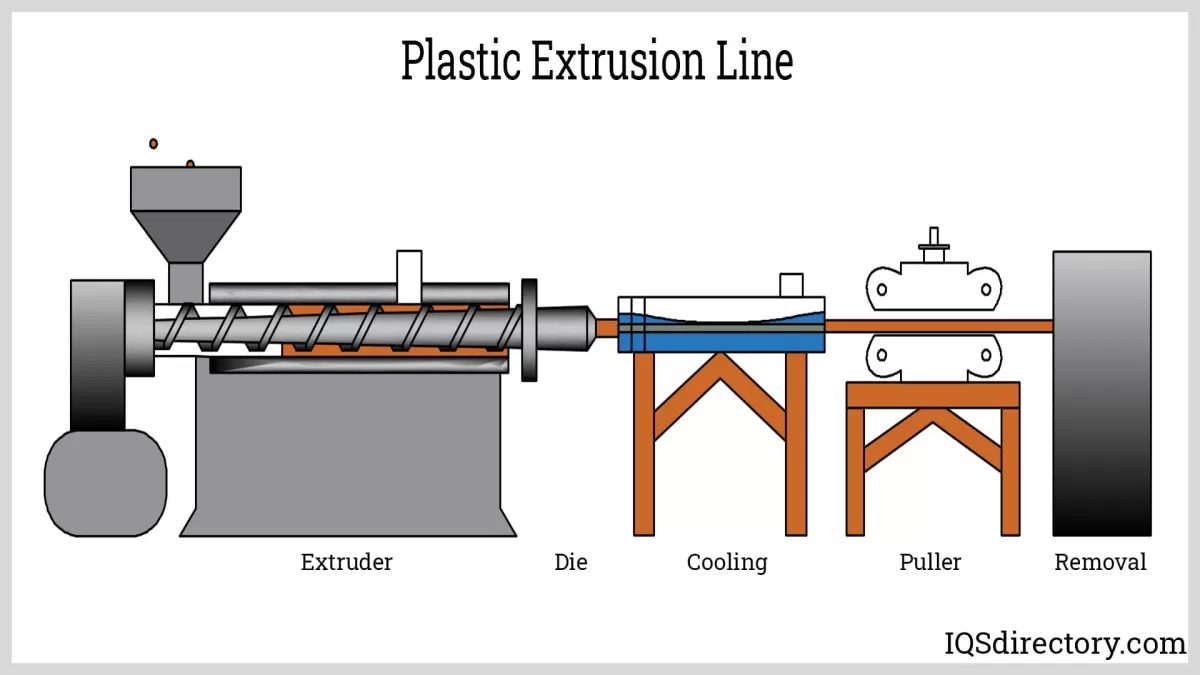
Plastic wrap is typically made using an extrusion process, which shapes melted plastic into thin, flexible films. It all starts with polymerization, where raw materials like PVC or LDPE are turned into long chains called polymers. These polymers are then heated and pushed through a flat die in the extrusion machine, forming a thin sheet.
Once the plastic film is extruded, it’s quickly cooled to keep its shape and then rolled up. After cooling, the film is cut into various widths and lengths based on its intended use. Finally, it’s packaged and ready to ship to stores.
Many brands, including Artfullife, are now focusing on making this process more sustainable. This includes using recycled materials, reducing energy use during manufacturing, and exploring eco-friendly alternatives to traditional plastics to lower the environmental impact of plastic wrap.
Safety and Environmental Concerns
When it comes to plastic wrap safety, one big issue is plasticizer leaching. Plasticizers are additives that make wraps like PVC cling film more flexible. Over time, these chemicals can seep into food, especially fatty or heated items, raising health concerns. That’s why the FDA regulates what materials and additives can be used in food wraps to limit risks, ensuring products meet safety standards.
On the environmental side, plastic wrap creates real challenges. Most traditional wraps, especially those made from PVC and PVDC, are hard to recycle. They often end up in landfills or as litter, breaking down into microplastics that pollute water and soil. This poses long-term risks to the ecosystem and human health.
Artfullife steps up with greener alternatives. Their eco-friendly food wrap options focus on safer materials that reduce plasticizer use and improve recyclability. Choosing wraps from brands like Artfullife supports more sustainable food storage and helps cut down on plastic waste without sacrificing convenience.
Alternatives to Traditional Plastic Wrap
If you’re looking to cut down on plastic use, there are plenty of alternatives to traditional plastic wrap that work well in everyday kitchens.
Reusable Options
- Beeswax wraps: These are made from cotton infused with beeswax, jojoba oil, and tree resin. They’re naturally antibacterial, flexible, and great for wrapping sandwiches, fruits, and bowls.
- Silicone wraps: Stretchy and durable, silicone wraps create a tight seal over containers and leftovers. They’re washable and built to last for years.
Biodegradable Options
- PLA-based wraps: Made from plant-based materials like cornstarch, these wraps break down more easily in composting conditions than regular plastic wrap.
- Compostable wraps: Often made from a mix of natural fibers and bioplastics, these options decompose faster in commercial composting facilities, reducing landfill waste.
Other Alternatives
- Wax paper: A simple, disposable choice that works well for wrapping food items and lining containers.
- Glass containers: Ideal for storing leftovers and meal prep, glass is reusable and doesn’t leach chemicals.
- Silicone containers: Flexible, airtight, and reusable, silicone containers are a great plastic-free storage option.
Artfullife’s Eco-friendly Products
At Artfullife, we offer several sustainable food wrap alternatives designed for everyday use. Our products focus on reducing plastic waste while keeping your food fresh and safe. From beeswax wraps to compostable options, we help you make greener choices without compromising on convenience.
Switching to these alternatives not only helps the environment but also aligns with the growing demand among U.S. customers for safer, eco-friendly food storage options.
How to Choose the Right Plastic Wrap or Alternative
Picking the right plastic wrap or alternative depends on a few key factors:
- Safety: Look for wraps that don’t contain harmful chemicals like certain plasticizers. FDA-approved options are best for food use.
- Purpose: Consider what you’re wrapping—leftovers, produce, or something freezer-bound. Some wraps work better in cold, others cling tighter for short-term storage.
- Environmental Impact: Choose eco-friendly wraps if you want to reduce waste. Biodegradable or reusable options can cut down landfill loads.
Tips for Using Plastic Wrap Safely and Effectively
- Avoid using plastic wrap near heat or in the microwave unless it specifically says it’s microwave-safe.
- Try not to layer multiple wraps; one good layer usually does the job and reduces plastic use.
- For freezer storage, pick wraps designed to prevent freezer burn like thicker LDPE-based wraps.
Artfullife’s Sustainable Wrap Recommendations
At Artfullife, we suggest choosing wraps that balance safety and sustainability—think biodegradable PLA wraps or reusable beeswax and silicone wraps. These options are great for everyday kitchen use while helping you cut down plastic waste. Going green doesn’t mean losing convenience or quality in your food storage.