

















Are you wondering how to keep your food fresh longer and reduce waste at home? Aluminum foil for food freshness might be your simple but powerful solution. While many storage options exist, aluminum foil stands out for its unique ability to lock in moisture and block out oxygen, helping your fruits, veggies, and leftovers stay delicious for days.
In this post, you’ll discover why choosing the right storage method matters and exactly how aluminum foil can make a real difference in preserving your food’s flavor and nutrients. Plus, we’ll explore smart tips, safety details, and the eco-friendly angle behind using foil responsibly—perfect for anyone looking to combine freshness with sustainability.
Ready to elevate your food storage game? Let’s dive into everything you need to know about aluminum foil for food freshness, brought to you by Ecoartfullife—your go-to for mindful, eco-conscious kitchen solutions.
Food Freshness and Preservation with Aluminum Foil
Keeping food fresh longer is something we all want, but what causes food to lose freshness? The main culprits are moisture loss, oxidation, and microbial growth. When food dries out, it loses texture and flavor. Oxidation causes spoilage and discoloration, while microbes like bacteria and mold lead to food safety issues.
Why Choosing the Right Food Storage Method Matters
How you store your food plays a huge role in slowing down these processes. Proper storage helps preserve flavor, texture, and safety, reducing waste and saving money. Using the right material creates a better barrier against moisture, air, and light, which all contribute to food spoilage.
Common Food Preservation Materials
Here’s a quick overview of popular food storage options and how they compare:
-
Plastic wrap
- Lightweight and flexible
- Creates a moderate moisture barrier but allows some air through
- Not always the best for long-term preservation or sustainability
-
Glass containers
- Reusable and airtight with good protection from oxygen and moisture
- Great for leftovers and meal prep but less flexible in shape
- Heavier and breakable
-
Aluminum foil
- Excellent barrier against light, oxygen, and moisture
- Conforms tightly to food shapes, sealing out air
- Lightweight, heat resistant, and recyclable
Selecting the right storage method is key to maintaining food freshness and preventing spoilage. Among these options, aluminum foil stands out for its unique ability to protect food from multiple freshness killers all at once.
How Aluminum Foil Helps Preserve Food Freshness with Effective Storage Benefits
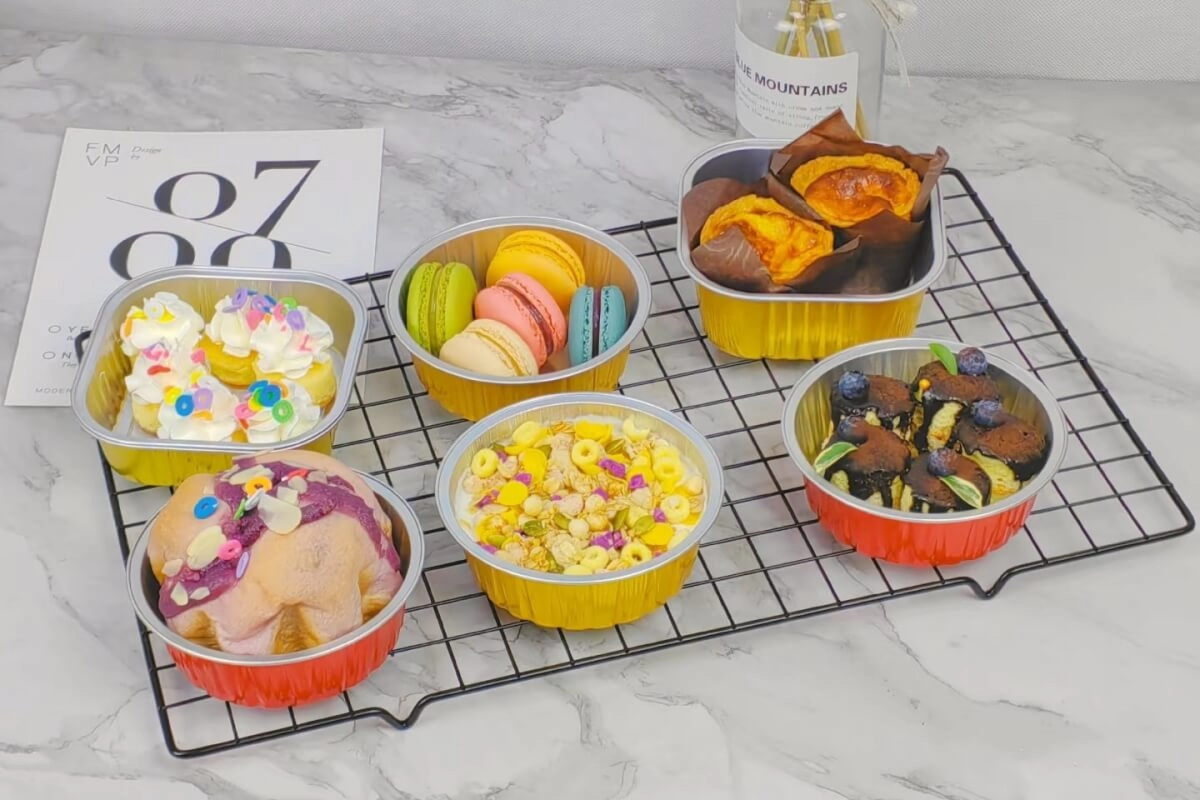
Aluminum foil is a trusted choice in the U.S. kitchen for keeping food fresh longer. Its unique physical properties make it highly effective at preserving freshness by acting as a strong barrier against the main culprits that cause food spoilage: light, oxygen, and moisture.
Barrier to Light Oxygen and Moisture
One of the biggest reasons food loses freshness is exposure to oxygen and moisture, which leads to drying out, oxidation, and faster microbial growth. Aluminum foil blocks light completely, which helps prevent nutrient loss and color fading in foods like fruits and vegetables. Its dense structure also seals out oxygen and moisture, reducing spoilage and keeping textures and flavors intact.
Heat Retention and Even Heat Distribution
Aluminum foil doesn’t just protect food; it’s great for heat retention and distribution. When reheating leftovers or cooking baked goods, foil helps food stay moist without drying out. This makes it a better wrapping material compared to some plastics that may trap steam and cause sogginess or degrade under heat.
Aluminum Foil Compared to Other Food Storage Options
Compared to plastic wrap and glass containers, aluminum foil offers several advantages for freshness:
- Better oxygen and moisture barrier than most plastics
- Completely opaque, unlike clear plastic wrap, so it blocks light well
- More flexible and molds easily to different shapes for tight seals
- Lightweight and stackable, making storage simpler
While glass containers are reusable and non-reactive, they are bulkier and don’t always create a tight seal without lids. Plastic wrap can be convenient but often lets in moisture and air, reducing freshness faster.
Real-World Examples of Aluminum Foil Use
Using aluminum foil to wrap fruits, vegetables, baked goods, and leftovers is common in American households. For example:
- Wrapping cut fruits like apples and oranges in foil slows browning and moisture loss.
- Covering baked items like bread or pastries keeps crusts from getting stale.
- Wrapping roasted vegetables helps retain heat and texture during storage and reheating.
- Leftovers sealed in foil maintain moisture better than plastic wrap, making meals taste fresher when reheated.
Overall, aluminum foil’s strong barrier properties combined with its heat-handling make it a reliable go-to for preserving food freshness in everyday U.S. kitchens.
Best Practices for Using Aluminum Foil for Food Freshness
How to Wrap Different Foods Properly
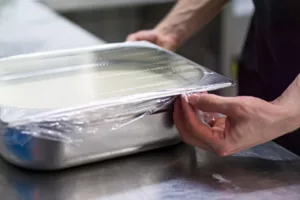
Using aluminum foil the right way can make a big difference in preserving food freshness. Here’s how to wrap various types of food for the best results:
- Fruits and Vegetables: Wrap loosely if they’re washed and dried. This allows some airflow but limits moisture loss. For cut fruits or veggies, wrap tightly to slow oxidation.
- Baked Goods: Wrap completely to keep moisture in and prevent them from drying out.
- Leftovers and Meats: Use a tight seal to block air and moisture, which helps prevent spoilage and freezer burn.
Tips on Sealing Layering and Storing Wrapped Food
- Double wrap when needed: For extra protection, especially in the freezer, use two layers of foil.
- Seal edges firmly: Fold edges tightly to block out air and moisture — this helps stop odors from spreading and keeps food fresher longer.
- Label wrapped foods: Write the date on the foil to track how long it’s been stored.
- Store wrapped food flat: This prevents punctures and keeps the seal intact.
Combining Aluminum Foil with Refrigeration and Freezing
Aluminum foil works best when paired with proper temperature control:
- Refrigeration: Wrap food and place it in the fridge to slow microbial growth and maintain moisture.
- Freezing: Use foil as a barrier to prevent freezer burn—just make sure the wrap is tight and no air pockets remain.
- For extra protection in the freezer, consider using foil over plastic wrap or placing wrapped items inside a freezer-safe bag.
Avoiding Common Mistakes With Aluminum Foil
- Don’t puncture the foil: Small holes let air and moisture in, speeding up spoilage.
- Avoid improper sealing: Loose edges allow odors and moisture to escape or get in.
- Be cautious wrapping acidic or spicy foods: These can react with foil over time. If storing such foods, consider an extra barrier like parchment paper or plastic wrap underneath.
- Avoid reusing foil for raw meats: It’s safer to use fresh foil to prevent cross-contamination.
Following these best practices ensures aluminum foil lives up to its food storage benefits, keeping your food fresher longer while making your kitchen routine easier and more effective.
Health and Safety Considerations for Aluminum Foil Food Storage
When it comes to aluminum foil for food freshness, many people wonder about its safety and how it interacts with different foods. Let’s break down the key points you should know to use aluminum foil safely and effectively.
Is Aluminum Foil Safe for Storing Food
In general, aluminum foil is safe for storing most foods. It works well to keep moisture, oxygen, and light out, which helps reduce spoilage and maintain freshness. The FDA has approved aluminum foil as a food contact material, so using it in your kitchen is widely accepted.
That said, small amounts of aluminum can transfer to food—especially when storing foods for a long time. The good news is that typical use, like wrapping leftovers or covering dishes, usually doesn’t cause any health issues. Just avoid prolonged contact with certain types of food.
Usage Concerns With Acidic or Spicy Foods
Acidic or highly spicy foods like tomatoes, citrus, vinegar-based dressings, or hot sauces can react with aluminum foil. This reaction can cause the foil to break down slightly and leave a metallic taste or tiny aluminum particles on the food.
To stay safe:
- For acidic or spicy foods, consider wrapping them in parchment paper first, then cover with aluminum foil.
- Use glass containers or plastic wraps for long-term storage of these food types.
- Avoid cooking highly acidic foods directly in aluminum foil.
Cooking With Aluminum Foil vs Storage What to Keep in Mind
When cooking, aluminum foil’s heat retention and distribution benefits shine, but there are a few safety tips:
- Don’t use aluminum foil in microwave ovens; it can cause sparks and damage.
- For oven cooking, avoid wrapping food too tightly as steam buildup might cause foil to tear.
- When broiling or grilling, avoid direct foil contact with acidic marinades to reduce chemical reactions.
- For storage, ensure foil is sealed properly without punctures to maintain freshness and avoid contamination.
of Safe Food Wrapping Practices
- Use aluminum foil for most dry, neutral foods and general leftovers.
- Avoid wrapping highly acidic or spicy foods directly in foil for extended periods.
- Consider combining foil with other storage methods like glass containers.
- Always store foil-wrapped food in the fridge or freezer for best freshness and safety.
Following these guidelines will help you get the best out of aluminum foil’s food storage benefits without health concerns.
Eco Friendly Aspects of Aluminum Foil Use for Food Freshness
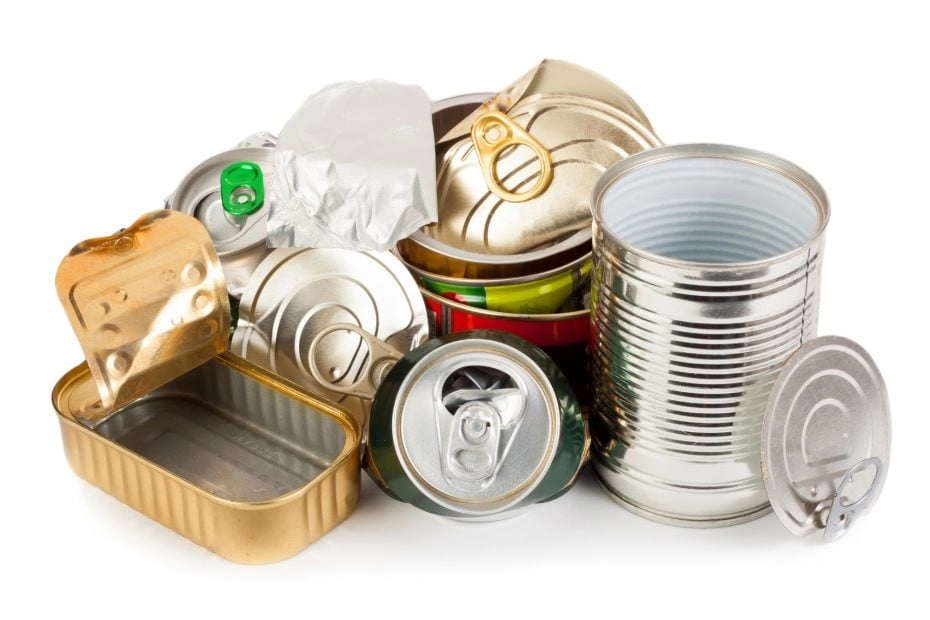
When thinking about aluminum foil food storage benefits, it’s important to look beyond convenience and freshness. Aluminum foil is fully recyclable, which sets it apart from plastic wraps and many other single-use food storage options that often end up in landfills. Recycling aluminum foil saves energy and reduces the environmental impact compared to producing new aluminum from raw materials.
Aluminum Foil Recycling and Environmental Impact
- Aluminum foil can be recycled repeatedly without losing quality, but it must be clean and free of food residue.
- Proper recycling significantly cuts down waste and reduces greenhouse gas emissions.
- Leftover foil scraps and small pieces can be collected, balled up, and recycled with other aluminum products.
- Reducing plastic use by opting for aluminum foil can lower your household’s plastic footprint and help prevent microplastic pollution.
Ecoartfullife Approach to Sustainable Food Storage Solutions
Ecoartfullife promotes not just recyclability but a full-cycle approach to sustainable kitchen storage:
- Use aluminum foil wisely and only when it makes sense, avoiding waste.
- Combine aluminum foil with reusable containers or storage systems to cut down on overall plastic waste.
- Choose products designed for durability and recyclability, aligning with Ecoartfullife’s ethos.
- Support brands that prioritize environmentally responsible manufacturing and packaging.
Tips for Environmentally Responsible Use of Aluminum Foil
To keep your use of aluminum foil eco-friendly while maximizing food freshness, keep these tips in mind:
- Clean foil before recycling to avoid contamination.
- Use foil for wrapping foods that benefit most from its barrier properties, like meats and baked goods, to reduce spoilage and waste.
- When possible, reuse aluminum foil for multiple storage cycles, especially when lightly soiled.
- Combine foil wrapping with glass containers or silicone lids for a more sustainable storage combo.
Alternatives and Complementary Products from Ecoartfullife
If you want to reduce aluminum foil use further, Ecoartfullife offers alternatives and complements:
- Beeswax wraps for fruits and veggies, a natural, reusable option.
- Glass containers with airtight lids to lock in freshness without disposable waste.
- Silicone caps and stretch lids that fit over bowls and plates, perfect for leftovers.
- Sustainable kitchen tools designed to extend food life while minimizing environmental impact.
By combining these alternatives with responsible aluminum foil use, you can balance food freshness and eco-friendly kitchen habits effectively.
Frequently Asked Questions About Aluminum Foil for Food Freshness
How Long Can I Keep Food Fresh with Aluminum Foil
Aluminum foil can keep food fresh for several days to a few weeks, depending on the type of food and storage conditions. For example:
- Leftovers and cooked meals: Generally stay fresh for 3-4 days in the fridge when wrapped tightly.
- Fresh fruits and vegetables: Can last about 1 week if wrapped well and stored properly.
- Frozen foods: Can be stored for months if sealed correctly to prevent freezer burn.
Keep in mind, combining foil wrap with refrigeration or freezing extends the freshness significantly.
Can I Reuse Aluminum Foil for Food Storage
You can reuse aluminum foil if it’s clean, not torn, and free of food residue or odors. Reusing is a good way to reduce waste, but damaged or greasy foil won’t protect food as well.
Tips for reusing foil:
- Gently wipe off any crumbs or moisture.
- Avoid reusing foil that has been in contact with raw meat or sticky substances.
- Store reused foil flat for easier wrapping next time.
Is Aluminum Foil Better Than Plastic Wrap for Freshness and Sustainability
Aluminum foil often outperforms plastic wrap in keeping food fresh because it blocks light, moisture, and oxygen better. This creates a stronger barrier against spoilage.
From a sustainability standpoint:
- Foil is recyclable in many local programs, while plastic wraps typically aren’t.
- Foil can be reused and recycled, reducing environmental impact when used properly.
- However, producing foil is energy-intensive, so reuse and recycling are key.
Plastic wrap is lighter and doesn’t tear easily, but foil is generally better for long-term storage and freshness.
Can Aluminum Foil Prevent Freezer Burn
Yes, aluminum foil is an excellent option for preventing freezer burn when used properly. Wrapping food tightly in foil minimizes exposure to air and moisture, which cause freezer burn.
To maximize protection from freezer burn:
- Use heavy-duty foil for freezing.
- Wrap food tightly with no gaps.
- Combine foil with a freezer-safe bag or container if possible.
What Foods Should Not Be Wrapped in Aluminum Foil
Some foods are better off not wrapped in foil due to potential reactions or changes in taste:
- Acidic foods like tomatoes, citrus fruits, and vinegar-based items: Can react with foil, giving off a metallic taste and causing foil to break down.
- Salty or spicy foods: May also interact with foil and cause corrosion.
- Soft cheeses and very moist foods: May stick to the foil and tear it, reducing its effectiveness.
For these, consider using plastic wrap, glass containers, or wax paper for better results and to avoid any health or taste issues.
Using aluminum foil properly is a simple, effective way to improve your food storage game, extend freshness, and even help reduce waste—especially when combined with smart refrigeration and freezing habits.