

















Are you looking for a simple yet powerful way to keep your food fresh longer? Aluminum foil for food preservation might just be the game-changer you need in your kitchen. Whether you’re storing leftovers, wrapping fresh produce, or prepping meals ahead of time, aluminum foil offers an easy, effective solution that many overlook.
In this guide, we’ll uncover why aluminum foil is a go-to choice for preserving food, how it works to prevent spoilage and freezer burn, and smart tips to get the most out of every roll. Plus, if you’re shopping locally, you’ll discover why Artfullife’s high-quality aluminum foil is the best pick for your pantry.
Ready to master the art of food preservation with aluminum foil? Let’s get started!
What Is Aluminum Foil and How It Helps Preserve Food
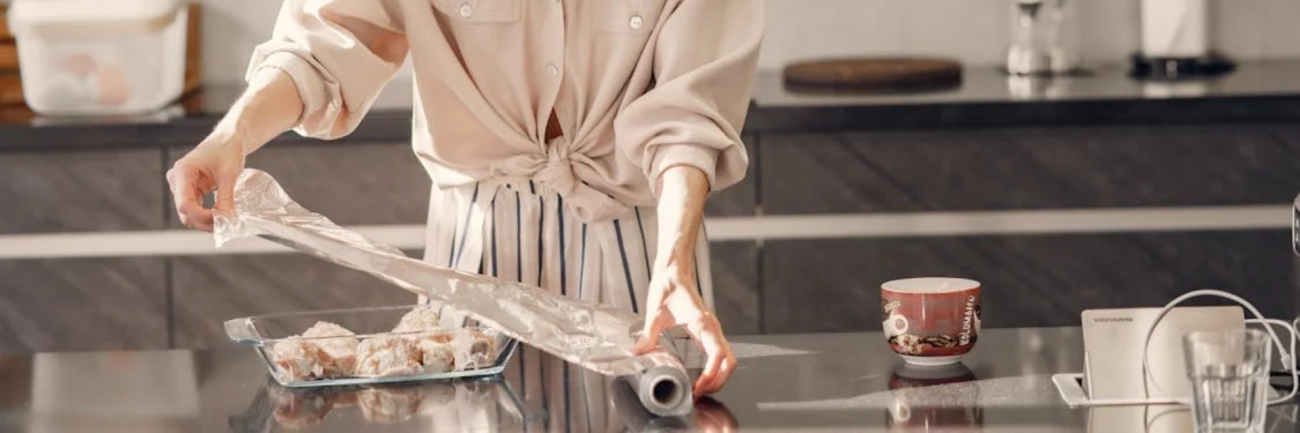
Aluminum foil is a thin sheet of metal made from aluminum, widely used in kitchens for food preservation. Its unique barrier properties make it an effective tool for storing food safely. The foil blocks out light, oxygen, and moisture, which are the main culprits behind food spoilage.
How Aluminum Foil Protects Food
- Blocks light: Exposure to light can cause food to degrade, lose nutrients, or develop off flavors. Aluminum foil creates a complete shield against harmful light.
- Blocks oxygen: Oxygen speeds up oxidation, which leads to food turning stale or rancid. By keeping oxygen out, aluminum foil slows down this process, extending freshness.
- Blocks moisture: Moisture promotes mold growth and freezer burn on stored foods. The foil’s moisture barrier stops water vapor from entering or escaping, preventing these issues.
The Science Behind Food Preservation With Aluminum Foil
When you wrap food in aluminum foil, you create an almost airtight seal that limits the contact between food and the outside environment. This barrier effect reduces the growth of bacteria and other microbes responsible for contamination. It also prevents freezer burn—a common problem when frozen foods are exposed to air and moisture—by protecting against ice crystal formation.
In short, aluminum foil acts like a protective shield that slows down the natural processes leading to food spoilage. This keeps your leftovers, fresh produce, and cooked meals fresher for longer, making it an essential food preservation method at home.
Key Benefits of Using Aluminum Foil for Food Preservation
Using aluminum foil for food preservation offers several practical benefits that make it a smart choice for everyday use in U.S. households.
Extends Shelf Life by Reducing Air and Moisture Exposure
One of the biggest perks is how well aluminum foil seals out air and moisture. This barrier slows down the process of food spoiling by preventing freezer burn, mold growth, and bacterial contamination. Foods stay fresher longer because oxygen and water vapor can’t easily reach the wrapped items.
Suitable for a Wide Variety of Foods
Aluminum foil works great with many types of food, making it a versatile storage option. You can use it for:
- Leftovers like pasta, casseroles, or grilled veggies
- Fresh produce such as cut fruits and leafy greens
- Baked goods like bread, pies, or cookies
- Meats and seafood, whether raw or cooked
This flexibility means you don’t have to buy different wraps or containers for different foods, simplifying your food preservation routine.
Heat Retention and Oven Safe for Cooking and Reheating
Another major benefit is that aluminum foil is oven safe, so it’s perfect for cooking, reheating, and keeping food warm. It holds heat well, helping maintain moisture inside dishes while preventing drying out. This saves time and cuts down on extra dishes, making it ideal for busy households or meal prepping.
Environmentally Friendly and Recyclable Options
Many aluminum foil products today are recyclable, which is an important factor for eco-conscious consumers. Choosing recyclable aluminum foil helps reduce landfill waste compared to single-use plastics. Some brands even offer foil made from recycled materials and packaging designed to be more sustainable, aligning with growing environmental awareness in the U.S. market.
Using aluminum foil for preserving food brings together food safety, versatility, convenience, and eco-friendliness, making it a top pick for preserving freshness and flavor at home.
How to Use Aluminum Foil Effectively for Food Preservation
Using aluminum foil correctly makes a big difference in keeping your food fresh longer. Here’s how to wrap, store, and protect your meals to get the most out of aluminum foil for food preservation.
Proper Wrapping Techniques to Create Airtight Seals
- Wrap food tightly with aluminum foil to minimize air exposure. Loose wrapping lets in oxygen and moisture, causing spoilage and freezer burn.
- When wrapping, fold edges carefully and press firmly to create a strong seal. Double-fold edges if needed.
- For odd-shaped items, shape the foil around the food snugly to avoid gaps.
- Use smooth foil sides for wrapping; a shiny side usually reflects heat better, but both sides work well for preservation.
Combining Aluminum Foil with Plastic Wrap or Freezer Bags for Extra Protection
- For longer-lasting storage, wrap food first in plastic wrap, then cover with foil. This layered method blocks both moisture and air effectively.
- Use freezer bags along with aluminum foil for meats and seafood to prevent leaks and strong odors in the freezer.
- This combo helps prevent freezer burn and keeps flavors intact, especially for items stored over a month.
Best Practices for Labeling and Date Marking Wrapped Foods
- Always label your wrapped food with the item name and date using a permanent marker or sticker before storing.
- This tip is crucial when using foil, as it can obscure the content.
- Keep a small notepad or whiteboard in your pantry or fridge for quick reference of stored dates and contents.
Tips for Preserving Different Types of Foods with Aluminum Foil
Fresh Fruits and Vegetables
- Wrap fruits like apples or pears loosely to avoid moisture buildup that causes mold.
- For cut veggies, wrap tightly and refrigerate to lock in moisture and prevent drying out.
- Avoid wrapping highly acidic produce (like tomatoes) in foil for long periods—use plastic wrap instead.
Meats and Seafood
- Use thick-quality foil to wrap raw meat or seafood to prevent leaks.
- Combine foil with freezer bags for extra protection against freezer burn.
- For cooked meats, wrap tightly and keep in the fridge or freezer, using date labels to track freshness.
Baked Goods and Leftovers
- Wrap baked goods like bread or pastries loosely to maintain texture but protect from drying out.
- For leftovers, cover dishes completely, fold foil over the edges firmly, and refrigerate promptly.
- Avoid over-wrapping foods with high moisture content; this can trap condensation and affect texture.
Using these simple but effective aluminum foil food storage tips will help you extend your food’s freshness, limit waste, and make your kitchen routine more efficient. When paired with proper labeling and combining materials as needed, you’ll be able to preserve a variety of foods safely and conveniently.
Is Aluminum Foil Safe for Food Storage
When it comes to aluminum foil for food storage, safety is a common concern, especially around the idea that aluminum can leach into food. Let’s break down what the facts say and how you can safely use foil in your kitchen.
Aluminum Leaching Concerns Explained
Some worry that aluminum foil releases aluminum particles into food, which might pose health risks. Research shows that small amounts of aluminum can transfer to food, mainly when cooking or storing highly acidic or salty foods (like tomato sauce or citrus). However, the amount is generally very low and considered safe by health authorities such as the FDA and WHO.
To manage this risk:
- Avoid direct contact with acidic or salty foods for long periods
- Use foil more for wrapping and short-term storage rather than long-term marinating in foil
Foods to Avoid Wrapping in Aluminum Foil
For the best food safety practices, steer clear of wrapping these in foil for extended periods:
- Acidic foods: tomato-based dishes, lemons, vinegar-rich marinades
- Salty foods: brined meats, heavily salted fish
- Long-term storage items: If freezing or refrigerating for weeks, use freezer bags or plastic wrap underneath foil
Using these tips helps reduce any chance of unwanted aluminum transfer while preserving your food effectively.
Health Guidelines and Trusted Advice
Organizations like the U.S. Food and Drug Administration (FDA) and National Institutes of Health (NIH) confirm that aluminum foil is safe for everyday food use when applied correctly. The key is to avoid prolonged foil contact with acidic foods and not to overheat foil-wrapped items at extremely high temperatures for extended times.
If you want extra safety, lining foil with parchment paper or combining it with plastic wrap can add protection against direct food contact.
In , aluminum foil is a safe, reliable choice for food preservation as long as you follow basic guidelines about food types and storage times. These precautions help you enjoy the benefits of aluminum foil food storage without worries about safety or contamination.
Aluminum Foil vs Other Food Preservation Materials
When it comes to food preservation at home, we often juggle between different options like aluminum foil, plastic wrap, wax paper, silicone wraps, and other reusable alternatives. Understanding the pros and cons of each in terms of durability, environmental impact, and food safety helps you choose the best wrapping for your needs.
Comparison of Aluminum Foil and Other Food Wraps
| Material | Durability | Environmental Impact | Food Safety | Best Use Cases |
|---|---|---|---|---|
| Aluminum Foil | Strong and tear-resistant, excellent barrier against air, moisture, and light | Recyclable if clean; production has environmental costs but recyclable options exist | No chemical transfer when used properly; avoid acidic foods long-term | Great for meats, leftovers, freezer storage, oven cooking |
| Plastic Wrap | Flexible, seals tightly but prone to tearing and punctures | Mostly single-use; less eco-friendly unless biodegradable | Safe for most foods; risk of chemical leaching if heated | Best for quick refrigerator storage, covering bowls |
| Wax Paper | Moderate durability, water-resistant but not airtight | Biodegradable but often single-use | Safe, non-reactive surface | Ideal for wrapping baked goods, separating items |
| Silicone Wraps | Reusable and durable, stretchable, airtight seal | Environmentally friendly since reusable over hundreds of uses | Safe and non-toxic | Perfect for leftovers, fresh produce, and long-term fridge storage |
| Reusable Bags | Vary from plastic to fabric; generally durable | Reusable reduces waste significantly | Depends on material; usually safe | Best for bulk storage, produce, and sandwiches |
When to Choose Aluminum Foil Over Other Options
- For strong, reliable barrier protection: Aluminum foil blocks oxygen, moisture, and light better than plastic wrap or wax paper. This helps reduce food spoilage and prevent freezer burn.
- For oven and grill use: Foil can withstand high temperatures, ideal for cooking and reheating without the risk of melting or releasing chemicals (which plastic wrap may do).
- For long-term freezer storage: Aluminum foil paired with a plastic freezer bag provides double-layer protection, extending shelf life of meats and baked goods.
- When recyclability matters: Choose high-quality, recyclable aluminum foil to reduce waste. Unlike single-use wraps, foil can be recycled if clean and free of food residue.
When to Consider Other Materials
- Short-term storage and convenience: Plastic wrap or silicone wraps are easier and quicker to use for covering bowls or wrapping snacks.
- Eco-friendly reusable solutions: Silicone wraps and reusable bags cut down waste better than foil, especially for frequent food storage.
- Non-oven uses with delicate items: Wax paper and parchment can be better for wrapping baked goods or delicate items where foil might stick or cause tearing.
For more on different storage wraps, check out our guide on how to choose the best food cling film for your needs and learn when foil is the right choice.
aluminum foil stands out as a versatile, durable choice for food preservation, especially when you need a strong barrier and heat resistance. But for short-term or eco-friendly options, combining it with other materials or choosing reusable alternatives can be a smart move.
Choosing the Right Aluminum Foil for Food Preservation Why Artfullife Quality Matters
When it comes to aluminum foil for food preservation, not all foil is created equal. Using high-quality foil can make a big difference in how well your food stays fresh, how easy it is to handle, and how environmentally friendly the product is.
Characteristics of High-Quality Aluminum Foil
- Durability and Thickness: Good aluminum foil should be sturdy enough to prevent tears and holes, which protect your food from exposure to air, moisture, and freezer burn.
- Flexibility and Ease of Use: It should wrap snugly around different food shapes and containers without ripping.
- Barrier Protection: A high-quality foil blocks out light, oxygen, and odors effectively, extending food freshness.
- Food Safety: It should meet U.S. food safety standards, ensuring no harmful substances leach into your food during storage or cooking.
- Recyclability: Look for foil that is recyclable to reduce environmental impact.
Artfullife Aluminum Foil Product Offerings
Artfullife is a trusted supermarket supplier known for providing premium aluminum foil designed for effective food storage in U.S. households. Their foil stands out because of:
- Optimal Thickness Options: Available in standard and heavy-duty thicknesses to handle everything from everyday leftovers to grill and freezer needs.
- Generous Roll Lengths: Less frequent replacements mean more value and less waste.
- Recyclable Packaging: Artfullife focuses on eco-friendly packaging that supports recycling efforts, which is important for environmentally conscious consumers.
- Reliable Barrier Performance: Designed to keep foods like meats, baked goods, and fresh produce safe and fresh, locking in moisture and flavor.
Where to Purchase Artfullife Aluminum Foil Locally and Online
You can find Artfullife aluminum foil in major supermarkets across the U.S., including big-box stores and grocery chains. For convenience, Artfullife products are also available through popular online retailers like Amazon and Walmart, offering same-day or next-day delivery options in many areas.
- Buying locally means you can grab your foil during your usual grocery run.
- Online shopping provides easy access to bulk options, especially if you preserve food regularly.
What Customers Say About Artfullife Aluminum Foil
Many users share that Artfullife foil offers excellent value and performance, especially for freezing and reheating meals without losing moisture or flavor. Customers appreciate the heavy-duty option for wrapping meats and the ease of tearing from the roll without frustration. Environmental-conscious users highlight the recyclable packaging as a big plus.
choosing high-quality aluminum foil like Artfullife’s ensures your food stays fresher longer, wrapping is hassle-free, and you contribute less to landfill waste—making it a smart choice for U.S. households focused on safe, sustainable food preservation.
Frequently Asked Questions About Aluminum Foil for Food Preservation
Can Aluminum Foil Be Reused for Food Storage
Yes, aluminum foil can be reused, but it depends on how clean and intact it is after the first use. If the foil is not torn, heavily crumpled, or contaminated with raw meat juices or greasy food, you can gently fold it and use it again for storing dry or cooked foods. However, for best food safety and preservation, especially with strong odors or moisture-heavy items, it’s better to use fresh foil or pair it with a plastic container or freezer bag.
Does Wrapping Food in Aluminum Foil Affect Taste
In most cases, aluminum foil does not affect the taste of food. It acts as a neutral barrier that protects food from air, moisture, and odors. However, aluminum foil can react slightly with very acidic or spicy foods (like tomatoes, vinegar, or citrus), which might cause a metallic aftertaste or discoloration. For these foods, lining the foil with parchment paper or using a glass container before wrapping can keep flavors fresh.
How Long Can Food Be Safely Stored Using Aluminum Foil
The shelf life depends on the food type and storage conditions. In general:
- Refrigerated leftovers wrapped in aluminum foil can last 3 to 4 days.
- Frozen foods can stay safe from freezer burn for up to 2–3 months when properly sealed.
- Fresh produce wrapped with foil should be consumed within a week for best quality.
Always combine foil with airtight sealing and clear labeling to track freshness well.
Can Aluminum Foil Be Used in the Freezer Refrigerator or Microwave
- Freezer and Refrigerator: Yes, aluminum foil works great for both. It protects food from moisture and odors, helping prevent freezer burn.
- Microwave: Usually, aluminum foil should not be used in microwaves because it can spark and damage the appliance. Some small amounts might be safe if explicitly allowed by the microwave manufacturer, but it’s best to avoid it for safety.
Is Aluminum Foil Compostable or Recyclable
- Compostability: Aluminum foil is not compostable as it’s a metal and doesn’t break down naturally.
- Recyclability: Most aluminum foil is recyclable if it’s clean and free of food residue. Check local recycling guidelines, since any leftover food or grease can contaminate recycling batches. Choosing recyclable foil brands helps reduce waste and supports environmentally friendly food storage.
Using aluminum foil thoughtfully lets you preserve your food safely while reducing waste and protecting flavor. Keep these tips handy to get the most out of your foil for leftovers, freezer storage, and quick kitchen prep.