
















Are you tired of your leftovers losing their freshness too quickly? Choosing the best aluminum foil for wrapping leftovers can make all the difference in keeping your meals tasty and safe. But not all foils are created equal — thickness, durability, and even eco-friendliness play a big role in how well your food stays fresh.
In this post, you’ll discover what makes certain aluminum foils stand out when it comes to wrapping leftovers, including tips on how to pick the right one for your kitchen needs. Whether you want heavy-duty strength, non-stick convenience, or sustainable options, we’ve got you covered.
Let’s dive into everything you need to know to keep your food fresher, longer with the best aluminum foil for leftovers.
Why Aluminum Foil is the Best Aluminum Foil for Wrapping Leftovers
When it comes to storing food, we all want something that keeps our leftovers fresh, prevents odors, and avoids moisture loss. That’s where aluminum foil for food storage really shines. Its unique properties make it a go-to solution in kitchens across the US.
Properties That Make Aluminum Foil Ideal for Wrapping Leftovers
Aluminum foil acts as an excellent barrier to moisture, light, air, and odors. This means it helps maintain food quality longer by protecting leftovers from drying out or absorbing unwanted smells from other foods in the fridge or freezer. Unlike plastic wraps, it’s virtually impermeable, so your food stays fresher and tastier.
Why Aluminum Foil Beats Other Food Storage Options
Here’s why I often choose aluminum foil over plastic wrap, containers, or beeswax wraps:
- Better Seal: Aluminum foil molds easily around food and containers, providing a tight seal that limits air exposure.
- Temperature Friendly: It works well in the fridge, freezer, and oven, unlike many plastics that can’t handle heat.
- No Odor Transfer: Unlike some plastics and reusable wraps, foil blocks odors completely.
- Space Saving: Wrapping food directly with foil can save space compared to bulky containers.
Common Household Uses for Aluminum Foil
Aluminum foil is incredibly versatile for everyday cooking and storage needs:
- Wrapping leftovers like meats, casseroles, and baked goods.
- Marinating meats since foil locks in juices and flavors.
- Freezing foods where a sturdy barrier helps prevent freezer burn.
- Covering dishes while reheating in ovens for convenience.
Debunking Myths About Aluminum Foil and Food Safety
There’s a lot of talk around aluminum foil safety, so let’s clear things up:
- Does foil cause aluminum to leach into food? Studies show that minimal aluminum transfer can happen when cooking acidic or spicy foods, but for normal leftover wrapping and storage, levels are negligible and considered safe by the FDA.
- Is aluminum foil toxic? FDA-approved food-safe aluminum foil is tested and safe for everyday use.
- You should avoid putting foil in microwaves, but in the fridge and conventional ovens, it’s perfectly fine.
Choosing the best aluminum foil for wrapping leftovers offers a reliable way to keep food fresh longer. Its strong barrier properties, versatility, and ease of use make it better than alternatives like plastic wrap or beeswax wraps for many households. Plus, with the right knowledge, concerns about safety can easily be managed.
Key Factors to Consider When Choosing the Best Aluminum Foil for Wrapping Leftovers
When picking aluminum foil for food storage, it’s not just about grabbing any roll off the shelf. Here are the main things to look out for to make sure your leftovers stay fresh, your kitchen stays efficient, and you get the best value.
Thickness and Durability Standard versus Heavy-Duty Foil
- Standard aluminum foil is thinner and works well for light wrapping or covering dishes.
- Heavy-duty aluminum foil is thicker, stronger, and less likely to tear or leak, making it ideal for leftover wrapping, especially if you freeze or stack containers.
- Choose heavy-duty foil if you want peace of mind that it won’t rip during storage or transport.
Non-Stick versus Regular Foil Pros and Cons for Wrapping Food
- Non-stick foil prevents food from sticking, which is great for wrapping sticky or greasy leftovers like baked goods or marinated dishes.
- Regular foil tends to be less expensive but can sometimes cause food to stick or tear when unwrapped.
- However, non-stick foil usually has a coating, so check for food safety certifications to ensure it’s BPA-free and safe for direct food contact.
Size and Roll Length Options for Convenience and Waste Reduction
- Foil comes in various widths and roll lengths, from small kitchen sizes to jumbo rolls.
- A wider roll helps wrap large dishes but can waste foil if not cut carefully.
- Consider your leftover storage habits—smaller rolls often reduce waste and kitchen clutter.
- Investing in a foil cutter or dispenser can also help minimize unnecessary foil use.
Food Safety Certifications and Material Quality
- Always look for FDA-approved foil that is guaranteed food-safe.
- Many brands now highlight BPA-free coatings, especially on non-stick options.
- Quality foil reduces concerns about chemical transfer or reactions with acidic foods (like tomato-based dishes).
Environmental Impact and Recyclability of Aluminum Foil
- Aluminum foil is recyclable, but it must be clean and free of food residue.
- Some brands offer eco-friendly aluminum foil made from recycled materials or designed for easier recycling.
- Choosing foil that promotes sustainability supports reducing waste and environmental footprint in your kitchen.
Cost versus Performance Finding Value Options
- Prices vary widely, but cheap foil often means thin, less durable sheets that tear easily.
- Investing in mid-range to premium aluminum foil can save you money in the long run by preventing leaks, waste, and the need to double-wrap.
- Look for brands that balance affordable pricing and customer reviews highlighting durability and ease of use.
By focusing on these factors when selecting your aluminum foil, you’ll ensure your leftovers stay fresh, safe, and your kitchen routine runs smoothly—all while keeping an eye on performance and sustainability.
Top Aluminum Foil Types and Brands for Wrapping Leftovers
When it comes to aluminum foil for wrapping leftovers, picking the right type and brand makes a big difference in food freshness, ease of use, and sustainability. Here’s a quick overview of some market leaders, with a focus on what makes them stand out for everyday food storage.
Market-Leading Aluminum Foil Options
-
Standard Aluminum Foil
Ideal for everyday use, standard foil offers good barrier protection against moisture, light, and odors. It’s usually thinner and less durable, which works for short-term storage but may tear easily with heavy or sharp food items.
-
Heavy-Duty Aluminum Foil
Thicker and more tear-resistant, heavy-duty foil is perfect for wrapping leftovers that require longer storage, freezing, or reheating. Its durability helps prevent leaks and freezer burn, making it a solid choice for busy kitchens.
-
Non-Stick Aluminum Foil
This variety is treated to prevent food from sticking, which is handy when wrapping items like sticky sauces or cheese-heavy dishes. Though less common for leftover storage, it’s valued for easy food release when reheating.
Ecoartfullife Aluminum Foil Highlights
Ecoartfullife stands out with its food-safe, eco-friendly aluminum foil that combines strength and environmental consciousness:
-
Eco Credentials
Made from recycled aluminum, Ecoartfullife supports sustainable kitchen practices. It’s fully recyclable, reducing waste without compromising quality. You can learn more about how aluminum foil is made here.
-
User Benefits
Their foil comes in convenient sizes and includes a reliable dispenser option to minimize waste. It offers a balance between thickness and flexibility, making it excellent for wrapping all kinds of leftovers, from moist foods to freezer-bound meals.
Comparison Table of Popular Aluminum Foil Brands
| Brand | Thickness | Eco Credentials | Price Range | Customer Ratings | Best For |
|---|---|---|---|---|---|
| Ecoartfullife | Heavy-duty (0.024 mm) | Recycled & recyclable | Mid-range | 4.7/5 | Long-term leftover storage, freezing |
| Brand A | Standard (0.016 mm) | Limited recycling info | Low | 4.0/5 | Quick use, low cost |
| Brand B | Heavy-duty (0.025 mm) | Partial recycled content | Higher | 4.5/5 | Durable wrapping |
| Brand C Non-stick | Standard (0.018 mm) | Not recyclable | Mid to high | 4.2/5 | Sticky or baked leftovers |
Pros and Cons for Leftover Wrapping Suitability
-
Ecoartfullife
- Pros: Strong and tear-resistant; eco-friendly; good balance of thickness; BPA-free and food safe; easy to manage roll.
- Cons: Slightly pricier than the cheapest brands but offers better value overall.
-
Brand A
- Pros: Affordable; widely available.
- Cons: Thinner foil tears more easily; less durable for freezer use; limited eco-friendly options.
-
Brand B
- Pros: Very durable; good for heavy-duty use.
- Cons: Higher price; environmental claims less clear.
-
Brand C Non-stick
- Pros: Great for sticky foods; clean reheating.
- Cons: Usually non-recyclable due to coating; pricier; less ideal for freezer storage.
Final Takeaway for Choosing the Best Aluminum Foil for Leftovers
For everyday Americans looking to balance performance, food safety, and environmental impact, Ecoartfullife’s foil is a smart choice. It offers heavy-duty strength, eco-friendly materials, and thoughtful features that help keep your leftovers fresh longer. Plus, it supports sustainable kitchen habits without adding hassle or extra costs.
If you want help using aluminum foil sustainably or combining it with other storage options, check out Ecoartfullife’s guides on kitchen cling film and foil dispenser for convenient, waste-reducing solutions.
How to Properly Wrap Leftovers with Aluminum Foil for Optimal Freshness
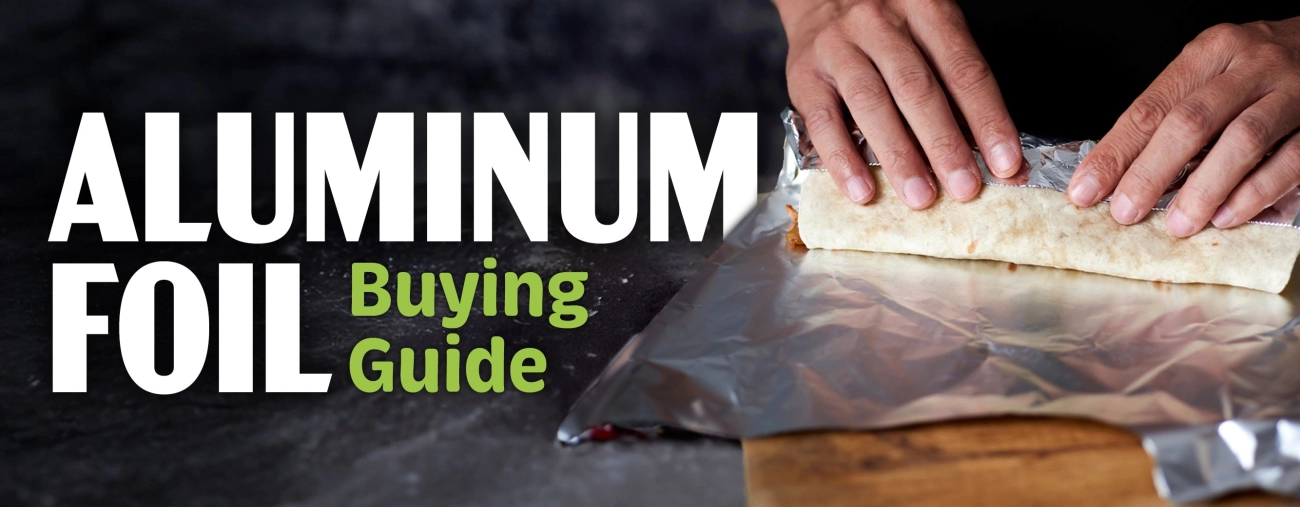
Using the best aluminum foil for wrapping leftovers is only half the battle. Wrapping techniques play a huge role in keeping your food fresh, avoiding leaks, and preventing freezer burn. Here’s a simple step-by-step guide to help you get the most out of your foil wrap.
Step-by-Step Wrapping Techniques to Avoid Leaks and Freezer Burn
-
Use Heavy-Duty Foil for Durability
For leftovers, especially when freezing, choose a heavy-duty aluminum foil. Thicker foil resists tearing, which prevents leaks and exposure to air that cause freezer burn.
-
Wrap Food Tightly
Place leftovers in the center of a large sheet of foil. Fold the sides over snugly to eliminate air pockets. Double-wrap if necessary for items with sharp edges or juicy foods.
-
Seal All Edges Well
Make sure to crimp or fold the edges tightly. This sealed barrier keeps moisture and odors locked in, which is key to maintaining freshness.
-
Avoid Wrapping Hot Food Directly
Allow hot leftovers to cool before wrapping. Wrapping hot food creates steam that makes food soggy and speeds up spoilage.
Tips for Sealing Leftovers Airtight Using Foil
-
Combine Foil with Plastic Wrap for Extra Seal
If you’re storing very moist or liquid-heavy leftovers, wrap them first with plastic wrap, then cover with foil. This double layer helps prevent leaks.
-
Use Non-Stick Foil When Necessary
For sticky or cheesy foods, using non-stick aluminum foil can prevent sticking. This makes removing leftovers easier without tearing the foil or wasting food.
-
Press Out Excess Air
Before sealing, press gently to push out as much air as possible to reduce oxidation and slow down spoilage.
Best Practices for Labeling, Stacking, and Reheating Foil-Wrapped Food
-
Label Your Wrapped Leftovers
Use a permanent marker directly on the foil or attach a small paper label. Include the date and content to keep track and avoid food waste.
-
Stack Properly to Maintain Shape and Seal
Place wrapped leftovers in your fridge or freezer flat or upright without crushing. Avoid overcrowding to keep foil integrity intact.
-
Reheat Safely
When reheating, remove the foil completely unless the foil is oven-safe and you know the food benefits from foil during reheating (like baking). Foil in a microwave is a no-go.
When to Combine Aluminum Foil with Other Storage Methods
-
Use Foil with Airtight Containers for Long-Term Storage
For extended freezing or strong-smelling leftovers, wrapping the food in foil and placing it inside a plastic or glass container elevates freshness and prevents odor transfer.
-
Pair Tape or Rubber Bands With Foil
For bulky or oddly shaped leftovers, secure foil with kitchen-safe tape or rubber bands to maintain a tight seal.
Wrapping leftovers correctly with aluminum foil is key to keeping your food fresh and tasting great longer. Follow these tips, and you’ll get the most out of your foil wrap whether you’re storing dinner, marinating, or freezing for later.
Eco-Friendly Tips for Minimizing Waste When Using Aluminum Foil for Leftovers
Using aluminum foil for food storage doesn’t have to hurt the environment if you use smart practices. Here are some practical ways to cut down on waste and make your kitchen greener.
Reuse Aluminum Foil for Food Storage
Don’t toss foil right after one use. If it’s clean and not torn, you can reuse it by:
- Rinsing off residues gently to avoid ripping.
- Using the same foil to cover leftovers again or line baking sheets.
- Folding it neatly and storing it for the next time you need to wrap food.
This extends the life of your foil and reduces how often you buy new rolls.
Recycling Aluminum Foil What You Need to Know
Aluminum foil is 100% recyclable, but only if it’s clean and free of food scraps. Here’s what to keep in mind:
- Scrape off any food residue before recycling.
- Avoid recycling foil that is heavily soiled or mixed with other materials like plastic.
- Check your local recycling guidelines because some programs accept foil in curbside bins while others don’t.
By recycling properly, you reduce landfill waste and help conserve energy—recycling aluminum requires 95% less energy than producing new aluminum.
Eco-Friendly Alternatives for Food Storage
If you want to cut down on foil use or prefer reusable options, consider:
- Beeswax wraps – great for covering bowls or wrapping sandwiches.
- Silicone lids and stretch covers – perfect for airtight sealing.
- Glass containers with lids – excellent for freezing and reheating leftovers.
Use these alternatives when storing foods that don’t require foil’s moisture and odor barrier properties.
How Ecoartfullife Supports Sustainable Kitchen Habits
Ecoartfullife’s aluminum foil is designed with eco-conscious users in mind:
- Made from recyclable materials that comply with food safety standards.
- Offers heavy-duty thickness so you can reuse foil multiple times before recycling.
- Their eco-friendly production process reduces waste and energy use.
- Promotes responsible kitchen habits by including tips on reuse and recycling on their packaging.
Choosing a brand like Ecoartfullife means you’re picking performance and sustainability, helping reduce your kitchen’s environmental footprint without sacrificing quality.