
















Are you searching for food grade plastic bags that guarantee the safest and most reliable way to store and package your food products? Whether you’re running a supermarket, food vendor, or simply want to make sure your kitchen storage meets safety standards, knowing which plastics are truly food safe is essential.
In this ultimate guide, you’ll discover everything you need to know about food grade plastic bags — from what qualifies them as safe, the certifications you should look for, to the different types and their best uses. Plus, we’ll share why choosing a trusted supplier like Artfullife can make all the difference for maintaining your food’s quality and safety.
Ready to learn how to pick the right food grade plastic bags that meet both safety and sustainability requirements? Let’s dive in!
What Are Food Grade Plastic Bags

Definition of Food Grade Plastics and Bags
Food grade plastic bags are specially designed containers made from plastics that meet strict safety standards for contact with food. These bags are manufactured to avoid harmful chemicals or contaminants that could transfer into food products. They provide a safe barrier, ensuring that the food stored inside remains fresh, clean, and uncontaminated. Unlike regular plastic bags, food grade plastics are tested and approved for food contact, making them suitable for packaging, storing, and transporting various food items.
How Food Grade Plastics Differ from Regular Plastics
Not all plastics are created equal. Regular plastics can contain additives like plasticizers, colorants, and stabilizers that might leak chemicals into food. In contrast, food grade plastics:
- Are free from toxic substances like BPA, phthalates, and heavy metals
- Pass rigorous health and safety tests mandated by agencies such as the FDA (Food and Drug Administration)
- Maintain integrity under typical storage conditions — temperature, moisture, and light exposure
- Are designed to prevent chemical leaching and contamination, protecting food quality and consumer health
If you’re looking for FDA approved plastic bags for food, knowing these differences is key to keeping your products safe and maintaining compliance with food safety regulations.
Common Types of Plastics Used for Food Grade Bags
Several plastic types are commonly used to manufacture food safe plastic bags, each with unique properties suited for different food packaging needs:
- Polyethylene (PE): Including low-density (LDPE) and high-density (HDPE), great for durability, flexibility, and moisture resistance
- Polypropylene (PP): Offers higher temperature tolerance and good clarity, ideal for heat-sealed bags and vacuum packaging
- Polyvinyl chloride (PVC): Sometimes used but less popular due to concerns about additives; only food-grade certified PVC bags are safe
- Biodegradable plastics: Made from plant-based materials like PLA (polylactic acid), gaining traction as eco-friendly food grade options
Choosing the right type depends on your specific application—whether you need bags for fresh produce, bakery products, meat packaging, or vacuum seal food grade bags for longer shelf life.
Using genuine food grade plastics ensures your packaged food meets health standards and remains uncontaminated, preserving freshness and safety from supermarket shelves to home kitchens. At Artfullife, we focus on offering a wide selection of safe plastic bags for food storage that align with these requirements.
Safety Standards for Food Grade Plastic Bags
When it comes to food grade plastic bags, safety is the top priority. These bags must meet strict standards to ensure they don’t contaminate your food or cause harm.
Key Global Certifications for Food Grade Plastic Bags
- FDA Approved Plastic Bags for Food: In the U.S., the Food and Drug Administration (FDA) sets the baseline for food safety. Bags with FDA approval are tested to confirm they don’t leach harmful chemicals into food.
- EFSA Compliance: The European Food Safety Authority (EFSA) governs food safety standards in Europe. EFSA-approved plastics must meet stringent migration limits to prevent contamination.
- LFGB Certification: Germany’s LFGB standard is widely respected for its rigorous testing of materials intended to contact food. It covers migration limits, odor, and taste impact for food packaging.
What Certifications Mean for Consumers and Businesses
Choosing plastic bags with these certifications guarantees:
- Safety for food storage and packaging
- Compliance with legal regulations in supermarkets and retail
- Confidence in preventing chemical leaching and contamination
- Assurance that the bags won’t affect food taste or quality
For businesses, including supermarkets and food suppliers, these certifications help avoid costly recalls, regulatory fines, and damage to brand reputation.
How Artfullife Ensures Food Grade Plastic Bag Compliance
At Artfullife, we don’t just supply plastic bags; we provide FDA approved plastic bags for food that meet or exceed all relevant standards like EFSA and LFGB. Here’s how:
- We source materials only from trusted manufacturers who follow safety guidelines.
- Regular quality checks ensure every batch meets safety and durability benchmarks.
- Full traceability and documentation accompany all orders for transparency.
- We offer clear labeling so you can easily identify genuine food safe plastic bags.
This commitment helps businesses and consumers trust that their food packaging is safe and reliable. With Artfullife, you’re not just buying plastic bags—you’re gaining peace of mind around food safety.
Benefits of Using Food Grade Plastic Bags
Using food grade plastic bags offers several important benefits that make them the top choice for supermarkets, restaurants, and home kitchens across the U.S. Here’s why these bags stand out compared to regular plastic options.
Health and Safety Protection
One of the biggest advantages of food grade plastic bags is health and safety protection. These bags are specifically designed to be safe plastic bags for food storage – meaning they won’t release harmful chemicals or toxins into your food. This helps prevent contamination and chemical leaching, which can happen with lower-quality plastics not intended for food use. Using approved bags gives peace of mind, especially when handling fresh produce, meat, or ready-to-eat meals where safety is crucial.
Durable and Versatile Food Storage
Food grade plastic bags are built to be durable and versatile, making them perfect for a wide range of food storage needs. They come in different types like zipper bags, vacuum seal bags, and flat bags, each useful for packaging everything from bulk goods to bakery items. Their strength means they resist tears and punctures, protecting your food during transport and storage. This durability also supports reusable options, reducing waste and saving money over time.
Eco-Friendly Options Available
More people and businesses are focusing on sustainability, and food grade plastic bags can help here too. Many manufacturers now offer biodegradable food grade plastic bags or bags made from recyclable materials. These eco-friendly options help reduce environmental impact without compromising food safety or convenience. Choosing biodegradable or recyclable bags supports responsible packaging efforts and meets the preferences of eco-conscious customers.
If you want to learn more about the types and uses of food grade bags, check out our guide on plastic food storage bags. For bulk buying options, see our zip lock bags bulk page.
In short, food grade plastic bags are a smart, safe, and eco-friendly solution for food packaging and storage needs in supermarkets and businesses across the U.S.
Different Types and Uses of Food Grade Plastic Bags

When it comes to food grade plastic bags, there’s a variety of types designed to fit different food storage and packaging needs. Choosing the right bag can help keep foods fresh, prevent contamination, and meet your supermarket or business requirements effectively.
Common Types of Food Grade Plastic Bags
-
Zipper Bags
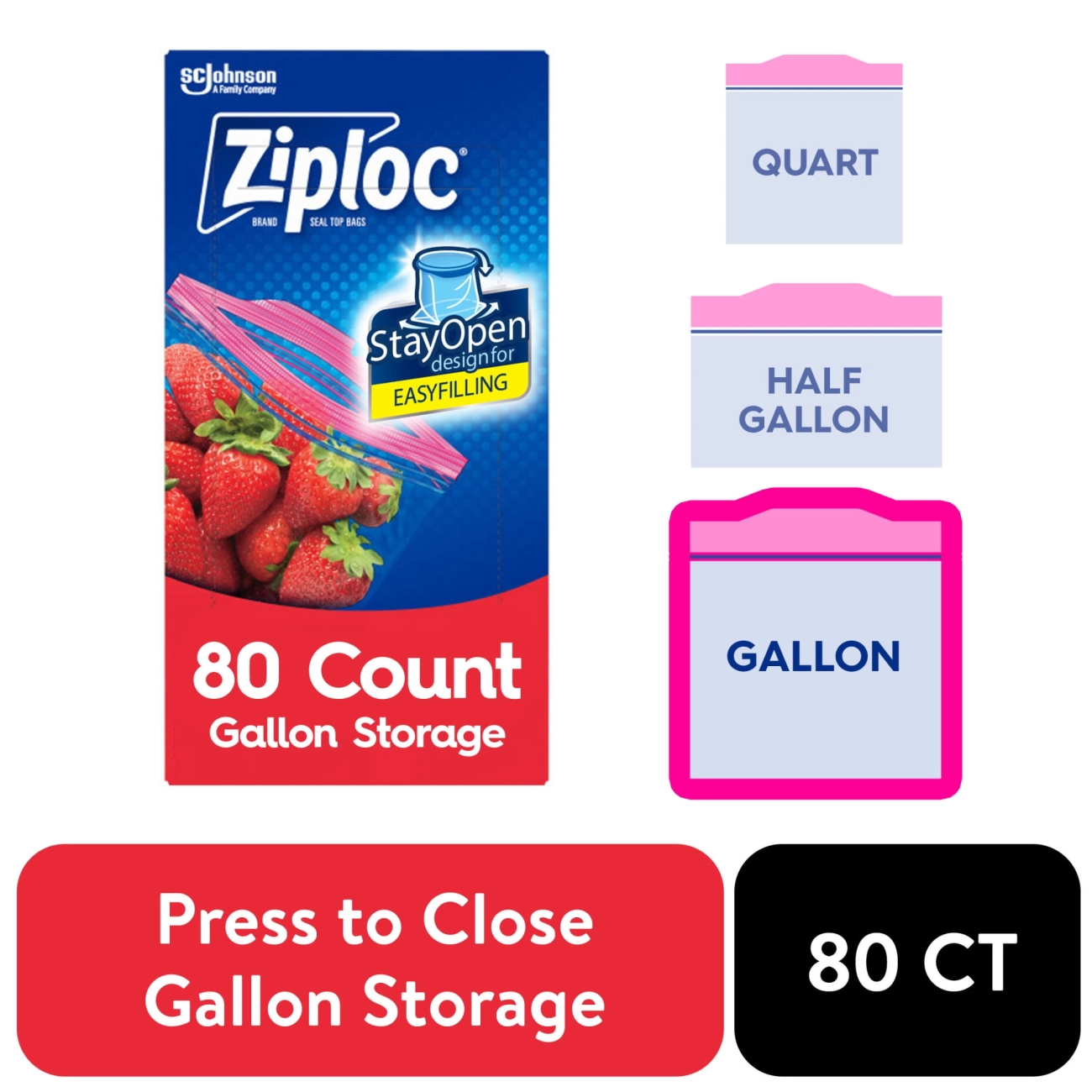
These are resealable, easy to open and close, and ideal for storing snacks, fresh produce, and bulk goods. They offer convenience for customers and are great for everyday food storage needs. Check out Artfullife’s bags zipper for quality options.
-
Vacuum Seal Bags
Designed to remove air and seal tightly, these bags extend the shelf life of meats, ready meals, and bulk foods. Vacuum seal food grade bags reduce spoilage and freezer burn, making them perfect for both supermarkets and home use.
-
Flat Bags
Simple and versatile, flat bags are mostly used for bakery items, small portions, or fresh produce. They’re easy to print on, which is great for branding and labeling.
-
Gusseted Bags
Gusseted bags expand to fit bulky items or larger volumes, such as bakery goods or bulk nuts and dried fruits. Their expandable design offers extra space without compromising on protection.
Suitable Food Applications
-
Fresh Produce
Breathable zipper and flat bags prevent condensation, keeping fruits and vegetables fresh without hastening spoilage.
-
Meat and Seafood
Vacuum seal bags are the go-to choice for raw meat and fish, offering airtight protection that helps maintain freshness and prevents cross-contamination.
-
Bakery and Ready Meals
Flexible flat and gusseted bags with food-safe plastics work well to maintain product shape and prevent damage during transport.
-
Bulk Goods
Larger gusseted bags or heavy-duty zipper bags can accommodate bulk items, reducing the need for multiple smaller packages.
Tips for Selecting Food Grade Plastic Bags for Supermarkets or Retail
-
Know Your Product
Match the bag type to the food’s texture and storage requirements. Perishable items need airtight bags like vacuum seal, while bakery items can do well in flat bags.
-
Check for Certifications
Always opt for FDA approved plastic bags for food to assure safety for consumers.
-
Consider Reusability and Sustainability
Many businesses are switching to reusable food grade plastic bags or biodegradable options to align with eco-conscious trends.
-
Think About Branding and Labeling
Choose bags that accommodate your labeling needs without compromising integrity or safety.
Using the right type of food grade plastic bag not only protects your products but also enhances your business’s professionalism and customer trust. For a deeper look at reusable storage options, visit Artfullife’s food reusable bag suppliers.
How to Identify Genuine Food Grade Plastic Bags
When buying food grade plastic bags, especially for a supermarket or business, it’s important to make sure you’re getting the real deal—not cheap or counterfeit plastics that could risk food safety. Here’s how to spot genuine food safe plastic bags and avoid common pitfalls.
Look for Clear Labeling and Certifications
- FDA Approved Plastic Bags for Food – Check for FDA or other recognized certifications like EFSA or LFGB directly on the packaging or product description. These marks show the bag meets strict safety guidelines for food contact.
- Material Information – Authentic food grade bags will often specify the type of plastic used (such as polyethylene or polypropylene), which are known to be safe for food storage.
- Usage Instructions – Genuine bags usually include clear guidelines on how to use and dispose of the bags safely, sometimes with instructions about temperature limits or reuse.
Watch Out for Signs of Low Quality or Counterfeit Products
- No Certification or Poor Packaging – Bags without any safety marks, vague labeling, or flimsy packaging often indicate low-quality plastics not meant for food.
- Unusual Odors or Colors – If the bag smells strange or is discolored, it’s a red flag that the material might not be food safe.
- Unrealistically Low Prices – Extremely cheap plastic bags may compromise on quality and safety, risking contamination or chemical leaching.
What Artfullife Offers as Trusted Food Grade Plastic Bags Supplier
At Artfullife, we specialize in supplying safe plastic bags for food storage that meet all necessary safety standards. Here’s what sets us apart:
- Certified Products – Our bags carry all essential approvals, so you know they’re compliant with US FDA and other global food contact regulations.
- Transparent Packaging and Labeling – We ensure all packaging clearly states the type, grade, and proper usage of the plastic bags.
- Quality You Can Rely On – We avoid shortcuts in materials and production, guaranteeing durability and safety for your food items.
- Trusted By Supermarkets and Retail Businesses – Our reputation as a reliable food safe plastic bags supplier means you get consistent, safe products every time.
By knowing what to look for and choosing suppliers like Artfullife, you can protect your customers and business while using wholesale food grade plastic bags that meet the highest standards.
Buying Food Grade Plastic Bags for Your Supermarket or Business
When it comes to stocking your supermarket or food business with food grade plastic bags, sourcing from specialized suppliers like Artfullife makes all the difference. Here’s why choosing the right partner matters:
Why Choose a Specialized Food Grade Plastic Bags Supplier
- Quality Assurance: Artfullife strictly supplies FDA approved plastic bags for food that meet all safety and regulatory standards. You avoid risks linked to low-quality or counterfeit products.
- Trust and Reliability: Consistent quality means your customers get safe, contamination-free packaging every time, helping your business maintain a strong reputation.
- Wide Range of Options: From reusable food grade plastic bags to vacuum seal food grade bags and biodegradable food grade plastic bags, Artfullife offers the variety you need.
Minimum Order Quantities and Customization
- Flexible Order Sizes: Whether you need wholesale food grade plastic bags or smaller orders for local stores, Artfullife accommodates different scale needs.
- Customization Options: You can request specific sizes, thickness, or bag types like gusseted or zipper bags to suit your food packaging needs perfectly.
- Branding and Packaging Solutions: Artfullife helps with custom printing or packaging designs to enhance your supermarket’s brand presence on shelves.
Customer Service and Support
- Expert Guidance: Their team understands food safety regulations across the US and helps you pick the right bags for your products.
- Ongoing Support: From ordering to delivery and after-sales help, Artfullife provides constant support to keep your operations smooth.
- Sustainability Advice: They can also guide you in selecting eco-friendly food grade plastic bags that align with your business’s green goals.
Working with a trusted food safe plastic bags supplier like Artfullife ensures you get durable, certified products that protect food quality and safety while meeting your business needs.
Sustainability and Environmental Considerations for Food Grade Plastic Bags
As more customers and businesses prioritize eco-friendly choices, sustainability in food grade plastic bags has become a key focus. At Artfullife, we understand that using plastic bags for food packaging doesn’t have to come at the environment’s expense.
Trends in Eco-Friendly Food Grade Plastic Bags
The market is shifting towards biodegradable food grade plastic bags and reusable food grade plastic bags. These options reduce landfill waste and lower the carbon footprint of packaging materials. Some popular trends include:
- Biodegradable bags made from plant-based materials that break down faster than conventional plastics.
- Recyclable plastics that can be processed multiple times without losing quality.
- Reusable plastic baggies designed for repeated use, cutting down single-use waste.
These new options maintain the safety and integrity required for food storage while supporting greener practices.
Recycling Guidelines and Responsible Disposal
Proper disposal is just as important as picking the right bag. Here’s how to handle food grade plastic bags responsibly:
- Check local recycling rules since not all curbside programs accept plastic bags.
- Use designated drop-off points for plastic bag recycling, often found at grocery stores.
- Clean and dry bags before recycling to avoid contamination.
- Consider reuse whenever possible to extend the life of your bags and reduce waste.
Following these steps helps minimize environmental impact and supports circular use of plastic materials.
Artfullife’s Commitment to Sustainable Packaging
At Artfullife, we’re committed to offering FDA approved plastic bags for food that meet not only safety but environmental standards. Our sustainable packaging efforts include:
- Sourcing from suppliers who prioritize biodegradable and recyclable plastic bags for food storage.
- Providing wholesale food grade plastic bags that balance durability with eco-conscious materials.
- Offering custom packaging solutions that reduce excess waste.
- Supporting customer education on responsible disposal and product reuse.
By choosing Artfullife, supermarkets and food businesses partner with a supplier who values sustainability without compromising product quality or safety.
Frequently Asked Questions About Food Grade Plastic Bags
Are All Plastic Bags Safe for Food
No, not all plastic bags are safe for food storage. Only those labeled as food grade plastic bags meet strict safety standards to prevent harmful chemicals from leaching into your food. Regular plastic bags may contain additives or dyes unsuitable for contact with food. Always look for FDA approved plastic bags for food or certifications like EFSA or LFGB to ensure safety, especially if you’re using them in your home or business.
Can Food Grade Plastic Bags Be Reused
Yes, many food safe plastic bags can be reused, but it depends on the type and how you use them. Bags designed for multiple uses, like reusable plastic bags for food, hold up well with proper cleaning. Avoid reusing single-use bags or those with damage to minimize contamination risk. Reusable bags help you save money and reduce waste—just be sure to clean them thoroughly between uses.
How Long Do Food Grade Plastic Bags Last
The lifespan of food grade plastic bags varies based on factors like material type, storage conditions, and usage:
- Single-use bags (like flat or gusseted bags) are good for short-term storage, usually days to weeks.
- Vacuum seal food grade bags can last months, especially when sealed properly and kept cool.
- Reusable bags may last several months to years with proper care.
Keep bags away from heat, sunlight, and sharp objects to extend their life. Also, always check for signs of wear such as tears or discoloration before reuse.
How to Store Food Properly Using Food Grade Plastic Bags
Proper use of food grade plastic bags helps keep your food fresh and safe:
- Use bags appropriate for your food type (e.g., vacuum seal bags for meats, zipper bags for snacks).
- Remove excess air before sealing to reduce spoilage.
- Label bags with the date and contents to keep track of freshness.
- Store in the refrigerator or freezer as needed.
- Avoid overfilling bags to prevent tearing.
By following these simple tips, you can maximize the safety and shelf life of your stored food using safe plastic bags designed for food packaging.