
















If you’re looking to keep your kitchen safe, efficient, and eco-friendly, understanding the role of food-grade aluminum foil for everyday use is a smart move. Not all aluminum foil is created equal—when it comes to cooking, storing, and preserving your meals, safety and quality matter. In this post, you’ll discover what makes aluminum foil truly “food-grade,” why it’s a reliable choice for daily kitchen tasks, and how Ecoartfullife’s premium foil stands out as a trusted option. Ready to upgrade your everyday foil game with confidence? Let’s dive in!
What Does Food-Grade Mean in Aluminum Foil
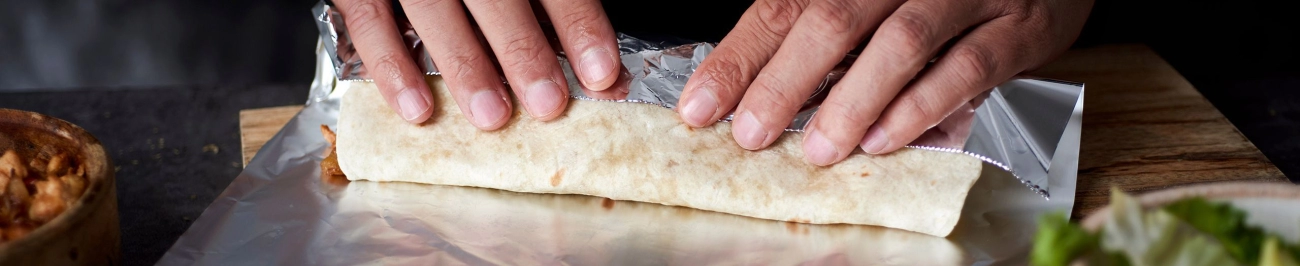
When you hear the term food-grade aluminum foil, it’s natural to wonder what sets it apart from regular foil. Simply put, food-grade means the foil is safe for direct contact with food and complies with strict safety standards set by regulatory bodies like the FDA (Food and Drug Administration) in the US and EFSA (European Food Safety Authority) in Europe. These agencies regulate the materials and manufacturing processes to ensure aluminum foil won’t contaminate your food or cause health risks.
Food Safety Standards and Regulations
- FDA and EFSA Certifications: These agencies require aluminum foil intended for food contact to undergo rigorous testing. This ensures it doesn’t leach harmful substances, reacts with food, or pose toxic exposure risks.
- Material Purity: Food-grade aluminum foil uses high-purity aluminum and avoids impurities or coatings that could contaminate food.
- Manufacturing Controls: The foil is produced in hygienic environments with quality controls to prevent contamination by metals or other non-food-safe substances.
Materials and Manufacturing Processes That Ensure Safety
- Made from 99% pure aluminum, food-grade foil is free from heavy metals and harmful additives.
- The production process uses clean, food-safe machinery and avoids contact with contaminants.
- Some foil brands apply special food-safe coatings to enhance performance without compromising safety.
Differentiating Food-Grade and Non-Food-Grade Aluminum Foil
- Food-grade foil is tested and approved specifically for use with food. It’s safe to wrap, cook, and store food without chemical transfer.
- Non-food-grade foil or industrial-grade foil may contain additives, impurities, or heavy metals not safe for ingestion.
- Using food-grade foil reduces the risk of chemical migration or contamination during cooking and storage.
In short, choosing FDA-approved or EFSA-compliant food-grade aluminum foil means you are using a product designed specifically to keep your food safe, fresh, and uncontaminated every day. This distinction is vital for your health and food quality when cooking, storing, or preserving meals.
Benefits of Using Food-Grade Aluminum Foil Daily for Food Safety and Freshness

Using food-grade aluminum foil every day brings real advantages, especially when it comes to preserving your meals, cooking efficiently, and staying eco-friendly.
Keeps Food Fresh and Preserves Quality
One of the biggest perks of food-grade aluminum foil is its ability to seal in freshness. When you wrap leftovers or store food, it creates a tight barrier against air, moisture, and light. This slows down spoilage and helps maintain flavors and nutrients longer than regular plastic wraps or bags, making it ideal for everyday use.
Excellent Heat Conductor for Cooking and Baking
Food-grade aluminum foil is perfect for cooking because it evenly transfers heat, helping your food cook well without burning. Whether you’re baking, grilling, or roasting, it shields your food, locks in moisture, and provides that perfect crisp or tender finish. Plus, it’s rated safe for oven use, which means no harmful chemicals leach into your food during high heat cooking.
Eco-Friendly and Recyclable Choice by Ecoartfullife
If you’re conscious about sustainability, food-grade aluminum foil from Ecoartfullife is a smart pick. It’s both recyclable and made with eco-aware manufacturing practices. Using this foil reduces reliance on plastics and supports your efforts to minimize kitchen waste. Ecoartfullife focuses on delivering products that combine functionality with environmental responsibility, so you get a product that’s good for your kitchen and kind to the planet.
Safe Non-Toxic Material for Your Health
Unlike non-food-grade foils, food-grade aluminum foil is manufactured under strict FDA and EFSA food safety standards. This means it’s free from harmful additives or contaminants. When used properly, it won’t release dangerous chemicals or aluminum ions into your food, keeping your meals safe and healthy every day.
By choosing food-grade aluminum foil for everyday use, you get freshness, cooking efficiency, environmental benefits, and peace of mind — all key factors that make it a kitchen must-have.
Everyday Use Cases for Food-Grade Aluminum Foil for Everyday Use
Food-grade aluminum foil is incredibly versatile and fits perfectly into daily kitchen routines. Whether you’re cooking, storing, or serving food, this safe aluminum foil for food offers practical benefits that make life easier.
Wrapping Leftovers
One of the most common uses is wrapping leftovers. Food-grade aluminum foil keeps your food fresh by creating a tight seal around plates or bowls. This prevents odors from escaping and helps maintain moisture, so your meals stay tasty for longer. It’s a reliable way to reduce food waste by preserving uneaten portions safely.
Grilling and Baking
Aluminum foil for cooking and baking is a must-have for many recipes. Use it to:
- Line baking sheets for easier clean-up
- Wrap vegetables or fish to lock in flavor and moisture
- Cover dishes to prevent over-browning
On the grill, food-grade foil protects delicate items like seafood or vegetables from direct flames, evenly distributes heat, and helps retain juices. This makes grilling healthier and more efficient.
Freezing and Airtight Food Storage
When storing food in the freezer, food-grade aluminum foil is perfect for freezing and airtight food storage. It prevents freezer burn by blocking out air and moisture, preserving tastes and textures. For longer storage, wrap food tightly then place it in a reusable container or freezer bag.
Serving and Presentation Tips
You can also use food-grade aluminum foil as a quick, hygienic way to serve and present food. Creating custom foil trays or wraps makes transporting dishes to picnics or potlucks cleaner and easier. Plus, it gives a polished look without extra dishes to wash.
Meal Prepping and Packed Lunches
For busy households, food-grade foil is a go-to for meal prepping and packed lunches. It keeps portions separate, prevents leaks, and can handle reheating in the oven safely. Wrapping sandwiches or snacks in foil is a convenient, eco-friendlier alternative to plastic bags.
Key everyday uses of food-grade aluminum foil include:
- Wrapping leftovers to maintain freshness
- Grilling and baking for even heat and flavor retention
- Freezing food with airtight protection
- Serving meals neatly and hygienically
- Packing lunches and prepping meals for convenience
Choosing high-quality, FDA approved aluminum foil gives you peace of mind that your food is safe during all these common kitchen tasks. It’s an easy kitchen staple that combines safety, durability, and convenience for everyday use.
What to Look for When Choosing Food-Grade Aluminum Foil for Everyday Use
When picking food-grade aluminum foil for your kitchen, it’s important to focus on a few key factors to make sure you get a safe, durable, and eco-friendly product that fits your everyday cooking and storage needs.
Thickness and Durability Matter
- Choose the right thickness: Foil thickness usually ranges from about 0.63 mil to 1.5 mil. Thicker foil is more durable and less likely to tear, which is ideal for grilling, baking, and freezer storage. For simple tasks like wrapping leftovers, thinner foil can work well and save money.
- Look for heavy-duty options if you often cook at high heat or wrap bulky items. This ensures your foil won’t rip or leak, keeping food safe from contamination.
Verify Food Safety Certifications
- Always check for official food safety approvals like FDA (Food and Drug Administration) and EFSA (European Food Safety Authority) certifications. These confirm the foil meets strict standards for food contact and chemical safety.
- Some brands also provide additional third-party purity and safety testing results, which adds an extra layer of confidence.
Brand Transparency and Eco-Conscious Manufacturing
- Pick brands that are open about their sourcing and manufacturing processes. Transparency often means better quality control and safer products.
- Look for companies committed to sustainable practices—using renewable energy, minimizing waste, and reducing carbon footprint.
- Brands that focus on eco-friendly aluminum foil options offer products that balance performance with environmental responsibility, which benefits you and the planet.
Packaging and Local Availability
- Prefer packaging made from recyclable or minimal materials, which aligns with a sustainable kitchen approach.
- Check if the product is locally available through trusted retailers or online stores serving the U.S. market. This ensures easier restocking and supports domestic businesses.
- Convenient packaging sizes that match your household needs can prevent unnecessary waste.
By paying attention to these factors, you’ll find safe aluminum foil for food that not only performs well but also supports your health and sustainability goals.
Common Myths and Safety Concerns About Food-Grade Aluminum Foil
When it comes to using food-grade aluminum foil daily, many folks worry about safety issues. Let’s clear up some of the biggest myths so you can use it confidently.
Aluminum Foil and Aluminum Toxicity
One common concern is that aluminum foil can increase the amount of aluminum in your food, leading to health problems. The truth is, FDA-approved aluminum foil meets strict safety standards to prevent harmful levels of aluminum from transferring to your meals.
- Aluminum migration is minimal when using food-grade foil the right way, especially with normal cooking temperatures.
- Acidic or salty foods can cause slightly higher aluminum migration, but this still stays far below safety limits set by health authorities like the FDA and EFSA.
- Everyday use of food-grade foil is considered safe and non-toxic by regulatory bodies.
Is It Safe to Use Aluminum Foil in Microwaves?
Many people believe that you should never put aluminum foil in the microwave. While this is partly true, here’s what you need to know:
- Using small pieces or tight wraps of aluminum foil in the microwave can cause sparks and damage, so it’s best to avoid these.
- However, microwaving food wrapped loosely with food-grade foil or using special microwave-safe foil containers is generally safe if done according to manufacturer instructions.
- To be safe, always check your microwave’s user guide before using foil inside.
Aluminum Ion Migration Facts vs Myths
There’s a lot of talk about aluminum ions leaching into food and causing health risks like Alzheimer’s or bone issues. Here’s the science:
- Studies show no conclusive evidence linking aluminum foil use to serious health conditions when used properly.
- Aluminium ions may migrate slightly into food but at levels considered safe by global food safety agencies.
- Avoid direct contact with very acidic foods for long storage times to reduce any minor risk.
Key Takeaways
- Food-grade aluminum foil is rigorously tested and regulated for safe food use.
- Proper use prevents excessive aluminum migration and ensures chemical safety.
- Follow package guidelines, avoid overheating foil in microwaves, and store acidic foods with extra care.
- These simple tips allow you to enjoy the benefits of safe aluminum foil for food without worry.
By understanding the facts behind these common myths, you can confidently use food-grade aluminum foil in your kitchen every day.
Why Choose Ecoartfullife Food-Grade Aluminum Foil for Everyday Use
When it comes to food-grade aluminum foil for everyday use, Ecoartfullife stands out by combining safety, quality, and sustainability in one reliable product. Here’s why Ecoartfullife is a top choice for safe aluminum foil for food in the United States:
Certified Purity and Safety You Can Trust
Ecoartfullife aluminum foil is FDA approved and meets strict food safety standards to ensure it is free from harmful contaminants. Manufactured using high-purity aluminum, it guarantees no unwanted chemical interactions with your food. This means you can confidently use Ecoartfullife foil for cooking, baking, food storage, and meal prepping without worrying about aluminum toxicity or food contamination.
Durability and Heat Conductivity
Ecoartfullife foil balances thickness and flexibility perfectly — offering durability that won’t tear or puncture easily while remaining easy to use. It conducts heat evenly, making it excellent for grilling, baking, and roasting. Whether you’re wrapping leftovers or preparing oven meals, this foil maintains freshness and helps cook food uniformly.
Commitment to Sustainability and Eco-Friendly Packaging
Ecoartfullife goes beyond food safety by focusing on sustainable production and eco-conscious packaging. Their foil is fully recyclable, aligning with growing demands for eco-friendly aluminum foil options in American households. Choosing Ecoartfullife supports reduced waste and promotes greener kitchen practices.
Trusted by Customers Across the US
Many users highlight Ecoartfullife’s consistent quality and reliability in daily cooking and storage tasks. Positive customer testimonials emphasize how the foil helps preserve food flavor and texture while being easy to recycle. Ecoartfullife also offers transparent information about their manufacturing processes, connecting you with a product that fits your healthy and sustainable lifestyle.
For more details about aluminum foil manufacturing standards and why purity matters, check out Ecoartfullife aluminum foil manufacturers.
Ecoartfullife’s food-grade aluminum foil offers:
- FDA-approved, safe aluminum foil for food contact
- Durable, tear-resistant material ideal for cooking and storage
- Sustainable, recyclable packaging supporting eco-conscious homes
- Verified quality backed by customer trust and transparent brand ethics
Choosing Ecoartfullife means choosing a foil that fits perfectly into your everyday US kitchen — safe, strong, and green.
How to Properly Use and Recycle Food-Grade Aluminum Foil
Using food-grade aluminum foil in your kitchen daily is great, but knowing how to make it last and recycle it properly helps reduce waste and protects the environment. Here’s how you can get the most out of your foil while being eco-friendly.
Maximize the Lifespan of Your Aluminum Foil
- Use both sides: Aluminum foil is effective on either side, so if one side gets dirty, flip it over and reuse it for storage or cooking.
- Avoid tears and holes: Handle foil gently to prevent ripping, which can reduce its effectiveness in wrapping and storing food.
- Clean and reuse: If the foil isn’t heavily soiled with grease or food residue, rinse it off and reuse it for dry storage or cooking smaller meals.
- Opt for thicker foil: Thicker food-grade aluminum foil lasts longer and handles tougher cooking tasks like grilling or baking without tearing.
Correct Disposal and Recycling of Aluminum Foil
- Check for residues: Before recycling, make sure the foil is clean and free from food scraps. Small bits of food can contaminate the recycling process.
- Ball it up: Crumple clean foil into a tight ball at least 2 inches across. This helps recycling centers easily identify and process aluminum.
- Combine with aluminum cans: If possible, recycle foil together with aluminum cans. This streamlines sorting and boosts recycling efficiency.
- Confirm local recycling rules: Recycling programs vary by area in the US. Some accept clean foil, others don’t. Check your city’s guidelines before tossing foil in the recycling bin.
- Avoid landfill waste: When recycling isn’t an option, try to minimize foil use or switch to reusable silicone wraps or containers.
Why Proper Use and Recycling Matter
Properly using and recycling food-grade aluminum foil benefits your kitchen and the planet. It reduces waste, conserves resources, and supports sustainability efforts like those promoted by brands focusing on eco-friendly aluminum foil. Plus, it saves you money by stretching each roll further while ensuring safe and effective food storage and cooking solutions.
By following these practical tips, you’ll enjoy the convenience of aluminum foil with a smaller environmental footprint, making your everyday cooking and food storage smarter and greener.