
















Are you looking for a simple yet effective way to keep your food fresh longer? PE bags for food preservation might be exactly what you need. Whether you’re a busy household or a supermarket stocking up on quality packaging, these food-grade polyethylene bags offer durability, safety, and convenience all in one.
But how do you choose the right type? Are PE bags truly safe for all kinds of food? And how can they help extend shelf life without breaking the bank?
In this guide, you’ll get clear answers and practical tips on using PE bags for food storage—from understanding different types to picking the best options suited to your needs. Ready to dive into smarter, safer food preservation? Let’s get started!
What Are PE Bags for Food Preservation
PE bags, or polyethylene bags, are a popular type of plastic bag used extensively in food storage and preservation. Made from polymer resins, these bags come in different forms tailored to various needs in the kitchen and food industry. Understanding the types of PE bags, their material properties, and food-grade certifications can help you choose the right packaging for your food preservation needs.
Types of PE Bags
There are three main types of polyethylene bags used for food preservation:
LDPE (Low-Density Polyethylene)
Known for its flexibility and softness, LDPE bags offer excellent clarity and moisture resistance. These bags are ideal for storing fresh fruits, vegetables, and bakery items where flexibility and transparency matter for easy identification.
HDPE (High-Density Polyethylene)
These bags are stronger and more rigid than LDPE. They offer enhanced durability and a higher resistance to punctures, making them suitable for heavier items like meats or bulk food storage.
LLDPE (Linear Low-Density Polyethylene)
LLDPE combines strength and flexibility. This type is often used in vacuum seal bags or for resealable food storage bags due to its excellent stretch and sealing capabilities.
Material Properties Relevant to Food Preservation
When selecting PE food-safe plastic packaging, key material properties impact the effectiveness of food preservation:
-
Flexibility
Important for easy handling and storing irregularly shaped foods without tearing.
-
Strength
Ensures the bag stays intact during storage or transport, protecting food from damage and contamination.
-
Clarity
Allows easy visibility of contents, helping in quick identification and inventory management.
These properties make PE bags suitable for everything from plastic bags for fruits and vegetables to durable food storage bags meant for freezer use.
Food-Grade Certification and Safety Standards
Not all PE bags are safe for food storage. For a PE bag to be suitable for food preservation, it must comply with strict food-grade certifications and safety standards such as:
- FDA food contact compliance ensuring no harmful chemicals leach into food.
- BPA-free and phthalate-free certifications for consumer safety.
- Compliance with USDA and EPA guidelines to maintain food safety and freshness.
Choosing certified food-grade polyethylene bags guarantees that your food stays safe, tastes fresh, and remains uncontaminated during storage.
Understanding these basics about PE bags helps ensure you select the right food-safe plastic packaging that balances flexibility, strength, clarity, and safety for effective food preservation.
Why Use PE Bags for Food Preservation

When it comes to food storage, PE bags for food preservation stand out because of their excellent barrier properties. These bags keep out moisture, oxygen, and contaminants that can spoil your food quickly. By creating a protective layer, they help maintain the natural freshness of fruits, vegetables, meat, bakery items, and more.
Key Benefits of PE Bags for Food Storage
- Protect against moisture and oxygen: PE bags block water vapor and air, which are the main factors that cause food to spoil or dry out.
- Extend shelf life: By reducing exposure to contaminants and air, PE bags slow down the natural decay process, keeping your food fresh longer.
- Versatile for various foods: Whether it’s delicate berries, fresh leafy greens, raw meat, or baked goods, these bags provide the right environment to preserve quality.
- Cost-effective and widely available: Compared to other food packaging options, polyethylene bags are affordable and easy to find in supermarkets, bulk suppliers, or online.
- Convenient and simple to use: Their flexibility and lightweight design make storing and organizing food hassle-free, saving space in your fridge or pantry.
Using food-grade polyethylene bags is a practical choice for everyday storage needs, combining protection, convenience, and affordability in one solution. Whether you’re packing snacks for work or storing fresh produce at home, PE bags help you reduce waste by keeping your food fresh longer.
Different Types of PE Bags for Food Preservation
When it comes to PE bags for food preservation, choosing the right type can make a big difference in how well your food stays fresh and safe. Here, we break down the main types of polyethylene bags commonly used in kitchens and food storage.
Vacuum PE Bags vs Regular PE Bags
- Vacuum PE bags remove air before sealing, significantly reducing oxygen exposure. This helps prevent freezer burn and slows down spoilage, making them ideal for meat, fish, and other perishables that benefit from long-term storage.
- Regular PE bags are great for everyday use, providing a decent barrier against moisture and contaminants. These are perfect for storing fresh fruits, vegetables, baked goods, or leftovers for short-term use.
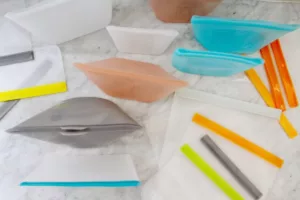
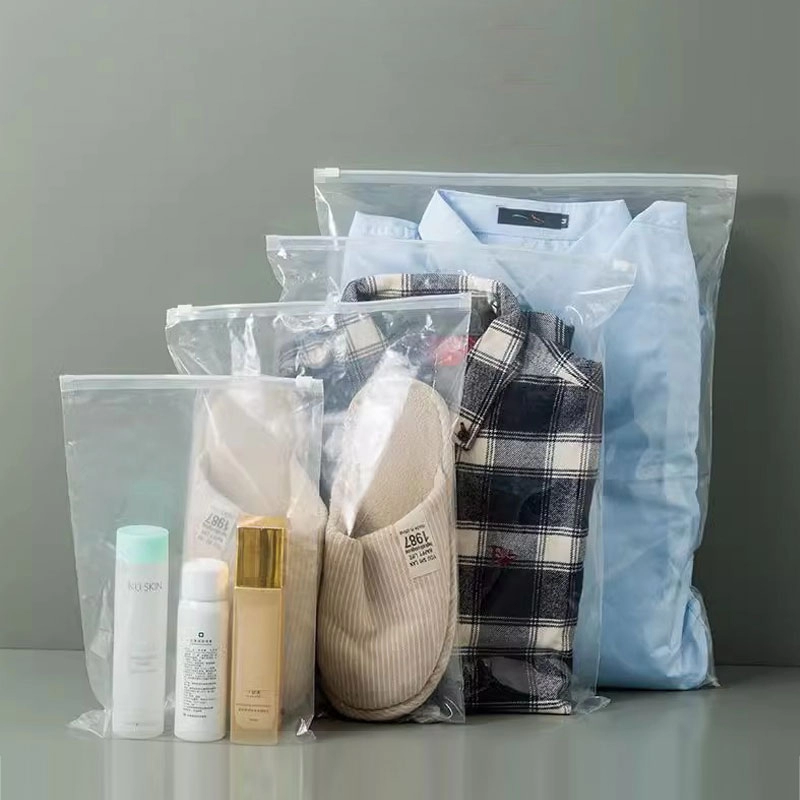
Re-sealable Zip-Lock PE Bags
- Designed with convenience in mind, zip-lock PE bags let you easily open and reseal the package multiple times.
- They’re excellent for portion control, snacking, or storing partially used ingredients.
- These bags often come in food-grade polyethylene, ensuring safety and durability when storing various foods.
Anti-Fog and Breathable PE Bags for Produce
- Anti-fog PE bags prevent condensation build-up, which is crucial for storing fresh fruits and vegetables. Excess moisture can cause mold and spoilage, so anti-fog properties help maintain optimal humidity.
- Some PE bags are breathable, allowing gases like ethylene to escape, which slows down ripening and extends the life of produce.
- These types are especially common for fresh-cut fruits, leafy greens, and other produce prone to quick decay.
Specialty PE Bags for Freezer and Microwave Use
- Freezer PE bags are thicker and specially designed to resist low temperatures without cracking or leaking. They help avoid freezer burn and keep food safe for long periods.
- Microwave-safe PE bags are made from materials that can handle heat without melting or releasing harmful chemicals, allowing safe reheating right in the bag.
- These specialty bags offer targeted solutions whether you’re freezing bulk meals or reheating leftovers quickly and safely.
Using the right type of food-grade polyethylene bag tailored to your food and storage needs can make all the difference in keeping your groceries fresh and safe. Whether it’s a sturdy vacuum-seal bag for your freezer or a breathable bag for veggies, the variety of PE bags available covers all common household and business needs.
How to Choose the Right PE Bags for Food Storage Needs
Selecting the right PE bags for food preservation depends on a few key factors. Making the right choice helps keep your food fresh longer and reduces waste.
Consider the Food Type
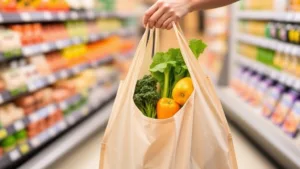
- Fruits and Vegetables: Look for breathable or anti-fog PE bags to prevent moisture buildup.
- Meat and Seafood: Choose thicker, vacuum-sealable polyethylene bags to lock out air and prevent freezer burn.
- Bakery Items: Flexible, clear LDPE bags work well to keep baked goods fresh without crushing them.
Think About Storage Duration
- For short-term storage, regular resealable or zip-lock PE bags are fine.
- For long-term freezing, opt for heavy-duty freezer bags or vacuum seal bags that prevent air exposure.
Freezer Compatibility
If you plan to freeze food, freezer-safe PE bags are essential. These bags are thicker, more durable, and resist cracking in low temperatures. Artfullife offers freezer-grade polyethylene bags designed specifically to protect your food during freezing and thawing.
Bag Thickness and Strength
- Thicker bags (measured in mils) provide better protection against punctures and tears.
- For delicate items or heavy-duty use, select bags with higher gauge thickness.
- Artfullife supplies a range from lightweight to heavy-duty PE bags, so you can match the bag to your food’s needs.
Size and Sealing Methods
- Choose bags that fit the quantity and size of your food to minimize excess air.
- Resealable zip-lock bags are convenient for easy access and repeated use.
- Vacuum seal bags are best when maximizing shelf life is a priority.
- Artfullife’s selection covers a variety of sizes and sealing options to suit different kitchen and business needs.
How Artfullife Meets Your Food Preservation Needs
Artfullife offers a wide variety of food-grade polyethylene bags with certifications ensuring safety and compliance. From bulk PE bags for supermarkets to small resealable options for home use, their products are designed with flexibility, durability, and convenience in mind. Whether you need anti-fog bags for fresh produce or freezer-safe options for meat storage, Artfullife has you covered with competitive pricing and reliable quality.
In : Pick your PE bags based on food type, storage length, freezer use, thickness, and sealing style. Artfullife’s range makes it easy to find the perfect match for keeping your food fresh and safe.
Best Practices for Using PE Bags for Food Preservation

Using PE bags correctly can make a big difference in keeping your food fresh longer. Here’s how to get the most out of your food-grade polyethylene bags for home or business use.
Prepare Food Properly Before Storage
- Wash fruits and vegetables thoroughly to remove dirt and bacteria.
- Dry them completely before placing them in PE bags. Excess moisture can lead to faster spoilage or freezer burn.
- For meats and bakery items, wrap or portion them appropriately before bagging to avoid mess and make thawing easier.
Seal PE Bags Correctly to Maximize Freshness
- Always use airtight sealing methods. If your PE bags come with a zip-lock or vacuum seal, make sure the seal is fully closed.
- For regular PE bags without zippers, consider using heat sealing or clips to avoid air exposure.
- Removing as much air as possible before sealing helps reduce oxidation and spoilage.
Follow Temperature Guidelines for Storage
- Refrigerate perishables like fruits, vegetables, and dairy inside PE bags to slow down bacteria growth.
- Use specialty freezer PE bags for meats and prepared meals—these resist freezer burn better.
- Avoid refreezing thawed food stored in PE bags to maintain quality and safety.
Prevent Cross-Contamination
- Use separate PE bags for different food types, especially raw meats and ready-to-eat items.
- Label bags clearly to avoid mixing and ensure safe storage rotation.
- Always wash hands and clean surfaces before handling food and storage bags.
By following these simple practices, PE bags can significantly improve the freshness and safety of your stored food, whether it’s for everyday home use or bulk food management in stores.
Environmental Consideration and Sustainability of PE Bags for Food Preservation
When choosing PE bags for food preservation, it’s important to think about their environmental impact along with their functionality. While polyethylene bags are widely used for their durability and food-safe qualities, sustainability is a key concern for many shoppers and businesses in the U.S. today.
Recycling Potential and Guidelines for PE Food-Grade Bags
Most food-grade polyethylene bags—including LDPE, HDPE, and LLDPE types—are recyclable, but getting them properly recycled can be tricky:
- Check local recycling programs: Many curbside programs do not accept plastic bags because they can tangle in machinery.
- Drop-off locations: Many grocery stores and supermarkets offer dedicated bins for recycling plastic bags, including PE food bags.
- Clean and dry: Recycling centers typically require PE bags to be free of food residue and moisture to avoid contamination.
By following these guidelines, you can help reduce plastic waste and promote responsible disposal.
Comparing PE Bags with Alternative Packaging Materials
When it comes to food preservation, alternatives like biodegradable bags, paper wraps, or reusable containers are gaining attention. However, PE bags still hold advantages:
- Cost-effectiveness: PE bags tend to be more affordable for bulk food storage.
- Superior barrier properties: They offer excellent protection against moisture and oxygen, which organic or compostable options may not match.
- Durability and flexibility: PE bags maintain integrity during freezing, microwaving, and repeated handling.
That said, integrating eco-friendly options alongside PE bags can reduce your overall environmental footprint.
Artfullife’s Commitment to Eco-Friendly PE Bags and Supply Solutions
At Artfullife, we recognize the market’s growing demand for sustainable food packaging. We are committed to:
- Offering recyclable, food-grade PE bags that meet U.S. safety and environmental standards.
- Promoting responsible supply chains that minimize waste and carbon footprint.
- Providing bulk PE bags for supermarkets and businesses that combine durability with eco-conscious sourcing.
- Supporting our customers with guidance on recycling and proper disposal to encourage sustainability efforts.
Choosing Artfullife means you get reliable, eco-friendly food storage bags designed for U.S. consumers who care about both food safety and the environment.
Frequently Asked Questions About PE Bags for Food Preservation
Are PE Bags Safe for All Types of Food
Yes, food-grade polyethylene (PE) bags are safe for storing a wide range of food items including fruits, vegetables, meat, and bakery products. These bags meet strict food safety standards and certifications, ensuring they don’t leach harmful chemicals into your food. Always look for bags labeled food-grade or compliant with FDA guidelines for peace of mind.
Can PE Bags Be Reused
Many PE bags, especially thicker and resealable types, can be reused multiple times if they are cleaned properly and not damaged. Reusing helps reduce waste and saves money. However, bags used for raw meat or highly perishable items should ideally be discarded after one use to avoid cross-contamination. For more options on reusable food storage, check out our reusable food storage bags page.
What’s the Difference Between PE and Other Plastic Bags
PE bags differ mainly by their material composition and food safety features compared to other plastic bags:
- PE bags (LDPE, HDPE, LLDPE) are made from polyethylene, which is flexible, moisture-resistant, and food-safe.
- Other plastic bags like PVC or PP may have different barrier properties but might not always be food-grade or as flexible.
- PE bags are preferred for food storage due to their clarity, strength, and ability to maintain freshness without chemicals.
How Long Can Food Be Safely Stored in PE Bags
The safe storage duration in PE bags depends on the food type and storage conditions:
- Fresh produce can last several days to a week in breathable or anti-fog PE bags in the fridge.
- Meat and seafood can be stored 1-2 days in regular PE bags but longer in vacuum PE bags when frozen.
- Bakery items generally remain fresh for up to a week in sealed PE bags.
- Always follow temperature recommendations—refrigerate perishables below 40°F and freeze for long-term storage.
For detailed guidance on food storage using PE bags and selecting the right bag type, explore our food storage bag organizer for handy tips and products.
Choosing the right PE bag and understanding their safe use will help you keep your food fresh longer while ensuring health and safety.
Why Choose Artfullife for Your PE Food Preservation Bags
When it comes to PE bags for food preservation, Artfullife stands out as a reliable supplier catering to supermarkets and businesses across the United States. Here’s why our customers trust us for their food storage needs.
Certified Quality You Can Trust
Artfullife’s food-grade polyethylene bags meet strict safety standards and certifications required for direct food contact. That means every bag you get from us is:
- Made from high-quality LDPE, HDPE, or LLDPE materials that are safe and non-toxic
- Compliant with FDA and other relevant food safety regulations
- Tested for strength, clarity, and barrier properties to ensure your food stays fresh longer
This focus on certified product quality guarantees peace of mind whether you’re storing fruits, vegetables, meats, or bakery items.
Competitive Pricing with Flexible Ordering
We understand that cost matters, especially when buying in bulk for supermarkets or food businesses. Artfullife offers:
- Affordable prices without compromising on product durability or safety
- Flexible order sizes to fit any scale—from small stores to large chains
- Quick turnaround and reliable inventory, so you never run low on essential plastic bags for food storage
Our pricing is designed to help businesses keep expenses down while maintaining a high standard for food preservation supplies.
Tailored Supply Solutions and Customer Support
Every business has unique storage needs, and Artfullife delivers customized solutions to match. We provide:
- A wide selection of vacuum seal bags, re-sealable zip-lock solutions, freezer-safe PE bags, and more
- Expert guidance to help you choose the right bag size, thickness, and closure type based on your food type and shelf life requirements
- Responsive customer support focused on quick resolutions and ongoing assistance
Our team is committed to making your experience smooth and hassle-free, supporting your daily operations with dependable food-safe packaging.
Choosing Artfullife means going beyond basic PE storage bags—you get certified quality, competitive pricing, convenience, and a partner dedicated to your success in food preservation.