
















If you’re someone who preps meals ahead to save time and stay healthy, you already know how crucial proper storage is to keep your food fresh and safe. That’s where PE bags for meal prep storage come into play. These versatile, food-grade polyethylene bags offer a simple, cost-effective way to portion, protect, and preserve your meals without the hassle of bulky containers.
In this guide, you’ll discover why PE bags are quickly becoming a favorite among health-conscious individuals, busy professionals, and even small food businesses. From understanding the key features to choosing the right size and sealing type, we’ve got you covered with everything you need to know to make your meal prep storage smart and convenient. Ready to streamline your kitchen routine? Let’s jump in!
What are PE Bags for Meal Prep Storage
PE bags, or polyethylene bags, are popular food storage solutions made from a type of plastic called polyethylene. This material is widely favored for its flexibility, durability, and safety when it comes to storing food items, especially prepared meals.
Composition of Polyethylene Bags
Polyethylene is a polymer made from ethylene molecules. The bags used for meal prep typically come in two main types:
-
Low-Density Polyethylene (LDPE)
- Soft, flexible, and transparent
- Common in zip lock and reusable food storage bags
- Great for airtight sealing and leak resistance
-
High-Density Polyethylene (HDPE)
- More rigid and stronger than LDPE
- Often used in thicker, freezer-safe bags
- Better for heavy-duty storage and longer-term freezing
Choosing between LDPE and HDPE depends on your storage needs—whether you want a lightweight, resealable option or a tougher, more protective bag.
Food Safety Standards for PE Bags
Because PE bags are used for storing food, they must meet strict food safety regulations in the U.S., such as those set by the FDA. Food-grade polyethylene means the bags do not contain harmful chemicals and are safe to come into direct contact with food.
Key safety considerations include:
- Absence of BPA and phthalates
- Compliance with FDA and USDA guidelines for food contact
- Tested for resistance against leaching or contamination
These standards ensure that PE bags maintain food quality without introducing health risks, making them a trustworthy choice for meal prep storage.
Why Use PE Bags for Meal Prep Storage
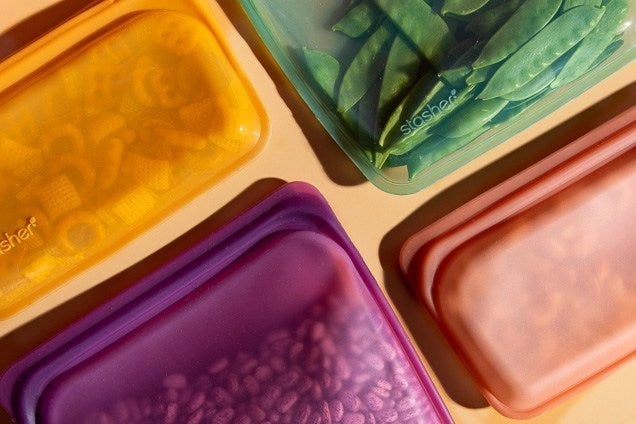
When it comes to meal prep storage, PE bags for meal prep storage stand out for several solid reasons. Compared to other options like glass or plastic containers, these bags are cost-effective, lightweight, and reusable, making them a practical choice for everyday use.
Cost Effective and Lightweight
PE bags offer great value without breaking the bank. They’re much cheaper than rigid containers and don’t add extra weight to your groceries or lunches. This makes them perfect for busy families or anyone who preps meals in bulk and needs affordable storage solutions.
Reusable and Airtight
Many PE bags are designed to be zip lock storage bags for food or have heat-sealable options which keep your meals airtight. This helps preserve freshness by locking out air and moisture, which can cause food to spoil or lose flavor. Plus, when you clean and reuse them properly, you reduce waste—something more and more people care about.
Freshness and Contamination Prevention
PE bags made from food-grade PE bags materials are safe for food contact and help prevent contamination. Keeping your prepped meals in these bags means less risk of leaks or spills in your fridge or freezer, helping maintain hygiene and your meal’s quality for longer.
Flexible Sizes and Designs
One of the biggest benefits is their flexibility in size and design. Whether you’re storing a small snack or a full meal, you can find PE bags in various sizes—flat, stand-up, gusseted, or zip lock—that fit your needs perfectly. This adaptability makes portion control easier and reduces food waste.
In short, plastic meal prep bags made from polyethylene blend convenience with practical benefits, making them an excellent choice for meal prep enthusiasts in the U.S. who want freshness, easy storage, and budget-friendly options under one roof.
Key Features to Look for in PE Bags for Meal Prep Storage
Choosing the right PE bags for meal prep storage means focusing on several important features. These help make sure your food stays fresh, secure, and easy to manage.
Food Grade Quality Certifications
Always pick food-grade PE bags that meet FDA or similar food safety standards. This guarantees the bags are safe to use with your meals without risk of harmful chemicals leaching into your food. Certified bags also assure compliance with regulations important to consumers in the U.S.
Thickness Gauge for Durability and Leak Resistance
The thickness of PE bags plays a big role in durability. A higher gauge means thicker plastic, which makes the bags more tear-resistant and less likely to leak. For meal prep, especially if liquids or sauces are involved, choosing bags at least 1.5 mil thick gives you peace of mind during storage and transportation.
Seal Types Zip Lock Heat Sealable Gusseted vs Flat Bags
The seal type impacts how airtight and reusable your bags are:
- Zip lock bags are popular for easy resealing and quick access.
- Heat sealable bags provide a more permanent, airtight seal great for long-term freezer storage.
- Gusseted bags offer extra room and expand to hold bulky or multiple meal portions.
- Flat bags are slim and space-saving but might need careful filling to avoid spills.
Choose based on how you pack and how often you want to reuse the bags.
Transparency for Easy Content Identification
Clear or semi-transparent PE bags let you quickly see what’s inside without opening them. This saves time and keeps your meal prep organized, especially in busy households or offices. Plus, it cuts down on food waste because you can easily spot what needs eating first.
Size Options for Various Meal Portions
Finding the right size matters. PE bags come in small, medium, and large sizes so you can match them to different portion needs—whether it’s a single snack, a full lunch, or a bulk meal prep batch. Using the right size keeps food fresh by reducing excess air and maximizes storage space in your fridge or freezer.
When shopping for plastic meal prep bags or bulk PE bags supplier options, focus on these key features. They’ll help you pick reliable, safe, and functional storage bags that fit your lifestyle and meal planning habits.
How to Use PE Bags for Meal Prep Storage Best Practices
Using PE bags for meal prep storage right ensures your food stays fresh and safe longer. Here’s how to get the most out of your polyethylene food storage bags.
Tips for Filling and Sealing to Prevent Spills and Freezer Burn
- Don’t overfill the bags. Leave some space at the top to make sealing easier and avoid spills.
- Remove as much air as possible before sealing to minimize freezer burn and keep food fresh.
- Choose zip lock storage bags for food with airtight seals or heat sealable bags for better protection.
- For wet or saucy meals, double-bag to prevent leaks and contamination.
- Use leak-proof PE bags if you store liquids or marinated meals in the freezer.
Proper Labeling and Stacking for Easy Meal Rotation
- Always label bags with the contents and date of storage using a permanent marker or labeling sticker.
- Organize your bags in the fridge or freezer by stacking flat to save space and ensure easy access.
- Arrange meals by date to practice first-in, first-out meal rotation, reducing food waste.
- Clear, transparent PE bags make it easier to quickly identify meal prep portions without opening each bag.
Guidelines on Reuse and Cleaning
- Use food-grade PE bags designed for reuse if you plan to clean and reuse them.
- To clean, rinse bags immediately after use with warm, soapy water, then air dry completely.
- Avoid using bags that are torn or heavily stained, as they can harbor bacteria.
- When in doubt, opt for fresh bags—especially when storing raw meats or seafood to prevent cross-contamination.
Safe Thawing and Reheating Practices with PE Bags
- Thaw frozen meals in the refrigerator overnight inside the sealed polyethylene bag to catch any drips.
- Avoid microwaving food directly in PE bags unless the bags are labeled microwave-safe.
- Transfer thawed food to microwave-safe containers before reheating for even heating and safety.
- For stovetop reheating, remove food from the bag entirely.
By following these best practices for meal prep storage solutions, your PE bags will keep your meals fresh, safe, and ready to go anytime.
Comparing PE Bags for Meal Prep Storage with Other Solutions
When it comes to meal prep storage, PE bags for meal prep storage stand out, but it’s worth comparing them with other popular options like glass containers, plastic containers, and vacuum seal bags.
Glass Containers Versus PE Bags
Glass containers are reusable, durable, and safe for both the microwave and oven, making them great for reheating and serving. However, they are heavier, bulkier, and can break easily. They take up more space in the fridge or freezer, which might be a challenge if you prep meals in bulk.
In contrast, PE bags are incredibly lightweight and flexible, saving storage space. They’re also much more affordable upfront and disposable or reusable, depending on the type, making them convenient for busy lifestyles.
Plastic Containers Compared to PE Bags
Plastic containers are another common choice. They’re sturdier than PE bags and usually come with lids to seal meals tightly. Many plastic containers are BPA-free and microwave-safe, but they can be more expensive than plastic meal prep bags and take up more room.
PE bags, especially those with zip lock storage bags for food, offer airtight storage and can be easier to stack or collapse when empty. They provide more flexibility for different meal portion sizes and shapes compared to rigid plastic containers.
Vacuum Seal Bags Versus PE Bags
Vacuum seal bags are excellent at preserving freshness by removing air completely, which extends food life in the freezer and reduces freezer burn. However, they often require a special sealing machine and tend to be more expensive. Vacuum-sealed bags can be less flexible in size options and are usually single-use.
PE bags, while not removing all air, provide a strong barrier against moisture and contaminants when sealed properly. They are more accessible for everyday use, don’t need extra equipment, and come in various sizes that suit different meal prepping needs.
Cost Convenience and Environmental Considerations
-
Cost: PE bags are generally the most budget-friendly option, especially when bought in bulk from a reliable bulk PE bags supplier. Glass and vacuum seal bags have higher upfront costs and plastic containers fall somewhere in between.
-
Convenience: PE bags win for easy storage, lightweight handling, and flexibility with portion sizes. They also dry and store quickly after washing—if reusable. Glass and hard plastic containers require more careful handling and storage space.
-
Environmental Impact: Glass containers are the most eco-friendly due to reusability and recyclability. Plastic containers vary, and some can be recycled depending on your local programs. PE bags typically are less eco-friendly, especially single-use varieties, but many reusable food-grade PE bags help reduce waste.
Bottom Line
PE bags for meal prep storage are a cost-effective, lightweight, and versatile option, especially suited for those looking for flexible portion sizes and easy storage. While glass and plastic containers offer durability and microwave safety, they can be heavier and take up more space. Vacuum seal bags excel at long-term preservation but lack convenience and are pricier.
Choosing the right storage comes down to your specific needs around cost, convenience, meal prep frequency, and your environmental priorities.
Artfullife’s Range of PE Bags for Meal Prep Storage

Artfullife offers a wide variety of PE bags designed specifically for meal prep storage, making it easy to find the right option for your needs. Whether you’re prepping meals for the week, storing leftovers, or managing bulk food storage, Artfullife covers all bases with its versatile product lineup.
Variety of Sizes and Types
Their selection includes various sizes of polyethylene food storage bags, from small snack-size bags to large freezer-safe options. You can choose between:
- Zip lock storage bags for food – great for easy sealing and reusability
- Flat and gusseted bags – for flexibility and extra storage space
- Heat sealable bags – ideal for airtight sealing, helping to lock in freshness
This range allows you to pick bags that match your meal portions perfectly, whether you’re storing single servings or family-sized meals.
Custom Options for Specific Needs
Artfullife also offers customizable options, so businesses or families with unique requirements can tailor bag thickness, size, and sealing types. This customization ensures the PE bags meet both storage capacity and durability standards while maintaining food-grade safety.
Bulk Purchase Benefits for Families and Food Businesses
Buying PE bags in bulk from Artfullife has several advantages, especially for families who meal prep regularly or food businesses that need reliable storage solutions:
- Cost-effective pricing per unit
- Reduced trips to the store
- Consistent quality and supply
- Convenient packaging optimized for easy storage
Bulk purchasing supports meal prep routines by always having the right bags on hand without overspending.
Quality Assurance and Food Safety Compliance
All Artfullife PE bags for meal prep storage comply with strict food safety standards, ensuring they are made from food-grade polyethylene materials that are free from harmful chemicals. This commitment guarantees that your meals are stored safely without risk of contamination. The bags also meet standards for durability, leak resistance, and freezer safety, protecting your food’s freshness longer.
Customer Feedback and Use Cases
Many customers highlight the reusability and leak-proof nature of Artfullife’s PE bags as a key benefit. Food businesses appreciate the consistent quality for deli and takeout packaging, while families love the convenience for portioned meals and snacks. These positive use cases affirm that Artfullife’s bags are a trusted choice in the U.S. market.
For more details on sealing features and how to get the best use of PE bags, check out Artfullife’s sealable food bags page. If you want to explore bulk buying options, visit their wholesale food bags collection.
Buying Guide How to Choose the Right PE Bags for Your Meal Prep Needs
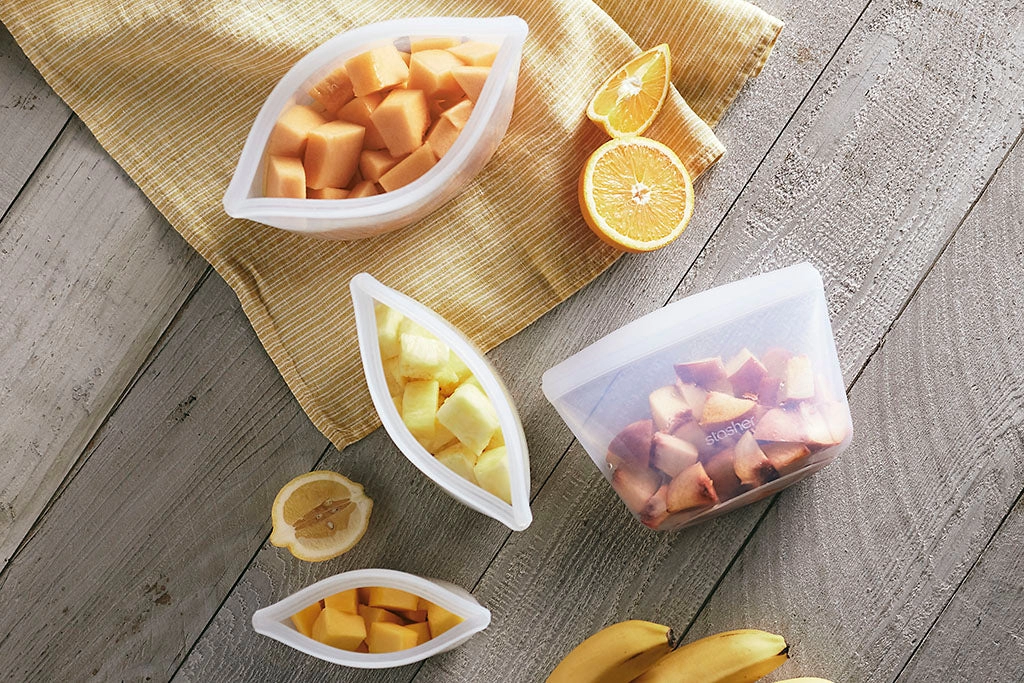
When selecting PE bags for meal prep storage, it’s important to consider several practical factors to make sure you get the best fit for your lifestyle.
Consider Your Meal Prep Frequency and Portion Sizes
- How often you prep meals will impact the quantity and type of polyethylene food storage bags you need. If you meal prep daily or multiple times a week, reusable food storage bags or bulk PE bags supplier options offer convenience and cost savings.
- Portion sizes matter too. Choose from a variety of sizes, whether you’re packing snacks, single meals, or large family portions. Having a range of sizes helps prevent waste and keeps meals organized.
Storage Space and Intended Storage Conditions
- Think about where you’ll store your meal prep bags. Are they going in the fridge, freezer, or pantry? Some PE bags are specifically designed as freezer safe plastic bags to prevent freezer burn, while others are better suited for fridge use or dry pantry storage.
- Bags with airtight seals or zip lock storage bags for food help maintain freshness regardless of the storage environment. Also, consider whether you need gusseted bags for easy stacking or flat bags that save space.
Budget Versus Quality Balance
- PE bags come in a wide price range. While budget-friendly options might seem appealing, investing in food-grade PE bags with good thickness gauge and leak-proof designs means better durability and food safety.
- Quality bags reduce spills and contamination risks, saving money in the long run by preserving your food better. Look for certifications or quality assurances, like those offered by trusted brands such as Artfullife, to ensure compliance with food safety standards.
Choosing the right polyethylene meal prep storage solution is about balancing your meal planning habits, storage environment, and budget while prioritizing food safety and convenience. For detailed options on sizes and custom types, check out Artfullife’s product selection.
Frequently Asked Questions About PE Bags for Meal Prep Storage
Are PE bags safe for storing hot foods
Yes, food-grade PE bags are generally safe for storing hot foods, but there are some limits. Polyethylene bags made from low-density polyethylene (LDPE) or high-density polyethylene (HDPE) can handle warm food without melting or releasing harmful chemicals. However, avoid placing boiling hot food directly into the bags—let it cool slightly first to prevent weakening the bag or causing leaks. Using PE bags with proper heat resistance ensures your meal prep stays safe and mess-free.
Can PE bags be microwaved
Most polyethylene meal prep bags are not designed for direct microwave use, especially for reheating. While some thicker or labeled microwave-safe PE bags exist, it’s best to transfer food to a microwave-safe container before heating. Microwaving in regular PE bags can cause melting or chemical leaching. For safe reheating:
- Transfer food from PE bags to a glass or microwave-safe dish
- If reheating in bags labeled microwave-safe, check manufacturer instructions carefully
How long can food stay fresh in PE bags
Food stored in airtight, leak-proof PE bags typically stays fresh:
- In the fridge: 3 to 7 days depending on the food type
- In the freezer: 1 to 3 months for most items without freezer burn
Sealing tightly and opting for freezer safe plastic bags helps prevent odors, moisture loss, and contamination, extending freshness. Proper stacking and labeling also help keep track of storage times and maintain meal prep quality.
Are PE bags environmentally friendly
PE bags have pros and cons environmentally. They are:
- Lightweight and use less material compared to rigid containers, which reduces transportation emissions
- Often reusable if cleaned and handled properly, cutting down waste
However, traditional PE bags are still plastic and contribute to landfill waste if not recycled. Look for recyclable or biodegradable PE bags and consider bulk purchasing from trusted suppliers to reduce packaging waste. Choosing reusable PE bags over single-use options is a simple way to minimize environmental impact while enjoying the convenience of meal prep storage.
Using food-grade, airtight PE bags for meal prep offers flexible, safe, and affordable storage, but knowing their limits on heat and recycling options helps you make smarter, sustainable choices.