















Are you looking for the best way to store chilled and frozen foods while keeping them fresh and safe? Choosing the right PE food bags for chilled and frozen items can make all the difference in preserving quality and extending shelf life. As a trusted supermarket or food vendor, it’s essential to know why polyethylene (PE) bags are the go-to solution for cold storage—it’s not just about sealing, but about protection, durability, and maintaining hygiene standards.
In this guide, you’ll learn everything you need to know about PE food bags designed specifically for chilled and frozen products, from material types and key features to best practices and where to find reliable suppliers like Artfullife. Whether you’re packaging fresh produce or frozen meals, the right packaging saves your business money and keeps customers coming back for quality. Let’s get started!
PE Food Bags What Are They
When it comes to storing chilled and frozen foods, PE food bags are a popular and trusted choice. But what exactly are these bags, and what makes them suitable for food storage?
Definition and Composition of PE Food Bags
PE food bags are made from polyethylene (PE), a versatile plastic polymer widely used in food packaging thanks to its safety and durability. These bags create a protective barrier that helps preserve freshness and prevent contamination. Polyethylene is composed of long chains of ethylene molecules, giving it flexibility and resistance to moisture.
Types of PE Used in Food Packaging LDPE vs HDPE
There are two main types of polyethylene used in making food bags:
-
Low-Density Polyethylene (LDPE)
LDPE is softer, more flexible, and has excellent moisture barrier properties. It’s a common choice for freezer storage bags because it conforms well around food items and resists cracking in cold temperatures.
-
High-Density Polyethylene (HDPE)
HDPE is stiffer and more durable than LDPE, offering higher puncture resistance. It’s often used when heavier duty food packaging bags are needed, especially for sharp or irregularly shaped frozen foods.
Both LDPE and HDPE are food safe, meeting the strict standards required for direct contact with food items.
Why PE Food Bags Are Food Safe and Eco Friendly
PE bags are FDA approved for food contact, meaning they are tested and certified to not leach harmful substances into your food even in chilled or frozen conditions. This makes them a safe option for storing everything from fresh produce to frozen meats.
On the environmental side, polyethylene is recyclable and consumes less energy to produce compared to many other plastics. Modern production focuses on minimizing environmental impact by:
- Using less material without compromising strength
- Supporting recycling programs to reduce landfill waste
- Offering options for reusable PE bags that cut down on single-use plastic waste
Choosing PE food bags for freezer and chilled storage is smart both for food safety and sustainability.
For trusted, high-quality PE food packaging bags, have a look at our range of polyethylene food bags for freezer, designed to meet the needs of supermarkets and food vendors with varying storage demands.
Why Choose PE Food Bags for Chilled and Frozen Items
When it comes to storing chilled and frozen foods, PE food bags are a top choice for both supermarkets and home users across the United States. Here’s why polyethylene bags stand out for cold storage, fresh food packaging, and freezer use.
Flexibility at Low Temperatures
PE bags remain flexible even at freezing temperatures, unlike some plastics that become brittle and crack. This flexibility is crucial for handling frozen foods without tearing the bags or causing damage during storage and transport.
Excellent Moisture Barrier
Polyethylene provides a strong moisture barrier, which helps lock in moisture inside the bag while keeping external moisture out. This reduces ice crystal formation on foods and prevents sogginess in chilled items, maintaining better texture and taste.
Superior Puncture and Tear Resistance
Thanks to the toughness of high-quality PE, these bags offer puncture resistance that protects foods from sharp edges like fish bones or frozen vegetables. This resilience is essential for freezer storage bags to avoid leaks and contamination.
Protection Against Freezer Burn and Contamination
PE bags create an effective seal that minimizes air exposure, which is the main cause of freezer burn—dry, discolored spots that damage food quality. Additionally, these bags reduce the risk of contamination by keeping out freezer odors and external bacteria, ensuring food stays safe and hygienic.
Maintaining Food Freshness and Hygiene Standards
Using polyethylene food bags designed for chilled and frozen storage supports food freshness by preserving flavor and preventing spoilage. Their food safe certification means they meet hygiene standards, making them ideal for fresh food storage in supermarkets and food vendors.
For those looking for reliable solutions tailored to freezer use, consider vacuum seal polyethylene bags and reclosable zipper PE bags that enhance convenience and protection. Learn more about zipper PE bags here.
PE food bags combine flexibility, moisture protection, durability, and safety, making them an excellent pick for anyone needing trusted freezer storage bags and chilled food packaging solutions.
Types of PE Food Bags Suitable for Chilled and Frozen Foods
When it comes to PE food bags for chilled and frozen items, choosing the right type matters a lot. Different styles serve different needs, especially in the U.S. market, where food safety, convenience, and durability are priorities.
Vacuum Seal PE Bags vs Regular PE Bags
- Vacuum seal polyethylene bags remove air to protect food from freezer burn and spoilage. This is perfect for long-term freezer storage.
- Regular freezer storage bags are great for everyday use with quick access but don’t offer the same air-tight protection.
- Vacuum bags help maintain freshness longer by significantly reducing moisture and oxygen exposure, making them excellent for meats, fish, and bulk frozen goods.
Reclosable Zipper PE Bags for Convenience
- Reclosable zipper PE bags offer an easy-to-close feature that’s perfect for chilled and frozen food items you need to access frequently.
- These bags fit well for portion control or storing leftovers, ensuring minimal exposure to air each time you open them.
- Their user-friendly design helps maintain hygiene and reduce waste, ideal for busy households and supermarkets alike.
Anti Fog and Breathable PE Bags vs Standard Bags
- Anti fog and breathable PE bags are specifically designed to prevent moisture buildup inside the bag during refrigeration.
- These are great for fresh produce and chilled foods that require air circulation but need protection from condensation.
- Standard PE food bags lack these features, which may lead to soggy or spoiled refrigerated goods over time.
Custom Sizes and Thicknesses for Various Food Types
- PE bags come in custom sizes and thicknesses tailored to your needs—whether it’s thin bags for bulk frozen vegetables or heavy-duty options for dense frozen meats.
- Thicker bags add extra puncture resistance and durability, protecting your frozen items better during handling and storage.
- Custom sizing helps reduce waste and optimizes storage space in freezers and refrigerators, key for U.S. food vendors and home users managing space carefully.
By choosing the right polyethylene food bags for freezer use, you can keep your chilled and frozen foods fresher longer, protect them from damage, and enjoy easier food storage and handling.
Critical Features to Consider When Buying PE Food Bags for Frozen and Chilled Foods
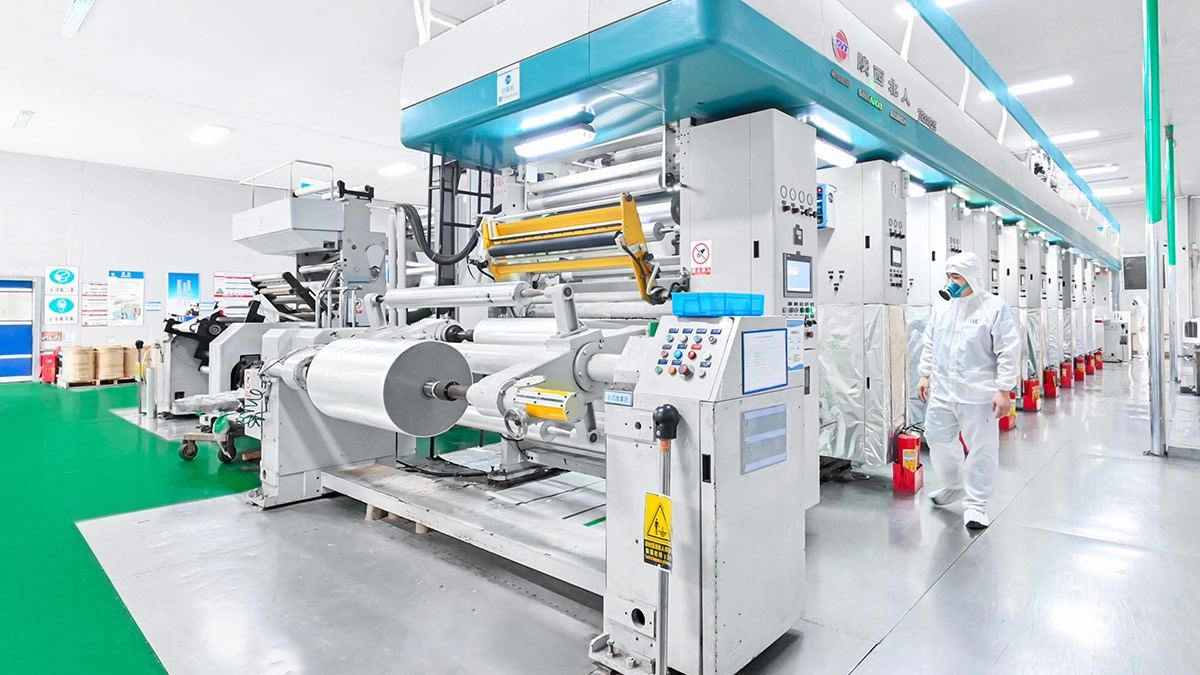
When selecting PE food bags for chilled and frozen items, it’s important to look beyond just price and size. Choosing the right bags can protect your food, save money, and support your brand. Here are the essential features to keep in mind:
Thickness Gauge and Durability Standards
- Thickness matters: Look for bags with the right gauge (measured in mils or microns) for your specific needs. Thicker bags offer better puncture resistance and durability, which is crucial when storing frozen or heavy foods.
- For everyday frozen food storage, bags between 2 to 4 mils work well.
- Heavy-duty PE bags at 5 mils or more are best if you need extra protection and long-term storage.
FDA and Food Safety Certifications
- Always choose FDA-approved food safe PE packaging to ensure your bags meet strict standards for direct food contact.
- Compliance with FDA regulations means the bags won’t leach harmful chemicals or affect food taste and safety.
- Certified bags give you and your customers peace of mind, especially important in supermarkets and food service.
Temperature Resistance and Testing
- PE food bags designed for chilled and frozen foods should withstand low temperatures without cracking or becoming brittle.
- Look for bags tested to maintain flexibility and strength at freezer temperatures around -20°F to -40°F.
- Properly tested freezer storage bags help avoid freezer burn and protect food quality.
Material Transparency and Printability
- Clear PE bags allow easy product inspection—great for fresh food storage where customers want to see what they are buying.
- Choose bags with excellent printability, so you can add labels, branding, and important product info.
- Customized printing helps boost your brand visibility on shelves and builds trust with your customers.
Environmental Considerations and Recyclability
- More customers are asking for eco-friendly packaging—choose recyclable PE bags to reduce environmental impact.
- Look for bags made from high-quality recyclable polyethylene that still deliver durability and protection.
- Consider reusable freezer bags PE options if your store promotes sustainability and reuse.
By focusing on these features, you get PE food bags that meet food safety, durability, and environmental standards—keeping your chilled and frozen foods fresh and your customers happy.
Benefits of Using Artfullife PE Food Bags for Supermarkets and Food Vendors
When it comes to stocking PE food bags for chilled and frozen items, Artfullife stands out as a reliable partner for supermarkets and food vendors across the United States. Here’s why choosing Artfullife makes a difference in your daily operations:
Quality Assurance and Sourcing Practices
Artfullife sources their polyethylene food bags for freezer and fresh food storage from trusted manufacturers who meet strict food safety standards. Each batch undergoes thorough quality checks to ensure:
- Compliance with FDA food safety certifications
- High durability and resistance to punctures and tears
- Consistent thickness for reliable freezer storage bags
This dedication to quality ensures your food stays fresh, protected, and meets hygiene standards, helping maintain the reputation of your store or food business.
Competitive Pricing and Bulk Order Options
Supermarkets and food vendors often need large quantities of heavy duty PE food bags that won’t break the bank. Artfullife offers competitive pricing and flexible bulk order options, making it easy and affordable to stock up without compromising on quality. Buying in bulk also means you’re ready for seasonal spikes and daily demand, without frequent restocking hassles.
Customer Support and Customization Services
Artfullife goes beyond just selling food safe PE packaging. Their team provides excellent customer support to help you:
- Choose the right bag size and thickness for different chilled and frozen foods
- Understand the benefits of vacuum seal polyethylene bags or reclosable zipper PE bags
- Customize bags with printable branding options to promote your store or product
This hands-on approach ensures you get packaging solutions tailored to your unique needs, improving product presentation and customer satisfaction.
How Artfullife Helps Maintain Product Quality and Customer Satisfaction
Using Artfullife PE bags means you’re investing in freezer safe plastic bags for food that protect your inventory from freezer burn, moisture loss, and contamination. This protection helps:
- Keep food fresher for longer to reduce waste
- Maintain consistent product quality that customers trust
- Enhance overall food safety, helping you meet local health regulations
In short, Artfullife’s PE bags support your business goals by preserving product integrity, improving shelf life, and boosting shopper confidence. For supermarkets and food vendors focused on quality and efficiency, Artfullife offers dependable solutions that perform as promised.
How to Properly Use and Store PE Food Bags for Chilled and Frozen Items
Using PE food bags correctly is essential to maximize their benefits for chilled and frozen foods. Follow these best practices to ensure food stays fresh, safe, and well protected in your freezer or fridge.
Best Practices for Bag Sealing and Storage
- Seal bags tightly: Make sure to remove as much air as possible from your PE food bags before sealing. This reduces ice crystals and prevents freezer burn, keeping your food fresher for longer.
- Use vacuum seal PE bags when possible: Vacuum seal polyethylene bags offer superior protection against moisture loss and contamination compared to regular freezer storage bags.
- Label and date your bags: Always write the contents and date on the PE bag using a permanent marker. It helps with organization and prevents food from getting forgotten or stored too long.
- Avoid overfilling: Leave some space in the bag to allow for food expansion when freezing. Overfilled bags can burst or become punctured, compromising protection.
- Store bags flat: Lay PE bags flat in the freezer. This saves space and speeds up freezing time for better food quality.
Tips to Prevent Freezer Burn and Extend Shelf Life
- Choose the right thickness: Heavy-duty PE food bags are less likely to develop holes or tears that cause freezer burn. Match bag thickness to the type of food you are storing.
- Double bag for extra protection: For longer storage, especially with high-moisture foods, use two PE bags to provide an extra moisture barrier.
- Use anti-fog PE bags if possible: These help maintain visibility inside the bag and prevent moisture buildup, which can accelerate spoilage.
- Keep your freezer at the right temperature: Maintain freezer temperature at or below 0°F (-18°C) to keep foods safe and slow down bacterial growth.
- Rotate stock regularly: Use a first-in, first-out system with your frozen goods to ensure you consume items before they lose quality.
Handling Safety and Hygiene Recommendations
- Keep hands and surfaces clean: Always wash hands before handling food and PE bags to avoid contamination. Sanitize surfaces used for packing and sealing food.
- Store PE bags in a clean, dry place: Avoid exposing unused PE freezer bags to dust, moisture, or direct sunlight which can affect bag integrity over time.
- Do not reuse bags that held raw meats or fish: For food safety, discard PE bags used for raw proteins after one use unless they are specifically designed and cleaned for reuse.
- Follow food safety guidelines: Always thaw frozen foods safely in the fridge or microwave, never at room temperature, even if stored in PE bags.
By applying these practical tips, you can maximize the performance of polyethylene food bags for freezer and chilled food storage while keeping your food fresh, safe, and hygienic. For more detailed guidance on storage food bags and other food-safe packaging options, check out Artfullife storage food bags.
FAQs About PE Food Bags for Chilled and Frozen Items
Can PE Bags Handle Extreme Freezing Temperatures
Yes, PE food bags for freezer and chilled items are designed to perform well in low temperatures. Both LDPE and HDPE bags maintain their flexibility and strength even in freezing conditions, which helps prevent cracking or tearing. Look for bags tested to withstand temperatures as low as -40°F to ensure they won’t fail in your freezer or cold storage.
Are PE Bags Recyclable and Biodegradable
Most polyethylene food bags for freezer use are recyclable, especially if made from HDPE or LDPE marked with recycling codes #2 or #4. However, recycling options can vary by your local waste management facilities. While PE bags are not biodegradable, many brands focus on eco-friendly manufacturing and producing thinner bags that use less plastic without compromising durability. For customers focused on sustainability, look for bags made from recycled PE or those with clear recycling instructions.
How to Choose the Right Thickness for Different Food Items
The thickness gauge of PE food bags is key to protecting your chilled and frozen goods. Here’s a quick guide:
- Lightweight items or fresh produce: 1 to 2 mil thickness
- Heavier meats or bulk frozen foods: 3 to 4 mil thickness or higher
- Vacuum seal PE bags: Usually thicker to maintain an airtight seal and prevent punctures
Choosing the right thickness helps prevent punctures, freezer burn, and contamination. For tougher foods, always go a bit thicker to ensure durability.
Can PE Bags Be Reused Safely
Yes, many reusable freezer bags made from PE can be safely reused if handled correctly. To reuse:
- Thoroughly wash with warm, soapy water
- Dry completely before storing new food
- Avoid bags with tears, excessive wear, or stains
Single-use vacuum seal PE bags are less suitable for reuse because of their sealed design, but regular and reclosable zipper PE bags can be reused multiple times, making them a cost-effective and eco-friendly choice.
In , PE food bags for frozen and chilled items are designed for durability, food safety, and environmental responsibility. Knowing their temperature limits, recyclability, appropriate thickness, and reuse tips can help you get the best results storing your food safely and efficiently.