















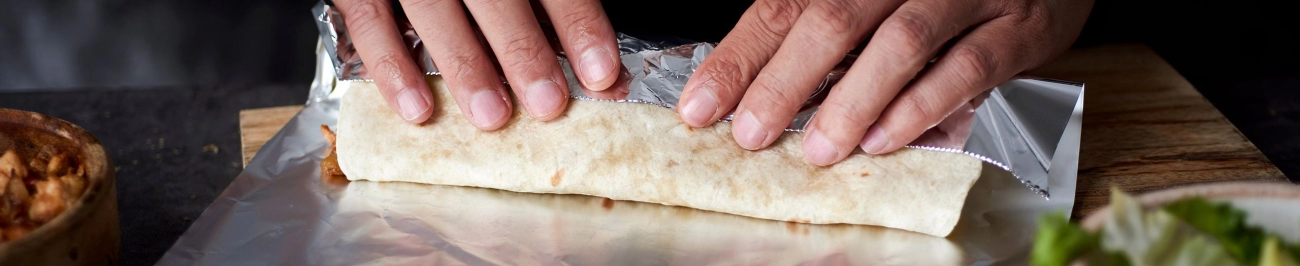
Are you wondering if aluminum foil is safe for food contact? Whether you’re wrapping leftovers, grilling, or baking, using foil is a kitchen staple—but questions about its safety keep popping up. From health concerns about aluminum leaching into food to the best ways to use foil without risk, navigating the facts can feel confusing.
In this article, you’ll get clear, trustworthy answers on safe aluminum foil for food contact backed by science and regulatory guidance. Plus, we’ll share practical tips on how to use aluminum foil safely while keeping your kitchen—and the planet—a little greener. Ready to learn how to make foil work for you without worry? Let’s dive in!
What Is Food-Grade Aluminum Foil Safe for Food Contact
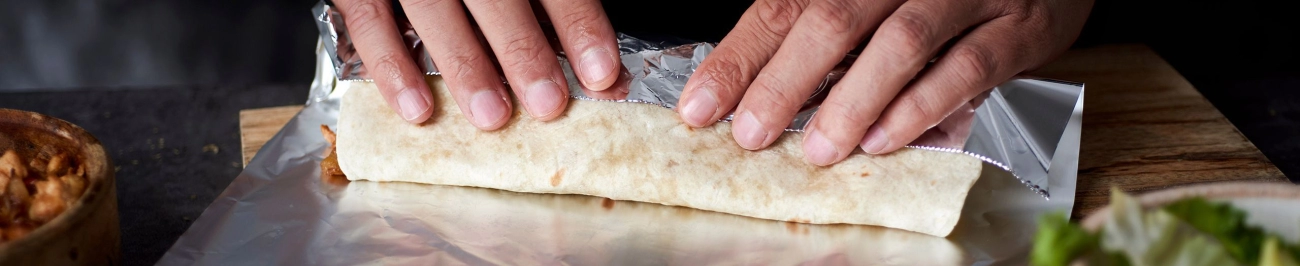
When you shop for aluminum foil, you might wonder, what makes food-grade aluminum foil different from regular foil? Food-grade aluminum foil is specially manufactured to be safe for direct contact with food, meeting strict safety and quality standards.
Definition of Food-Grade Aluminum Foil
Food-grade aluminum foil is made from high-purity aluminum that complies with health and safety guidelines from agencies like the FDA (Food and Drug Administration) in the US and EFSA (European Food Safety Authority) in Europe. This type of foil is produced and tested to ensure it does not leach harmful substances into food under normal cooking and storage conditions.
Difference Between Regular Aluminum Foil and Food-Grade
While regular aluminum foil may be intended for industrial or decorative use, food-grade foil undergoes rigorous testing to confirm its suitability for wrapping, cooking, and storing food. The key differences include:
- Purity: Food-grade aluminum foil has minimal impurities to reduce chemical reactions.
- Thickness and strength: It’s designed to withstand heat and prevent tearing during cooking or storage.
- Surface finish: The foil used for food is often smooth and free from coatings that are unsafe for ingestion.
Composition and Standards Food-Grade Aluminum Foil Must Meet
The core composition of food-grade aluminum foil is primarily aluminum (usually above 99%). It must meet standards such as:
- FDA regulations: These limit allowable aluminum migration into foods to safe levels.
- EFSA guidelines: Offering similar protective measures and migration limits in Europe.
- ASTM International Standards: Cover the mechanical and chemical properties required for safe use.
These standards ensure the foil is non-toxic, stable at cooking temperatures, and resistant to interacting with food, especially acidic or salty ingredients.
How to Identify Safe Aluminum Foil on the Market
To pick safe aluminum foil for food contact in stores or online, look for:
- Clear labeling mentioning FDA or EFSA compliance.
- Brands that market their products as food-grade or food-safe foil.
- Product descriptions mentioning thickness, purity standards, and absence of harmful coatings.
- Reviews or certifications from trusted agencies or eco-conscious brands like Ecoartfullife, which prioritize safety alongside sustainability.
Choosing the right foil will protect your food and give you peace of mind during cooking and storage. If you’re unsure, opt for reputable brands and products specifically identified as FDA approved aluminum foil for food use.
Is Aluminum Foil Safe for Food Contact
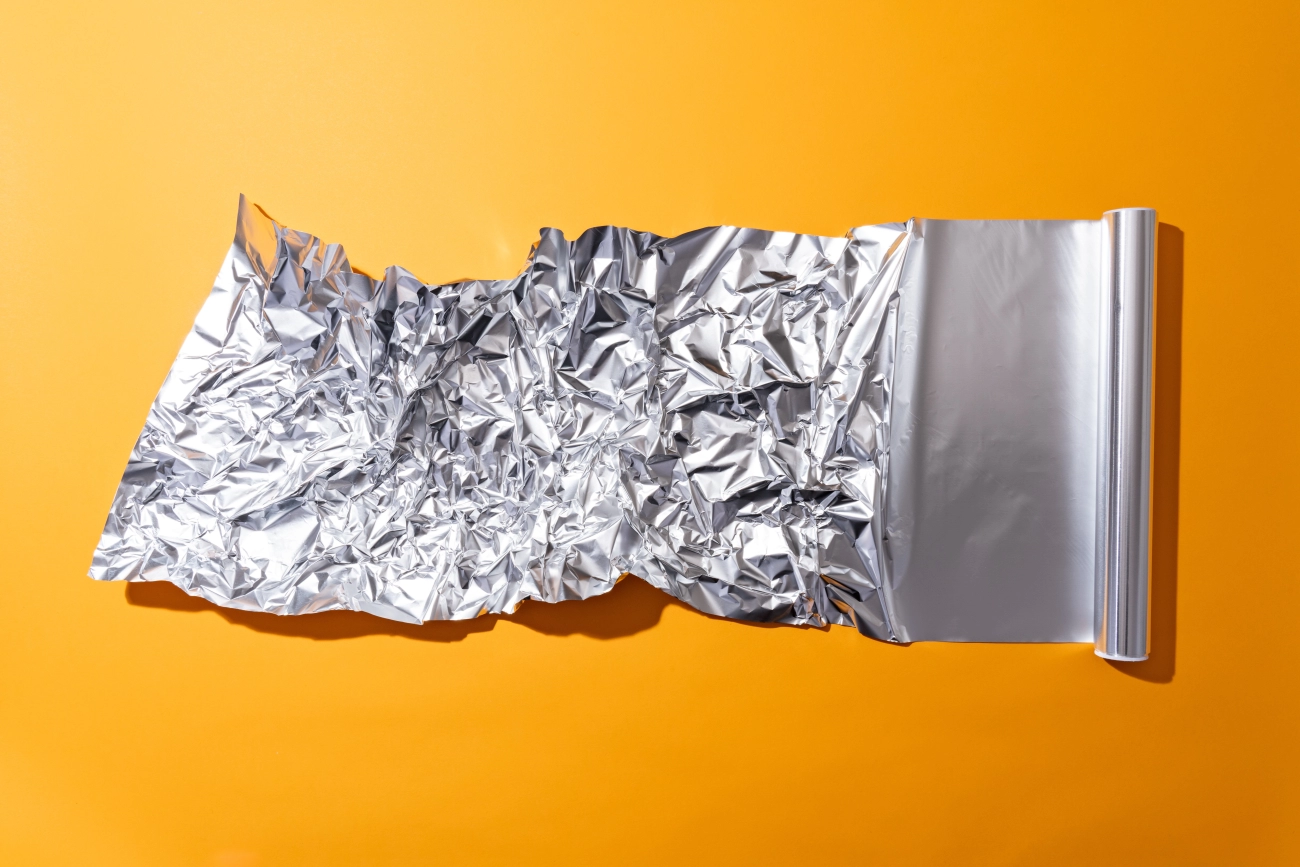
When it comes to food-grade aluminum foil safety, the simple answer is yes—but with some important conditions. Leading health agencies like the FDA, WHO, and EFSA all approve aluminum foil for direct food contact. These bodies regulate the amount of aluminum that can migrate into food to ensure it stays well within safe limits.
How Aluminum Leaches into Food
Aluminum can migrate from foil into food, but this happens mostly under specific conditions:
- High heat: Cooking or baking at very high temperatures can increase aluminum migration.
- Acidic or spicy foods: Foods like tomatoes, citrus, or vinegar-based dishes can cause more aluminum to leach.
- Long contact time: Storing food wrapped tightly in foil for days may slightly raise aluminum levels.
Despite this, the amount transferred is usually very small and far below any harmful threshold set by regulatory agencies.
Common Cooking Situations and Risks
- Wrapping and baking potatoes or meats in foil is generally safe.
- Avoid wrapping strongly acidic dishes like lemon-marinated fish directly in foil during cooking.
- Using foil for short-term storage is fine, but long-term storage of acidic foods in direct foil contact is not recommended.
What Recent Health Studies Say
There have been concerns about aluminum exposure relating to health issues like Alzheimer’s disease. However, extensive research shows no clear link between typical dietary aluminum from foil and serious health problems. Experts emphasize that normal use of safe aluminum foil does not pose a Alzheimer’s risk or other illnesses.
Debunking Myths About Aluminum Foil and Toxicity
- Myth: Aluminum foil causes aluminum poisoning. The amount from foil is minimal compared to other sources like food additives and drinking water.
- Myth: Cooking with foil makes food toxic. When used properly, aluminum foil is safe and does not make food poisonous.
- Myth: Only heavy-duty or special foil is safe. Food-grade aluminum foil from trusted brands complies with safety standards regardless of thickness.
In , the scientific consensus supports that FDA-approved aluminum foil is safe for food use, so long as it’s used correctly and avoided with very acidic or ultra-high heat situations. This reassures millions of U.S. households that their everyday cooking and food storage with foil is safe and regulated.
How to Use Aluminum Foil Safely with Food
Using food-grade aluminum foil is generally safe, but following some smart practices helps reduce any risks related to aluminum leaching and keeps your food tasting great. Here’s how to use aluminum foil safely during cooking and storage.
Best Practices for Safe Aluminum Foil Use
- Avoid long contact with acidic or spicy foods. Ingredients like tomatoes, citrus, vinegar, and hot sauces can cause aluminum to migrate into your food if wrapped tightly for hours or stored overnight.
- Cook at moderate temperatures. Using foil in the oven up to about 400°F (204°C) is usually safe. Avoid extremely high heat or open flames, which can cause foil breakdown and increase aluminum transfer.
- Limit cooking duration when using foil. Longer cooking times, especially at high heat, may increase leaching risks. Use foil when it adds value like steam retention or cleanup but don’t overdo it.
Safe Storage Tips with Aluminum Foil
- Avoid direct contact between foil and highly acidic or salty foods during storage. Instead, place a barrier like parchment paper between foil and food or use containers with lids.
- For longer-term food storage, consider reusable containers or wrap food in plastic wrap before covering with foil to reduce direct foil contact.
Alternatives to Aluminum Foil for Food Safety
- Use parchment paper for baking and wrapping acidic foods. It’s safer and also reduces aluminum exposure.
- Silicone baking mats and lids are great eco-friendly alternatives for oven use and food storage.
- Beeswax wraps are perfect for covering sandwiches, fruits, and leftovers without any metal contact.
Eco-Friendly Disposal and Reuse Tips
- Recycle clean aluminum foil whenever possible. Most curbside recycling programs accept aluminum foil if it’s free of food residue.
- Reuse foil sheets for wrapping dry food or covering dishes dry, as long as they’re not heavily soiled.
- When foil is no longer usable, compost alternatives like beeswax wraps or silicone covers help reduce environmental impact.
By following these simple guidelines, you can enjoy the convenience of aluminum foil while keeping your food safe and reducing unnecessary waste.
Aluminum Foil and Environmental Considerations
Environmental Impact of Aluminum Foil
Aluminum foil is widely used in kitchens across the United States, but it comes with notable environmental concerns. Producing aluminum foil requires a high amount of energy and natural resources, especially bauxite mining, which can disrupt ecosystems. Although aluminum is recyclable, not all used foil makes it to recycling bins because food contamination often sends it to landfill instead. This means a significant portion of aluminum foil ends up as waste, contributing to pollution and increased carbon footprint.
Ecoartfullife’s Approach to Safe and Sustainable Aluminum Foil
At Ecoartfullife, we prioritize both health safety and environmental responsibility in our product choices. Our selection of food-grade aluminum foil meets strict standards for food contact safety while also being mindful of environmental sustainability. Whenever possible, we encourage using foil made from recycled aluminum and packaging that minimizes waste. This approach helps reduce environmental impact without compromising on safety or convenience for everyday cooking and food storage.
Tips for Reducing Aluminum Foil Use and Choosing Eco-Friendly Alternatives
To support sustainability while keeping food safe, consider the following:
- Cut down aluminum foil use by using it only when necessary instead of as a disposable wrap.
- Choose recyclable or recycled aluminum foil brands that meet FDA-approved food safety standards.
- Switch to eco-friendly alternatives for certain cooking or storage needs:
- Beeswax wraps: Great for covering bowls and wrapping dry foods.
- Silicone lids and reusable food covers: Perfect for microwaving and storage without waste.
- Glass or stainless steel containers with lids: Long-lasting and safe for all food types.
By making simple swaps and informed choices, you can protect your health while also reducing the environmental footprint of your kitchen.
Using safe aluminum foil combined with these eco-friendly habits supports both your family’s well-being and a greener planet—an approach that Ecoartfullife proudly champions.
FAQs About Safe Aluminum Foil for Food Contact and Usage
Is Aluminum Foil Safe to Use in the Microwave or Oven
Yes, aluminum foil is safe for oven use as it can handle high temperatures without issues. However, using foil in the microwave requires caution:
- Avoid tightly wrapping food in foil inside the microwave to prevent sparks or fire.
- Microwave-safe foil containers or small foil strips can be used but keep them away from microwave walls.
- When in doubt, consult your microwave’s manual for specific guidance.
In the oven, use foil to cover dishes, line trays, or wrap food safely. Just avoid contact with heating elements to prevent burning.
Can Aluminum Foil Cause Aluminum Poisoning
Aluminum poisoning from foil is very unlikely when used properly. Regulatory bodies like the FDA and EFSA set strict limits on aluminum migration into food, and typical cooking or storage doesn’t exceed these limits.
- Aluminum may leach slightly when foil contacts acidic foods (like tomatoes or citrus) or is exposed to very high heat for long periods.
- This low-level exposure does not pose a health risk for most people.
- Scientific reviews have debunked myths linking normal foil use to diseases like Alzheimer’s.
How to Tell If Foil Is Food-Safe
Look for labels indicating food-grade aluminum foil. Here’s how to identify safe options:
- Check for FDA or EFSA approval on packaging.
- Food-grade foil is pure aluminum, usually 0.016 mm thick, and free of harmful additives.
- Avoid foil marketed for industrial or craft use, as it might not meet food safety standards.
- Trusted brands often highlight their compliance with safety regulations.
Best Safe Aluminum Foil Brands Including Ecoartfullife Recommendations
In the US market, some reliable food-grade aluminum foil brands include:
- Reynolds Wrap (FDA-approved, widely trusted)
- Glad Aluminum Foil
- Ecoartfullife aluminum foil products, which prioritize both food safety and eco-friendliness
- Look for thick, heavy-duty foil for better protection and durability, especially when cooking or storing foods prone to leaching.
How to Store Food Safely with Aluminum Foil
To keep your food safe when using aluminum foil for storage:
- Avoid wrapping highly acidic or salty foods directly in foil for long periods.
- Use parchment paper or wax paper as a barrier between foil and food if needed.
- Refrigerate wrapped foods promptly and avoid prolonged room temperature storage.
- Ensure the foil is tightly sealed to prevent contamination but avoid crushing delicate foods.
- For leftovers or long-term storage, consider foil containers with lids or safer alternatives like glass containers.
Using food-grade aluminum foil safely and understanding its limits will help you enjoy convenience without unnecessary worry. When in doubt, Ecoartfullife products offer a great balance of safety and eco-consciousness for everyday US kitchens.