
















Are you looking for a safe and reliable way to store your food that keeps it fresh longer and prevents contamination? Using PE bags for food storage is one of the simplest yet most effective solutions out there. But not all PE bags are created equal—knowing which ones are truly food-grade, how to use them properly, and where to get high-quality options can make all the difference for your kitchen, grocery store, or restaurant.
In this guide, you’ll discover everything you need to know about safe food storage with PE bags—from understanding the different types and safety standards to mastering best practices that extend your food’s freshness and reduce waste. Plus, you’ll see why Artfullife stands out as a trusted supplier offering premium, certified food-grade PE bags tailored to your needs.
Ready to learn how to store food safely and smartly with PE bags? Let’s get started!
PE Bags and Their Role in Safe Food Storage with PE Bags
When it comes to storing food safely and efficiently, PE bags (polyethylene bags) play a crucial role. These bags are widely used in households, supermarkets, and restaurants across the United States because they offer a practical and dependable way to keep food fresh, organized, and protected from contamination.
What Are PE Bags and Their Material Types
PE bags are made from polyethylene, a type of plastic polymer that comes in two main variants for food storage:
-
LDPE (Low-Density Polyethylene)
LDPE bags are flexible, soft, and transparent, making them ideal for wrapping fresh produce, bread, or dry goods. They provide good moisture resistance while still being easy to handle and seal.
-
HDPE (High-Density Polyethylene)
HDPE bags are thicker and more rigid compared to LDPE. They are often used for heavier or bulkier food items and provide higher durability and puncture resistance. You’ll find HDPE bags commonly used for frozen foods and packaging meats.
Both materials are food-safe when produced under proper standards and are popular because they balance flexibility, durability, and cost-effectiveness.
Benefits of Using PE Bags for Food Storage
Choosing PE bags for food storage offers several advantages:
- Flexibility — PE bags mold easily around various food shapes and sizes, making them great for portion control and minimizing wasted space in your fridge or freezer.
- Durability — They resist tears and punctures, protecting foods from contamination and moisture loss.
- Cost-Effectiveness — Compared to rigid containers, PE bags are more affordable and disposable or reusable, perfect for daily household use.
- Lightweight — Easy to handle and store, especially if you need to pack food for travel or picnic.
Comparison with Other Food Storage Solutions
You might wonder how PE bags stack up against other common food storage options like plastic containers or glass jars:
| Aspect | PE Bags | Plastic Containers | Glass Jars |
|---|---|---|---|
| Flexibility | Highly flexible to fit food | Rigid, fixed shape | Rigid, fixed shape |
| Storage Efficiency | Saves space in fridge/freezer | Takes more shelf space | Bulky, heavier |
| Durability | Tear resistant but can puncture | Durable and reusable | Very durable, breakable |
| Cost | Low-cost, disposable or reusable | Generally higher upfront cost | More expensive upfront |
| Food Freshness | Good moisture retention, airtight when sealed | Can be airtight | Airtight with proper lids |
| Environmental Impact | Lightweight, recyclable when properly disposed | Reusable but plastic waste concerns | Reusable, recyclable but energy-intensive to produce |
For many, PE bags provide a great balance between price, performance, and ease of use — ideal for daily food storage needs, especially when you want to keep things simple and efficient.
Using safe plastic bags like food-grade polyethylene bags can transform how you store food, helping keep your groceries fresh longer while cutting down on waste. I’ll break down more about how to identify safe PE bags and use them effectively in the next sections.
Safety Standards and Food-Grade PE Bags for Safe Food Storage
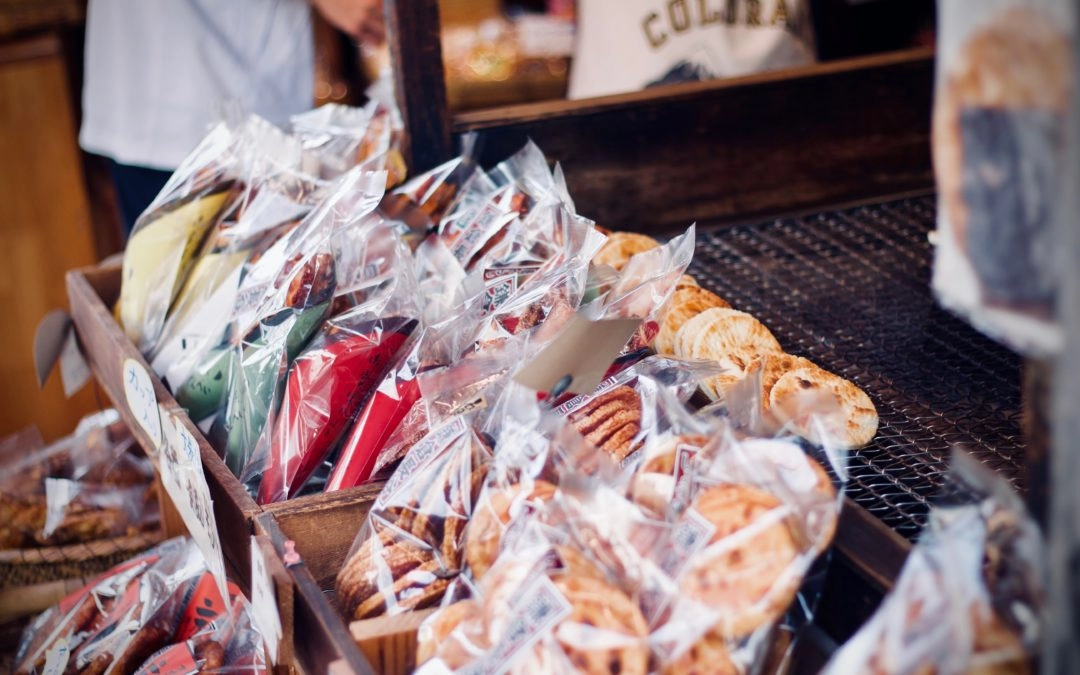
When it comes to safe food storage with PE bags, choosing the right kind of polyethylene bag is crucial. Food-grade PE bags are specially made to ensure they don’t release harmful chemicals into your food. But what exactly makes a PE bag safe for food?
What Makes a PE Bag Food-Grade
Food-grade polyethylene bags are manufactured using high-quality materials without toxic additives or contaminants. These bags:
- Use FDA-approved polyethylene resins designed to prevent chemical leaching.
- Are treated and tested to meet strict hygiene standards.
- Are free from BPA, phthalates, and other harmful plasticizers.
These qualities ensure the bags are safe for direct contact with all types of food, including fresh produce, meat, and frozen items.
Regulatory Standards and Certifications to Look For
In the U.S., the FDA (Food and Drug Administration) sets the primary regulatory standard for food-grade plastics, including PE bags. If you’re shopping for reliable food storage bags, look for:
- FDA approval: Confirms the bag meets toxicological and safety requirements.
- Compliance with 21 CFR Part 177: The FDA regulation listing allowable materials for food contact.
- For international products, EU Food Contact Regulations (EC 1935/2004) are also important.
- Certifications from NSF International or other reputable third-party testing bodies add an extra layer of trust.
How to Identify Authentic Food-Grade PE Bags
Not all PE bags on the market are food-safe. Here’s how to spot authentic food-grade bags:
- Check the labeling: Bags should clearly state “food-grade” or “FDA approved.”
- Look for certification stamps or codes on the packaging.
- Purchase from reputable brands or suppliers known for food storage products.
- Avoid bags with strong chemical smells or unclear ingredient information.
- When possible, verify the product’s compliance with regulations via the manufacturer’s website or customer service.
Using certified food-grade polyethylene bags not only protects your food but also your family’s health by preventing contamination and harmful chemical exposure. When storing food in PE bags, always prioritize bags that meet these standards to ensure your safety and peace of mind.
Best Practices for Safe Food Storage with PE Bags
Using food-grade polyethylene (PE) bags correctly helps keep your food fresh and safe. Here are some solid tips to get the most out of your PE bags and avoid common problems.
Cleaning and Preparing PE Bags Before Use
- Always rinse new PE bags with warm water before first use to remove any dust or residues.
- If reusing, wash bags thoroughly with mild soap and hot water, then air dry completely.
- Avoid harsh chemicals or abrasive scrubbing to keep the plastic intact and safe.
- Store clean bags in a dry, cool place to prevent contamination before use.
Proper Sealing and Storing Techniques
- Use airtight sealing methods like pinch seals or zip lock closures to keep air, moisture, and pests out.
- For extra protection, consider double bagging items prone to leaks or odors.
- Label bags clearly with dates and contents to track storage time and avoid confusion.
- Place bags upright or flat in your fridge, freezer, or pantry to minimize rupture or spills.
Tips for Storing Different Types of Food in PE Bags
- Dry goods (rice, nuts, cereals): Keep sealed in a cool, dark pantry with low humidity to prevent spoilage and insect damage.
- Fresh produce: Use breathable PE bags with small holes or loosened seals to reduce moisture buildup and prevent mold.
- Meat and seafood: Use thick, heavy-duty food-grade PE bags designed for freezing; always remove excess air to avoid freezer burn.
- Frozen items: Freeze in portioned amounts, seal tightly, and label with freeze dates for easy use and waste prevention.
Avoiding Cross Contamination in Multi-Use Areas
- Designate specific PE bags for raw meat and seafood to keep separate from ready-to-eat foods.
- Never reuse bags that held raw meat or fish without thorough cleaning.
- Wash hands and sanitize surfaces between handling different food types, even when using PE bags.
Recommended Storage Conditions for PE Bags
- Temperature: Keep perishables in fridge at or below 40°F. Freeze items at 0°F or lower.
- Humidity: Store dry goods in low humidity to prevent moisture absorption. For fresh produce, moderate humidity helps maintain crispness without molding.
- Avoid direct sunlight and heat, which can degrade PE bags and shorten food freshness.
Using these best practices with FDA approved PE bags ensures your food stays safe, fresh, and well organized. It’s a simple way to reduce waste and protect your family’s health while keeping your kitchen clean and efficient.
How PE Bags Extend Food Freshness and Reduce Waste

Retaining Moisture and Preventing Freezer Burn with PE Bags
One of the biggest benefits of using food-grade polyethylene (PE) bags for storage is their ability to lock in moisture, which helps keep your food fresh longer. Whether you’re storing fresh produce or leftovers, these bags create a seal that slows down dehydration and preserves texture.
When it comes to freezing, PE bags are great at preventing freezer burn. Their material acts as a barrier to air and moisture loss, which can otherwise cause freezer burn — drying out your food and affecting taste. Using PE bags for freezing food keeps meat, fruits, and vegetables protected and ready to cook without losing quality.
Organizing and Portioning Food Efficiently
PE bags also make it super easy to organize and portion your food. You can sort items by meal, date, or type and store exact amounts for quick meal prep. This helps reduce waste by preventing you from thawing or opening more food than needed. For busy families or anyone meal prepping, this is a smart, time-saving solution.
Here are some quick tips for portioning with PE bags:
- Use smaller bags for snacks and portion-controlled meals
- Label bags with dates and contents for easy rotation
- Stack bags flat to save fridge or freezer space
Environmental Considerations and Recycling Options
While PE bags are convenient, many US customers worry about the environment. Good news is, many food-grade PE bags are recyclable through special plastic recycling programs. Before tossing them, check local guidelines because not all recycling services accept thin plastic films.
If you want to cut down on waste, consider these ideas:
- Reuse PE bags when safe (like storing dry goods or leftover non-perishable items)
- Choose thicker, reusable PE bags designed for multiple uses
- Look for PE bags labeled as BPA-free and food-safe to ensure safety when reusing
By using safe plastic bags for food storage wisely, you get the benefits of freshness, convenience, and reduced food waste while still being mindful of your environmental impact. PE bags can be a practical part of a sustainable kitchen routine when handled properly.
Common Mistakes with PE Bags for Safe Food Storage and How to Avoid Them
Using PE bags for food storage is a smart move, but certain mistakes can compromise food safety and freshness. Here are some common errors with PE bags and practical tips to avoid them, so your food stays safe and fresh longer.
Using Non-Food-Grade PE Bags
One of the biggest risks is using non-food-grade polyethylene bags. These bags may contain chemicals or additives that can leach into your food, especially with moist or fatty items.
How to avoid this:
- Always choose food-grade PE bags that are FDA approved or meet EU food safety standards.
- Look for clear labeling indicating “food-safe,” “FDA approved,” or similar certifications.
- Avoid using industrial or generic polyethylene bags not intended for food contact.
Overfilling PE Bags
Overstuffing PE bags can cause poor sealing, increase the chance of punctures, and lead to food contamination or freezer burn.
Tips to prevent overfilling:
- Leave some extra space at the top of the bag to allow proper sealing.
- For freezing, keep bags about ¾ full to allow expansion of liquids.
- Portion food in smaller sizes for easier use and better preservation.
Improper Sealing and Storage Temperatures
Not sealing PE bags tightly or storing them at the wrong temperature exposes food to air and bacteria, speeding spoilage.
How to ensure proper sealing and storage:
- Use bags with reliable zip locks or heat seals designed for airtight closure.
- Double-check seals every time you store food.
- Keep refrigerated items below 40°F and frozen items at 0°F or below.
- Avoid temperature fluctuations that can cause condensation inside bags.
Ignoring Expiration and Storage Timeframes
No matter how good the bag is, food won’t last forever. Ignoring recommended storage times leads to spoilage and health risks.
Best practices:
- Label PE bags with the date of storage to keep track.
- Follow USDA or FDA guidelines for safe storage times (e.g., meats generally 1-2 days refrigerated, 3-6 months frozen).
- Discard foods past their recommended shelf life, even if they look okay.
By avoiding these common pitfalls and using food-grade PE bags properly, you’ll maximize safety, preserve food quality, and reduce waste in your kitchen.
Why Choose Artfullife for Your Food Storage PE Bags
When it comes to safe food storage with PE bags, Artfullife stands out for its strong focus on quality, safety, and variety tailored to the needs of United States customers. Whether you’re managing a supermarket, running a restaurant, or organizing your household kitchen, Artfullife offers reliable solutions designed to keep your food fresh and protected.
Commitment to Quality and Safety
Artfullife uses only food-grade polyethylene bags that meet strict safety standards, ensuring they’re completely safe for direct contact with food. All products undergo rigorous testing and certification, including FDA approval and EU regulatory compliance, so you can trust these bags for both everyday use and commercial food storage.
Wide Range of Food-Grade PE Bags
The product lineup covers a variety of sizes and types designed for multiple uses:
- Small to large resealable polyethylene bags perfect for portioning snacks, fresh produce, or bulk dry goods
- Heavy-duty freezer-safe PE bags to prevent freezer burn and preserve texture and flavor
- Specialized bags for meat, vegetables, and other sensitive items
- Options that balance flexibility, durability, and cost-effectiveness to fit different storage needs
Custom Solutions for Different Businesses and Households
Artfullife understands the diverse demands of supermarkets and restaurants. They offer customized packaging solutions, including bulk orders and specialized bag designs, to help optimize food storage and display. For households, their bags provide easy sealing and safe storage for everything from leftovers to fresh groceries.
Trusted by Customers with Proven Certifications
Many customers across the U.S. trust Artfullife for their everyday food storage needs. Their testimonials highlight durability, safety, and customer satisfaction. Plus, Artfullife’s certifications back up their promise of quality – reinforcing that these bags are ideal for anyone serious about preventing food contamination and extending freshness.
How to Order Artfullife PE Bags
Ordering Artfullife PE bags is straightforward:
- Purchase directly through their website with various shipping options available locally in the United States
- Contact their support team for guidance on the right product for your needs or to request custom packaging solutions
- Check out their full range of zipper and sealer bags here for easy browsing
By choosing Artfullife, you’re investing in safe plastic bags for food storage that deliver quality, compliance, and convenience all in one.
Frequently Asked Questions about Safe Food Storage with PE Bags
Can PE Bags Be Reused Safely
Yes, food-grade PE bags can be reused safely, but with some precautions. Always clean and dry the bags thoroughly before reuse to avoid contamination. For items like fresh produce or dry goods, reuse is generally fine. However, for raw meat or seafood, it’s best to use a fresh bag each time to prevent cross-contamination and foodborne illness.
Are PE Bags Microwavable or Safe for Freezer Use
- Freezer safe: Most PE bags are excellent for freezing food as they help prevent freezer burn by limiting moisture loss and air exposure. Look for bags labeled freezer-safe or with thicker walls for better durability.
- Microwavable: Not all PE bags are microwave-safe. Only use bags specifically marked for microwave use. Regular PE bags can melt or release chemicals when heated improperly.
How Long Can Food Be Stored in PE Bags
Storage time depends on the food type and storage conditions, but PE bags help maintain food quality by protecting against air and moisture.
- Dry goods: Can be stored for several months in sealed PE bags.
- Fresh produce: Usually best within 3 to 7 days when refrigerated in PE bags.
- Meat and seafood: Store in PE bags for up to 2 days in the fridge, or longer in the freezer (up to 6 months with proper sealing).
Always check food for signs of spoilage even if stored properly.
Differences Between PE Bags and Other Plastic Bags for Food Storage Safety
- PE bags vs regular plastic bags: Food-grade PE bags are made specifically to meet safety regulations and do not contain harmful chemicals. Regular plastic bags (like grocery bags) often lack this certification and can leach substances into food.
- PE bags vs plastic containers: PE bags offer flexibility, lower cost, and space-saving benefits but may lack the sturdiness of containers.
- PE bags vs glass jars: Glass is great for reuse and non-reactivity but heavier and breakable. PE bags are lightweight and ideal for bulk storage and freezing.
Choosing FDA-approved or EU-certified food-grade polyethylene bags ensures safer, more reliable food storage and peace of mind in the kitchen.