

















Are you looking to make your supermarket supplies more environmentally friendly and future-proof your business? Sustainable packaging materials are quickly becoming a game-changer in the retail supply chain. Choosing the right eco-friendly packaging not only helps reduce waste and carbon emissions but also boosts your brand’s image and customer loyalty.
In this post, you’ll discover what makes packaging truly sustainable, the best materials supermarkets can use today, and how switching can benefit your bottom line and the planet. Whether you’re just starting your green journey or ready to upgrade your packaging game, this guide from Artfullife is packed with practical insights you need.
Let’s explore how sustainable packaging materials are shaping the future of supermarket supplies—and how you can get ahead.
What Are Sustainable Packaging Materials
If you’re wondering what sustainable packaging materials are and why they matter, you’re not alone. More supermarkets and retailers are asking the same question as they seek eco-friendly packaging options that reduce environmental impact without compromising product safety or quality.
Definition and Key Characteristics of Sustainable Packaging
Sustainable packaging materials are designed to minimize harm to the environment throughout their life cycle—from production to disposal. The key traits include:
- Reduced environmental footprint in sourcing and manufacturing
- Ability to be recycled, composted, or reused in practical ways
- Minimal use of non-renewable resources and toxic chemicals
- Supporting a circular economy by keeping materials in use longer
Simply put, sustainable packaging helps cut down waste, conserve resources, and curb pollution, all while meeting the needs of businesses and consumers.
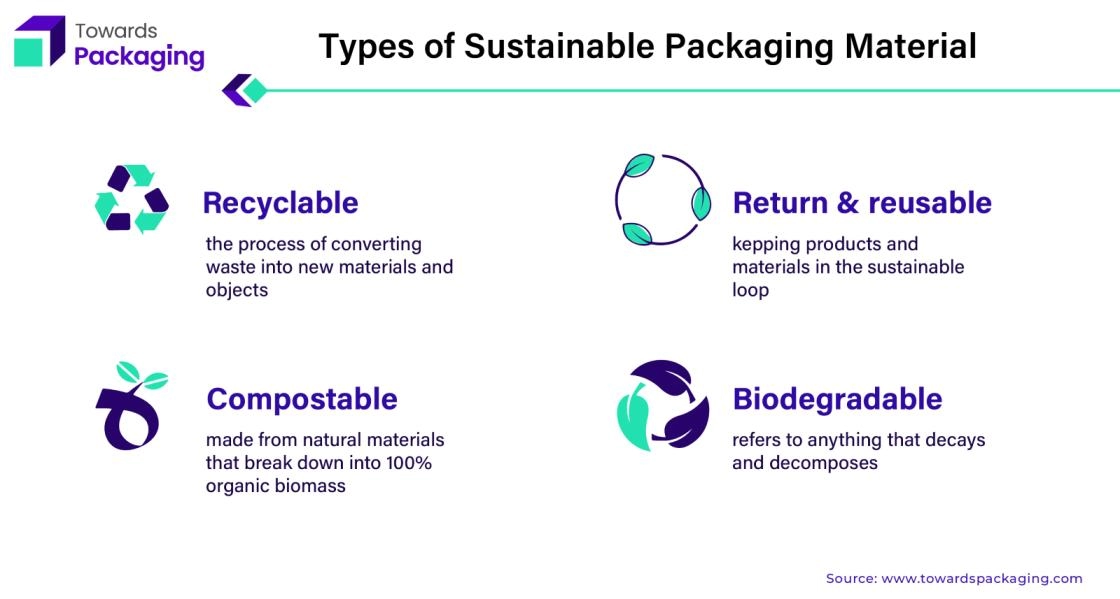
Difference Between Biodegradable, Recyclable, Compostable, and Reusable Packaging
These terms get tossed around a lot, but understanding their differences is crucial:
- Biodegradable packaging breaks down naturally over time through microbial activity but doesn’t always leave behind safe residues.
- Recyclable packaging can be processed and remade into new products, helping reduce landfill waste and demand for virgin materials.
- Compostable packaging goes a step further—breaking down into non-toxic components in commercial or home compost settings, enriching soil.
- Reusable packaging is designed for multiple uses before disposal, cutting down on single-use waste and often made from durable materials like glass or aluminum.
Choosing the right type depends on your product, supply chain, and customer habits.
Why Sustainability Matters in Packaging
Packaging serves a vital role, but the environmental costs of traditional materials—especially plastics—are impossible to ignore. Here’s why switching to sustainable packaging materials is a smart move:
- Cuts down landfill and ocean pollution by reducing plastic waste
- Lowers greenhouse gas emissions linked to production and disposal
- Meets growing consumer demand for environmentally responsible brands
- Ensures compliance with evolving regulations aimed at reducing packaging waste
In short, sustainability in packaging is no longer optional—it’s essential for business longevity, customer trust, and a healthier planet.
By understanding what sustainable packaging is, the differences in material types, and why it matters, supermarkets can make better choices that align with both environmental goals and customer expectations.
Common Types of Sustainable Packaging Materials Used in Supermarkets
When supermarkets look for sustainable packaging materials, several options stand out for their eco-friendly benefits and practicality. These materials not only reduce environmental impact but also align with growing customer demand for plastic-free packaging alternatives and green packaging solutions.
Paper and Cardboard Recycled and FSC Certified
Paper and cardboard are staples in eco packaging trends in retail. Using recycled paper reduces waste, while FSC-certified packaging ensures materials come from responsibly managed forests. These materials are widely recyclable, biodegradable, and cost-effective for suppliers and retailers alike.
Bioplastics PLA PHA and Biodegradability
Bioplastics like PLA (Polylactic Acid) and PHA (Polyhydroxyalkanoates) are plant-based plastics that can biodegrade under the right conditions. Supermarkets use these bioplastics mostly for fresh produce bags and take-away containers. While they’re compostable and a step away from traditional plastics, it’s important to verify access to industrial composting facilities, as home composting options remain limited.
Glass and Aluminum Recyclable and Reusable
Glass and aluminum are durable, infinitely recyclable, and often reusable packaging options. Glass jars and aluminum cans or foil present both a recyclable choice and an excellent way to reduce carbon footprint. Aluminum’s lightweight nature lowers transportation emissions, and both materials help supermarkets meet strict sustainability regulations. Learn best practices with food-grade aluminum foil packaging.
Plant-Based Packaging Cornstarch Mushroom Packaging Seaweed
Several plant-based packaging options have emerged as innovative replacements for plastic:
- Cornstarch packaging is biodegradable and often compostable.
- Mushroom packaging made from mycelium offers strong, renewable protection ideal for fragile items.
- Seaweed packaging is gaining traction as an edible, nutrient-rich alternative.
These materials are gathering interest due to their renewable sourcing and natural degradation, making them excellent choices for supermarkets aiming to boost their green profiles.
Innovative Materials Edible Packaging Hemp Bamboo
Innovation in sustainable packaging is pushing boundaries further with:
- Edible packaging that reduces waste by being consumable alongside the product.
- Hemp packaging, known for its strong fiber, sustainability as a fast-growing crop, and biodegradability.
- Bamboo packaging, which offers a sturdy, renewable option that can be composted or recycled.
Such options represent the future of sustainable supply chain packaging, bringing both environmental benefits and unique customer experiences.
Supermarkets making this switch get more than just environmental benefits of sustainable packaging — they also gain cost savings and stronger brand loyalty. For a detailed look at reducing costs with bulk purchases, check out lower-costs bulk sustainable packaging.
Environmental and Business Benefits of Sustainable Packaging Materials
Switching to sustainable packaging materials offers clear benefits, both for the environment and your business. Here’s how these eco-friendly packaging options make a difference:
Reduction in Carbon Footprint and Waste
Using sustainable packaging helps cut down greenhouse gas emissions across the entire supply chain. Materials like recycled paper, bioplastics, and reusable glass reduce the need for raw resources and energy-intensive manufacturing. Plus, many sustainable options are designed to be biodegradable, recyclable, or compostable, which helps supermarkets minimize landfill waste and plastic pollution. This not only supports local environmental goals but also responds to growing public demand for greener retail practices.
Cost Effectiveness Over the Long Term
While the initial price of sustainable packaging might be higher than traditional plastic or non-recycled alternatives, the long-term savings are significant. Reusable and recyclable packaging can be part of a circular supply chain, lowering waste disposal costs. Also, some materials like bulk-level recycled cardboard and plant-based packaging can be sourced competitively. Over time, investing in durable, sustainable supply chain packaging options often reduces overall expenses by boosting operational efficiency and cutting waste management overhead.
Enhanced Brand Image and Customer Loyalty
Consumers in the U.S. are becoming more environmentally conscious and expect retailers to take sustainability seriously. Offering products in plastic-free packaging alternatives or compostable food packaging can elevate your store’s reputation. This builds trust and loyalty, helping supermarkets stand out from competitors. A strong commitment to green packaging is great for customer retention and can even attract new shoppers who prioritize eco-friendly shopping experiences.
Compliance With Environmental Regulations
U.S. supermarkets must keep up with evolving local and international regulations regarding packaging waste and sustainability. Choosing the right eco-friendly packaging solutions helps you meet requirements like the Plastic Waste Reduction Act and mandates on compostable or recyclable material usage. Staying compliant avoids fines and demonstrates corporate responsibility, which can also improve relationships with regulators and community stakeholders.
By embracing sustainable packaging materials, supermarkets don’t just reduce their environmental impact—they make smart business moves that benefit the bottom line and strengthen their market position.
Challenges in Switching to Sustainable Packaging Materials in Supermarkets

Switching to sustainable packaging materials in supermarkets isn’t always a smooth ride. While the benefits are clear, there are several real challenges that store owners need to tackle to make the transition successful.
Cost Considerations and Budget Impact
One of the biggest hurdles is the higher upfront cost of sustainable packaging compared to traditional plastics. Materials like bioplastics, recycled paper, or plant-based packaging often come at a premium. For many supermarkets, especially smaller chains, this can strain budgets. The challenge is balancing initial investments with long-term savings from waste reduction and improved brand image.
Supply Chain and Sourcing Complexities
Sourcing eco-friendly packaging reliably is another major challenge. Sustainable supply chains aren’t as established or widespread yet, which can result in inconsistent supply or longer lead times. Supermarkets must find trustworthy bulk sustainable packaging suppliers who can deliver quality materials that meet both sustainability goals and operational needs.
Consumer Acceptance and Education
Consumers vary in how much they care or understand sustainable packaging. Introducing new packaging like compostable or edible options can cause confusion or resistance. This calls for clear communication and education efforts to build trust and encourage shoppers to embrace these eco-friendly packaging options.
Balancing Food Safety and Packaging Sustainability
Finally, there’s the fine line between maintaining food safety and adopting sustainable materials. Packaging must protect products from contamination and spoilage while being green. Not all sustainable materials currently meet the rigorous standards needed for certain fresh or perishable goods, so supermarkets must carefully choose packaging that doesn’t compromise safety.
In short: the shift to green packaging takes smart planning and strong partnerships to overcome cost, supply, consumer, and safety challenges. But with the right approach, supermarkets in the U.S. can successfully move toward more sustainable packaging without losing sight of their bottom line or customer trust.
How Artfullife Supports Supermarkets with Sustainable Packaging Solutions
Artfullife offers a comprehensive range of sustainable packaging materials designed specifically to meet the diverse needs of U.S. supermarkets. Their selection includes eco-friendly packaging options like recyclable paper, biodegradable bioplastics, plant-based wraps, and reusable containers, all crafted to reduce environmental impact without compromising product safety or quality.
Tailored Packaging Solutions for Different Supermarket Needs
Recognizing that every product category demands a unique approach, Artfullife provides customized packaging solutions for various supermarket sections:
- Fresh produce: Compostable and breathable packaging options that maintain freshness while cutting down on plastic waste.
- Dry goods: Recyclable cardboard or kraft paper-based packaging designed for durability and sustainability.
- Frozen and refrigerated items: Bioplastics like PLA that offer protection and biodegradability.
- Bulk items: Bulk sustainable packaging suppliers supporting minimal packaging waste and cost efficiency.
This tailored approach ensures supermarkets can switch to sustainable supply chain packaging that works best for their specific products, improving both environmental performance and consumer appeal.
Partnership Approach from Consultation to Implementation
Artfullife goes beyond being just a supplier by acting as a partner throughout the entire transition process. Their experts help supermarkets:
- Assess current packaging impact through audits and lifecycle assessments
- Choose the right sustainable packaging materials based on product types and local regulations
- Train staff and educate consumers on proper disposal and recycling practices
This partnership approach ensures smooth implementation and maximizes the benefits of green packaging solutions for retail environments.
Proven Success in the U.S. Market
Artfullife has a strong track record of helping supermarkets across the United States improve their sustainability profile. For example:
- A regional grocery chain reduced plastic waste by 40% within six months by switching to Artfullife’s compostable and recyclable packaging.
- Several stores reported increased customer loyalty after introducing branded eco-packaging aligned with their sustainability campaigns.
These success stories demonstrate how Artfullife’s sustainable packaging materials and hands-on support make a real difference for supermarkets committed to eco packaging trends and plastic-free packaging alternatives.
Artfullife’s tailored, expert-driven solutions help supermarkets transition to sustainable packaging effectively, meeting both environmental goals and customer expectations.
Practical Tips for Supermarkets to Transition to Sustainable Packaging Materials
Switching to sustainable packaging materials can feel overwhelming, but taking a clear, organized approach makes the process smoother for supermarkets in the United States. Here are some practical tips to help your store make the move while meeting customer expectations and staying compliant with environmental standards.
Conduct Packaging Audits and Lifecycle Assessments
Start by reviewing your current packaging use. Conduct thorough packaging audits to identify what materials you use, how much waste you generate, and where you can reduce impact. A lifecycle assessment (LCA) helps understand the environmental footprint of packaging from production to disposal. This insight directs your choices toward truly eco-friendly packaging options that fit your business needs and cut waste.
- Identify packaging types that generate the most waste or environmental harm.
- Assess the feasibility of switching to recyclable, compostable, or biodegradable options.
- Consider the full lifecycle impact, not just material cost.
Choose the Right Combination of Materials Based on Product Type
Not all products need the same kind of packaging. For example, fresh produce often requires breathable, biodegradable packaging, while dry goods might do better with sturdy, recyclable paper or cardboard. Use plastic-free packaging alternatives like cornstarch or mushroom-based materials where possible, but be mindful of food safety and shelf life.
- Match packaging materials to product shelf life and protection needs.
- Use bulk sustainable packaging suppliers to reduce costs.
- Blend materials (like recyclable glass for liquids and compostable wraps for solids) for maximum sustainability.
Engage Suppliers and Customers in Sustainability Goals
Your supply chain plays a big role in your sustainable efforts. Work closely with suppliers to source green packaging solutions and communicate your sustainability standards clearly. At the same time, educate customers about the benefits and proper disposal of your new packaging.
- Involve suppliers early in packaging redesign to ensure availability and quality.
- Create simple labels or signage explaining packaging benefits and recycling instructions.
- Collect customer feedback to improve packaging choices over time.
Stay Updated on Innovation and Local Regulations
Packaging technology evolves quickly. Keep up with eco packaging trends in retail and new materials like PLA or seaweed-based packaging. Also, stay compliant with local and federal environmental regulations to avoid fines and appeal to environmentally conscious shoppers.
- Subscribe to industry updates and local regulatory bulletins.
- Attend trade shows or webinars focused on sustainable packaging.
- Regularly review packaging standards and update your store’s policies accordingly.
By following these steps, supermarkets can make a strong transition to sustainable packaging materials that reduce waste, enhance brand reputation, and meet the growing demand for plastic-free and eco-friendly packaging options in the U.S. market.