















Are you grappling with the US plastics ban and its impact on your wholesale packaging operations? Navigating these regulations can feel overwhelming, but the right strategies can turn challenges into opportunities for growth.
As a packaging industry expert, I’ve seen firsthand how businesses adapt to bans on single-use plastics. With my insights, you’ll discover practical solutions that save costs and boost sustainability.
In this guide, you’ll learn how plastic ban regulations affect wholesalers, explore eco-friendly packaging alternatives, and uncover actionable tips to stay compliant while thriving.
Let’s dive in!
Overview of US Plastics Bans
The United States is seeing a growing movement toward limiting single-use plastics through a mix of federal and state regulations. While there is no comprehensive nationwide ban yet, many states and cities have implemented their own laws targeting items like plastic bags, straws, and polystyrene foam containers. These regulations aim to reduce plastic pollution and promote sustainable packaging solutions.
Federal and State Regulations
At the federal level, efforts focus primarily on research, recycling initiatives, and plastic waste reduction policies. Key actions include the Break Free From Plastic Pollution Act and related proposals encouraging alternatives to conventional plastics.
In contrast, state and local governments lead the charge on enforcement, with regulations varying widely:
- California prohibits single-use plastic bags and bans polystyrene food containers.
- New York has phased out plastic bags while restricting plastic straws.
- Oregon enforces bans on single-use carryout bags statewide.
These laws reflect growing public demand for environmentally friendly packaging and stronger plastic pollution laws.
Scope of Bans
The bans typically affect:
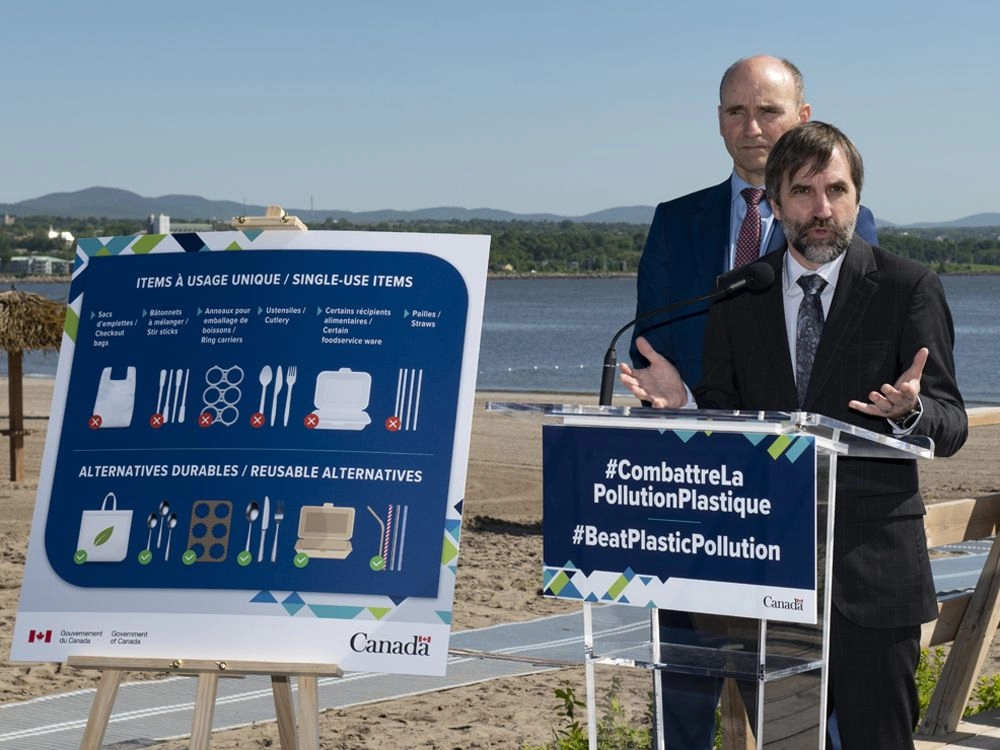
- Single-use plastic bags
- Plastic straws and stirrers
- Foam food containers and cups
- Certain plastic cutlery and utensils
Some regions extend restrictions to wholesale packaging materials, pushing businesses to adopt biodegradable packaging options or reusable packaging trends that align with sustainability goals.
Timeline and Enforcement
Most bans have been phased in over several years, allowing businesses time to adapt their operations and supply chains. Enforcement is handled at the local and state level, with penalties including fines for non-compliance. Businesses are encouraged to stay informed of new rules and deadlines to ensure plastic ban compliance and avoid disruptions.
By understanding the evolving landscape of US plastics bans, wholesale packaging suppliers and users can proactively shift toward eco-friendly packaging materials and enhance their long-term sustainability.
Impacts on the Wholesale Packaging Industry
The US plastics ban has brought noticeable changes to the wholesale packaging industry. Let’s break down the main impacts.
Economic Effects
Wholesale packaging costs have shifted as businesses adapt to the new regulations. Many companies face higher expenses sourcing sustainable packaging solutions like biodegradable packaging options or reusable packaging trends. These eco-friendly materials often cost more upfront, pushing manufacturers and suppliers to rethink pricing. However, some businesses find that investing in sustainable alternatives can open up new markets and customer bases willing to pay a premium for greener options.
Operational Challenges
Switching from traditional plastics to compliant materials means updating supply chains and packaging processes. Wholesale packaging regulations require precise compliance, which can slow down operations or require retraining staff. Finding reliable suppliers of eco-friendly packaging materials is key, but it can take time. Some wholesale packaging distributors struggle to keep enough stock of compostable or recyclable products, leading to delays.
Environmental Benefits
Despite the challenges, the shift away from single-use plastics offers big wins for the environment. Reduced plastic waste helps combat pollution and supports cleaner oceans and landfills. The packaging industry’s sustainability efforts contribute to a healthier planet and better resource management, aligning with the broader goals of US plastic pollution laws. Over time, these environmental benefits can also enhance a company’s brand reputation and customer loyalty.
For more on sustainable materials in the packaging space, check out our guide on sustainable packaging trends.
Opportunities for Businesses
Adopting Sustainable Alternatives
With the US plastics ban affecting wholesale packaging, businesses have a real chance to switch to sustainable packaging solutions. Moving away from single-use plastics means exploring eco-friendly packaging materials like biodegradable options, recycled paper, or reusable packaging. This shift not only keeps you compliant with wholesale packaging regulations but also appeals to eco-conscious customers who want greener choices.
Innovation and Branding
The plastic ban opens doors for companies to innovate and stand out by offering fresh, sustainable packaging designs. Businesses that prioritize sustainable packaging solutions can strengthen their brand image, showing they care about the environment. This helps build trust and loyalty among consumers who are increasingly choosing brands aligned with their values.
Government Incentives
Several federal and state programs now offer incentives to companies adopting sustainable packaging. These can include tax credits, grants, or support for switching to biodegradable packaging options. Being aware of and leveraging these incentives can reduce costs and ease the transition to eco-friendly materials.
Artfullife’s Role
Artfullife is stepping up to help businesses navigate this shift. By providing a range of innovative, sustainable wholesale packaging options, Artfullife makes it easier to stay ahead of compliance and trends. Their focus on quality and eco-friendliness means businesses can confidently adopt reusable packaging trends without compromising on style or function. Partnering with Artfullife gives businesses an edge in meeting the growing demand for packaging industry sustainability in the US market.
Strategies to Navigate the Plastics Ban
Facing the US plastics ban can feel overwhelming, but with the right approach, businesses in wholesale packaging can adapt smoothly. Here’s how to stay on track:
Compliance Tips
- Know the rules: Stay updated on federal and state regulations concerning single-use plastics and wholesale packaging.
- Audit your packaging: Identify which products fall under the ban and prioritize switching those first.
- Choose approved materials: Shift to eco-friendly packaging materials like biodegradable options or sustainable alternatives to avoid penalties.
Cost Management
- Compare suppliers: Look for wholesalers offering competitive prices on compostable or reusable packaging. Check out wholesale compostable plastic wrap suppliers here.
- Bulk buying: Purchase sustainable packaging in larger quantities to reduce per-unit costs.
- Track savings: Measure cost benefits over time—some eco-friendly solutions cut waste disposal fees or qualify for tax breaks.
Consumer Education
- Clear messaging: Use labels or inserts to explain why you’ve switched packaging—customers value transparency.
- Social media updates: Share how your brand supports sustainability, boosting loyalty and awareness.
- Engage feedback: Invite customers’ thoughts on packaging changes; it helps fine-tune your approach and builds community trust.
Case Study
Take the example of a wholesale distributor who replaced their plastic wrap with biodegradable alternatives and added informative tags about their environmental impact. They saw a 20% increase in positive customer feedback and lowered packaging costs by 15% within six months.
By following these strategies, wholesale packaging businesses can handle the US plastics ban effectively—saving money, staying compliant, and winning consumer support.
Future Outlook for Wholesale Packaging
The future of wholesale packaging in the US is shaping up fast, driven by global trends, new technology, and evolving policies. Businesses will need to stay ahead to keep up with these changes.
Global Trends
Worldwide, there’s a big push toward sustainable packaging solutions. Many countries are moving past just banning single-use plastics; they’re adopting stricter rules on what materials can be used, encouraging biodegradable packaging options and reusable packaging trends. US companies in wholesale packaging will feel this pressure too, especially those working with international clients.
Technological Advances
Technology is making eco-friendly packaging materials cheaper and better. Innovations in biodegradable plastics, plant-based materials, and even smart packaging that tracks freshness or waste are becoming more common. These advances help companies lower their environmental footprint and meet plastic ban compliance with less hassle.
Policy Predictions
Expect federal and state regulations to tighten further. As US plastic pollution laws grow stricter, more states may adopt comprehensive bans or introduce fees on non-compliant packaging. This escalates the need for compliance and pushes wholesalers toward greener alternatives. Businesses that prepare now—by adopting sustainable options and investing in innovation—will gain a competitive edge.
To sum it up, wholesale packaging is headed toward more sustainable, innovative solutions under stronger regulations. Staying informed and proactive is key to thriving in this changing market.
FAQs
What types of plastics are banned in the US wholesale packaging industry?
Most bans focus on single-use plastics like plastic bags, straws, and certain food containers. Regulations vary by state, but many target non-recyclable and hard-to-manage plastics.
How can wholesale packaging businesses comply with US plastics ban regulations?
Compliance involves switching to eco-friendly packaging materials such as biodegradable or compostable alternatives and following state-specific rules on packaging waste and labeling.
Are sustainable packaging solutions more expensive?
While initial costs can be higher, many businesses find that adopting biodegradable packaging or reusable options cuts costs long-term through improved brand value and lower waste fees.
What are the environmental benefits of switching to sustainable packaging?
Using biodegradable packaging and reducing single-use plastics significantly lowers plastic pollution and supports recycling efforts, helping meet US plastic pollution laws and sustainability goals.
Where can I find reliable suppliers for eco-friendly wholesale packaging?
You can explore trusted suppliers and compare options in our wholesale compostable plastic wrap suppliers guide.
What are some smart strategies for managing costs while complying with plastics bans?
Bulk purchase of sustainable materials
Gradual transition from plastic to biodegradable options
Educating customers about reusable packaging benefits
Will US plastics ban regulations continue to evolve?
Yes, expect more states to tighten rules and encourage sustainable packaging trends as part of global efforts to reduce plastic waste.
For more insights on sustainable packaging trends, check out our detailed guide on sustainable packaging trends 2025.