

















Are you wondering how to achieve strong ROI with biodegradable materials investment? Navigating the world of sustainable investments can feel complex, but the right strategy can unlock significant financial and environmental rewards.
As a sustainability enthusiast and investment expert, I’ve seen firsthand how biodegradable materials transform businesses while boosting profitability. In this guide, you’ll discover proven strategies, market insights, and practical tips to maximize your returns in this booming industry.
Ready to turn sustainability into a smart investment? Let’s dive in!
Understanding Biodegradable Materials and Their Market
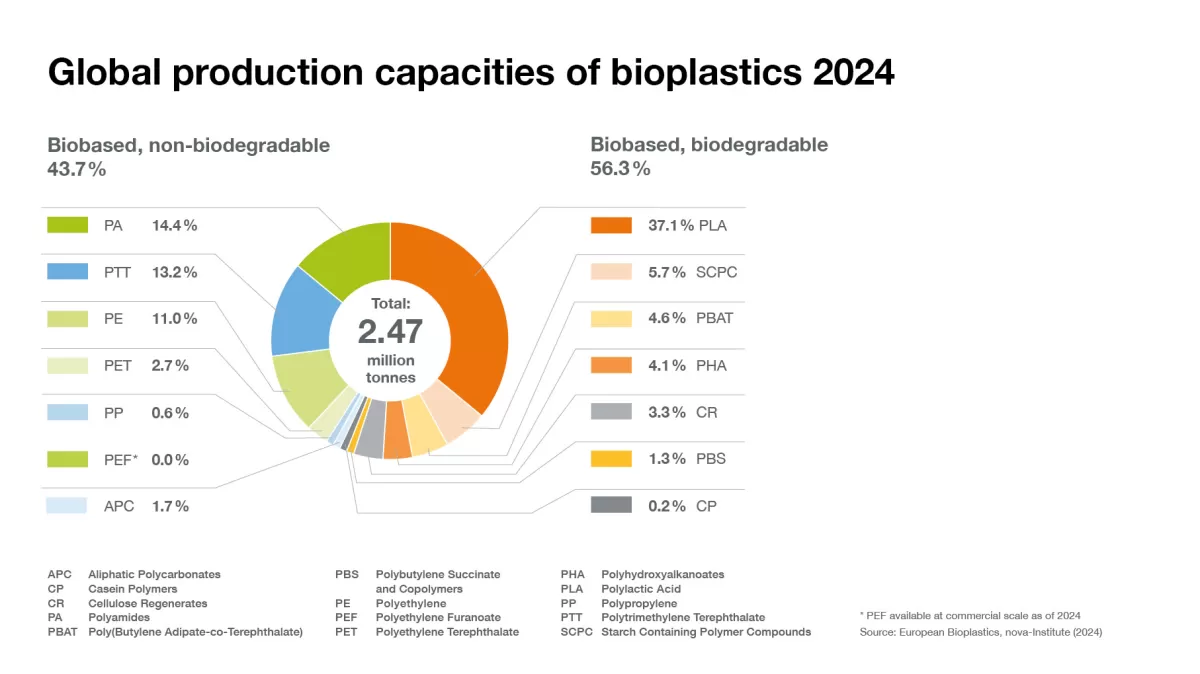
Are you wondering what biodegradable materials really are and why they matter? Simply put, biodegradable materials are substances that break down naturally by microorganisms like bacteria and fungi. Common types include PLA (polylactic acid), PHA (polyhydroxyalkanoates), and other bio-based polymers made from renewable resources such as corn starch, sugarcane, or vegetable oils.
Several industries are leading the way in adopting these materials. Packaging companies are shifting to biodegradable alternatives to reduce plastic waste. Agriculture uses biodegradable films and mulch to improve sustainability. Even the automotive sector incorporates bio-based polymers for parts, helping reduce reliance on fossil fuels.
The market reflects this growing trend. The global biodegradable packaging market alone is projected to hit around $140.6 billion by 2029, driven by both demand and innovation.
What’s behind this rapid growth? Increasing consumer awareness of plastic pollution and stronger regulations, like bans on single-use plastics, are powerful environmental and social drivers. Together, they push businesses to choose cleaner, greener materials, making biodegradable options not just popular but essential in today’s market.
Why Invest in Biodegradable Materials
Investing in biodegradable materials offers solid financial benefits. Companies can save on waste disposal costs and tap into new revenue streams as demand for eco-friendly products grows. Being an early adopter in this space also boosts market competitiveness, helping brands stand out as leaders in sustainability.
On top of the numbers, the environmental and social return on investment (ROI) is just as important. Biodegradable materials align perfectly with ESG (environmental, social, and governance) criteria, which investors and consumers increasingly prioritize. Choosing these materials sends a strong message about your commitment to reducing plastic pollution and supporting a circular economy.
Look at Danimer Scientific, for example. Their partnerships with big names like Starbucks and PepsiCo show how profitable and scalable biodegradable investments can be. These deals prove that sustainable materials are not just good for the planet—they’re great for business.
Artfullife plays a key role here by promoting cost-effective, sustainable material solutions tailored for the U.S. market. Their approach helps companies transition smoothly to biodegradable alternatives, ensuring both environmental impact and financial goals are met.
Calculating ROI for Biodegradable Materials Investments
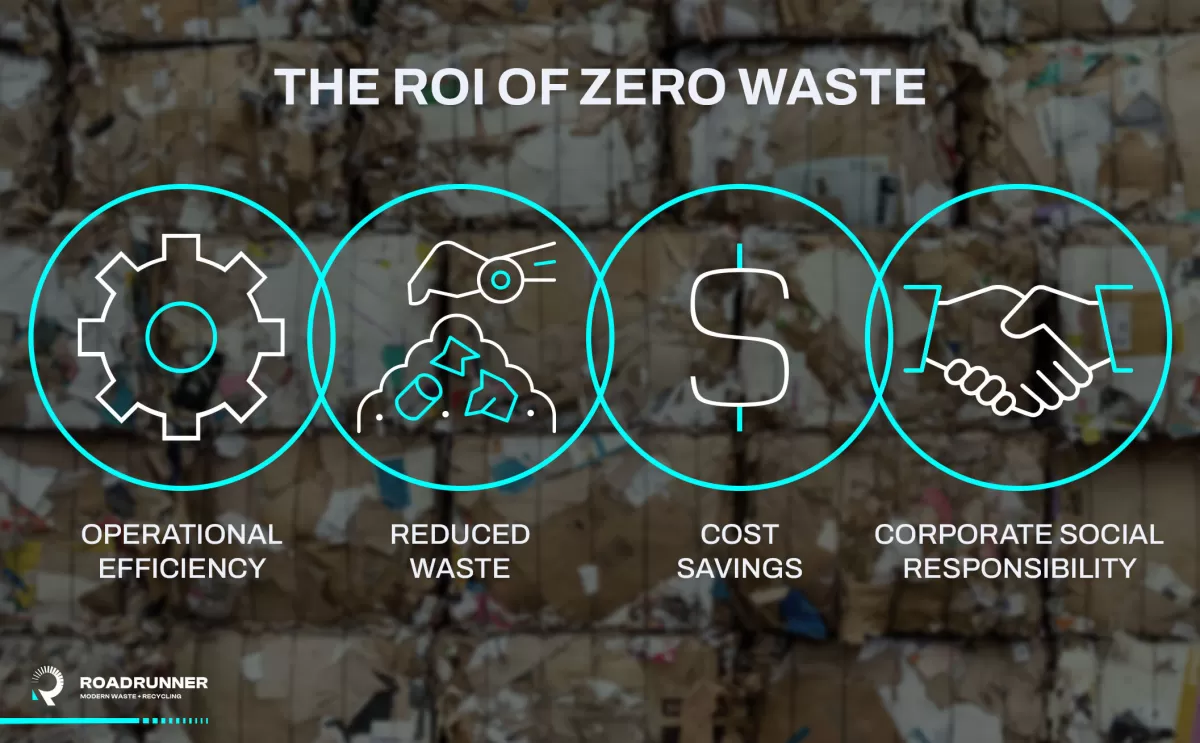
Calculating ROI for biodegradable materials investments starts with the basic formula:
ROI = (Net Profit – Investment Cost) ÷ Investment Cost × 100.
But it’s not just about the numbers on paper. Several factors affect your ROI here:
- Production costs can be higher than traditional plastics, especially early on.
- Scalability matters—how well can you ramp up and lower costs over time?
- End-of-life management (like composting or recycling) impacts total value and brand trust.
Measuring ROI isn’t always straightforward. Some benefits, like boosted brand equity and long-term market positioning, are hard to quantify but crucial. These intangible gains often drive deeper customer loyalty and align closely with ESG investment strategies, which more U.S. companies and consumers now prioritize.
To get an accurate picture, businesses use tools like:
- Lifecycle analysis (LCA) to see environmental and cost impacts over the product’s full lifespan.
- ESG metrics to track how sustainable practices contribute to financial and social returns.
Using these methods helps create a clearer, more reliable view of the true ROI on biodegradable materials investments.
Strategies to Maximize ROI in Biodegradable Materials
To get the best return on investment in biodegradable materials, smart strategies are a must. Here are some key moves that can boost your ROI and set your investment up for success:
-
Invest in Innovative Feedstocks
Using alternative raw materials like agricultural waste, algae, or even coffee grounds can lower costs and reduce competition with food crops. These feedstocks are often cheaper and more sustainable, helping improve profitability and appeal to green-conscious buyers.
-
Leverage Government Incentives and Green Financing
Many federal and state programs offer tax breaks, grants, or low-interest loans for sustainable projects. Taking advantage of green financing options can ease upfront costs and improve cash flow, making your investment more financially viable.
-
Partner with Scalable Manufacturers
Working with proven producers like NatureWorks or Total Corbion PLA offers access to advanced technology and established supply chains. This partnership helps scale production efficiently and meet growing demand without sacrificing quality.
-
Integrate Biodegradable Materials into High-Demand Sectors
Focus on industries where eco-friendly materials are in hot demand—like packaging, textiles, and agriculture. These sectors are quick to adopt sustainable alternatives, allowing you to tap into expanding markets and secure steady revenue streams.
-
Artfullife’s Approach to Sustainable Material Production
Artfullife emphasizes cost-effective production methods while maintaining high sustainability standards. Their innovative processes reduce waste and energy use, helping investors maximize ROI while supporting the circular economy.
By combining these strategies, you can strengthen financial returns while making a positive impact on the environment—key for long-term success in the biodegradable materials market.
Risks and Challenges to Consider
Investing in biodegradable materials comes with some risks and challenges. First, the initial costs are often higher than traditional plastics, making upfront investment a barrier for many businesses. Production and scaling expenses can be steep, especially when working with newer bio-based polymers.
There are also regulatory and disposal hurdles. Composting infrastructure is still limited in many parts of the U.S., which means biodegradable products don’t always break down as intended. Plus, consumer education is needed so people know how to properly dispose of these materials.
Another challenge is the competition between bio-based feedstocks and food production. Using crops like corn or sugarcane for bioplastics can strain food supplies, which raises ethical and economic concerns.
To offset these risks, smart investors focus on:
- Diversifying feedstocks, such as using agricultural waste, algae, or other non-food sources
- Improving production efficiency to lower costs over time
- Supporting infrastructure development and consumer awareness programs
These strategies help balance out the upfront challenges and improve the overall ROI for biodegradable materials investments. For more on how sustainable materials are evolving in kitchenware and packaging, check out our insights on kitchenware materials innovations and tips on choosing the right cling film.
Future Outlook for Biodegradable Materials Investments
The future of biodegradable materials looks promising, driven by new technologies and growing demand. Emerging innovations like microbial fermentation and 3D printing are making production more efficient and versatile. These advances help lower costs and open doors to new applications, from packaging to automotive parts.
At the same time, consumer interest in eco-friendly products keeps climbing. More people want sustainable options, and government regulations are increasingly pushing businesses toward greener solutions. This combination fuels steady market growth and expands opportunities for investors.
Global market expansion is another big factor. As more countries adopt stricter environmental policies, the demand for biodegradable materials will surge worldwide. Larger production volumes will bring economies of scale, which can improve profitability and ROI for those invested early.
Artfullife is well-positioned to lead in this space. We focus on developing cost-effective, sustainable materials that fit today’s market needs. By combining smart tech with strong partnerships, Artfullife helps businesses achieve better environmental results while maximizing returns on investment in biodegradable materials.